
 TorontoOntario · 36 tours
 Niagara FallsOntario · 25 tours
 New York CityNew York · 30 tours
 Las VegasNevada · 8 tours
 San FranciscoCalifornia · 16 tours
 VancouverBritish Columbia · 17 tours
 DubaiUAE · 54 tours
 Abu DhabiUAE · 5 tours
 Buenos AiresArgentina · 23 tours
 AthensGreece · 31 tours
 AucklandNew Zealand · 38 tours
 CancunMexico · 54 tours
No destinations match “”. Try searching all tours instead — that search understands full questions, not just place names.
A private walking tour through the real roots of jazz in New Orleans.
A private walking tour through New Orleans' real jazz history — Congo Square, Louis Armstrong Park, Tennessee Williams' House, and Frenchmen Street.
This is a genuine walking tour, distinct in both format and stops from our existing Jazz Musician Driving Tour — real on-foot access to Congo Square, Tennessee Williams' House, and St. Mark's United Methodist Church.
A popular starting point — every Voyzo itinerary is fully customizable, so we'll shape the order and stops around your group.
Meets at a fixed downtown New Orleans location — confirmed at booking.
The real birthplace of the musical traditions that became jazz.
A real stop tied to the playwright's New Orleans years.
A real historic church woven into the city's musical story.
The tour finishes on this real, still-thriving live music street.
Back to your hotel, home, or the airport — whenever your day wraps up.
Every group size is covered — from an intimate private ride to large multi-coach groups.
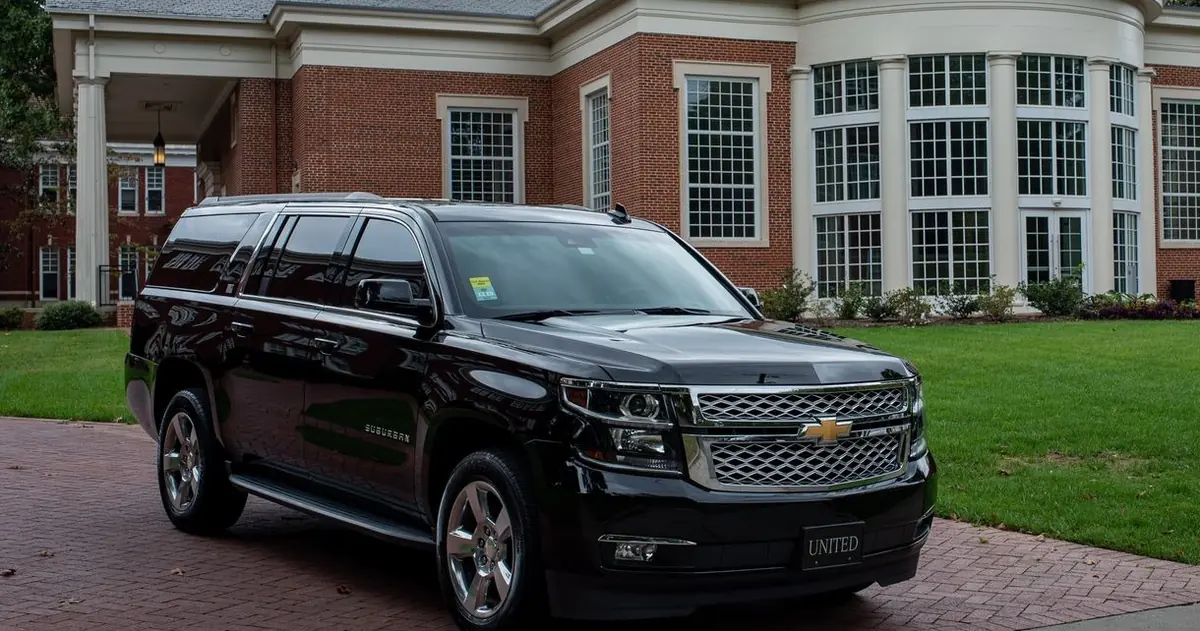 Up to 6
A fast, private ride for couples, small families, or business travelers — plenty of luggage room and a smooth, quiet cabin.
 Up to 14
Comfortable, air-conditioned seating for small and mid-size groups — our most popular option for families and friend groups traveling together.
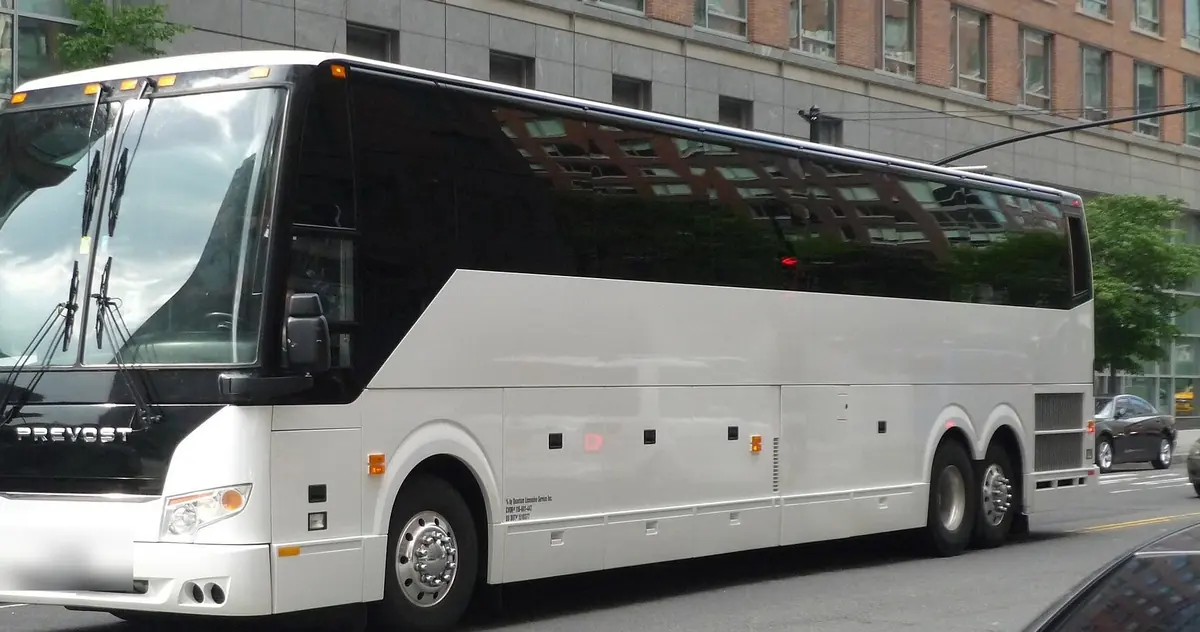 Up to 56
Our largest single vehicle — a full-size luxury motorcoach for large groups, conventions, and corporate events that still want one private tour, one vehicle.
A private walking tour through New Orleans' real jazz history — Congo Square, Louis Armstrong Park, Tennessee Williams' House, and Frenchmen Street. This is a genuine walking tour, distinct in both format and stops from our existing Jazz Musician Driving Tour — real on-foot access to Congo Square, Tennessee Williams' House, and St. Mark's United Methodist Church.
This walk starts where most historians trace the roots of New Orleans music: Congo Square. From at least the 1740s it served as a gathering ground for the city's enslaved population, and by 1817 city ordinances formally restricted such gatherings to Sunday afternoons there. Visitors of the era described crowds of 500 to 600 people performing African-rooted dances like the Bamboula to driving drum rhythms — traditions that, over the following century, fed directly into what became jazz, as well as New Orleans' second-line parades and Mardi Gras Indian culture. The gatherings were periodically shut down by the city, in 1835 and again in 1851, and by 1856 people of African descent were barred by law from even playing horns or drums in New Orleans — a reminder that this music survived real, sustained attempts to suppress it.
Congo Square now sits inside Louis Armstrong Park, a 32-acre park built in 1980 and designed by local architect Robin Riley, who drew inspiration from Copenhagen's Tivoli Gardens. The park was built both to preserve the Congo Square site and to honor Louis Armstrong, but its creation was genuinely controversial: building it required clearing a historic stretch of Treme, including bars, clubs, and homes where generations of jazz musicians had actually lived and played.
From there, the walk reaches 722 Toulouse Street, a two-story house built in 1788 that was Tennessee Williams' first New Orleans address. He arrived in the city in 1938 and rented a ten-dollar-a-month attic room here, where he began experimenting with pen names before settling on 'Tennessee Williams.' He went on to live at several more French Quarter addresses over the following decades — including 632 St. Peter Street, where he wrote A Streetcar Named Desire in 1946–47 — and kept a home in the Quarter on and off until his death in 1983.
The route also passes St. Mark's United Methodist Church on North Rampart Street, founded in 1849 and renamed in 1854, whose St. Mark's Community Center — a settlement house run by Methodist deaconesses since 1909 — played a real, documented role in New Orleans' social gospel movement and later in its civil rights history. The walk ends on Frenchmen Street, which spent most of the twentieth century as a quiet residential block before clubs began opening there in the 1970s and 80s; it's now the three-block stretch, anchored by venues like Snug Harbor and the Spotted Cat, where many New Orleanians go to hear live jazz, brass, and funk today.
Every Voyzo tour is a starting point — tell us what you have in mind and we'll build it.