
 TorontoOntario · 36 tours
 Niagara FallsOntario · 25 tours
 New York CityNew York · 30 tours
 Las VegasNevada · 8 tours
 San FranciscoCalifornia · 16 tours
 VancouverBritish Columbia · 17 tours
 DubaiUAE · 54 tours
 Abu DhabiUAE · 5 tours
 Buenos AiresArgentina · 23 tours
 AthensGreece · 31 tours
 AucklandNew Zealand · 38 tours
 CancunMexico · 54 tours
No destinations match “”. Try searching all tours instead — that search understands full questions, not just place names.
A private walk through New Orleans' real voodoo and Congo Square history.
A private walking tour through Congo Square and the French Quarter's real voodoo and African-American cultural history.
This tour is built specifically around Congo Square and New Orleans' real voodoo and African-American cultural history, distinct from our existing ghost tour's haunted-history focus.
A popular starting point — every Voyzo itinerary is fully customizable, so we'll shape the order and stops around your group.
Meets at a fixed French Quarter location — confirmed at booking.
The real historic site where enslaved Africans gathered to keep their music and traditions alive.
A real stop honoring New Orleans' musical heritage.
A real stop exploring the genuine history and practice of New Orleans voodoo.
A real stop tied to New Orleans' spiritual history.
Back to your hotel, home, or the airport — whenever your day wraps up.
Every group size is covered — from an intimate private ride to large multi-coach groups.
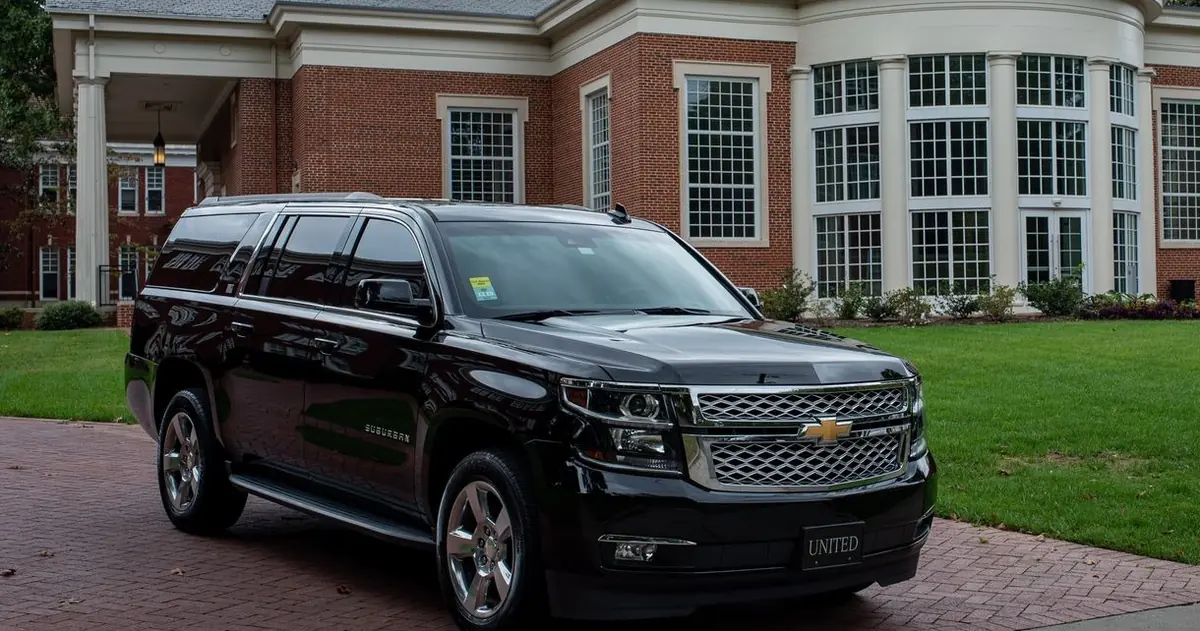 Up to 6
A fast, private ride for couples, small families, or business travelers — plenty of luggage room and a smooth, quiet cabin.
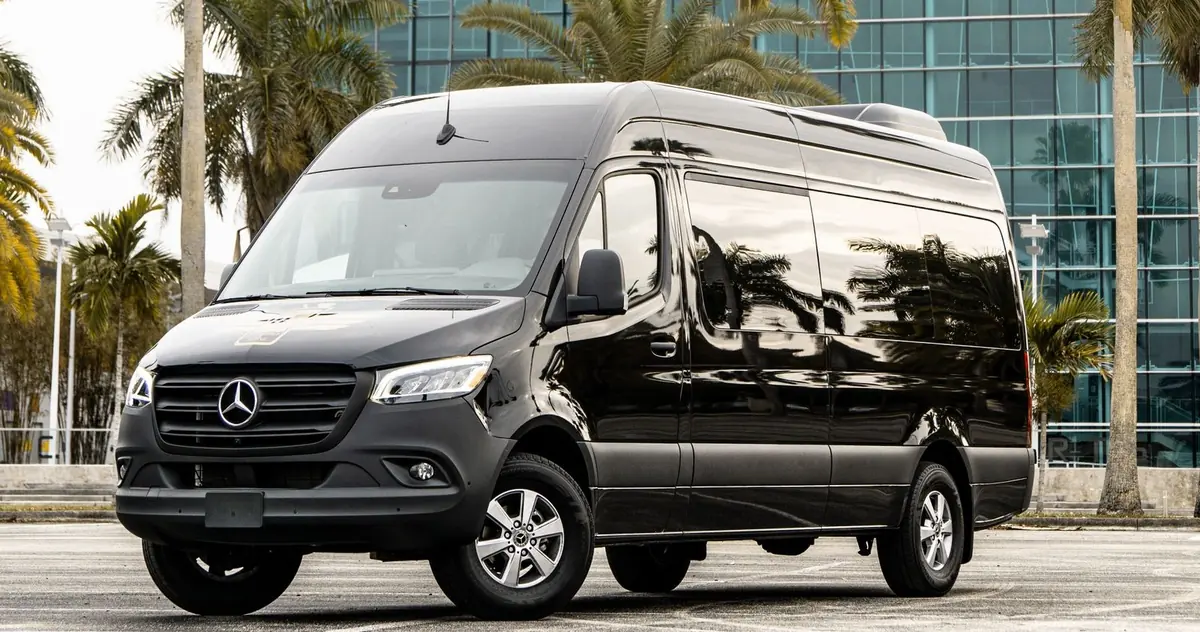 Up to 14
Comfortable, air-conditioned seating for small and mid-size groups — our most popular option for families and friend groups traveling together.
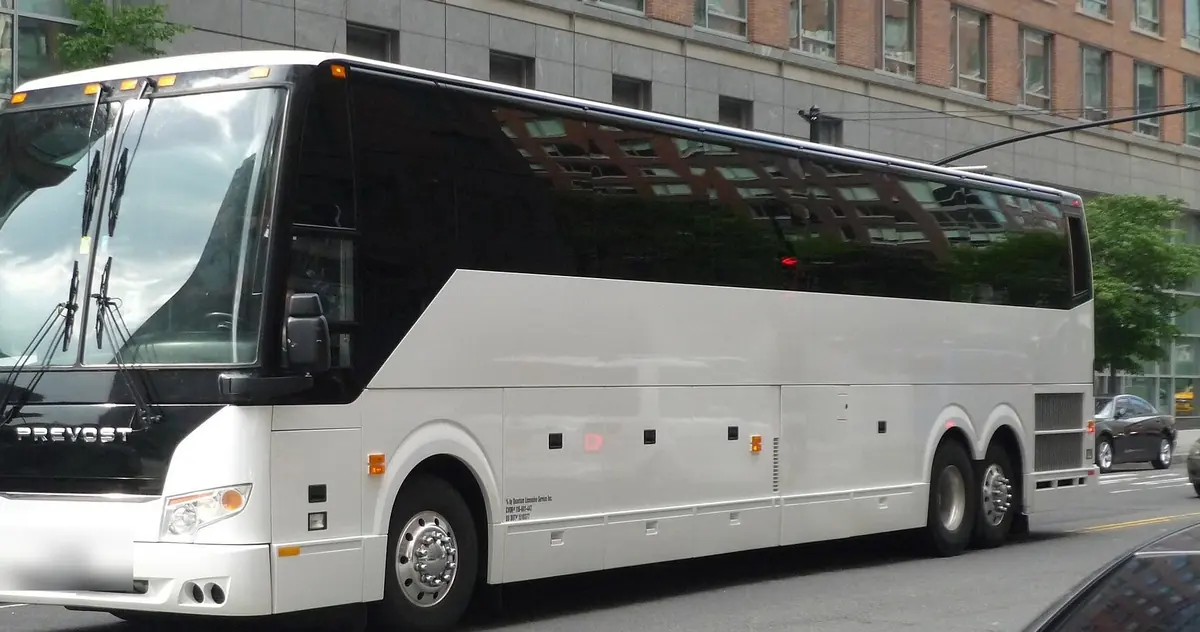 Up to 56
Our largest single vehicle — a full-size luxury motorcoach for large groups, conventions, and corporate events that still want one private tour, one vehicle.
A private walking tour through Congo Square and the French Quarter's real voodoo and African-American cultural history. This tour is built specifically around Congo Square and New Orleans' real voodoo and African-American cultural history, distinct from our existing ghost tour's haunted-history focus.
Congo Square is one of the most historically significant patches of ground in American music history. Under French Louisiana's Code Noir, enslaved people were legally entitled to Sundays off, and in New Orleans — uniquely among major Southern cities — that meant they were permitted to gather publicly here to trade goods, sing, and dance. Drums, which slaveholders elsewhere in the South banned outright for fear they could be used to coordinate rebellion, were allowed to play openly in Congo Square well into the 19th century. Generations of scholars point to those Sunday gatherings, with their West African polyrhythms, call-and-response singing, and ring dances, as a direct root of New Orleans jazz.
Congo Square now sits inside the 31-acre Louis Armstrong Park, which opened on the edge of the Tremé neighborhood in the 1970s after a large, and still-debated, urban renewal project that cleared several blocks of historic Tremé housing to build it. Congo Square itself eventually reclaimed its historic name within the park, and today it stands as a working reminder of Tremé's deep ties to the city's musical heritage.
The tour's voodoo content centers on Louisiana Voodoo as a genuine, living religious tradition rather than tourist spectacle — including the real history of Marie Laveau, the free woman of color who became 19th-century New Orleans' most famous Voodoo Queen. Laveau, raised a devout Catholic, blended Catholic ritual — holy water, saints' imagery, prayer — with Voodoo practice in a way that helped the religion gain broader acceptance across New Orleans society, and she presided over public ceremonies held at Congo Square itself, one of the few places in a segregated city where people of different races mixed freely.
The walk also stops at Voodoo Authentica, a real, practitioner-owned shop and cultural center on Dumaine Street that's operated continuously since 1996. Unlike many of the Quarter's more novelty-oriented shops, everything there is handmade on-site or by local practitioners, and the shop doubles as an educational space built specifically to present voodoo's authentic practice rather than its horror-movie reputation.
Every Voyzo tour is a starting point — tell us what you have in mind and we'll build it.