
 TorontoOntario · 36 tours
 Niagara FallsOntario · 25 tours
 New York CityNew York · 30 tours
 Las VegasNevada · 8 tours
 San FranciscoCalifornia · 16 tours
 VancouverBritish Columbia · 17 tours
 DubaiUAE · 54 tours
 Abu DhabiUAE · 5 tours
 Buenos AiresArgentina · 23 tours
 AthensGreece · 31 tours
 AucklandNew Zealand · 38 tours
 CancunMexico · 54 tours
No destinations match “”. Try searching all tours instead — that search understands full questions, not just place names.
A private walking tour through the real Jewish immigrant history of the Lower East Side.
A private walking tour for your group only through the Lower East Side's real Jewish immigrant history — The Pickle Guys, Essex Market, and Economy Candy, a real candy shop dating to the Great Depression.
This is a private tour for your group only. Real stops include The Pickle Guys, Essex Market, and Economy Candy — a genuine candy shop dating back to the Great Depression.
A popular starting point — every Voyzo itinerary is fully customizable, so we'll shape the order and stops around your group.
Meets at Seward Park plaza, 174 E Broadway.
A real, working Lower East Side pickle shop, a neighborhood institution.
A genuine, historic candy shop still operating today.
A real, working indoor market with deep Lower East Side roots.
A consistently praised private history walk.
Back to your hotel, home, or the airport — whenever your day wraps up.
Every group size is covered — from an intimate private ride to large multi-coach groups.
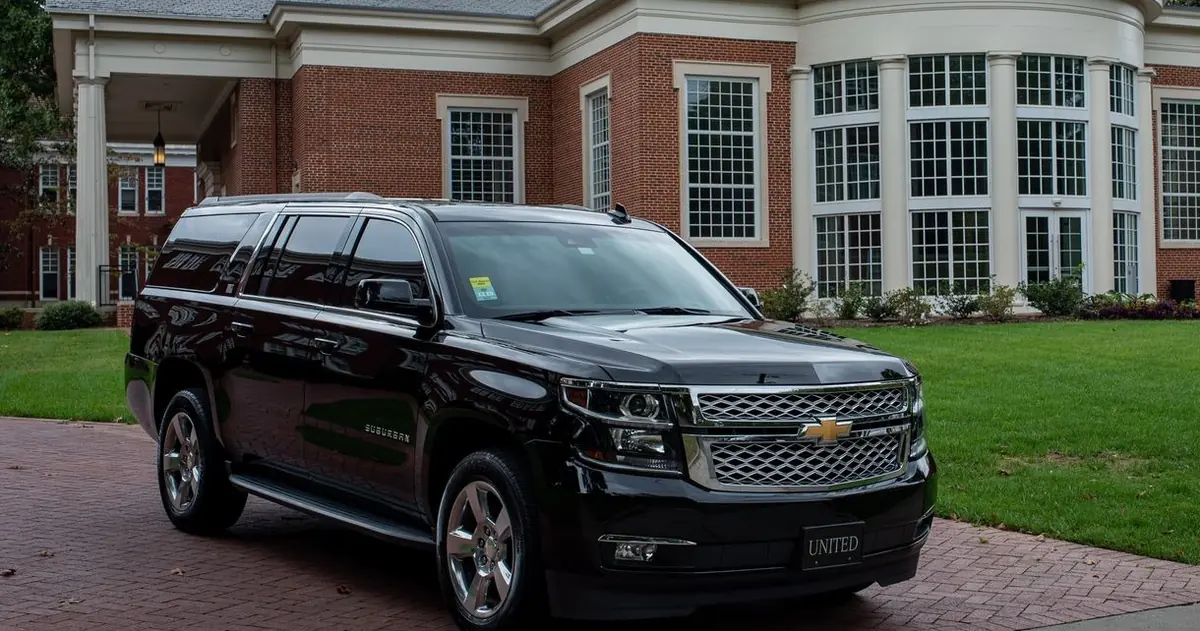 Up to 6
A fast, private ride for couples, small families, or business travelers — plenty of luggage room and a smooth, quiet cabin.
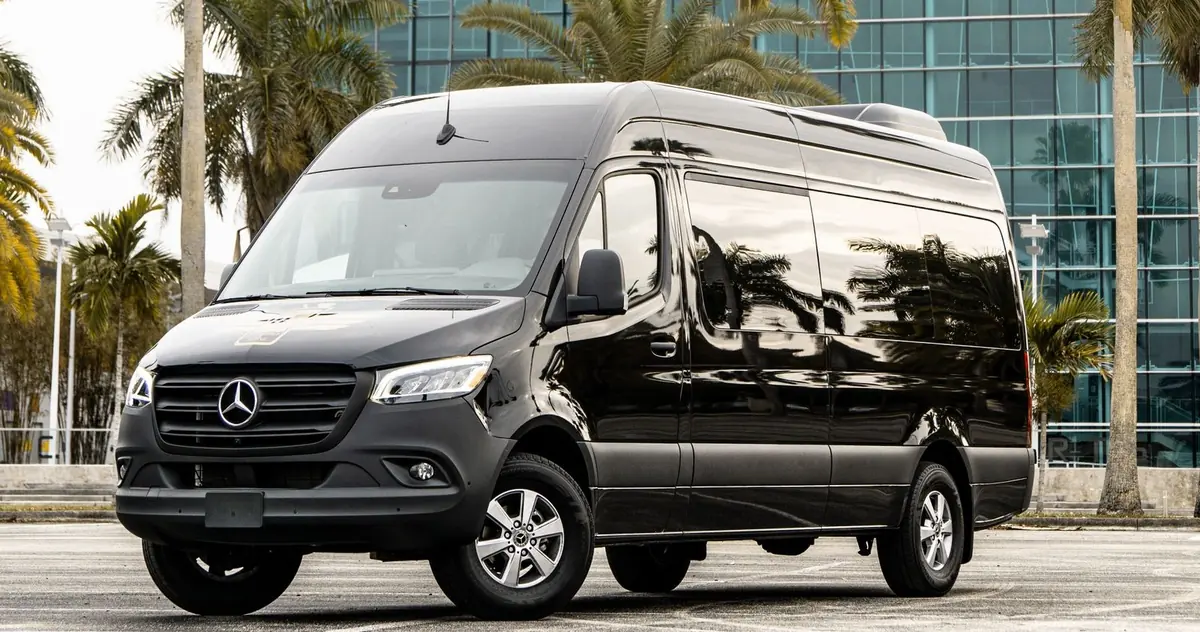 Up to 14
Comfortable, air-conditioned seating for small and mid-size groups — our most popular option for families and friend groups traveling together.
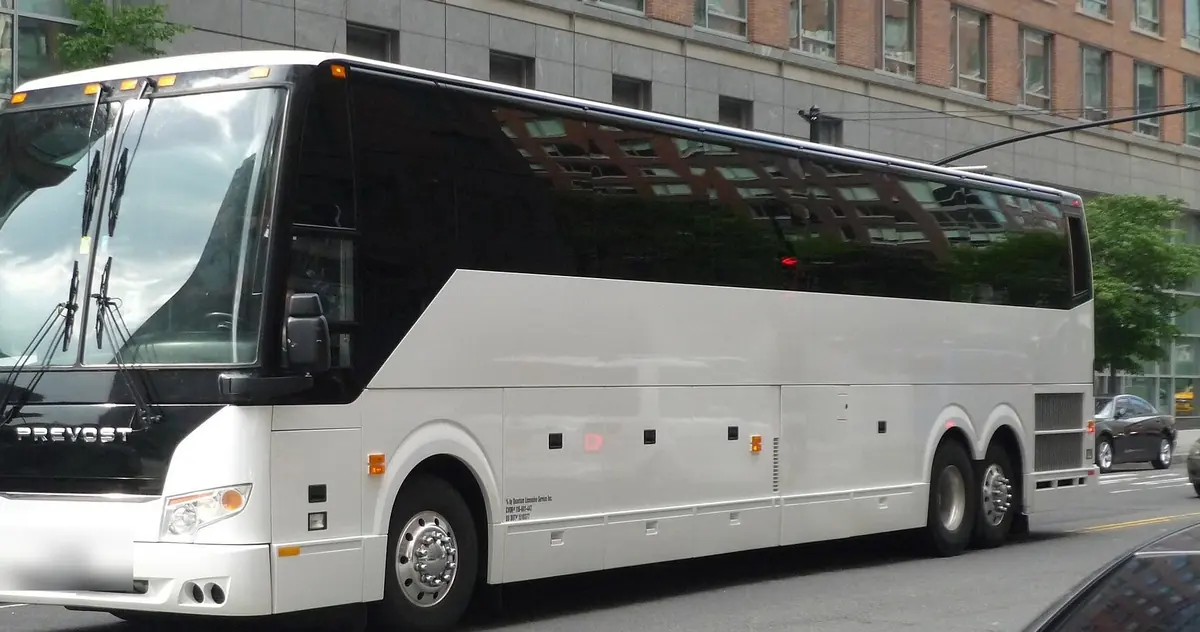 Up to 56
Our largest single vehicle — a full-size luxury motorcoach for large groups, conventions, and corporate events that still want one private tour, one vehicle.
A private walking tour for your group only through the Lower East Side's real Jewish immigrant history — The Pickle Guys, Essex Market, and Economy Candy, a real candy shop dating to the Great Depression. This is a private tour for your group only. Real stops include The Pickle Guys, Essex Market, and Economy Candy — a genuine candy shop dating back to the Great Depression.
The Lower East Side's Jewish character came from one of the largest waves of immigration in American history. Between roughly 1880 and 1920, more than two million Eastern European Jews — fleeing pogroms, poverty, and later religious persecution — arrived in the United States, and a large share settled in this one Manhattan neighborhood. By 1890 the Lower East Side was already home to around 190,000 Jewish residents; by the 1900s and 1910s that number had grown to several hundred thousand, at times making up well over half the neighborhood's population. For a period around the turn of the 20th century, it was considered the largest single Jewish community anywhere in the world.
That scale of arrival reshaped the neighborhood physically. Rows of "dumbbell"-style tenements went up through the 1890s to house the new arrivals, packed in at extreme density — some blocks held thousands of residents, and a single three-room flat might shelter well over a dozen people. Most newcomers worked in the garment trade, and the same crowded blocks filled with pushcarts, small shops, mutual-aid societies, and synagogues as the community built institutions from almost nothing. Some of that era's surviving landmarks, like the Eldridge Street Synagogue (built in 1887), still stand as reminders of how deeply rooted Jewish life became here in just a few decades.
The real, working shops this tour visits — The Pickle Guys, Essex Market, and Economy Candy, which has been selling sweets on the Lower East Side since the Great Depression — are living continuations of that commercial fabric, not museum recreations. As the century went on, the Lower East Side's Jewish population gradually dispersed to other parts of the city and beyond, including communities like Boro Park in Brooklyn, which carries that immigrant story forward in a very different, present-day form.
Every Voyzo tour is a starting point — tell us what you have in mind and we'll build it.