
 TorontoOntario · 36 tours
 Niagara FallsOntario · 25 tours
 New York CityNew York · 30 tours
 Las VegasNevada · 8 tours
 San FranciscoCalifornia · 16 tours
 VancouverBritish Columbia · 17 tours
 DubaiUAE · 54 tours
 Abu DhabiUAE · 5 tours
 Buenos AiresArgentina · 23 tours
 AthensGreece · 31 tours
 AucklandNew Zealand · 38 tours
 CancunMexico · 54 tours
No destinations match “”. Try searching all tours instead — that search understands full questions, not just place names.
A private tour exploring the real Suquamish and Chief Seattle's legacy.
A private day trip exploring real Suquamish Native American culture and history — a ferry to Bainbridge Island, Chief Seattle's grave, and the Suquamish Museum.
This is a genuinely unique cultural and historical theme not found anywhere else on our Seattle lineup — real time with Suquamish history and Chief Seattle's actual legacy.
A popular starting point — every Voyzo itinerary is fully customizable, so we'll shape the order and stops around your group.
Pickup anywhere in the Seattle area.
A real, respectful visit to the resting place of the city's namesake.
A real museum dedicated to the Suquamish Tribe's history and culture.
A real, scenic ferry crossing as part of the day.
Native American history not covered on any of our other Seattle tours.
Back to your hotel, home, or the airport — whenever your day wraps up.
Every group size is covered — from an intimate private ride to large multi-coach groups.
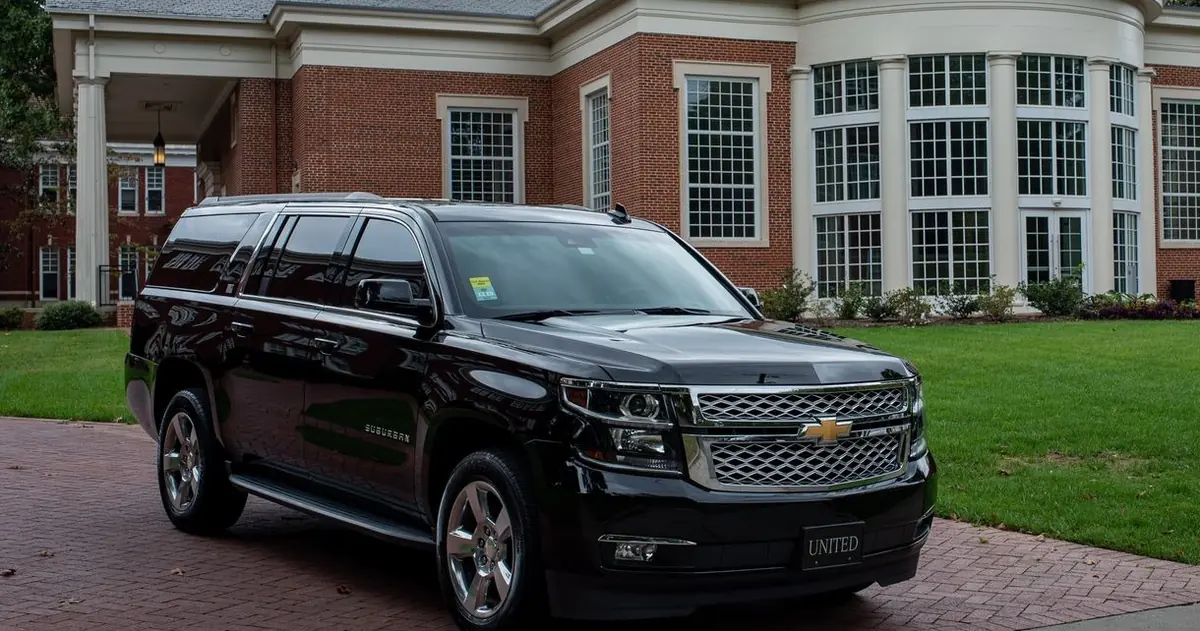 Up to 6
A fast, private ride for couples, small families, or business travelers — plenty of luggage room and a smooth, quiet cabin.
 Up to 14
Comfortable, air-conditioned seating for small and mid-size groups — our most popular option for families and friend groups traveling together.
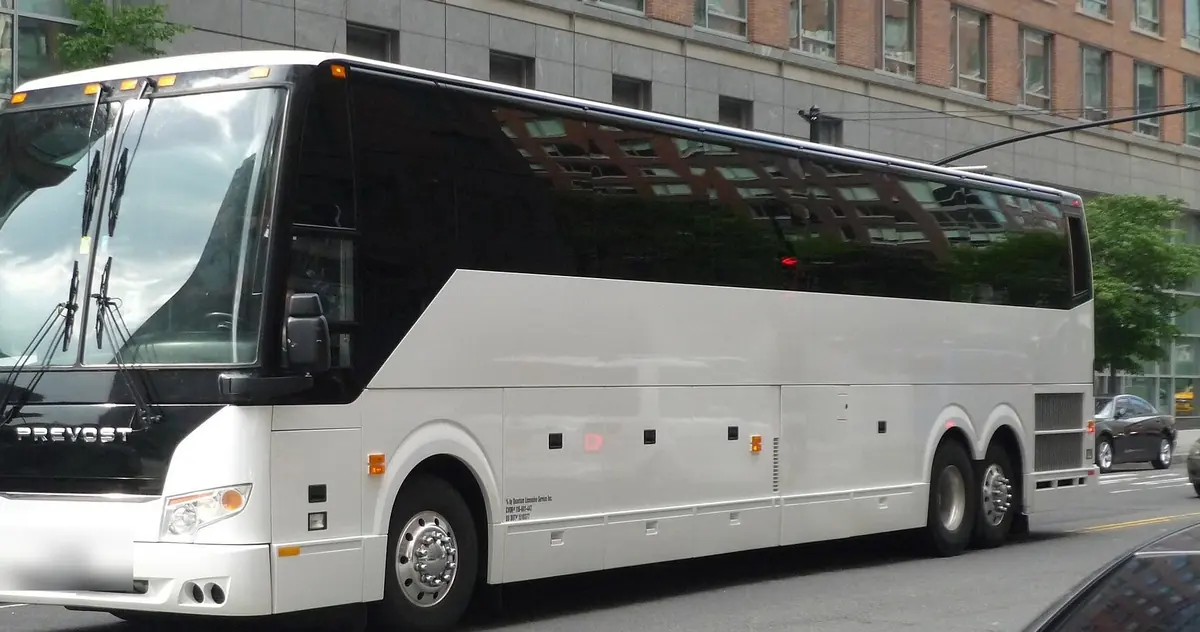 Up to 56
Our largest single vehicle — a full-size luxury motorcoach for large groups, conventions, and corporate events that still want one private tour, one vehicle.
A private day trip exploring real Suquamish Native American culture and history — a ferry to Bainbridge Island, Chief Seattle's grave, and the Suquamish Museum. This is a genuinely unique cultural and historical theme not found anywhere else on our Seattle lineup — real time with Suquamish history and Chief Seattle's actual legacy.
Chief Seattle (si’ał in Lushootseed) was born around the 1780s on the Kitsap Peninsula to a Suquamish father and a Duwamish mother, and he grew up in and around dxʷsəqʼʷəb, a Suquamish village on Agate Pass just south of present-day Suquamish — once home to the Old Man House, the largest winter longhouse recorded in what's now Washington state, in continuous use by the Suquamish for at least 2,000 years before it was destroyed by U.S. government order in 1870. In 1855, Chief Seattle was the first signatory, representing both the Suquamish and Duwamish peoples, on the Treaty of Point Elliott — the agreement that ceded roughly 2.5 million acres of Puget Sound land to the United States and established the Suquamish Port Madison Reservation, where Chief Seattle lived until his death on June 7, 1866. He's buried in the Suquamish Cemetery, which the tour visits respectfully as a real, still-active tribal burial ground, not a tourist attraction.
The city of Seattle was named in his honor by the settlers who founded their new town on the site of a Duwamish winter village — a gesture Chief Seattle himself, by most historical accounts, wasn't entirely comfortable with, since Coast Salish custom generally held that a person's name shouldn't be spoken after their death. One important honesty note: the widely-quoted "environmentalist" speech often attributed to Chief Seattle — the one about the earth not belonging to us — is not an authentic historical record. Multiple conflicting versions of a real 1854 speech exist, none fully reliable, and the famous modern version was largely written in 1970 by a screenwriter named Ted Perry for an environmental film script, only loosely inspired by what Seattle may have actually said. Your guide can speak to this directly rather than repeating the popular myth as fact.
The Suquamish Museum itself, a real tribally-owned institution standing just a few hundred feet from Chief Seattle's grave, replaced an earlier 1980s-era museum building with a new, larger facility — designed with Storyline Studio and Mithun Architects and set among native plantings of sword fern, wild currant, and cedar — to tell the Suquamish Tribe's history in its own words, through its own collections and exhibits.
Every Voyzo tour is a starting point — tell us what you have in mind and we'll build it.