TorontoOntario · 36 tours
 Niagara FallsOntario · 25 tours
 New York CityNew York · 30 tours
 Las VegasNevada · 8 tours
 San FranciscoCalifornia · 16 tours
 VancouverBritish Columbia · 17 tours
 DubaiUAE · 54 tours
 Abu DhabiUAE · 5 tours
 Buenos AiresArgentina · 23 tours
 AthensGreece · 31 tours
 AucklandNew Zealand · 38 tours
 CancunMexico · 54 tours
No destinations match “”. Try searching all tours instead — that search understands full questions, not just place names.
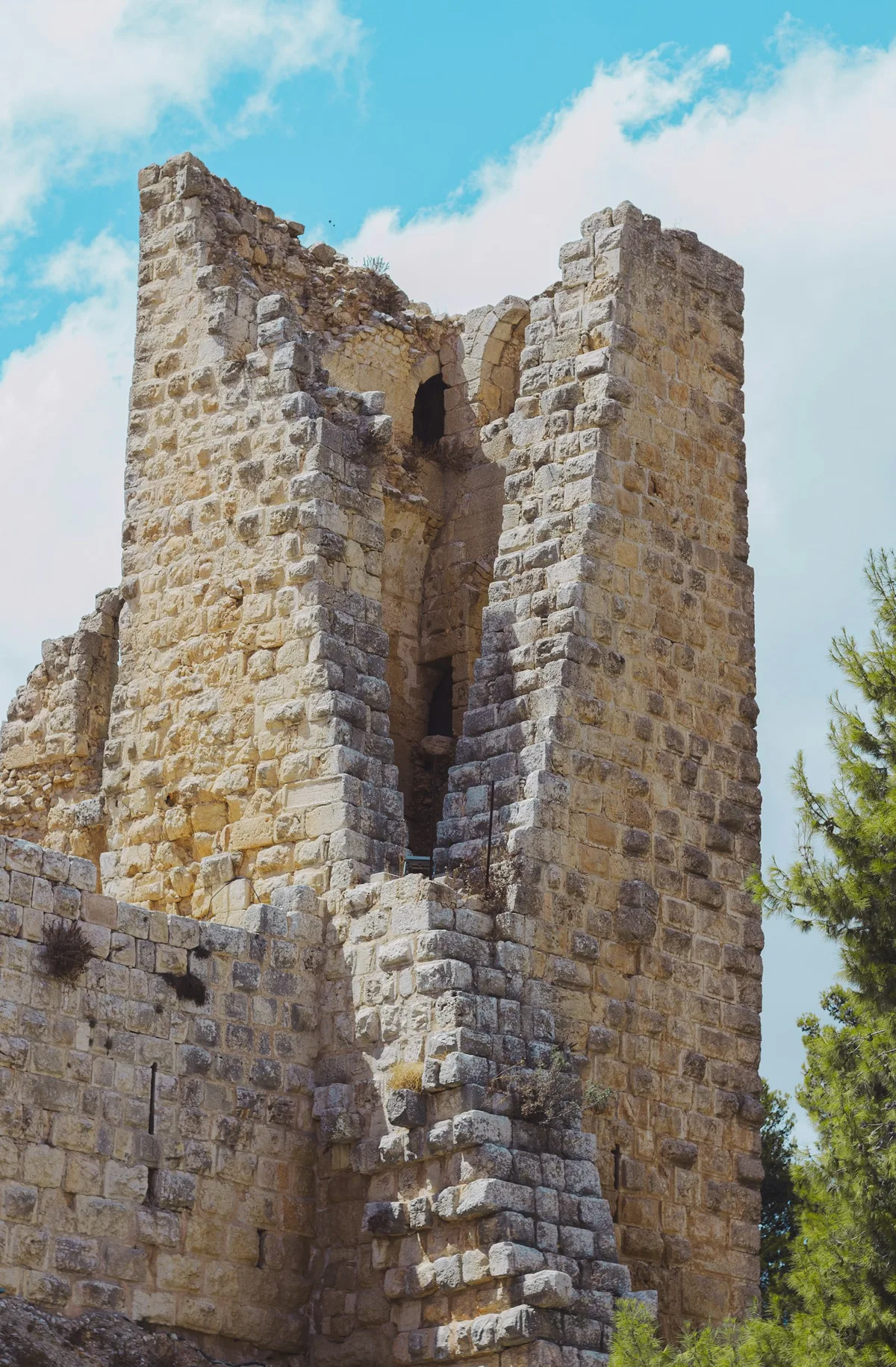
A 12th-century Islamic castle built by a nephew of Saladin on a forested hilltop in northern Jordan, constructed to defend the region against Crusader advances.
 Multi-Day Tours
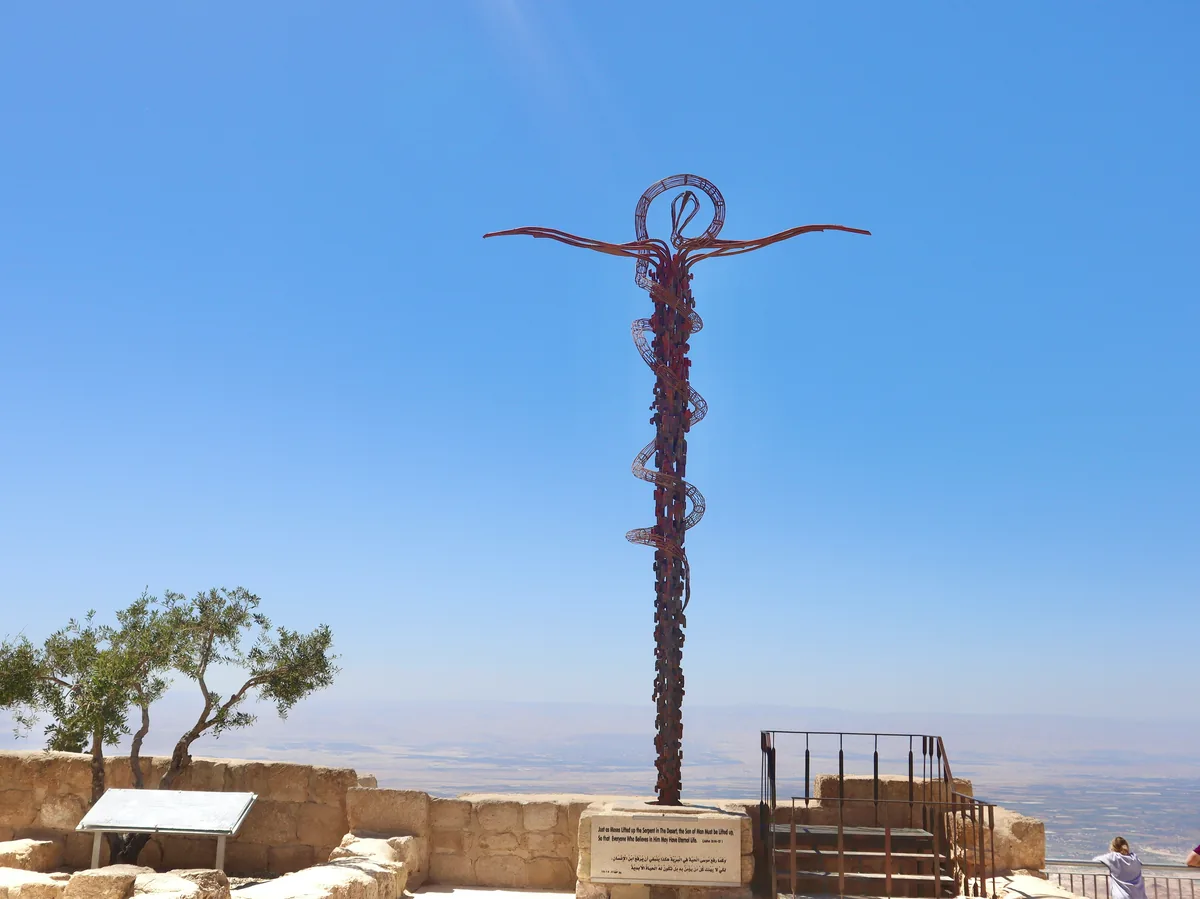
An 8-day pilgrimage route through Madaba's mosaic churches, Mount Nebo and the Bethany baptism site, the Abraham Path near Ajloun, Petra, Wadi Rum, and the Dead Sea's biblical sites.
 Multi-Day Tours
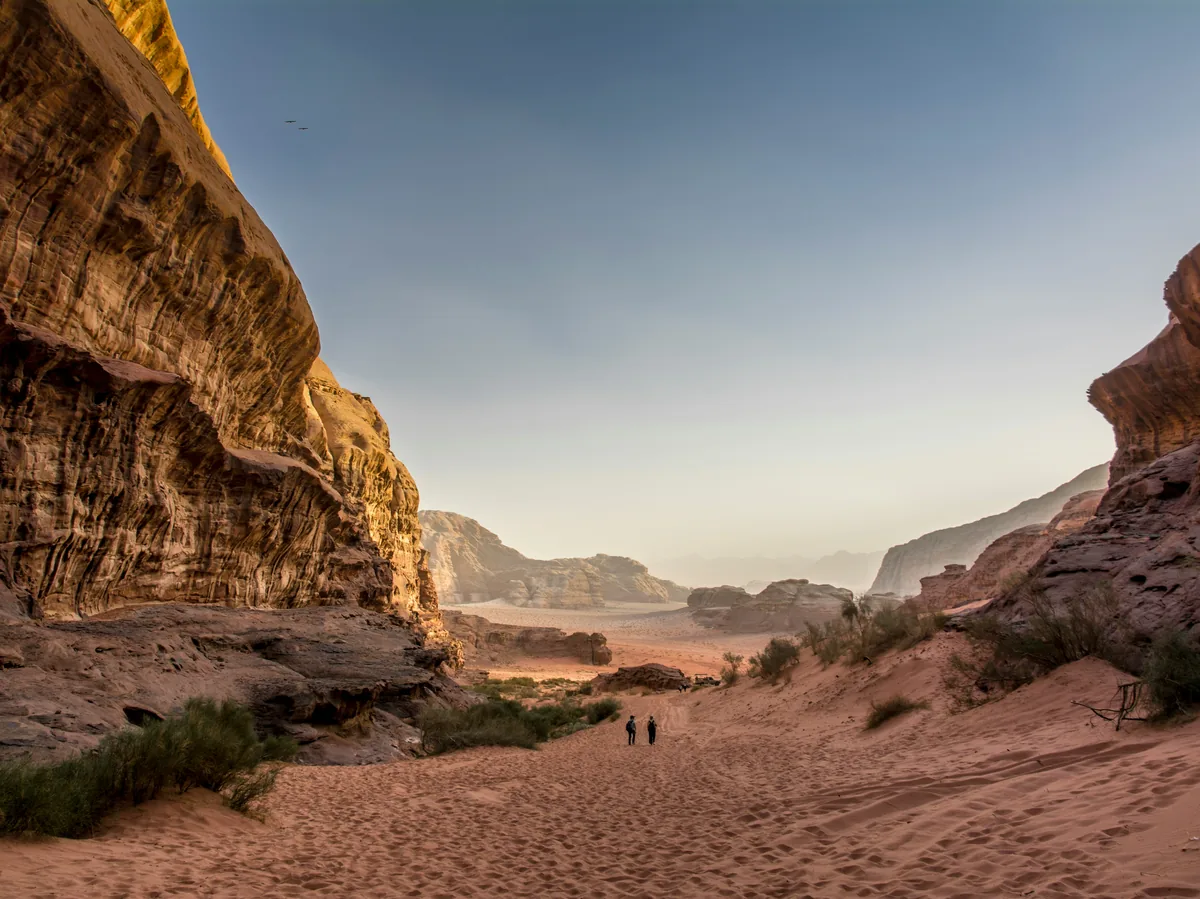
A 10-day hiking route through Ajloun Forest Reserve, the Azraq Wetlands, Wadi Mujib's Siq Trail, the Dana Nature Reserve, Feynan Ecolodge, and a hike into Petra before finishing at Wadi Rum.
 Multi-Day Tours
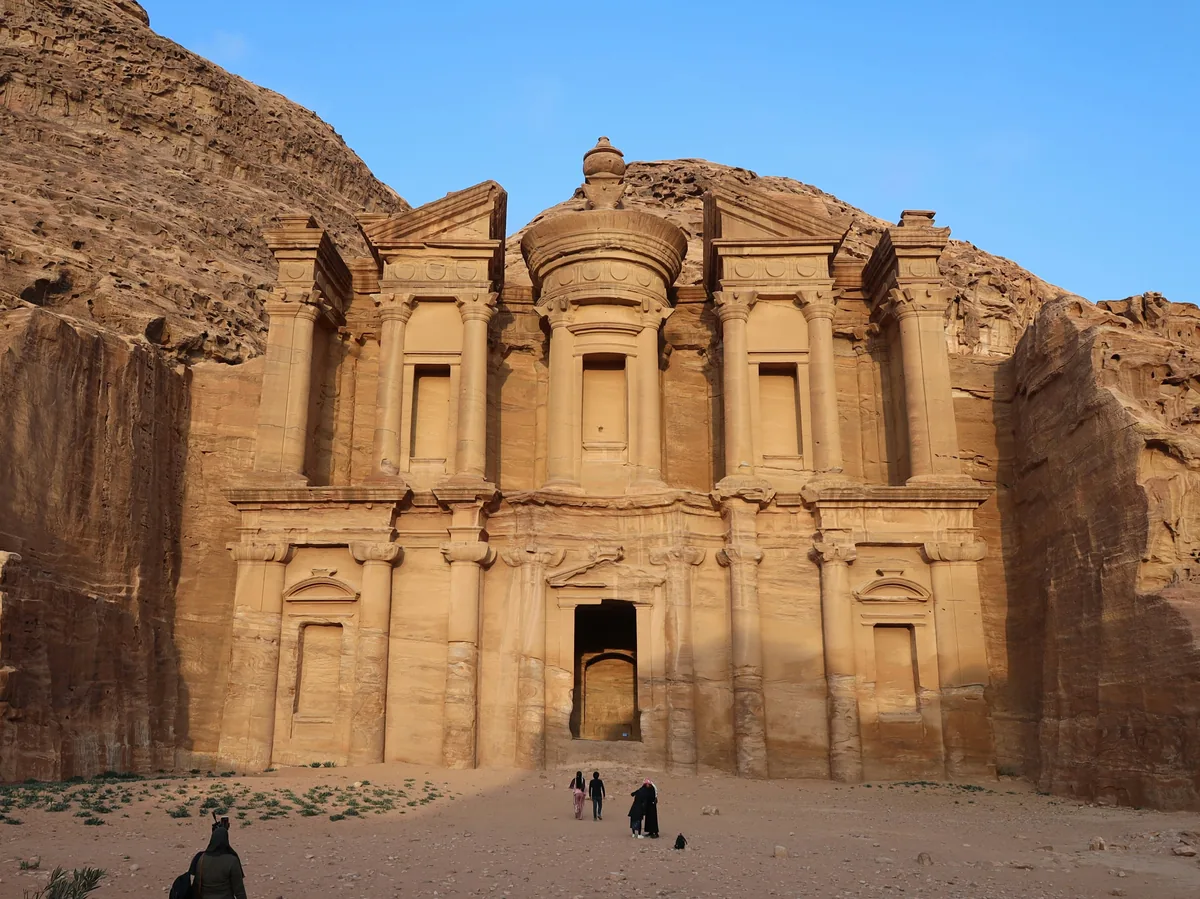
A 12-day route balancing Jordan's headline sights — Jerash, Petra, and Wadi Rum — with beach time in Aqaba, hiking in the Dana Nature Reserve and Wadi Mujib, and a relaxing day at the Dead Sea.
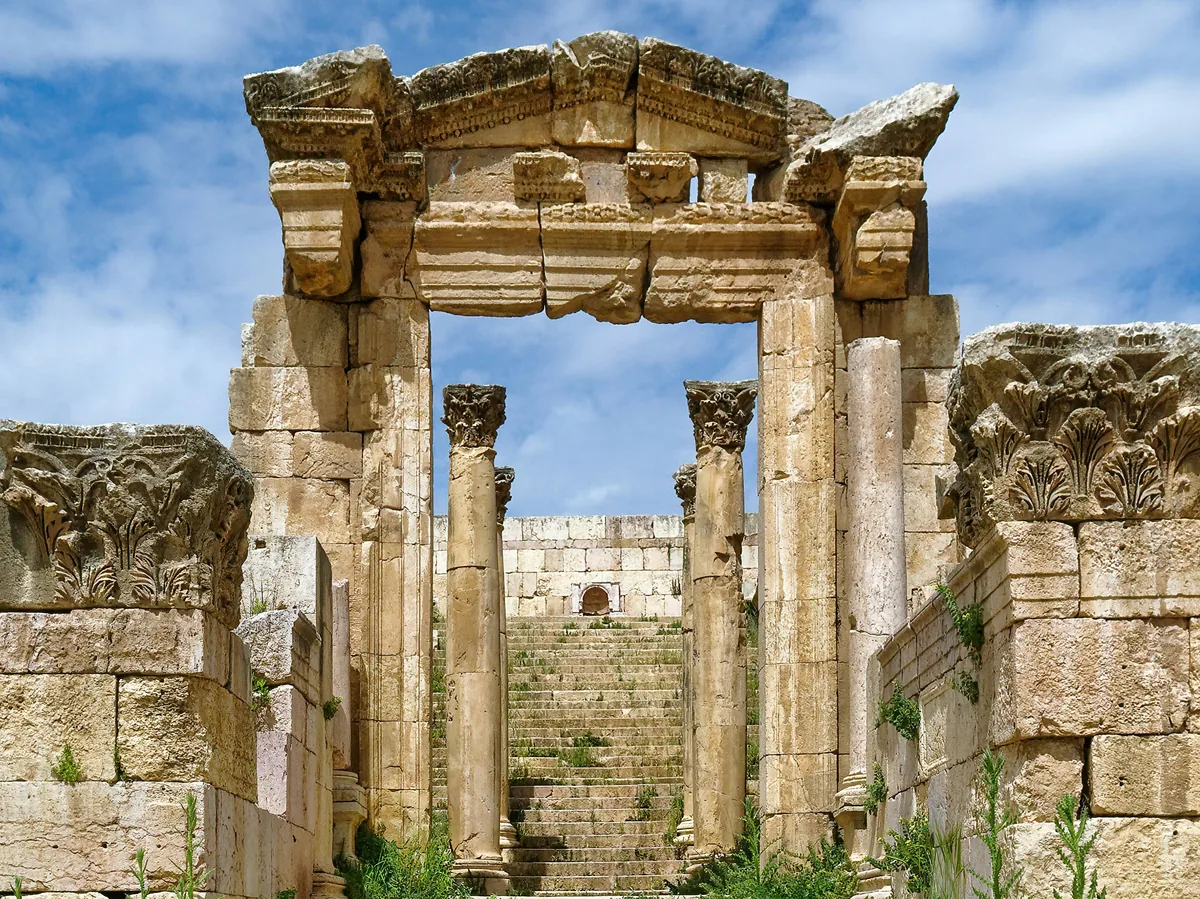 Multi-Day Tours
A 9-day culinary and cultural route through Jerash's Greco-Roman ruins, a cooking class in Petra, a Bedouin dinner in Wadi Rum, and wine and beer tastings back in Amman.
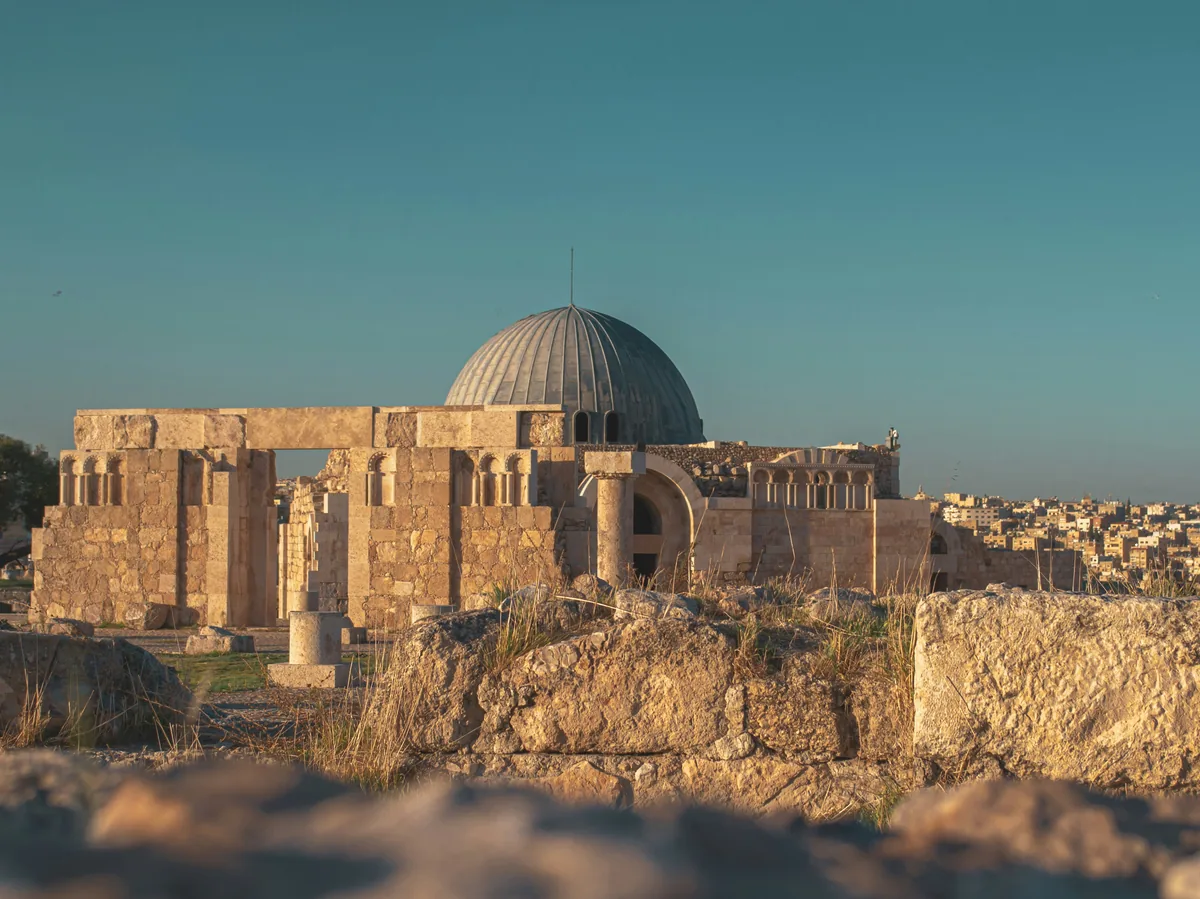 Multi-Day Tours
A 10-day cultural sweep from Amman's Citadel and downtown souks through Jerash, Umm Qais, the Umayyad desert castles, Madaba, Petra, Wadi Rum, and the Dead Sea.
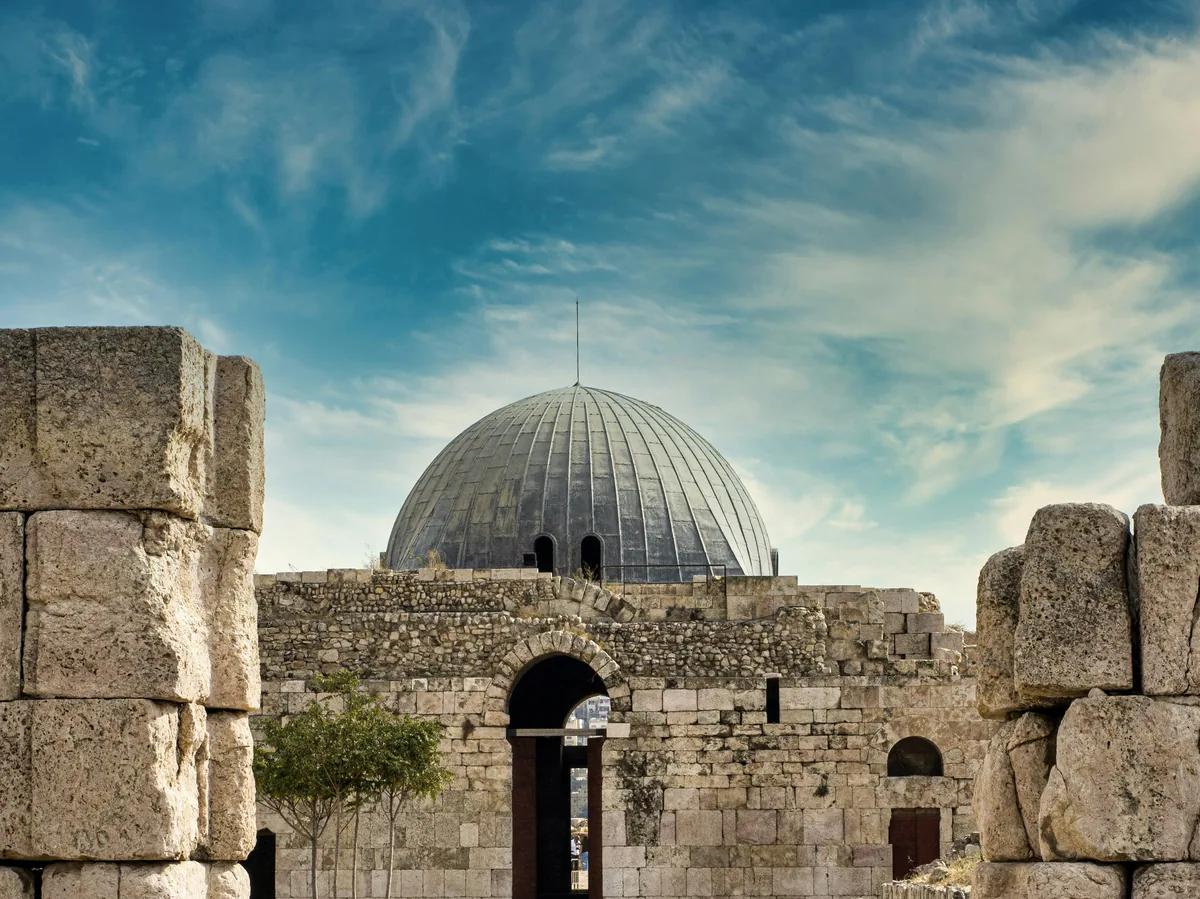 Multi-Day Tours
An 8-day loop starting and ending in Aqaba, covering Wadi Rum, Petra, the Dead Sea, the Bethany baptism site, Madaba, Jerash, Ajloun Castle, and Amman's Citadel.
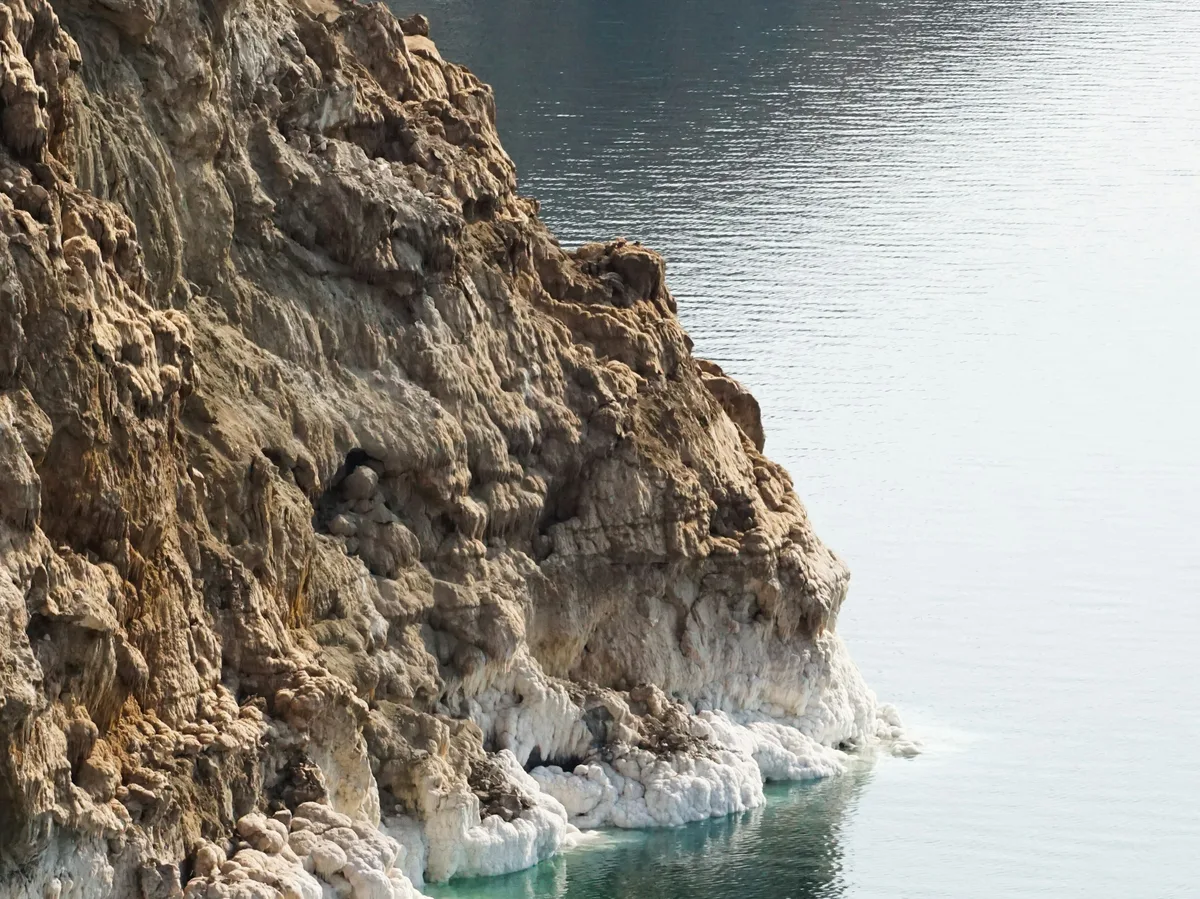 Multi-Day Tours
A fast-paced loop from the Dead Sea to Kerak Castle, Petra, and a Wadi Rum desert camp, finishing with an Amman city tour and the Roman ruins of Jerash and Ajloun.
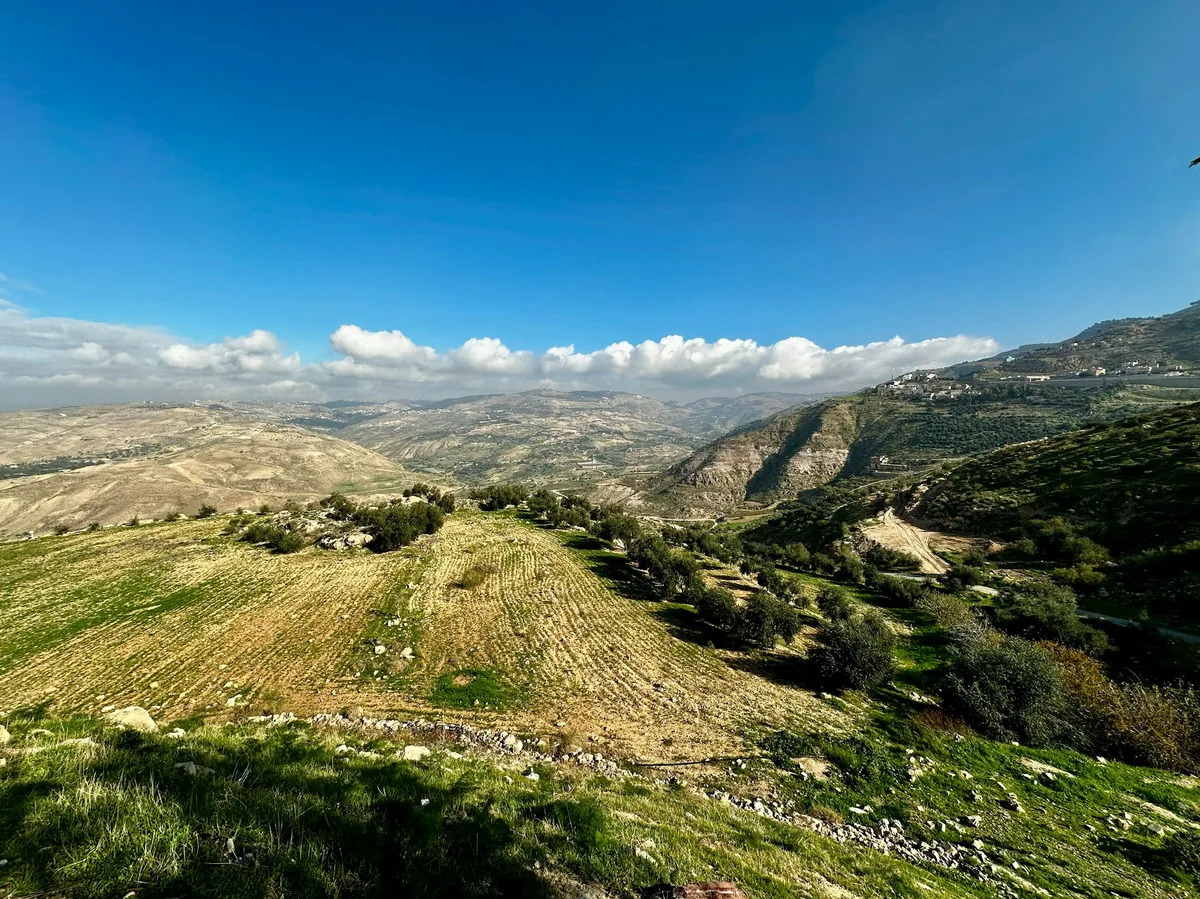 Multi-Day Tours
A nine-day mix of desert history and nature reserves — the Umayyad desert castles, the Dead Sea, hiking in the Dana and Mujib reserves, Petra on horseback, and a Wadi Rum camp night.
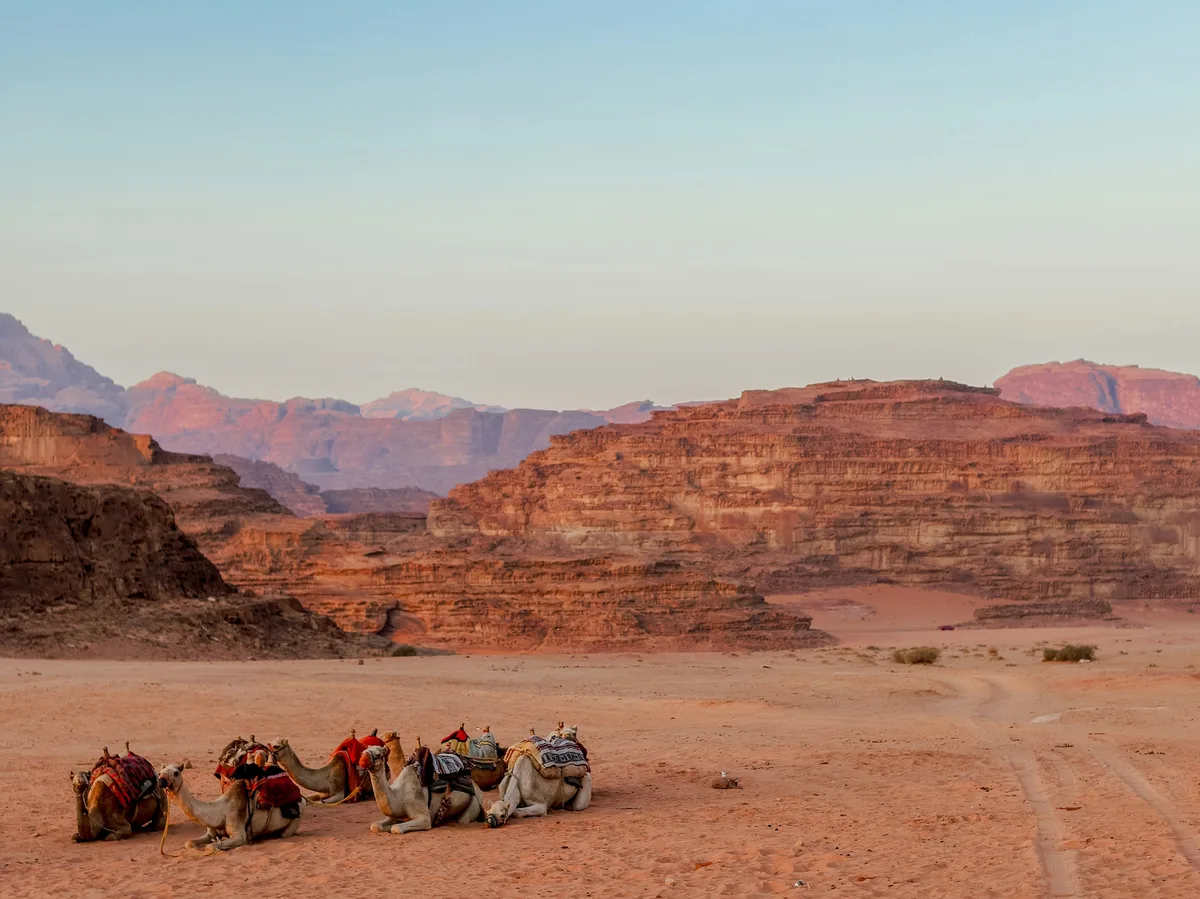 Multi-Day Tours
Follows in the footsteps of T.E. Lawrence through the desert castles, Umm Qais, Petra, and two nights in the Wadi Rum desert he made famous, finishing at the Dead Sea.
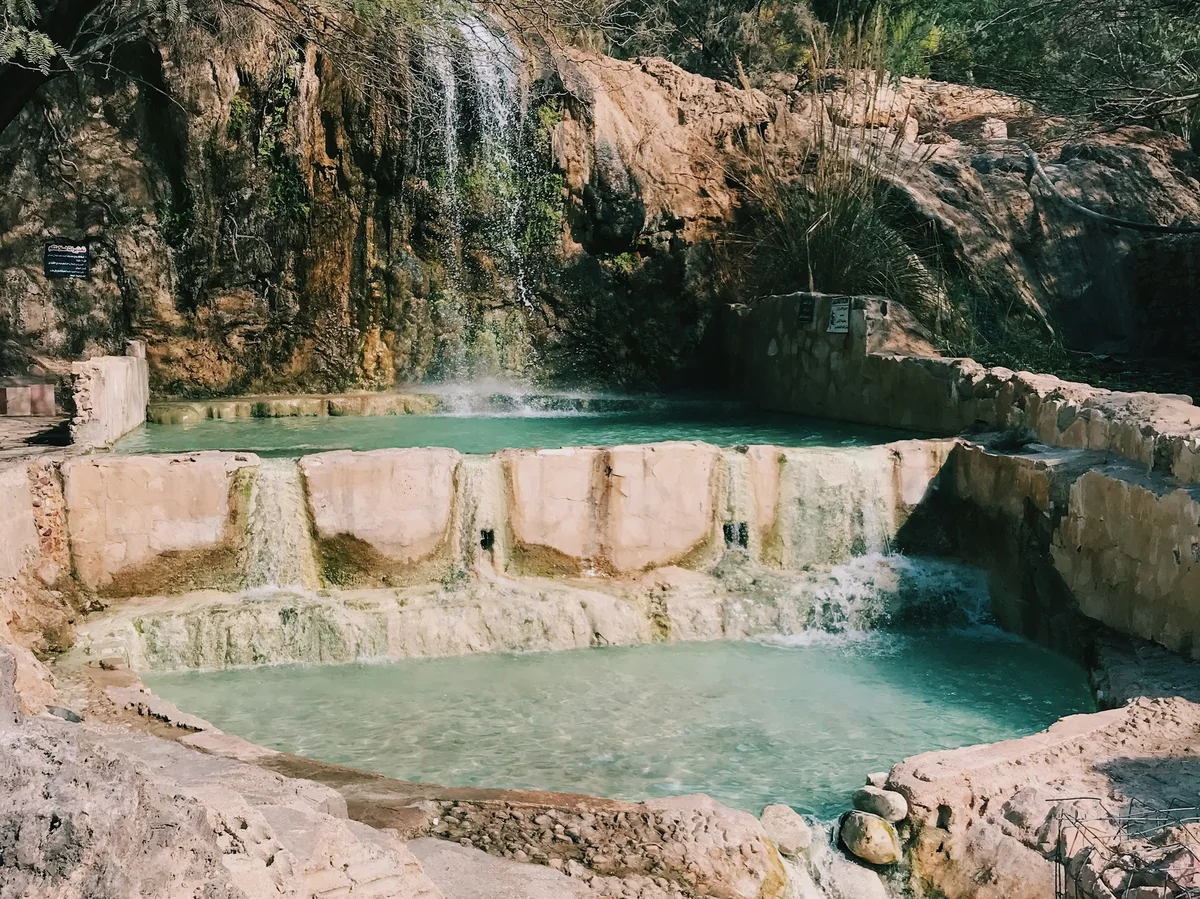 Multi-Day Tours
A trail-by-trail hiking itinerary through Jordan's nature reserves — the White Dome Trail in Dana, the Monastery hike in Petra, Wadi Rum's Raqaba Canyon, the Mujib Siq Trail, and Ajloun's Rasoun Trail.
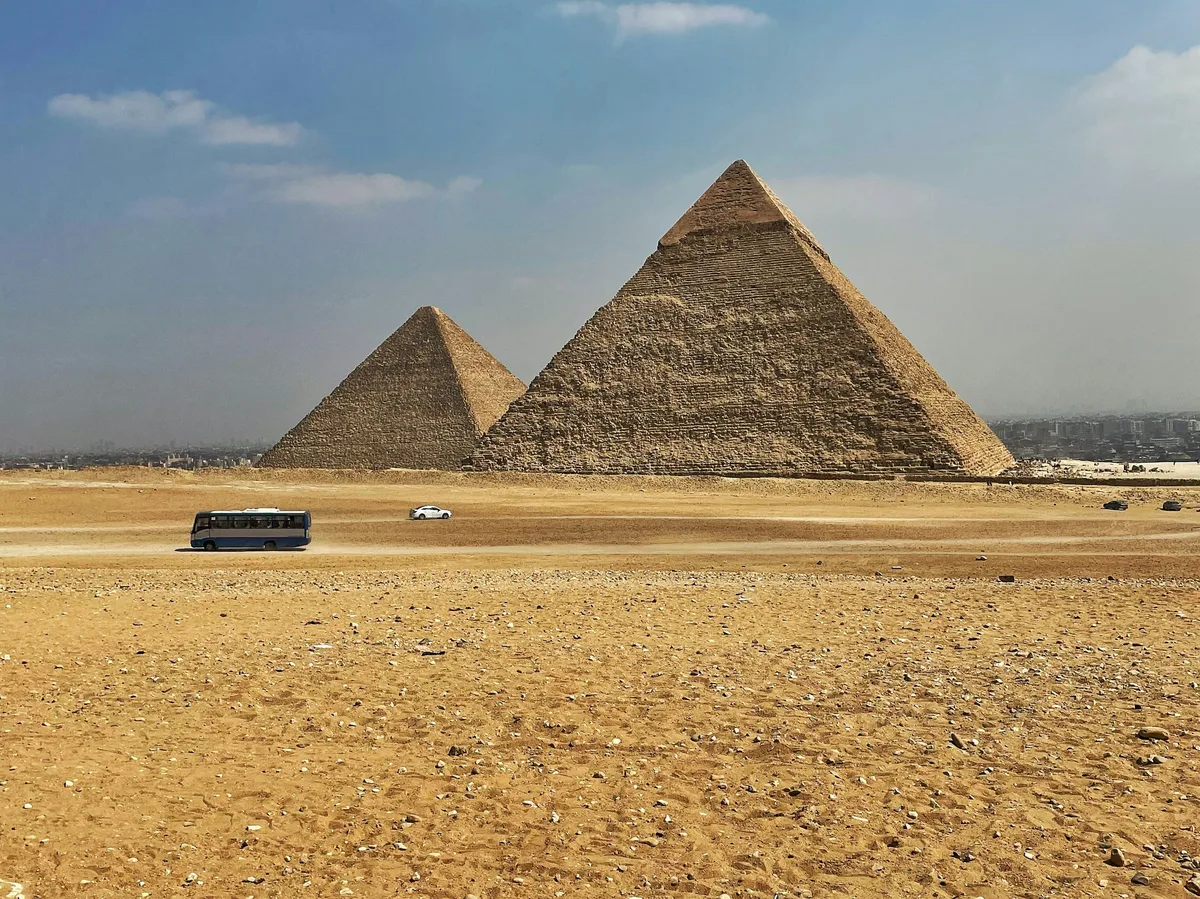 Multi-Day Tours
A two-country adventure opening with three days in Cairo — the pyramids, Sakkara, and the Egyptian Museum — before flying to Jordan for Amman, Jerash, Mount Nebo, Petra, Wadi Rum, and the Dead Sea.
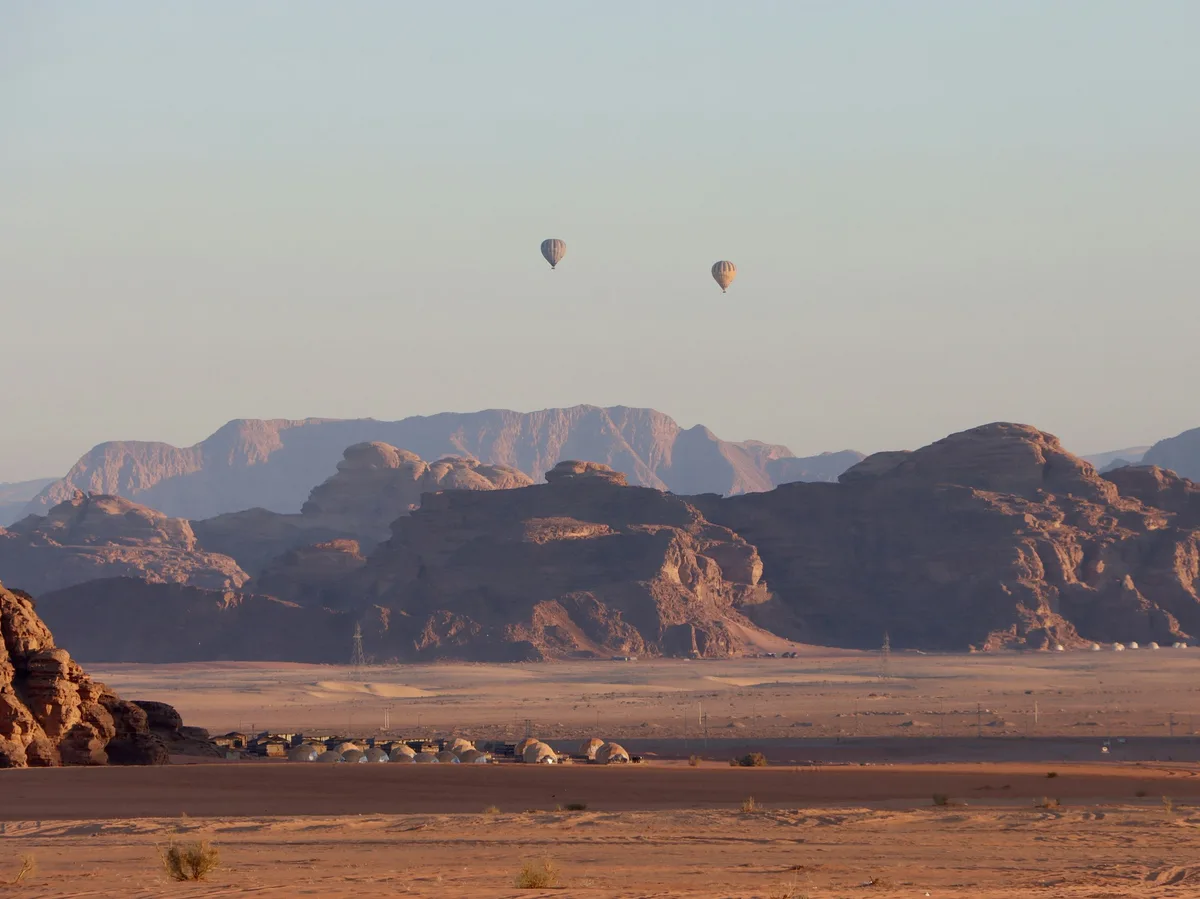 Multi-Day Tours
A boutique-hotel itinerary through Jordan's highlights, capped with a hot air balloon ride over Wadi Rum and a private snorkeling cruise in Aqaba.
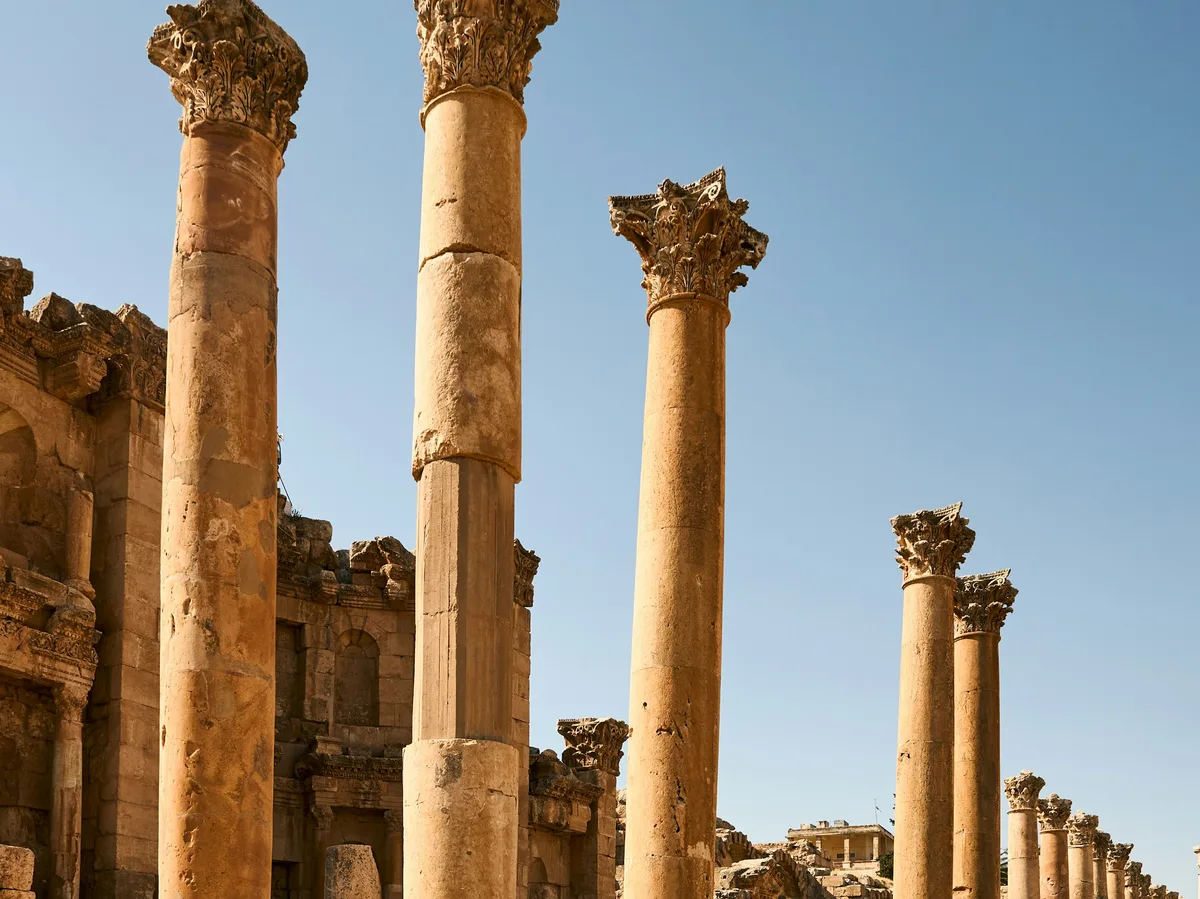 Multi-Day Tours
A ten-day survey of Jordan's history — Amman's Citadel, the Umayyad desert castles, Jerash, Madaba's mosaics, Kerak, Petra, Wadi Rum, and Aqaba's Red Sea coast.
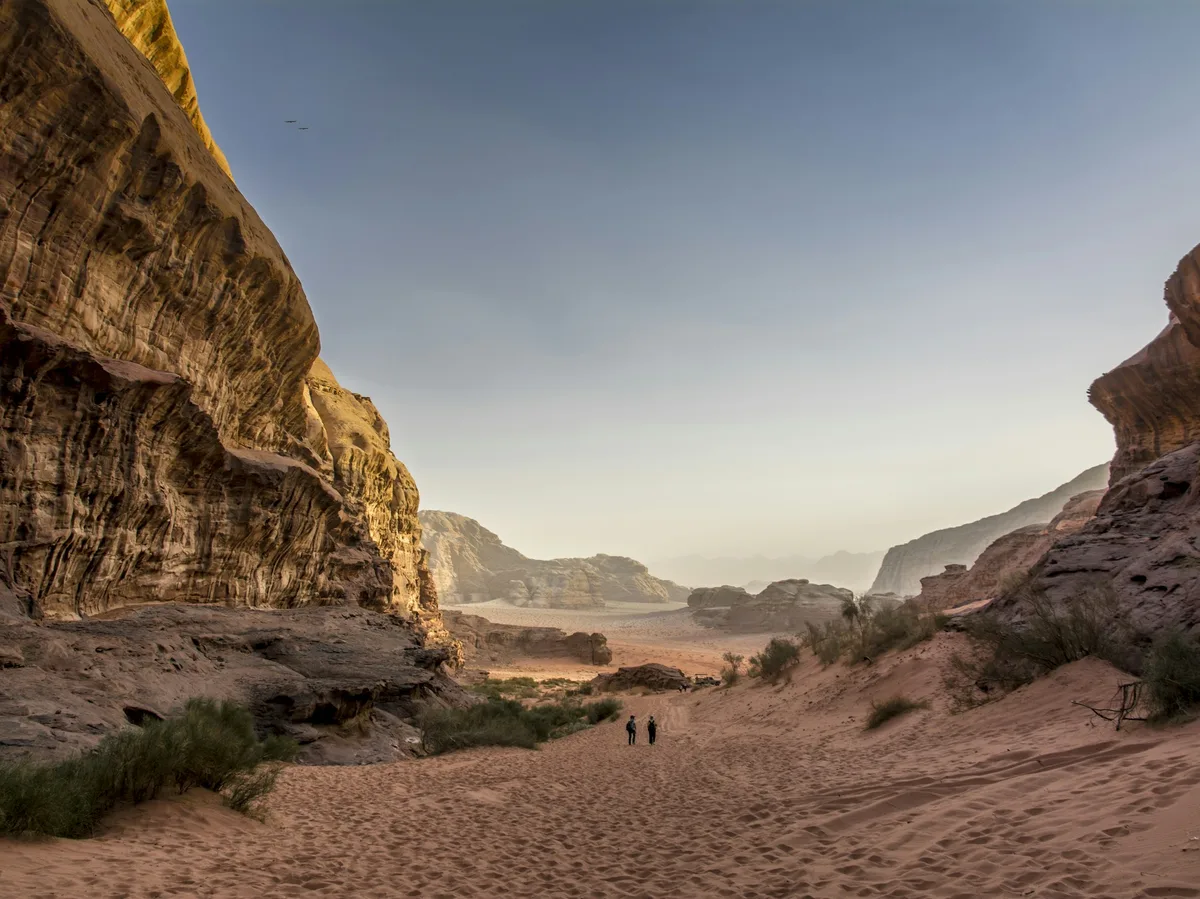 Multi-Day Tours
A reserve-by-reserve tour of Jordan's landscapes — the Azraq Wetland Reserve, Ajloun's Soap House Trail, a Wadi Mujib canyon hike, Dana Biosphere Reserve, Petra, Wadi Rum, and the Dead Sea.
Visitor guide
Ajloun Castle, or Qal'at Ajloun, is a 12th-century Muslim castle on a hilltop in northwestern Jordan. Also called the Castle of Saladin and, in the Middle Ages, Qal'at ar-Rabad, it was built to guard the region against Crusader advances and to protect nearby iron mines.
The castle stands in the Mount Ajloun district, also called Jabal Auf after an Arab tribe that lived there in the 12th century. The name Ajloun is traditionally linked to a Byzantine-period monk who lived on the mountain, and excavations found traces of an older monastery on the site. The medieval name Rabad refers to the settlement that grew up around the castle, described as the castle with the suburbs, which became the present town of Ajloun.
Izz al-Din Usama, a general in Saladin's army, rebuilt the site as a castle in 1184, with some sources giving 1185 as the completion date. Wikipedia lists several purposes: controlling the road between Damascus and Egypt, keeping in check the Bedouin tribes of Jabal Auf who had allied with the Crusaders, guarding against incursions from the west and south, and protecting the iron mines of Ajloun. From its height the castle overlooked the northern Jordan Valley and controlled three passages, Wadi Kufranjah, Wadi Rajeb and Wadi al-Yabis. The original design had four corner towers linked by curtain walls, a double gate, arrow slits and a moat about 16 metres wide and 12 to 15 metres deep.
In 1214 to 1215 a Mamluk governor, Aibak ibn Abdullah, added a southeast tower and built a gate. In the mid-13th century the castle was given to Yousef ibn Ayoub, emir of Aleppo and Damascus, who restored the northeastern tower and used it as an administrative centre. The Mongols destroyed parts of the castle, including its battlements, in 1260. After the Mamluk victory at Ain Jalut, Sultan Baibars restored it and cleared the moat, and it was afterward used to store crops and provisions. An inscription in the southwestern tower records a later renovation by Izz ad-Din Aibak.
Under the Ottomans a garrison of about fifty soldiers was stationed here. In the early 1600s the Druze prince Fakhr ad-Din al-Ma'ni II used the castle in his conflict with Ahmad ibn Tarbay and supplied it with troops and ammunition. In 1812 the Swiss traveller Johann Ludwig Burckhardt found about forty people living inside. Major earthquakes damaged the castle in 1837 and 1927.
Jordan's Department of Antiquities has since restored and consolidated the walls and rebuilt the bridge over the moat. Many areas can be explored, and a small museum displays artifacts from different periods of the region's history. The castle sits on a wooded hill with views over the surrounding valleys.
Ajloun lies in the hills northwest of Amman, and it is often paired with Jerash on a single day by private vehicle and driver, with a guide to explain the castle's layers of Ayyubid and Mamluk building.
See every tour and attraction we cover in Jordan.