TorontoOntario · 36 tours
 Niagara FallsOntario · 25 tours
 New York CityNew York · 30 tours
 Las VegasNevada · 8 tours
 San FranciscoCalifornia · 16 tours
 VancouverBritish Columbia · 17 tours
 DubaiUAE · 54 tours
 Abu DhabiUAE · 5 tours
 Buenos AiresArgentina · 23 tours
 AthensGreece · 31 tours
 AucklandNew Zealand · 38 tours
 CancunMexico · 54 tours
No destinations match “”. Try searching all tours instead — that search understands full questions, not just place names.
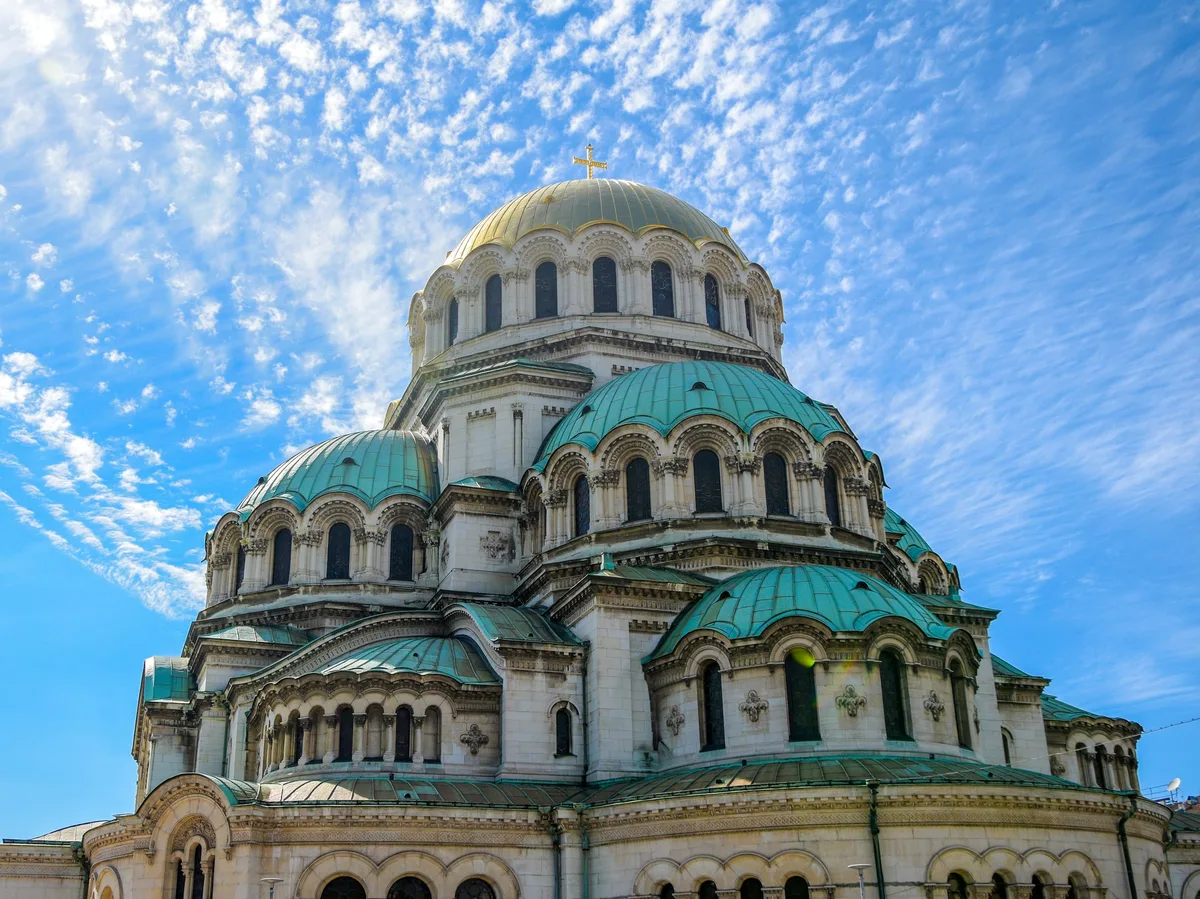
The neo-Byzantine cathedral in central Sofia is one of the largest Eastern Orthodox churches in the world and the city's best-known landmark.
 Multi-Day Tours
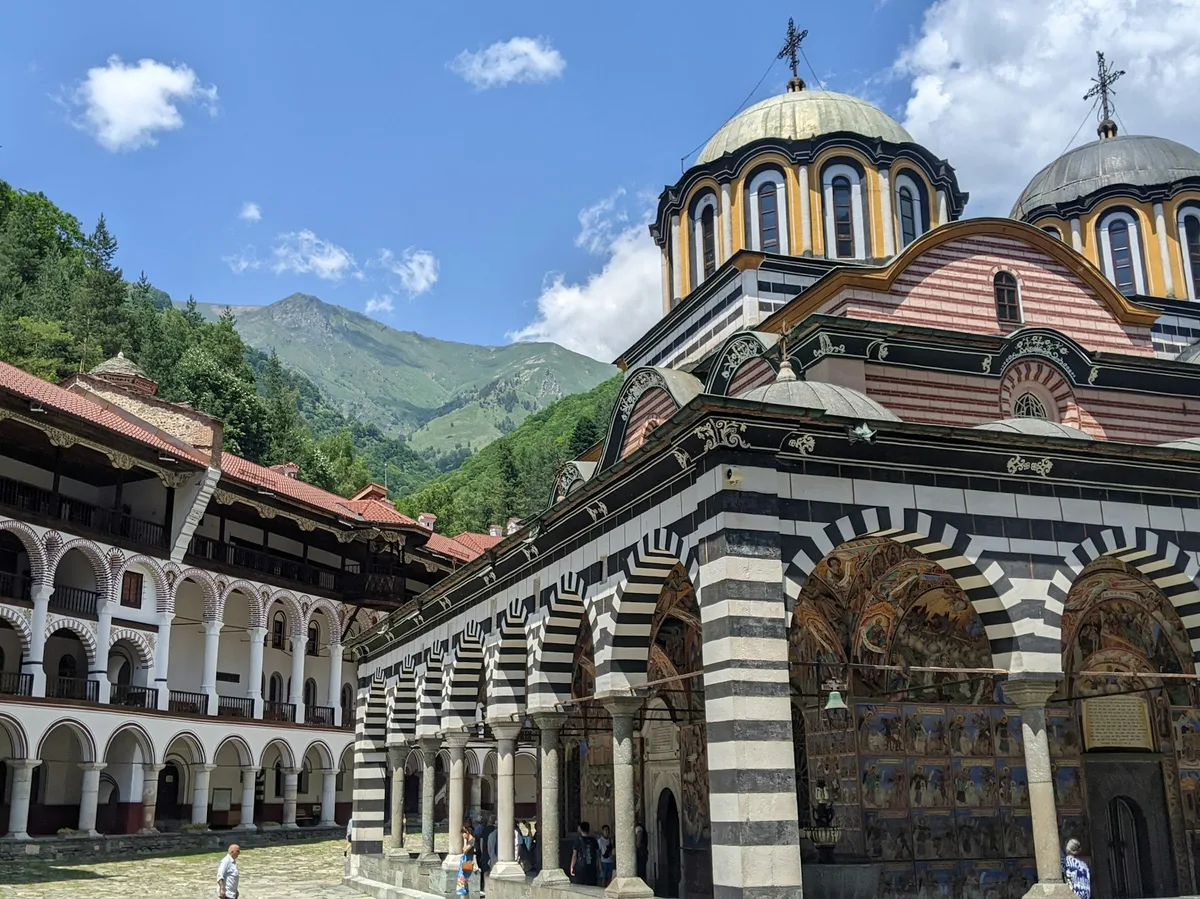
An 8-day private circuit built for photographers, from Sofia's cathedrals to Rila Monastery, a scenic mountain train through the Rhodopes, the Valley of Roses, and the fortress town of Veliko Tarnovo.
 Multi-Day Tours
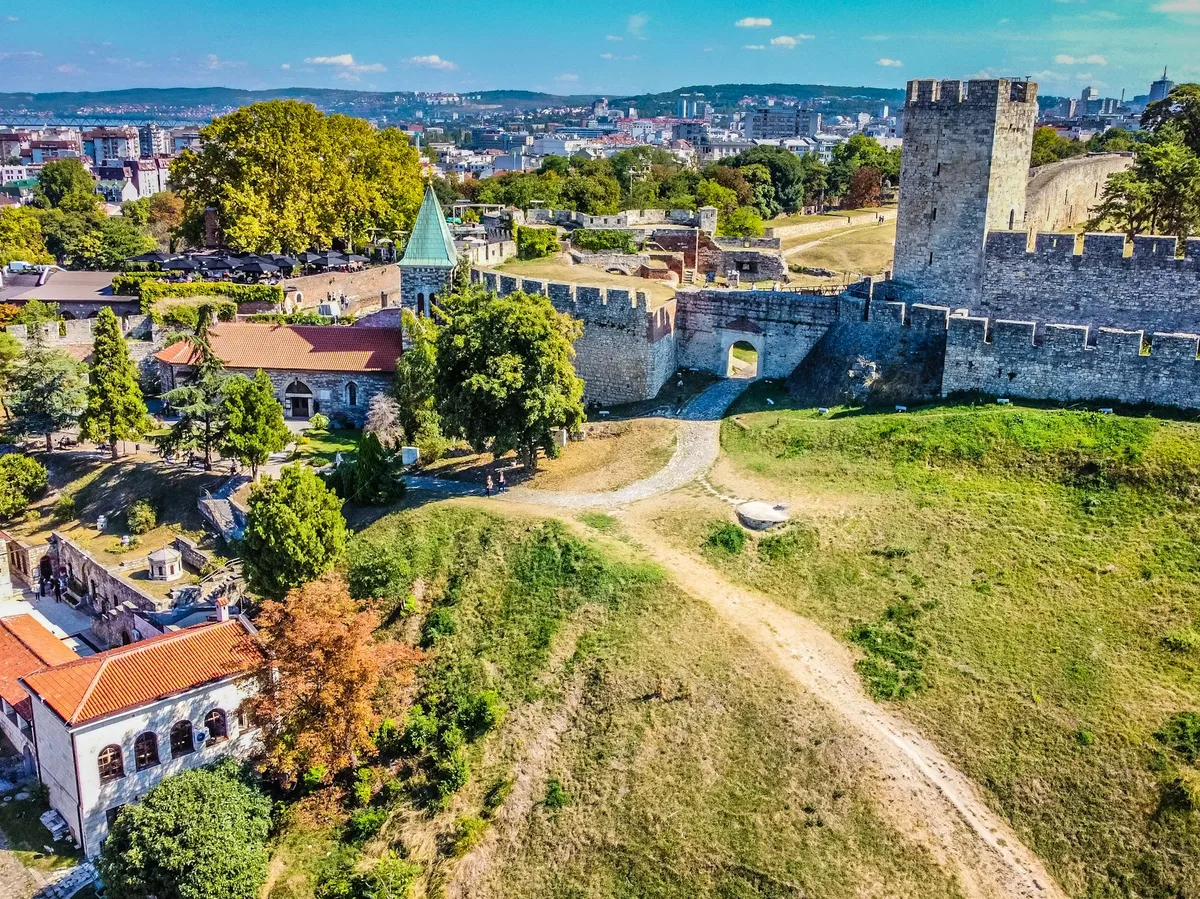
An 8-day journey pairing Serbia and Bulgaria — starting in Belgrade's fortresses and royal complexes, then crossing into Bulgaria for Sofia, Plovdiv, the Valley of Roses, Veliko Tarnovo, and the Belogradchik Rocks.
 Multi-Day Tours Popular Pick
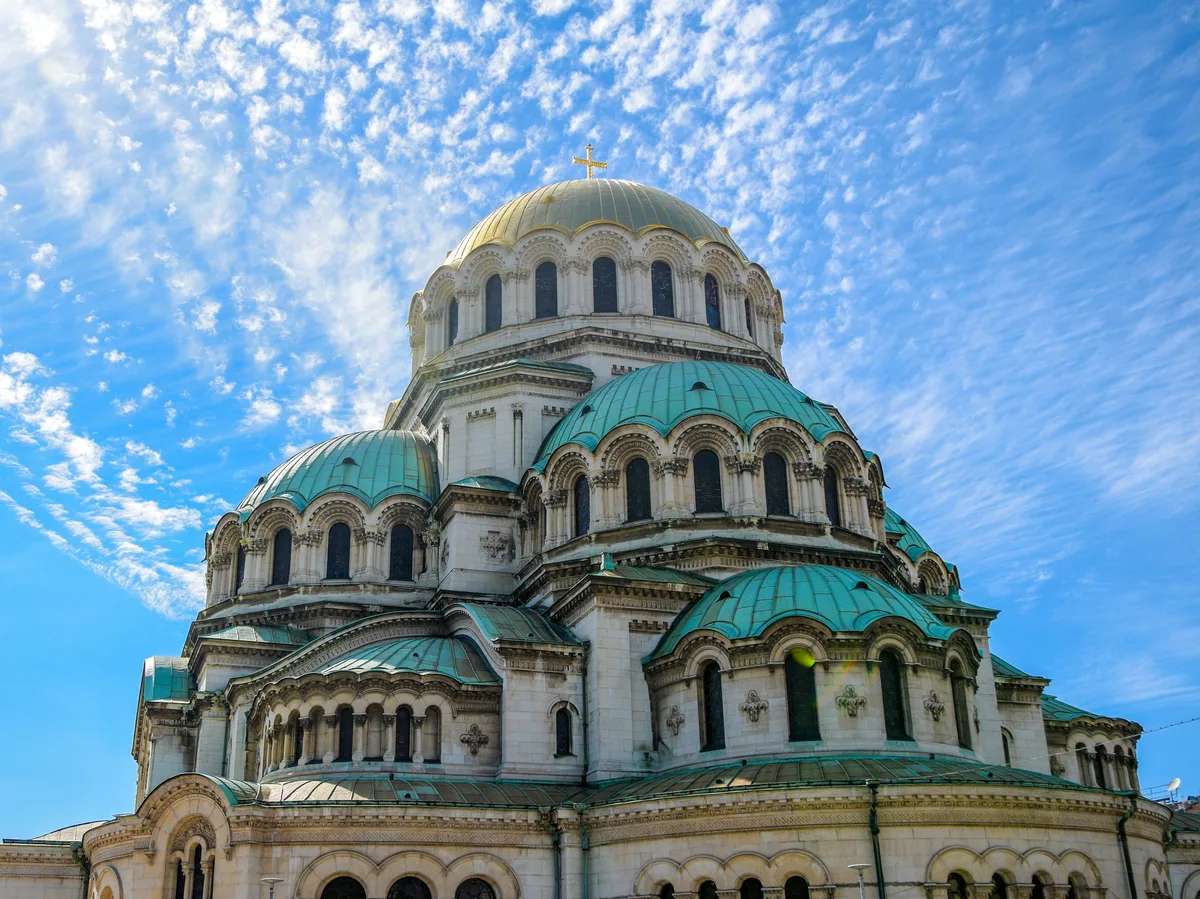
An 8-day deep dive into Bulgaria's Thracian and Roman past — Sofia, the Starosel Thracian royal complex, the Valley of Roses, the Rhodope sanctuaries of Orpheus, Perperikon, Plovdiv, and Rila Monastery.
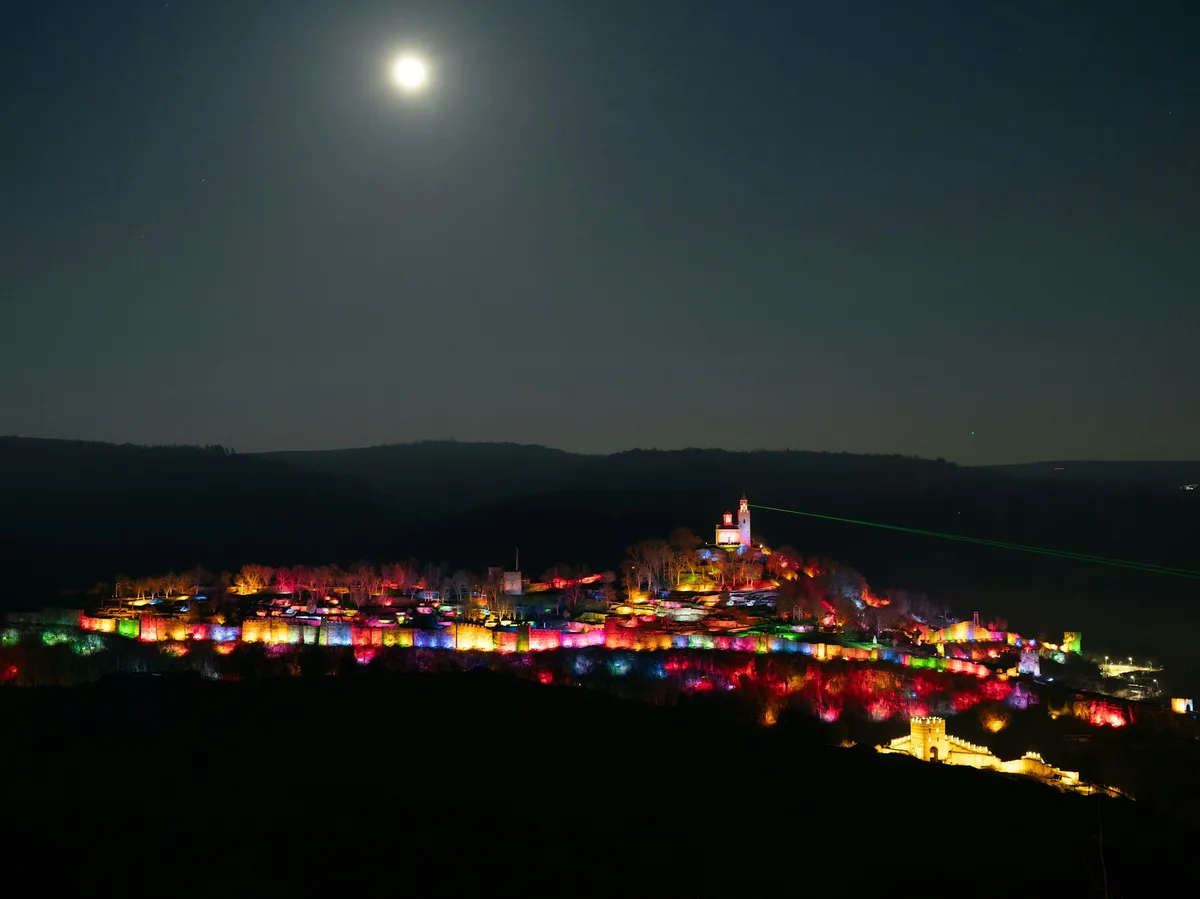 Multi-Day Tours
An 8-day route through Bulgaria's old and new capitals — Sofia and Veliko Tarnovo — before crossing into Romania for Bucharest and the historic capitals of Targoviste, Curtea de Argeș, and Alba Iulia.
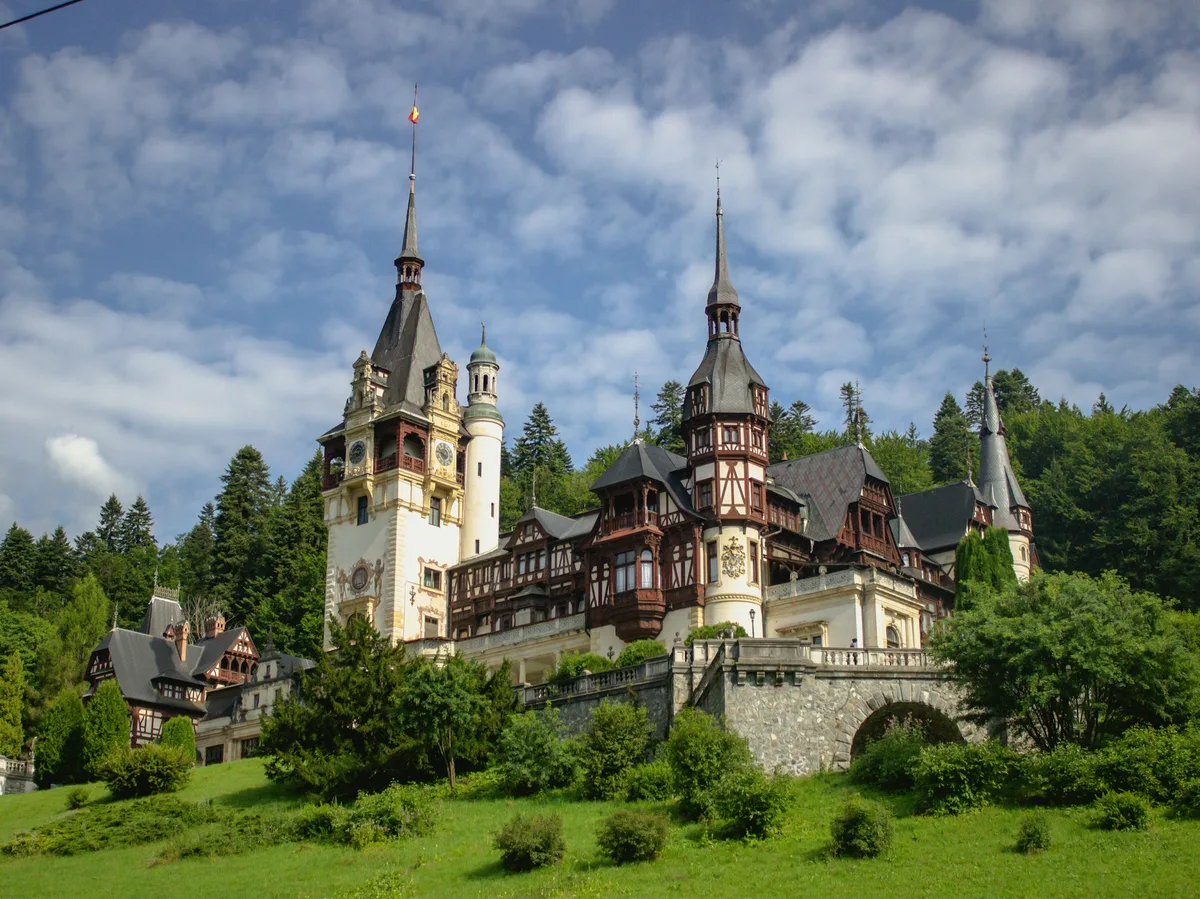 Multi-Day Tours
Voyzo's longest itinerary — a guided 21-day journey from Sofia through Bulgaria's Rila Monastery, Plovdiv, the Black Sea coast, and Veliko Tarnovo, before crossing into Romania for Bucharest, Transylvania's painted monasteries, Bran and Peleș castles, and Sighișoara.
Visitor guide
Saint Alexander Nevsky Cathedral is a Neo-Byzantine Bulgarian Orthodox cathedral in Sofia, serving as the cathedral church of the Patriarch of Bulgaria. Its gold-plated central dome and bell tower make it a defining landmark of the capital, and it is counted among the ten largest Eastern Orthodox church buildings.
The cathedral was built to honour the Russian soldiers who died in the Russo-Turkish War of 1877 to 1878, which led to Bulgaria's liberation from Ottoman rule. Planning started on 19 February 1879, and the groundbreaking took place on 3 March 1882. The final design was finished in 1898, and most of the building went up between 1904 and 1912. It was consecrated on 12 September 1924 and declared a cultural monument in 1955.
Alexander Pomerantsev designed it, aided by Alexander Smirnov and Alexander Yakovlev, and radically changed Ivan Bogomolov's earlier 1884 to 1885 project. The result is a cross-domed basilica with an emphasised central dome. The building covers 3,170 square metres, with a length of 73.5 metres and a width of 52.2 metres, and has a capacity given as 5,000 worshippers. During the First World War it was briefly renamed the Sts. Cyril and Methodius Cathedral, from 1916 to 1920.
The gold-plated dome is 45 metres high, or 46.3 metres with the cross, and the bell tower reaches 53 metres. The central nave has a roof span of 28 metres. The cathedral has 12 bells totalling 23 tonnes, from 12 tonnes down to 10 kilograms, and the Lord's Prayer is inscribed in thin gold letters around the central dome.
Contributors included Petko Momchilov, Yordan Milanov, Haralampi Tachev, Ivan Mrkvicka, Vasily Bolotnov, Nikolay Bruni, Alexander Kiselyov and Anton Mitov, among many others. The marble and lighting fixtures were made in Munich, the metal gate elements in Berlin, and the gates in Vienna. The mosaics came from Venice, and the interior uses Italian marble, Brazilian onyx and alabaster. The wide range of international craftsmanship shows how the cathedral was conceived as a national monument.
The crypt holds a museum of Bulgarian icons that is part of the National Art Gallery. The cathedral claims one of Europe's largest collections of Orthodox icons, though Wikipedia flags this as lacking a citation. A case to the left of the altar holds relics of Alexander Nevsky given by the Russian Orthodox Church, which appear to be a piece of a rib, again without a citation in the article. Several smaller Bulgarian churches are described as copies of the cathedral.
The cathedral sits in the centre of Sofia and is easy to combine with the capital's other sights. A private guided visit helps explain the iconography and the history of the 1877 to 1878 war that the building commemorates.
See every tour and attraction we cover in Bulgaria.