TorontoOntario · 36 tours
 Niagara FallsOntario · 25 tours
 New York CityNew York · 30 tours
 Las VegasNevada · 8 tours
 San FranciscoCalifornia · 16 tours
 VancouverBritish Columbia · 17 tours
 DubaiUAE · 54 tours
 Abu DhabiUAE · 5 tours
 Buenos AiresArgentina · 23 tours
 AthensGreece · 31 tours
 AucklandNew Zealand · 38 tours
 CancunMexico · 54 tours
No destinations match “”. Try searching all tours instead — that search understands full questions, not just place names.
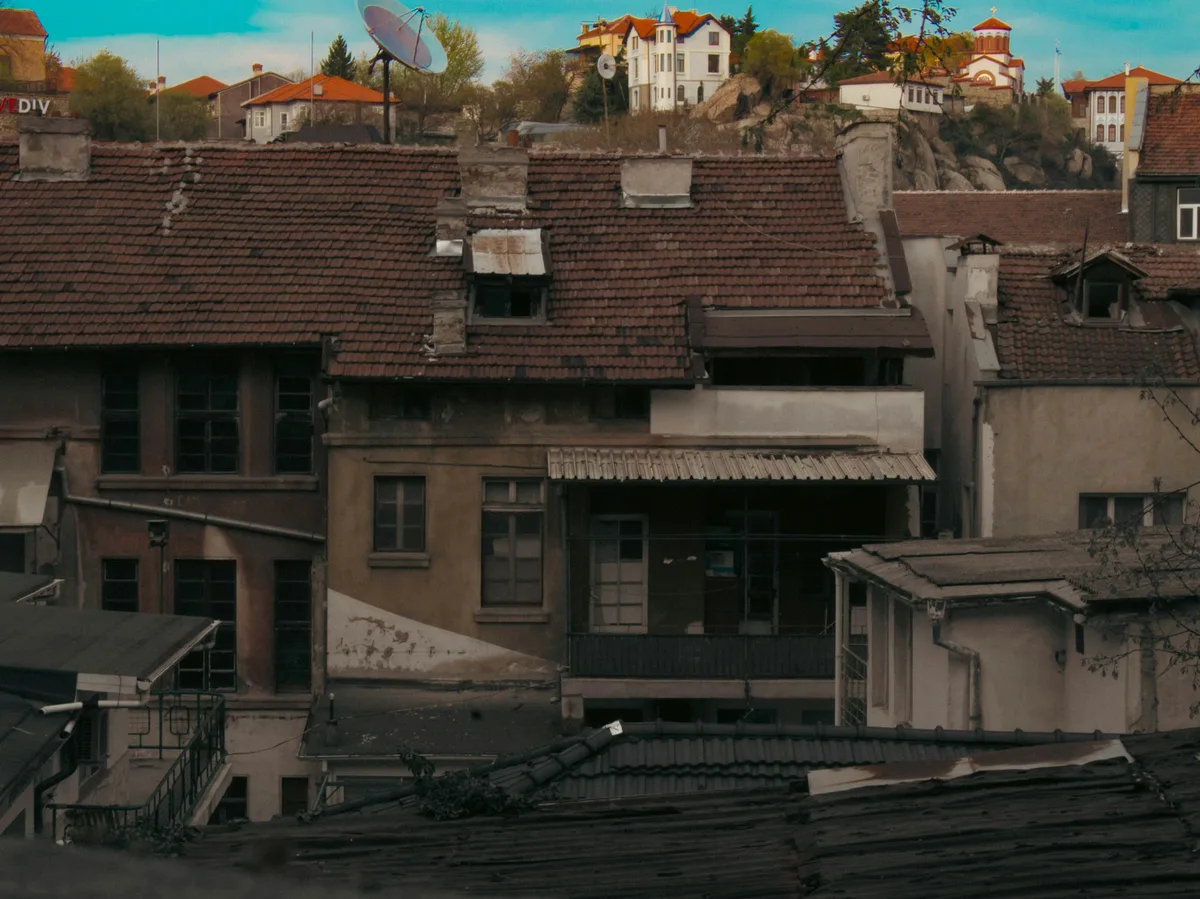
One of the oldest continuously inhabited cities in Europe, Plovdiv's old town mixes a Roman amphitheatre and stadium with cobbled streets and Bulgarian Revival-era houses.
 Multi-Day Tours
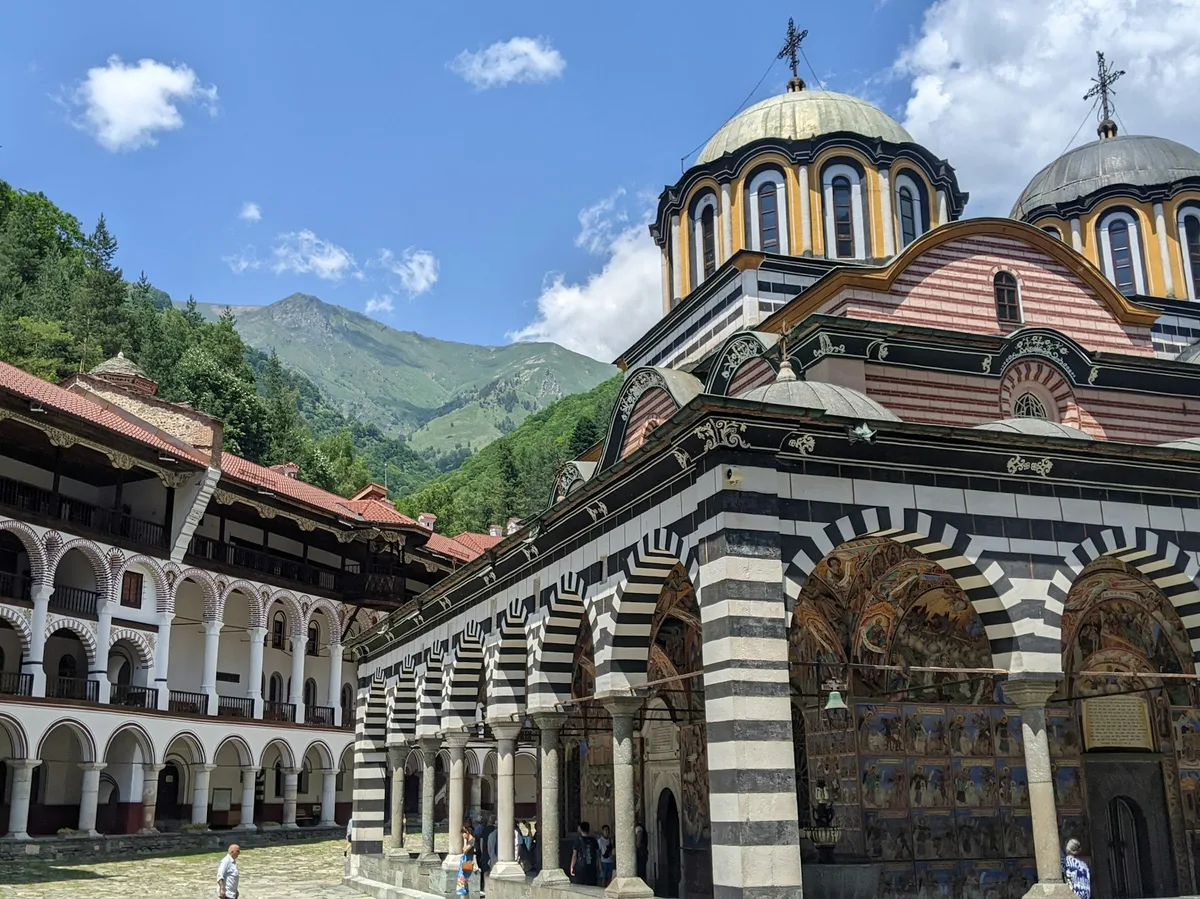
An 8-day private circuit built for photographers, from Sofia's cathedrals to Rila Monastery, a scenic mountain train through the Rhodopes, the Valley of Roses, and the fortress town of Veliko Tarnovo.
 Multi-Day Tours
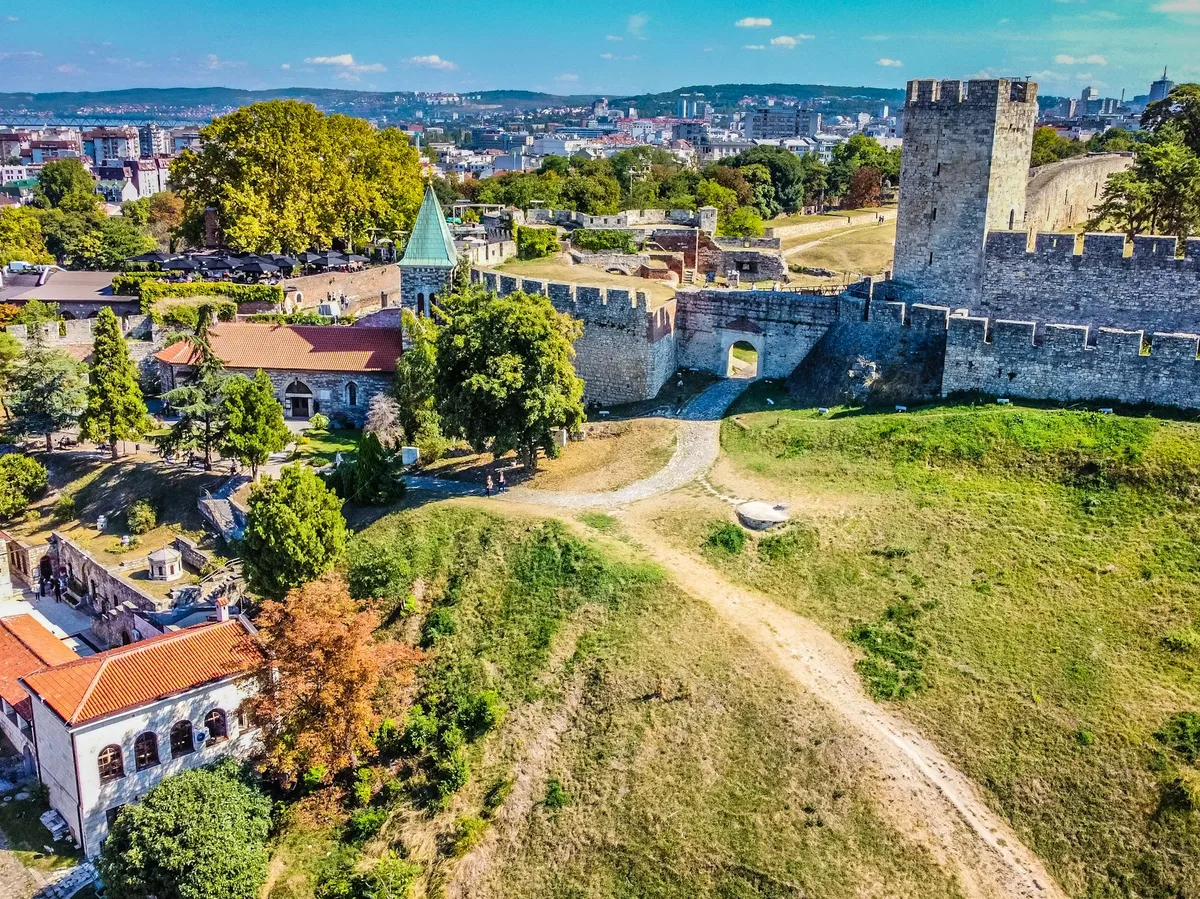
An 8-day journey pairing Serbia and Bulgaria — starting in Belgrade's fortresses and royal complexes, then crossing into Bulgaria for Sofia, Plovdiv, the Valley of Roses, Veliko Tarnovo, and the Belogradchik Rocks.
 Multi-Day Tours Popular Pick
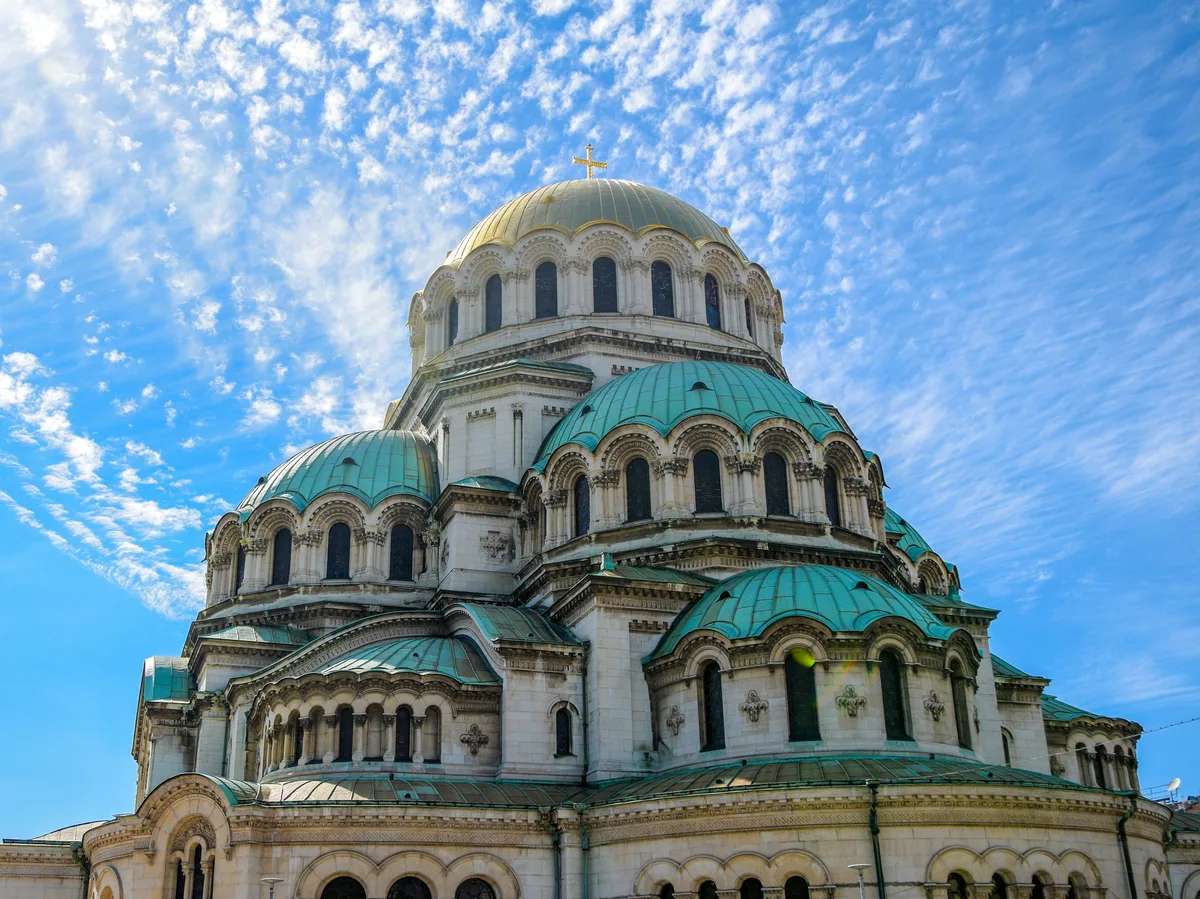
An 8-day deep dive into Bulgaria's Thracian and Roman past — Sofia, the Starosel Thracian royal complex, the Valley of Roses, the Rhodope sanctuaries of Orpheus, Perperikon, Plovdiv, and Rila Monastery.
 Multi-Day Tours
Voyzo's longest itinerary — a guided 21-day journey from Sofia through Bulgaria's Rila Monastery, Plovdiv, the Black Sea coast, and Veliko Tarnovo, before crossing into Romania for Bucharest, Transylvania's painted monasteries, Bran and Peleș castles, and Sighișoara.
Visitor guide
The Old Town of Plovdiv is the historic hilltop district of Bulgaria's second city, protected as an architectural and historical reserve and known for its colourful National Revival houses, Roman remains and cobbled lanes. It rises across the Three Hills, where Plovdiv's settlement is traced back several millennia.
Wikipedia says Plovdiv is considered the oldest continually inhabited city in Europe, with habitation dating to about 6000 BCE, and excavations on Nebet Tepe show a settlement there by the end of the 4th millennium BCE. The Thracian tribe of the Bessi held a fort here, and around 342 BCE Philip II of Macedon conquered the town and renamed it Philippopolis. It became the capital of the Roman province of Thracia, and Marcus Aurelius later built a new city wall. Under Ottoman rule the city was called Filibe. The Latin name Trimontium, mentioned by Pliny, means the three hills.
The Roman city left the Plovdiv Roman Theatre, a Roman odeon, the Roman Stadium and a Roman aqueduct, listed in Wikipedia among the preserved ruins. The theatre, built into the hillside, is the best known of these and is still used for performances. Antiquities were excavated and the Old Town was fully restored in the 1970s and 1980s.
Many of the houses in the reserve were built by wealthy citizens during the Ottoman period. The Kuyumdzhioglu House, built in 1847 for the merchant Argir Kuyumdzhioglu, is described as a prime example of Plovdiv's mid-19th-century Baroque architecture, with a symmetrical facade, wood-carved ceilings and floral decoration. It has housed the Plovdiv Regional Ethnographic Museum since 1938, and stands near the Old Town's eastern gate, the Fortress Gate, or Hisar Kapia. Other houses open to visitors include the Balabanov House and the Hindliyan House. Later Plovdiv houses were symmetrical, with an oval central hall and four corner rooms, bay windows on the upper floors, and interiors with painted walls and carved wooden ceilings.
Under Ottoman rule, Filibe was a focal point of the Bulgarian national movement. Wikipedia lists the first Bulgarian school in 1836, a secular school in 1850, the first Bulgarian-language Christmas liturgy at the Church of the Virgin Mary in 1858, and the first Bulgarian grammar school in 1868 among its milestones.
Plovdiv was awarded the title European Capital of Culture in 2014 and held it in 2019. The city is also known as the City of the Seven Hills, built on syenite hills, of which Nebet Tepe is a fortified hill with settlement remains from as early as the Chalcolithic era.
The Old Town is built on hills, so a visit involves climbing. A private guided visit lets your group see the Roman theatre and a Revival house in a single day, with a guide explaining the layers of the city from Thracian times to the 19th century.
See every tour and attraction we cover in Bulgaria.