TorontoOntario · 36 tours
 Niagara FallsOntario · 25 tours
 New York CityNew York · 30 tours
 Las VegasNevada · 8 tours
 San FranciscoCalifornia · 16 tours
 VancouverBritish Columbia · 17 tours
 DubaiUAE · 54 tours
 Abu DhabiUAE · 5 tours
 Buenos AiresArgentina · 23 tours
 AthensGreece · 31 tours
 AucklandNew Zealand · 38 tours
 CancunMexico · 54 tours
No destinations match “”. Try searching all tours instead — that search understands full questions, not just place names.
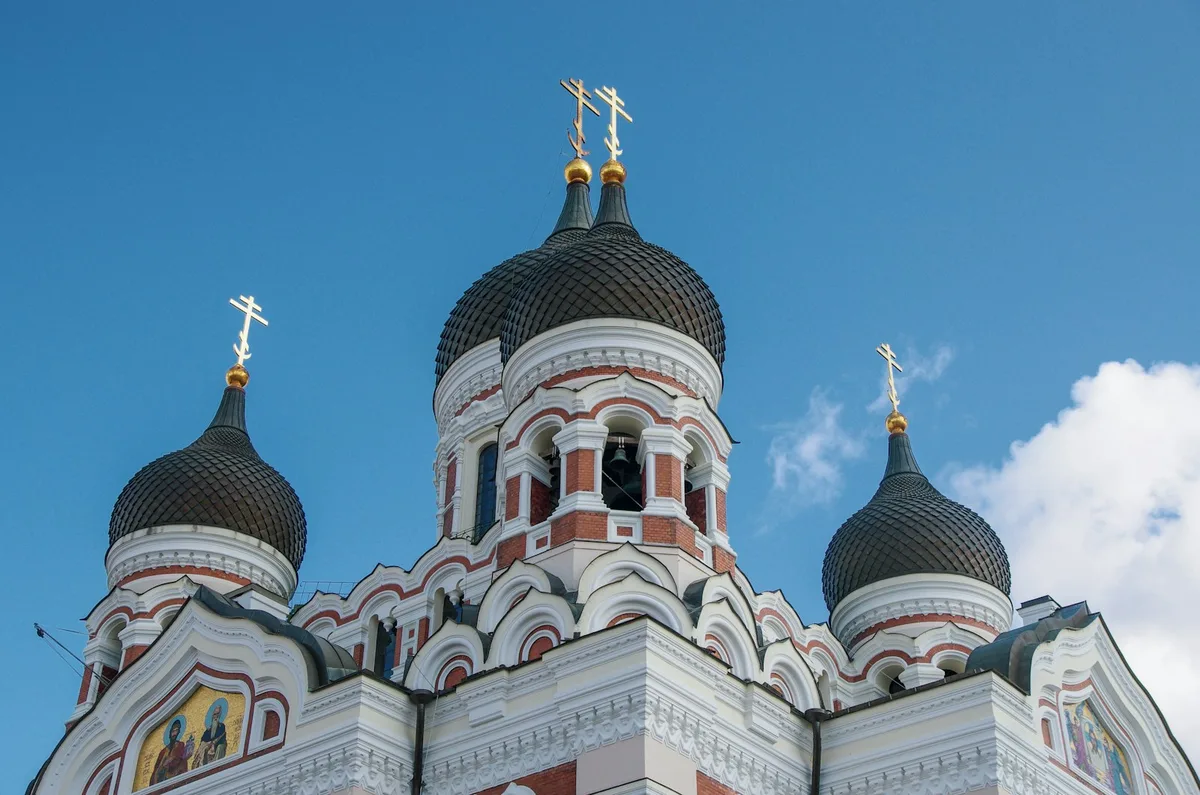
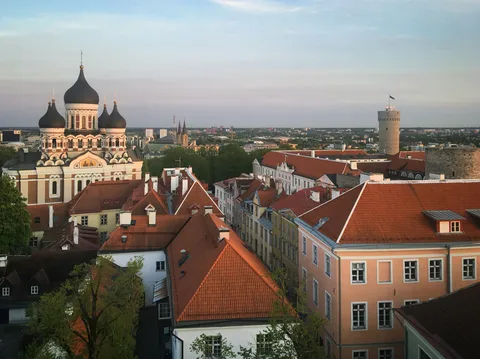
An onion-domed Russian Orthodox cathedral completed in 1900 on Toompea Hill, the largest orthodox cupola cathedral in Tallinn and one of its most photographed landmarks.
 Multi-Day Tours
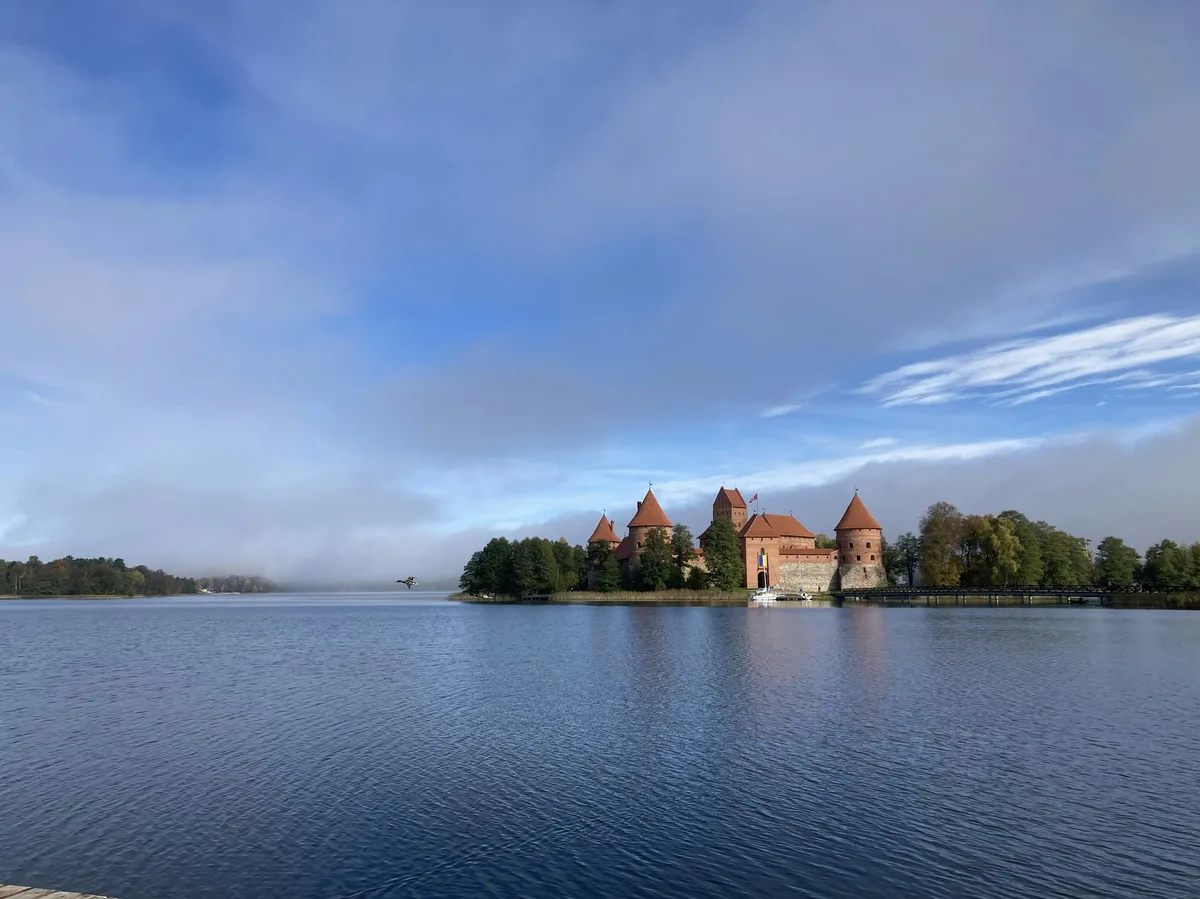
A 10-day private circuit through all three Baltic capitals and on to Finland — Vilnius and Trakai Castle, Riga's Art Nouveau streets, Tallinn's medieval Old Town and Lahemaa National Park, finishing with a ferry crossing to Helsinki.
 Multi-Day Tours
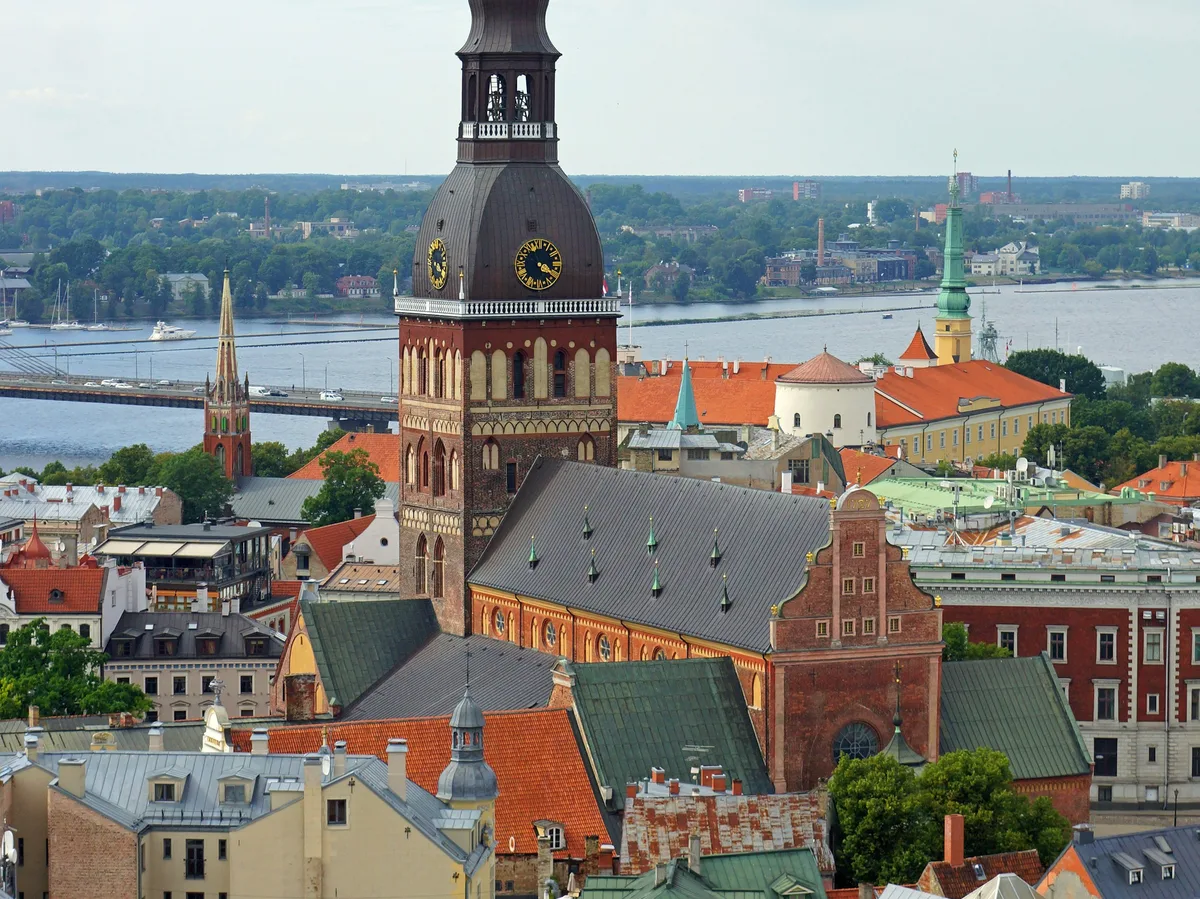
A gently-paced 10-day tour of all three Baltic capitals — Vilnius, Riga, and Tallinn — with free afternoons built in throughout, a hot-air balloon flight over Trakai, and castle stops along the way, ending in Estonia.
 Multi-Day Tours
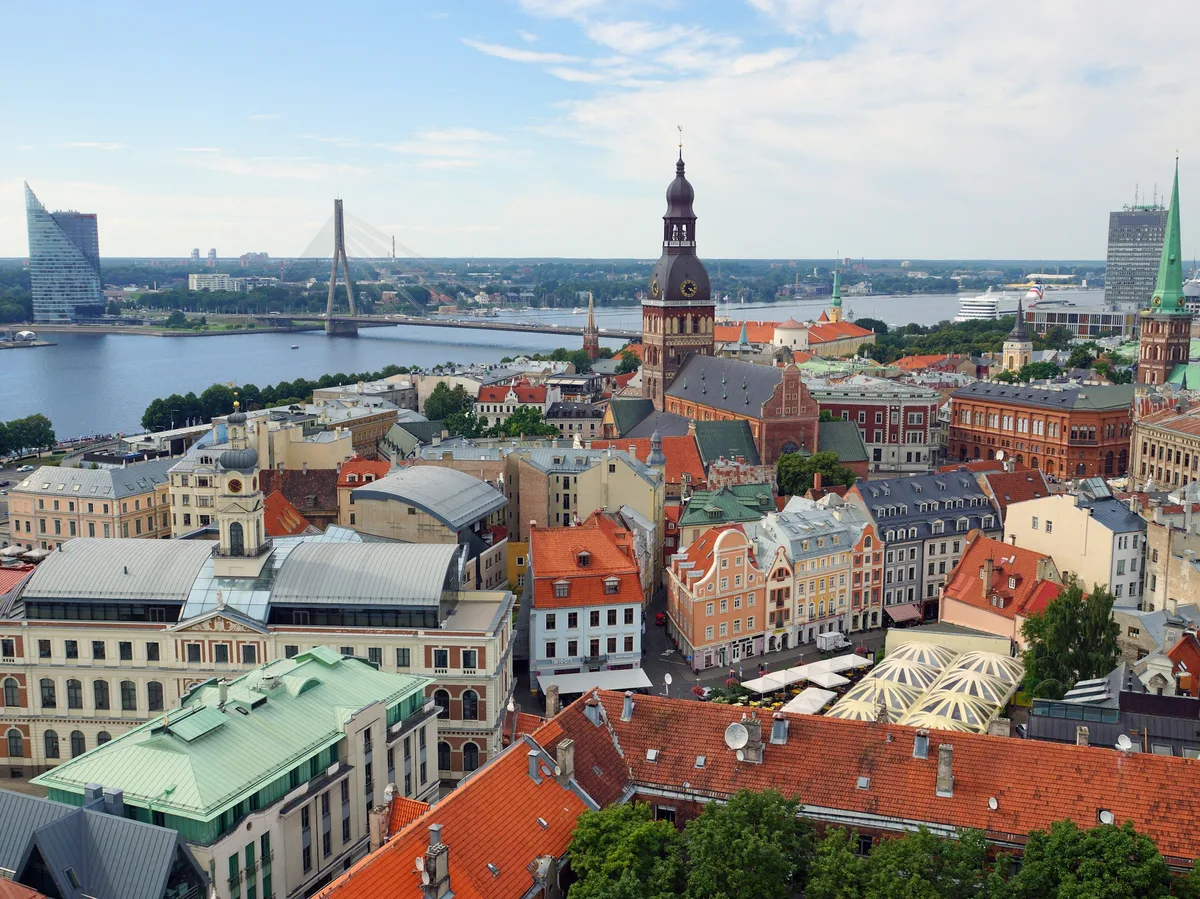
A comprehensive 18-day journey across four countries — Lithuania's Vilnius and Klaipėda, Latvia's Kuldīga and Riga, Estonia's Tartu and Tallinn, and southern Finland's Helsinki and Turku — for travelers who want to see the whole region in depth.
Visitor guide
Alexander Nevsky Cathedral is an Eastern Orthodox cathedral on Toompea hill in central Tallinn, Estonia. Built between 1894 and 1900 in the Russian Revival style, it is the city's largest cupola church and the primary cathedral of the Estonian Orthodox Church of the Moscow Patriarchate.
The cathedral was built when Estonia was part of the Russian Empire, and the architect Mikhail Preobrazhensky designed it in the Russian Revival style. It is dedicated to Alexander Nevsky, a grand prince of Kiev who was later venerated as a saint. The base is Finnish granite and the building is crowned by five onion domes. The cathedral stands on Toompea, close to Toompea Castle and the Estonian parliament. Toompea hill itself has been the centre of authority in northern Estonia since Danish forces built a castle there in 1219. Toompea is a limestone hill of about 7 hectares in the Old Town, and the Patkuli stairs, built in 1903 near its northern end, gave it a new access route from the railway station. Several viewing platforms on the hill offer views over the surrounding city.
Inside, the cathedral has three gilded, carved wooden iconostases and four icon boxes. According to Wikipedia, eleven bells were cast in Saint Petersburg, and the largest weighs roughly 15 to 16 tons. Patriarch Alexy II of Moscow began his priestly ministry here, which gives the cathedral a place in the wider history of Russian Orthodoxy. The Estonian Orthodox Church of the Moscow Patriarchate uses the building as its main church, and services continue there as in any active cathedral.
Many Estonians view the cathedral as a symbol of Russification, since it was built during the Russification campaign of the late 19th century. After independence, discussion arose about its future. In the 1920s and 1930s the Estonian parliament and government discussed removing it, and in 1924 the architect Karl Burman proposed demolishing it or repurposing it as a national pantheon. A demolition planned for 1929 was cancelled. During the Soviet occupation from 1944 to 1991 the building was neglected and fell into disrepair.
The cathedral has been extensively restored since Estonia regained full independence in 1991. Its position at the top of the Upper Town makes it a prominent landmark in views of the city. A private guided visit with a driver can combine the cathedral with Toompea Castle and the viewpoints of the Upper Town, with a guide explaining the history behind this building. Wikipedia notes that tourists often see it as a symbol of Tallinn, while Estonians' views of it are mixed. It stands on Castle Square, opposite Toompea Castle, and is close to the Dome Church, the Lutheran cathedral completed in 1240 that gave Toompea its name. It is a reminder of how the layers of Estonia's history, from Danish and Teutonic to Swedish and Russian, remain visible on a single hill.
See every tour and attraction we cover in Estonia.