TorontoOntario · 36 tours
 Niagara FallsOntario · 25 tours
 New York CityNew York · 30 tours
 Las VegasNevada · 8 tours
 San FranciscoCalifornia · 16 tours
 VancouverBritish Columbia · 17 tours
 DubaiUAE · 54 tours
 Abu DhabiUAE · 5 tours
 Buenos AiresArgentina · 23 tours
 AthensGreece · 31 tours
 AucklandNew Zealand · 38 tours
 CancunMexico · 54 tours
No destinations match “”. Try searching all tours instead — that search understands full questions, not just place names.
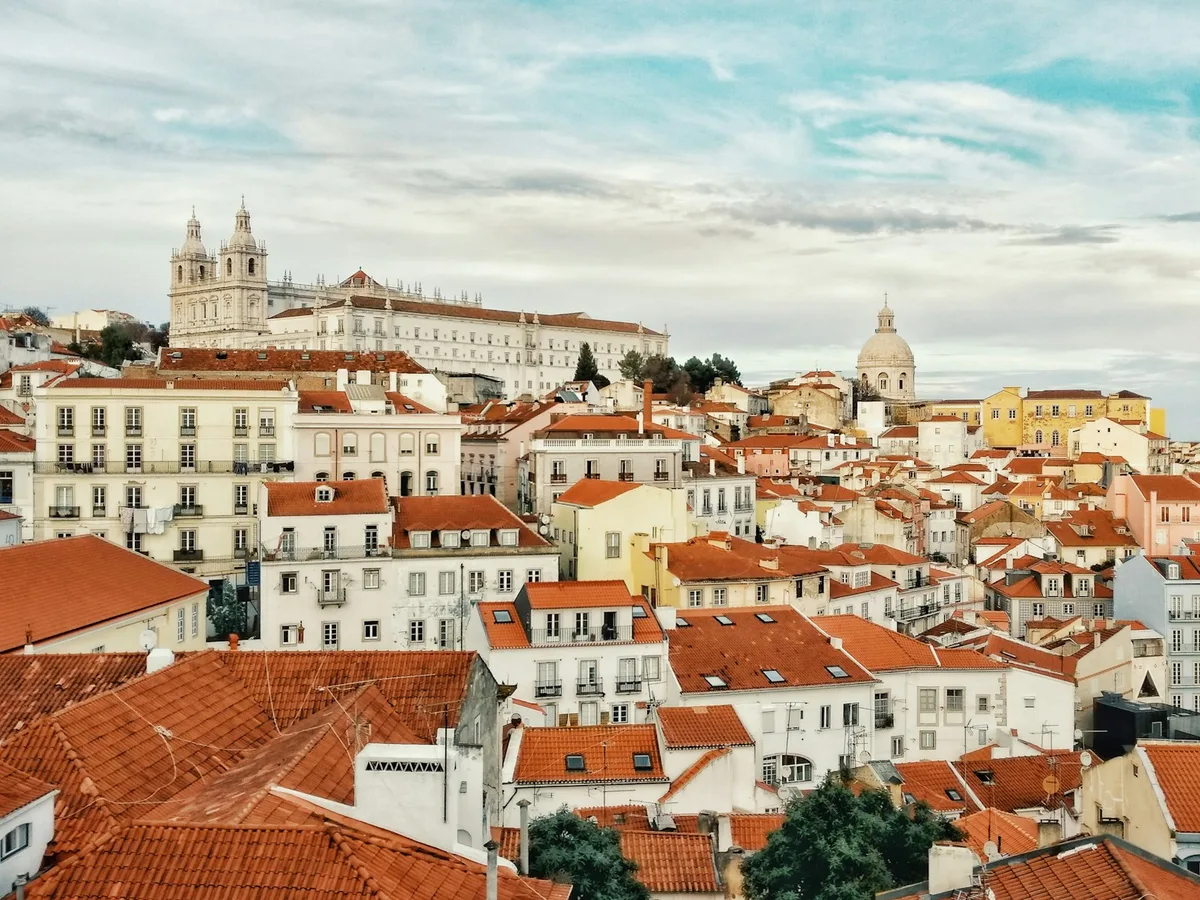
Lisbon's oldest district, a hillside maze of narrow lanes and red-tiled rooftops below São Jorge Castle that survived the 1755 earthquake, still home to fado music in its taverns.
 Multi-Day Tours
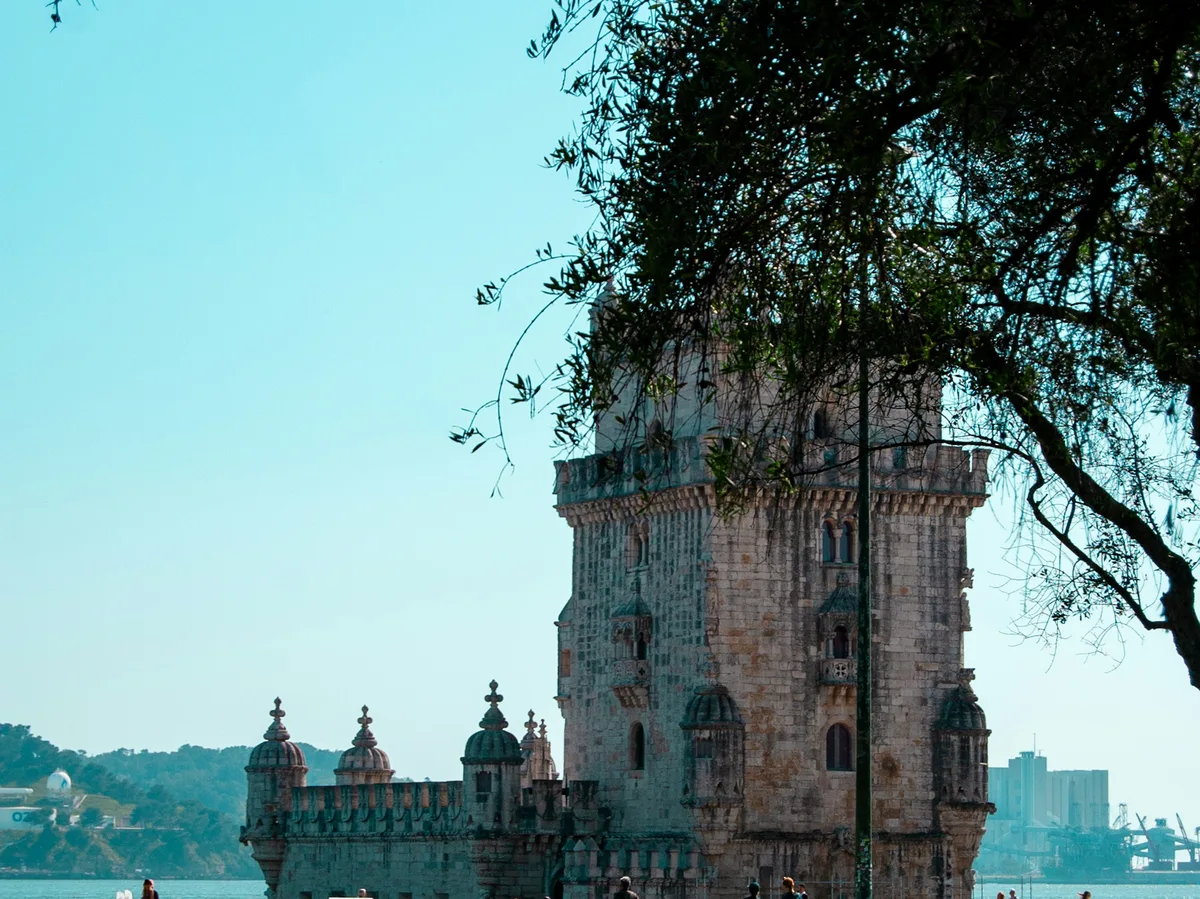
A 9-day route between Portugal's two great cities — Lisbon's Alfama, Belém, and a Sintra day trip, then north via Coimbra to Porto's UNESCO old town, a Douro Valley wine estate, and a choice of Aveiro or the Minho region, before returning south via Nazaré and Óbidos.
 Multi-Day Tours
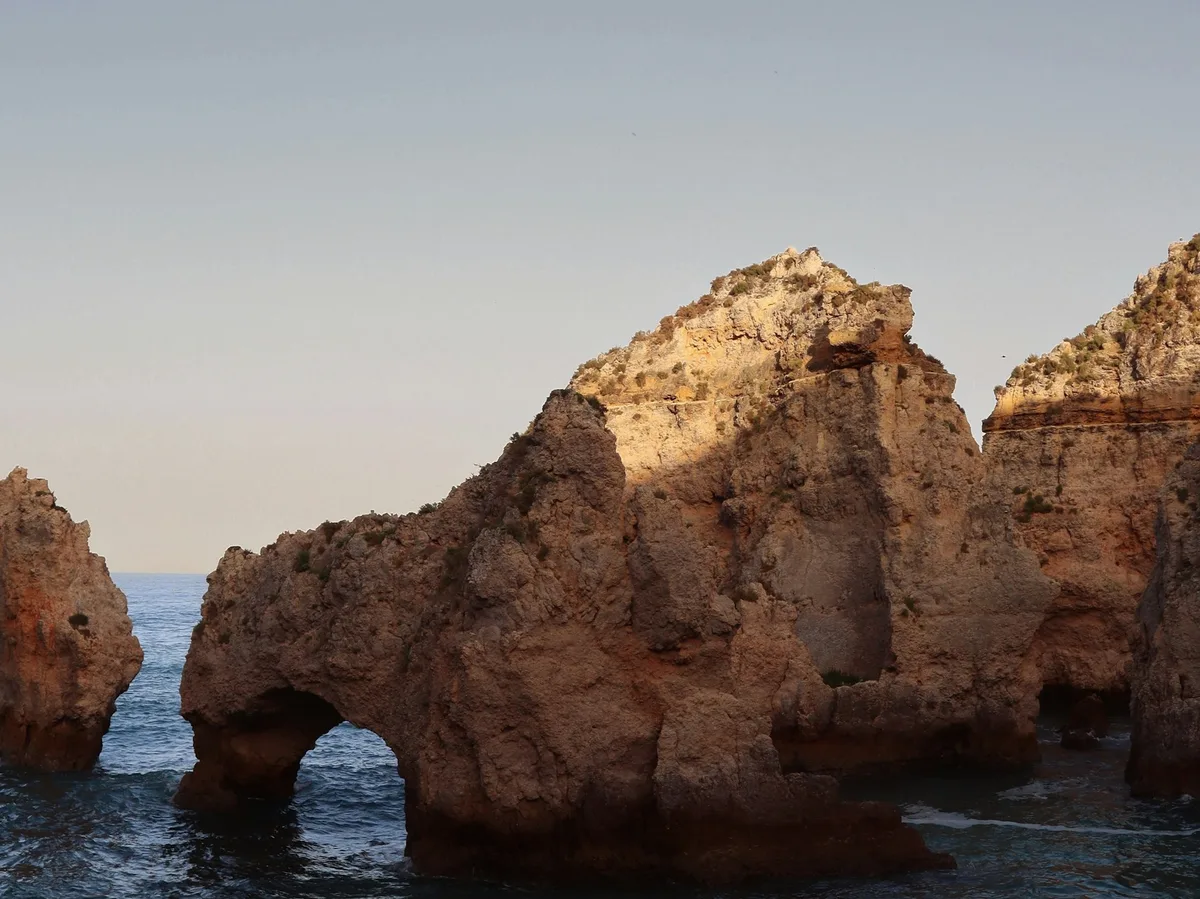
An 11-day family route from Porto's Douro Valley wine country to Lisbon's Alfama and Sintra's Pena Palace, then Algarve beach time and boat trips to the Ponta da Piedade sea caves in Lagos.
Visitor guide
Alfama is the oldest neighbourhood in Lisbon, Portugal, spread across a slope between São Jorge Castle and the Tagus River. It is known for its maze of narrow streets, its historic churches and viewpoints, and its concentration of fado bars and restaurants.
The name Alfama comes from the Arabic al-hamma, meaning hot springs, a root linked to the same word that gave us hammam. Wikipedia notes that during Moorish rule Alfama was effectively the whole city, and that Lisbon later expanded westward into the Baixa district. Over time the district became home to fishermen and the poor, and it kept that working-class character for a long time.
The medieval Castle of São Jorge overlooks the neighbourhood from above. It served as a royal residence until the early 16th century and the castle and city were taken from the Almoravids by Afonso Henriques in 1147 during the Second Crusade.
The great Lisbon earthquake of 1755 did not destroy Alfama, which is why it kept its tangle of lanes, stairways and small squares while much of the lower city was rebuilt on a grid. Many old houses have since been renovated and new restaurants have opened, some of which feature fado performances. The result is a district where tiled facades, laundry lines and tiny courtyards sit close together on a steep hill.
Several major landmarks lie in and around Alfama. Lisbon Cathedral, the Sé, was built between the 12th and 14th centuries and is described by Wikipedia as the oldest church in the city, standing on the western side of the neighbourhood. The Monastery of São Vicente de Fora is a Mannerist complex built from the late 16th to the 18th century, where the kings of the House of Braganza are buried. The Church of Santa Engrácia, a 17th-century Baroque church, has been converted into the National Pantheon, a memorial to important Portuguese figures. The Convent of Grace, an 18th-century convent, stands near the castle.
Several miradouros, or viewpoints, are set into the slopes. The Miradouro de Santa Luzia lies near the church of the same name above remnants of the Moorish city walls, and the Miradouro das Portas do Sol, the Gates of the Sun, is a short walk away. Close to the Santa Luzia viewpoint is the Museum of Decorative Arts, housed in a 17th-century mansion. Since 2012 Alfama has been part of the Santa Maria Maior parish after a reorganisation of Lisbon's administrative divisions.
Alfama is associated with fado, the Portuguese music of longing, and the district has many fado bars and restaurants. Streets are steep, uneven and often too narrow for ordinary traffic, so a private guided tour with a local driver can help reach the upper edge of the district, with the walk downhill through the lanes taking the visitor toward the river.
See every tour and attraction we cover in Portugal.