TorontoOntario · 36 tours
 Niagara FallsOntario · 25 tours
 New York CityNew York · 30 tours
 Las VegasNevada · 8 tours
 San FranciscoCalifornia · 16 tours
 VancouverBritish Columbia · 17 tours
 DubaiUAE · 54 tours
 Abu DhabiUAE · 5 tours
 Buenos AiresArgentina · 23 tours
 AthensGreece · 31 tours
 AucklandNew Zealand · 38 tours
 CancunMexico · 54 tours
No destinations match “”. Try searching all tours instead — that search understands full questions, not just place names.
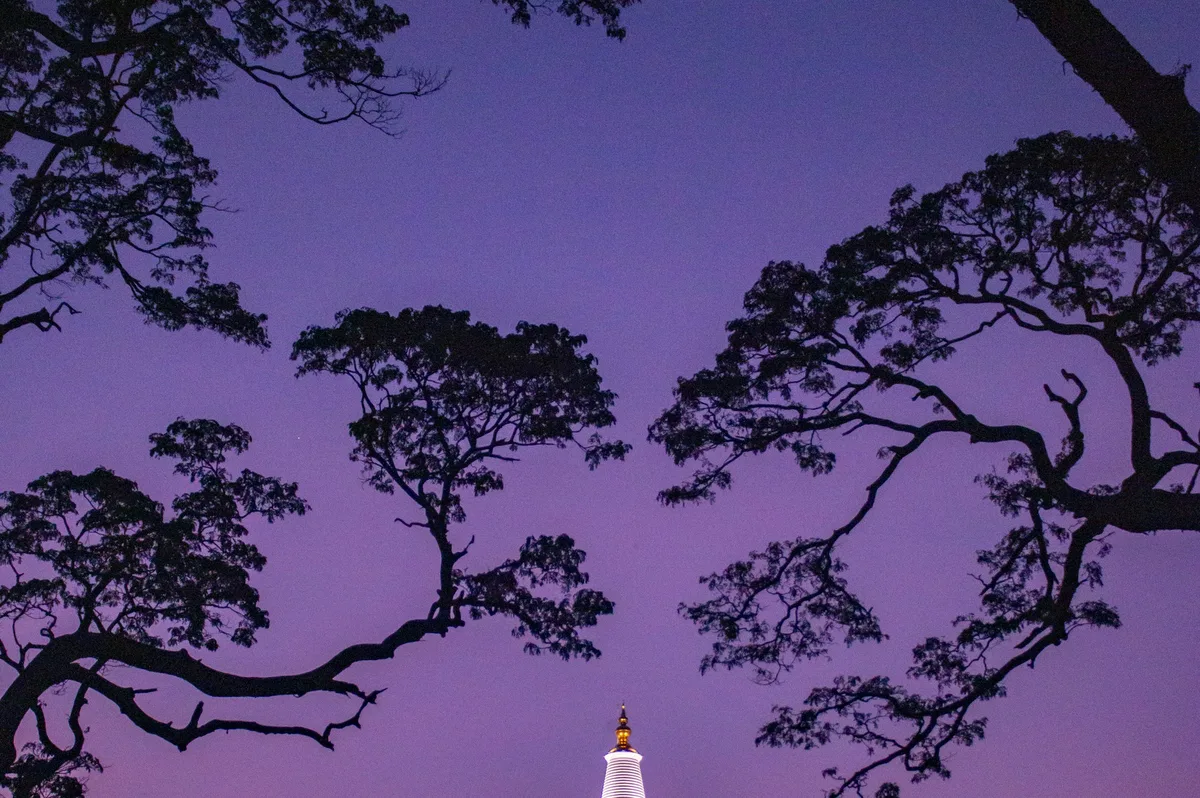
A UNESCO World Heritage former royal capital with 2,000-year-old dagobas (stupas), monasteries, and one of the oldest human-planted trees in the world.
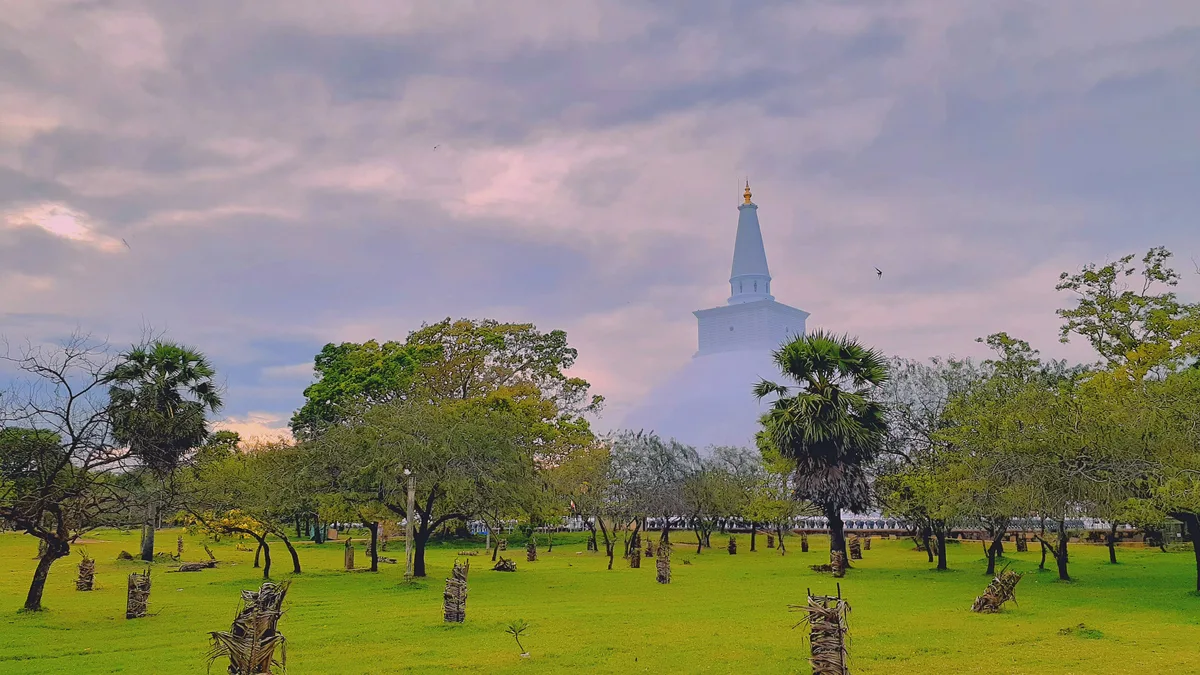 Multi-Day Tours Popular Pick
A 6-day private circuit through Sri Lanka's ancient sites and hill country — Anuradhapura, Trincomalee, Sigiriya, and Kandy to Nuwara Eliya — with your own driver and hotels arranged throughout.
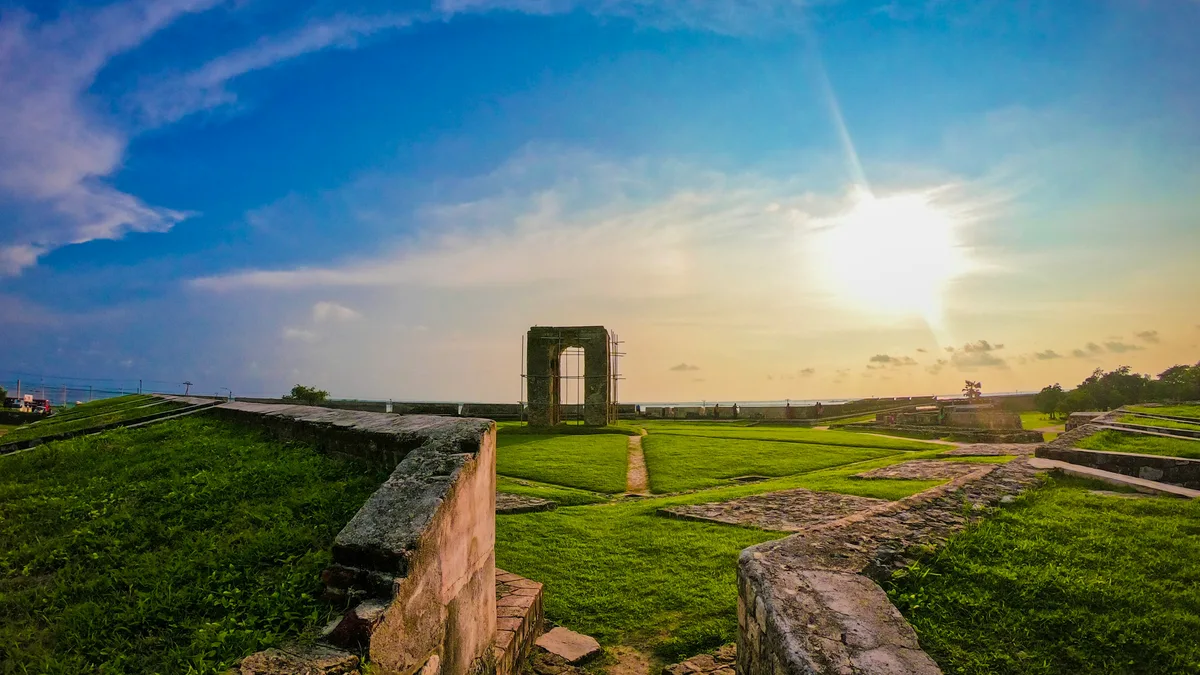 Multi-Day Tours
A 7-day private tour through Sri Lanka's north and cultural heartland — Anuradhapura, Mannar, two nights in Jaffna, Trincomalee, Sigiriya, and Kandy to Nuwara Eliya.
Visitor guide
Anuradhapura is an ancient city in the north central plain of Sri Lanka, on the banks of the Malwathu Oya, about 205 kilometres north of Colombo. Wikipedia describes it as the cradle of the Hydraulic Sinhalese civilisation and of Theravada Buddhism, and its Sacred City was inscribed as a UNESCO World Heritage Site in 1982.
The Mahāvaṃsa places the city's founding in 437 BCE, and another passage says that in 377 BCE, during the reign of King Pandukabhaya, the village was formally established as the capital. The name derives from Anuradha, a minister of Prince Vijaya, with pura meaning city. Archaeological excavation of the citadel suggests human settlement from about the 10th century BCE, and by 700 to 600 BCE the settlement covered at least 50 hectares.
Anuradhapura was the first capital of the Sinhala Kingdom of Rajarata and is described as the longest-serving ancient capital of Sri Lanka, flourishing for around 1,500 years. Wikipedia's infobox dates the Anuradhapura kingdom from 377 BCE to 1017 CE.
Mahinda, an Indian prince-monk, is credited with introducing Buddhism to the island. The city became a centre of Theravada Buddhism and a major intellectual centre, home to the philosopher Buddhaghosa. It was also a place of royal patronage, and in the late Anuradhapura period the royal family and nobility supported Buddhism through art and donations to temples. Its sacred places include Ruwanwelisaya, Thuparamaya, Lovamahapaya, the Abhayagiri Dagaba, Jetavanarama, Mirisaveti Stupa and Lankarama.
The Jaya Sri Maha Bodhi is described as the oldest still-living documented planted tree in the world. It is believed to have originated from the Bodhi tree at Bodh Gaya under which the Buddha attained enlightenment. Other remains include the temple complex of Isurumuniya, the twin pond Kuttam Pokuna and carved moonstones at the Abhayagiriya Monastery.
The city was largely destroyed and deserted after the Chola invasions, led by Rajaraja I in 993 and his son Rajendra I in 1014. The Culavamsa says it was utterly destroyed in every way by the Chola army. The political centre later shifted to Polonnaruwa, but Anuradhapura remained a vital pilgrimage site throughout the medieval period.
European interest revived in the 17th century, and in 1821 John Davy described it as a small mean village in a desert, though still a sacred spot. In the late 19th century British authorities began archaeological surveys and restoration. The 1949 Anuradhapura Preservation Plan created a planned New Town to the east, moving government offices away from the ancient monuments.
The ancient complex covers over 100 square kilometres, according to Wikipedia, so distances between sites are considerable and the area is usually seen in stages. Many sites are active places of worship, where respectful dress and bare feet are customary at shrines. A private tour with a local driver and guide suits a visit, allowing time at the stupas and the Bodhi tree.
See every tour and attraction we cover in Sri Lanka.