TorontoOntario · 36 tours
 Niagara FallsOntario · 25 tours
 New York CityNew York · 30 tours
 Las VegasNevada · 8 tours
 San FranciscoCalifornia · 16 tours
 VancouverBritish Columbia · 17 tours
 DubaiUAE · 54 tours
 Abu DhabiUAE · 5 tours
 Buenos AiresArgentina · 23 tours
 AthensGreece · 31 tours
 AucklandNew Zealand · 38 tours
 CancunMexico · 54 tours
No destinations match “”. Try searching all tours instead — that search understands full questions, not just place names.
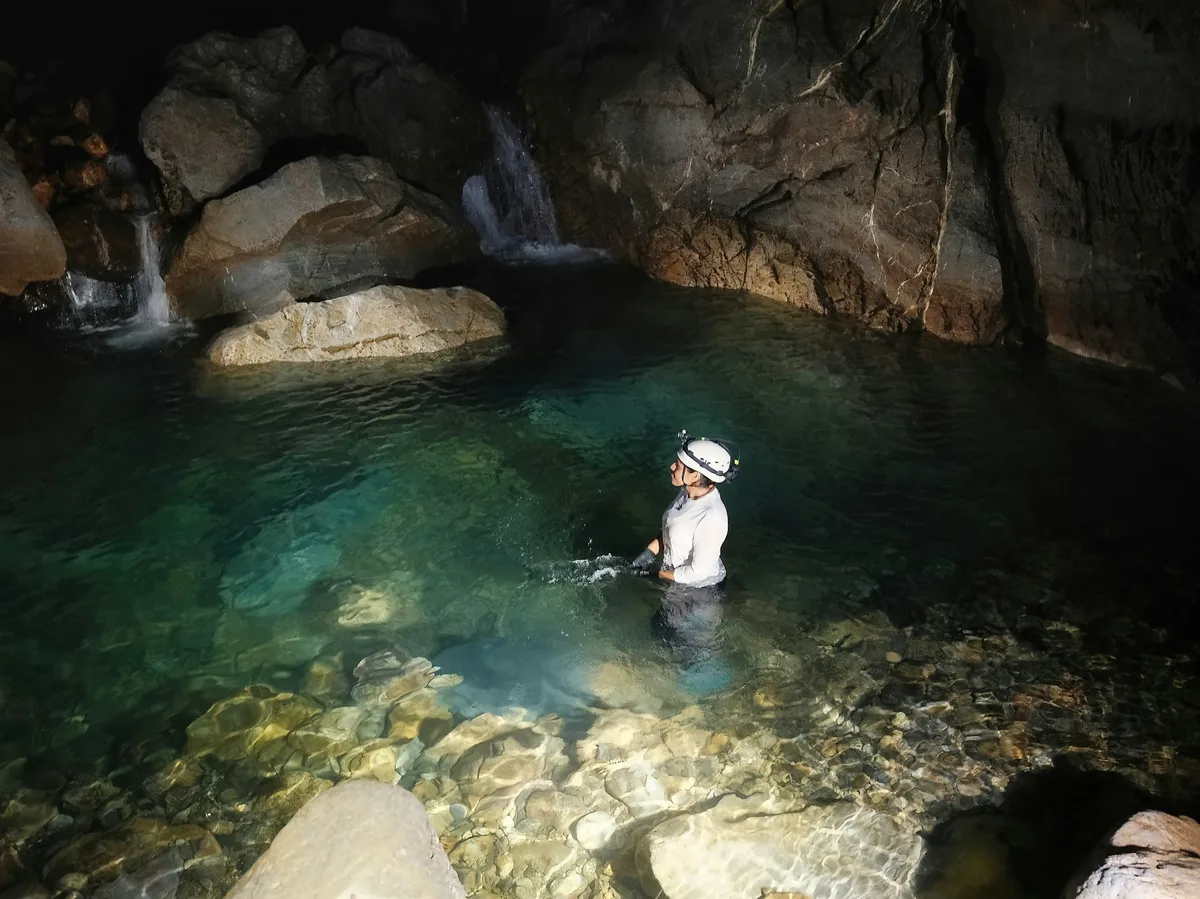
A Maya ceremonial cave system in the Cayo District, reached by a forest hike and a swim into the cave entrance, known for its ancient pottery, skeletal remains and crystallized formations.
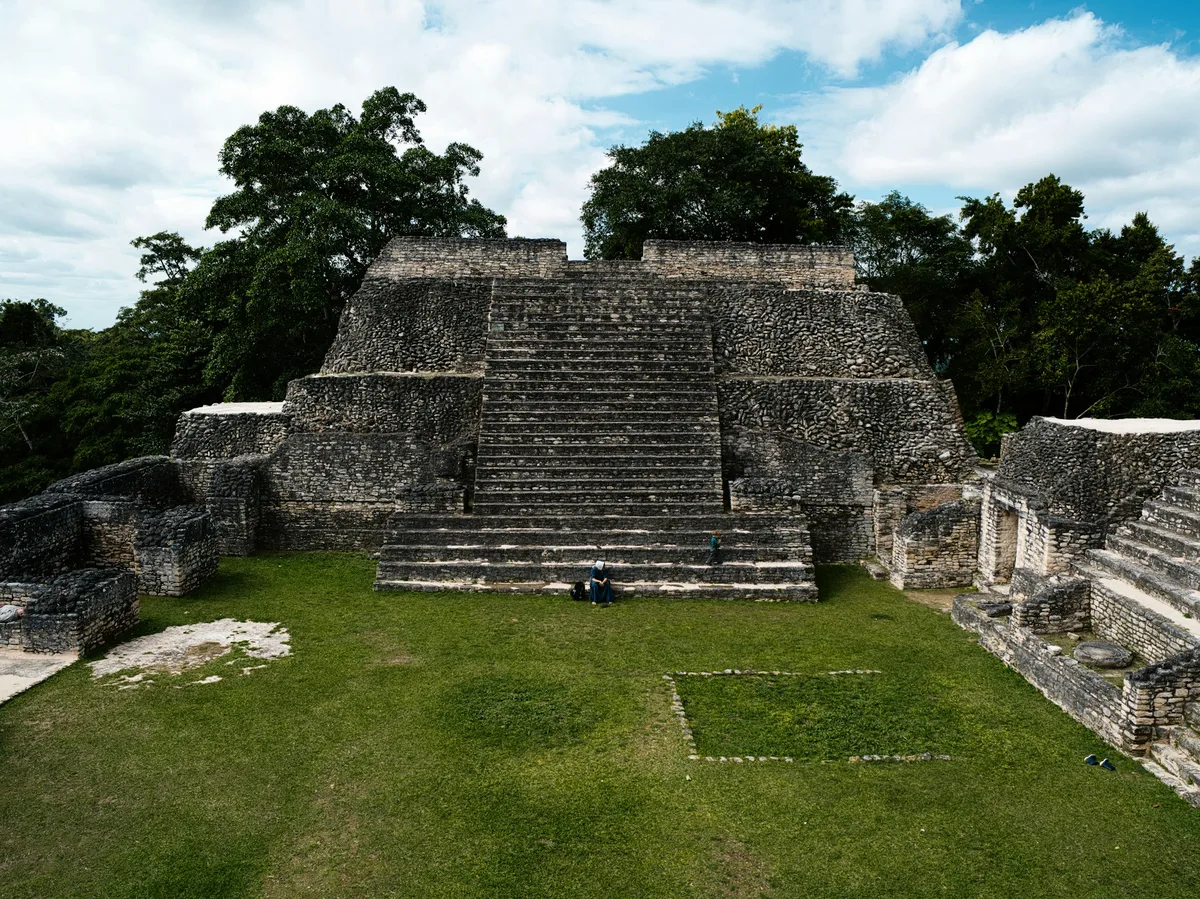 Multi-Day Tours Popular Pick
An 11-day circuit through western Belize's Maya ruins, caves and jungle lodges, finishing with a few days of snorkeling and sunsets on the Placencia Peninsula.
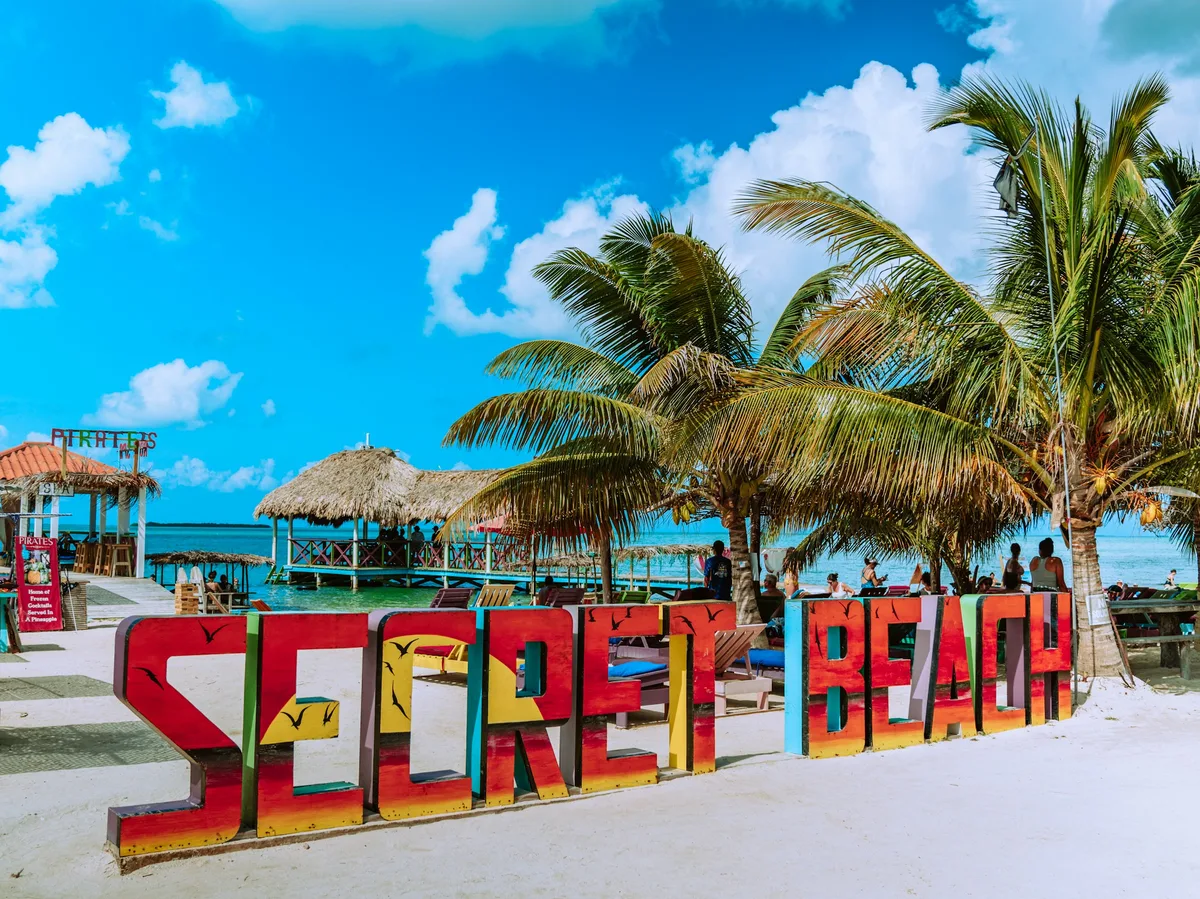 Multi-Day Tours
A 15-day family circuit through Belize's jungle lodges, Maya ruins, caves and islands, balanced with plenty of beach downtime on Caye Caulker and the Placencia Peninsula.
Visitor guide
Actun Tunichil Muknal, often shortened to ATM and also called the Cave of the Crystal Sepulchre, is a Maya ceremonial cave in the Cayo District of Belize near San Ignacio. It lies within the Tapir Mountain area and is known for Maya pottery, skeletal remains and calcified cave formations.
According to Wikipedia, the main cave system is about 4.8 km long. A river passage of around 3.2 km ends at an upstream sump, and prehistoric upper passages continue roughly another mile beyond it through large breakdown boulders and giant rooms. The cave can be exited through a tight squeeze that ends at a large sinkhole collapse in the jungle. Wikipedia also records fauna that includes many bats, freshwater crabs, crayfish, catfish, amblypygi, predatory spiders and agouti.
The Maya regarded caves as entrances to the underworld, known in the K'iche' language as Xibalba, a name meaning roughly place of fright, and this cave holds evidence of ceremonial use. The main chamber contains several areas of skeletal remains, with the article linking 14 skeletons to the upper passage. Maya ceramics and stoneware lie across the floor, and many items have become calcified to it. Some ceramics have so-called kill holes, which the article says were made to release spirits believed to lurk within the pots.
The best-known skeleton is the Crystal Maiden, whose bones have calcified into a sparkling, crystalline appearance. Despite the nickname, Wikipedia says the remains are believed to be those of a 17-year-old boy who may have been a sacrifice victim. A vessel called the Monkey Pot is described as one of only four of its type found in Central America.
The Maya also modified some cave formations to serve as altars for offerings. It is speculated, but not proven, that formations were deliberately shaped to cast shadows resembling faces and animals.
Tourism and aggregator sources give differing dates for the cave's use, from roughly AD 250 or 300 to 900 or later, with most placing the main activity in the Late and Terminal Classic periods, around AD 700 to 900 or 1000. Some of these sources link the rituals to drought and to appeals for rain or fertility, and report that skeleton counts range from 14 in most accounts to 15 in a 2012 Archaeology magazine item. These interpretations come from secondary sources and should be treated as plausible rather than settled. The cave was reported in published form by Tom Miller in The Canadian Caver in 1989, and research since then has been led largely by the Belizean archaeologist Jaime Awe and colleagues; Awe's book Maya Cities and Sacred Caves was published in 2005.
Access is managed. Wikipedia says the Belize Tourism Board, together with the National Institute of Culture and History, has licensed a small group of agents to lead tours, intended to balance protection of the site with tourism revenue. The cave closes periodically when rainfall raises the river and floods parts of it. The Tapir Mountain Nature Reserve adjoins the cave, and the cave area was excised from the reserve to provide visitor access, according to the Belize Karst site.
Visitors are asked to remove shoes and wear socks in the upper dry chamber to limit damage to the floor. Cameras without a permit were banned after a 2012 incident in which a dropped camera fractured a skull estimated to be over 1,000 years old. Wikipedia notes the cave was ranked first on National Geographic's list of the top ten sacred caves, and it features in Monica Byrne's novel The Actual Star.
The cave involves wading and swimming in the cave stream, so it is physically demanding and best treated as a guided activity only. A private tour arranged through Voyzo can combine the private vehicle transfer from San Ignacio with the licensed guided cave visit.
See every tour and attraction we cover in Belize.