TorontoOntario · 36 tours
 Niagara FallsOntario · 25 tours
 New York CityNew York · 30 tours
 Las VegasNevada · 8 tours
 San FranciscoCalifornia · 16 tours
 VancouverBritish Columbia · 17 tours
 DubaiUAE · 54 tours
 Abu DhabiUAE · 5 tours
 Buenos AiresArgentina · 23 tours
 AthensGreece · 31 tours
 AucklandNew Zealand · 38 tours
 CancunMexico · 54 tours
No destinations match “”. Try searching all tours instead — that search understands full questions, not just place names.
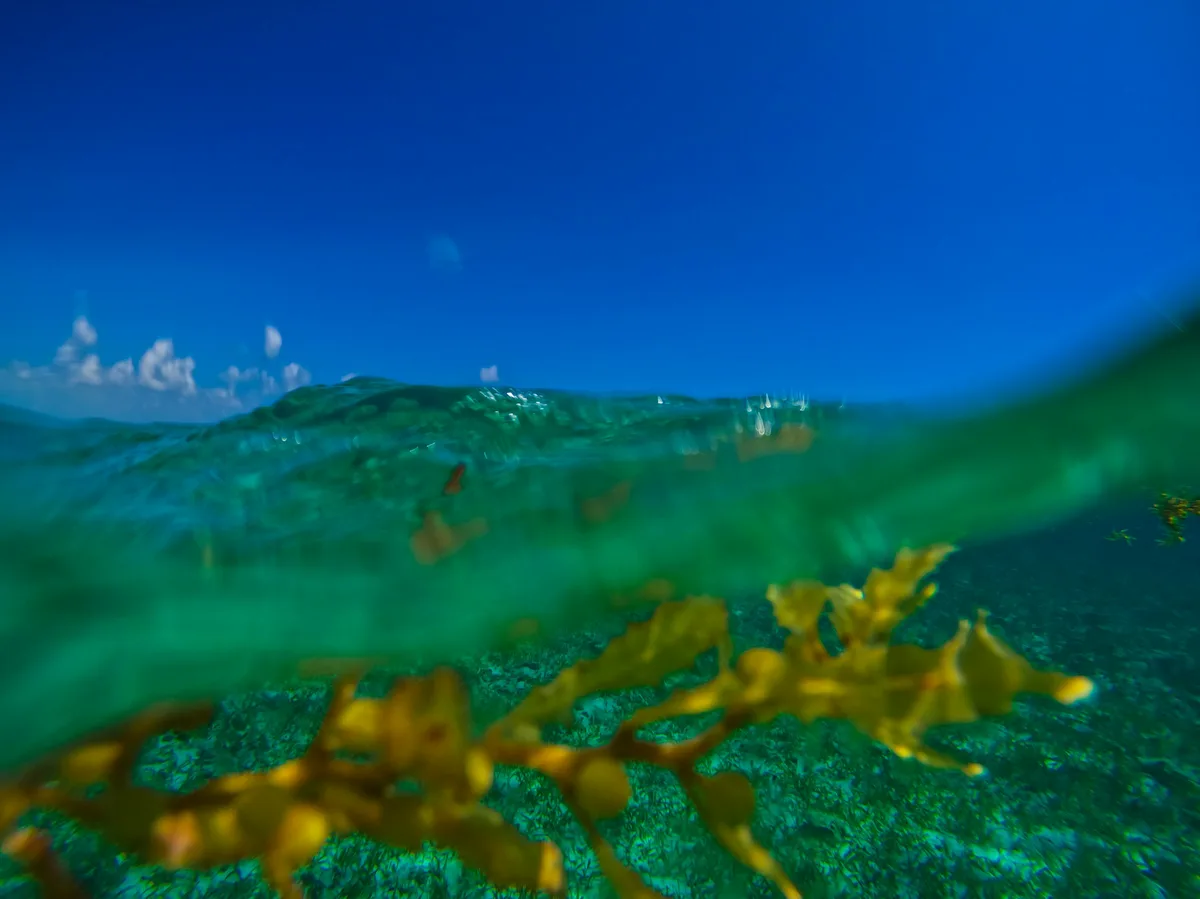
The second-longest living barrier reef in the world, stretching roughly 300 kilometres along the Belizean coast and home to hundreds of species of coral, fish and marine life.
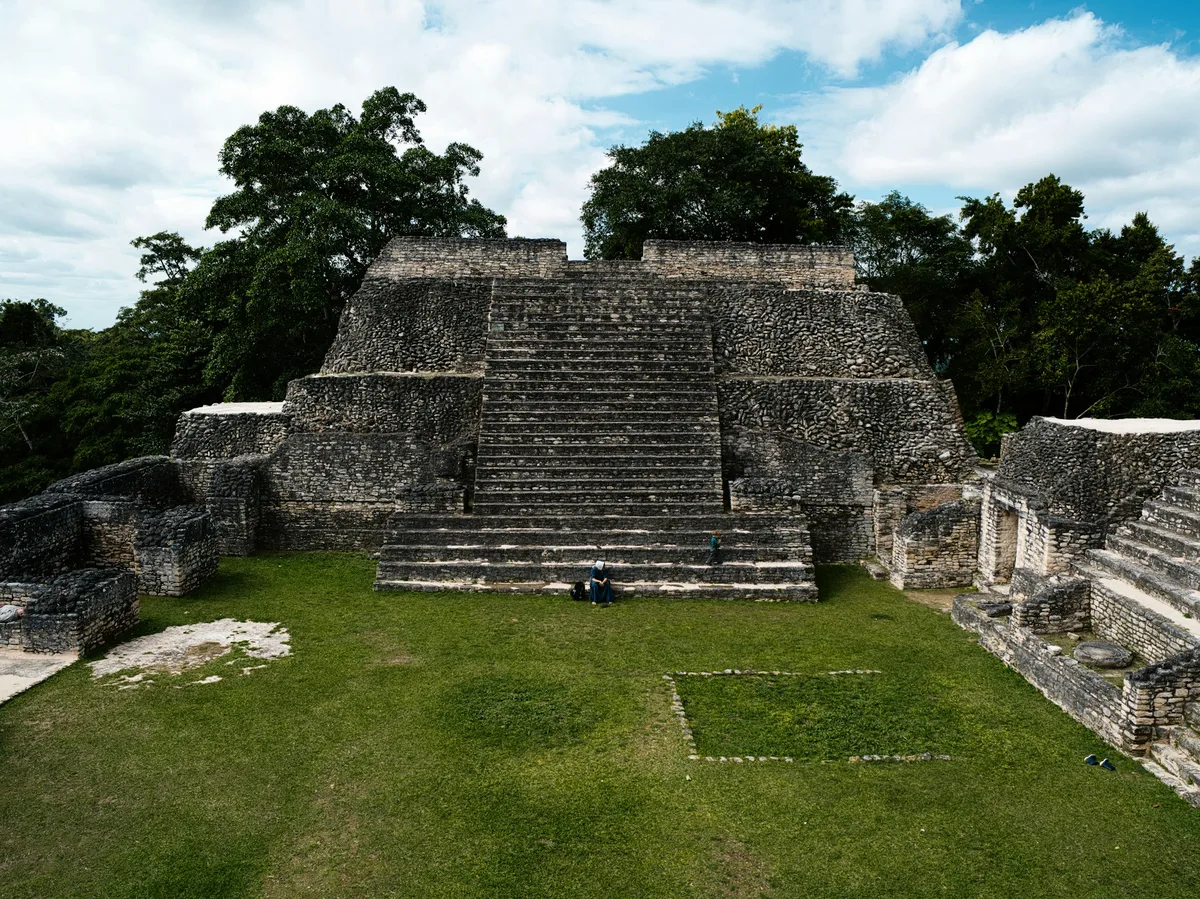 Multi-Day Tours Popular Pick
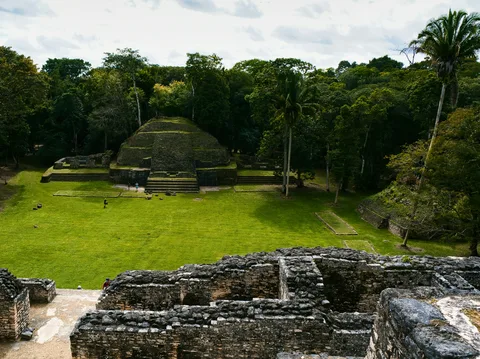
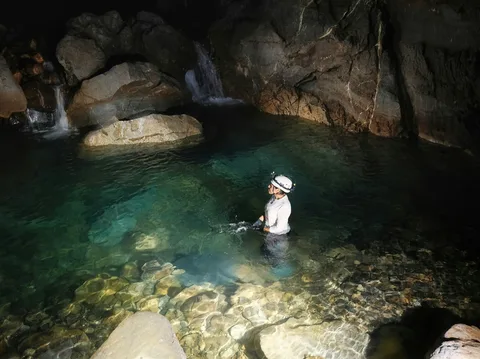
An 11-day circuit through western Belize's Maya ruins, caves and jungle lodges, finishing with a few days of snorkeling and sunsets on the Placencia Peninsula.
 Multi-Day Tours
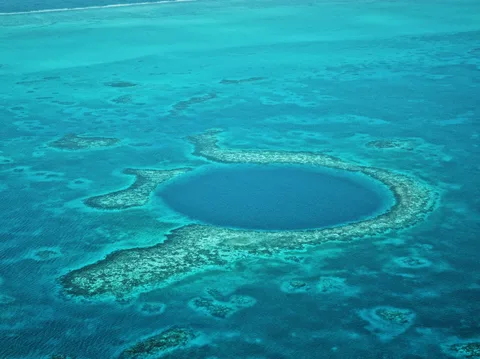
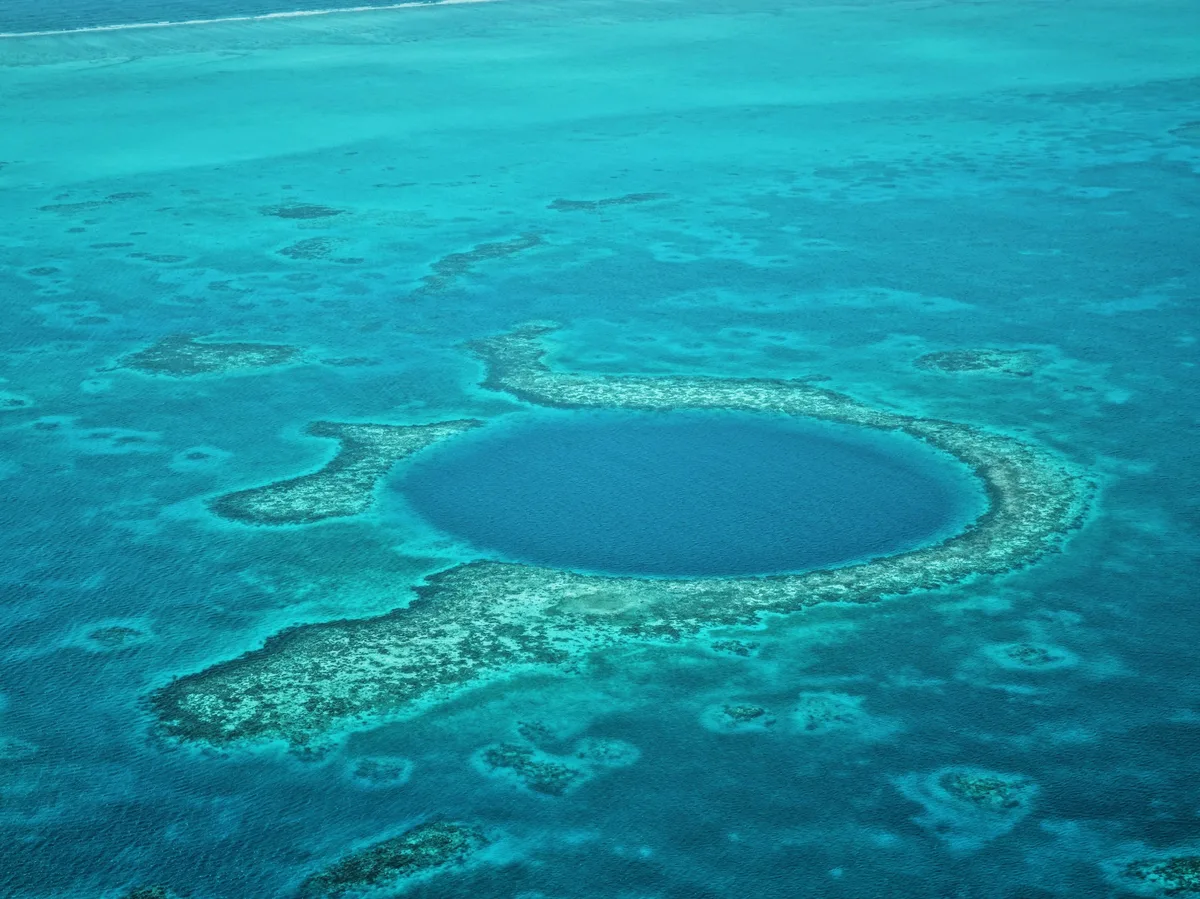
A week based on Ambergris Caye built entirely around diving the Belize Barrier Reef, with a dedicated day diving the world-famous Great Blue Hole.
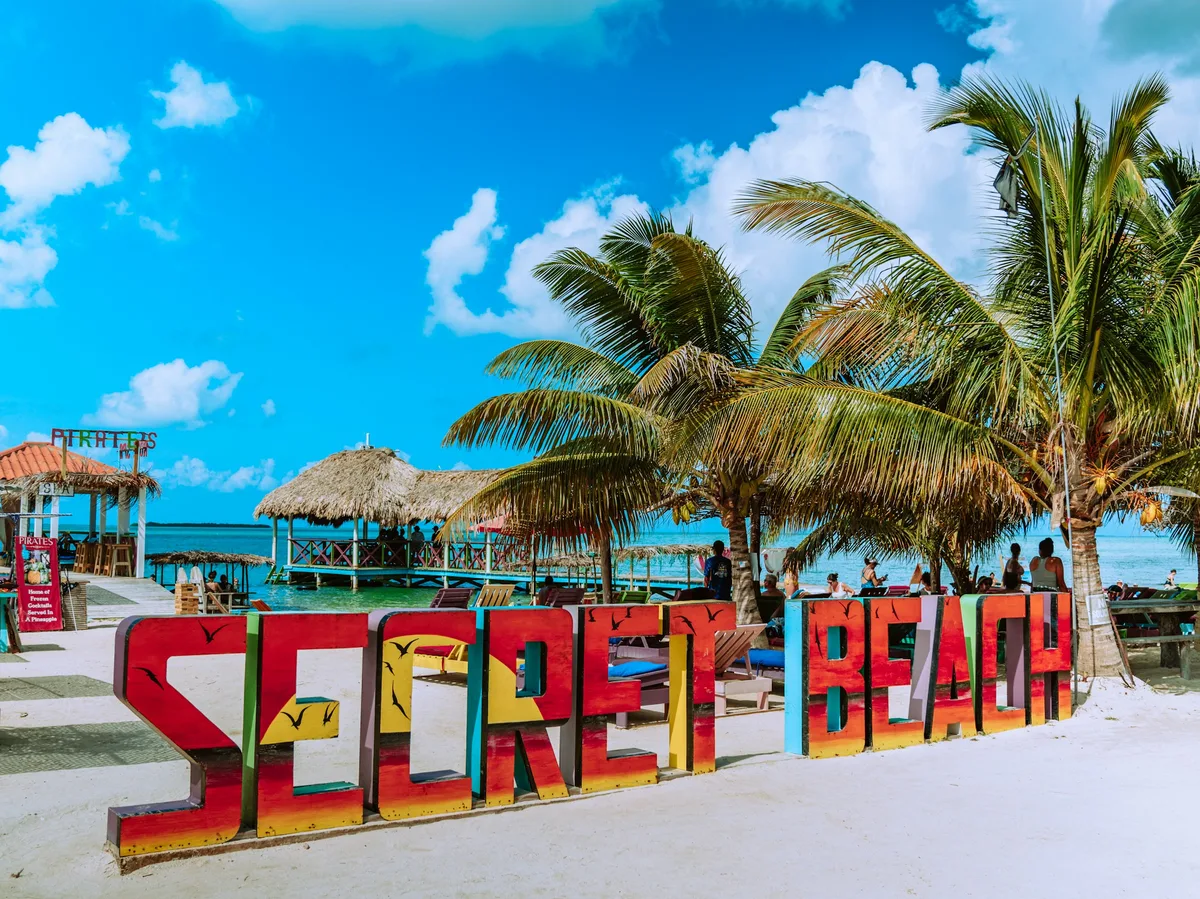 Multi-Day Tours
A 15-day family circuit through Belize's jungle lodges, Maya ruins, caves and islands, balanced with plenty of beach downtime on Caye Caulker and the Placencia Peninsula.
Visitor guide
The Belize Barrier Reef is a roughly 300 km stretch of coral reef running along the Caribbean coast of Belize, part of the wider Mesoamerican Barrier Reef System. It was inscribed as a UNESCO World Heritage Site in 1996 under the name Belize Barrier Reef Reserve System.
According to Wikipedia, the Belize section is about 300 km of the 900 km Mesoamerican reef that runs from near Cancun to Honduras. In the north it lies only a few hundred metres offshore, while in the south it sits about 40 km out. The page calls it the second-largest coral reef system in the world after Australia's Great Barrier Reef.
The World Heritage property covers about 960 square kilometres and includes seven marine reserves, around 450 cayes and three atolls: Turneffe Atoll, Glover's Reef and Lighthouse Reef. Named sites include the Great Blue Hole, Half Moon Caye, South Water Caye and Hol Chan. Turneffe is the atoll closest to Belize City, while Lighthouse Reef is the most easterly diving area in Belize.
On Lighthouse Reef, about 70 km from the mainland, the Great Blue Hole is a circular marine sinkhole roughly 318 m across and 124 m deep. Wikipedia says it formed as a karst cave during Quaternary glaciations when sea level was much lower, with stalactite analysis pointing to formation phases about 153,000, 66,000, 60,000 and 15,000 years ago. Jacques Cousteau brought his ship Calypso to chart it in 1971; his team found ledges at 21, 49 and 91 m and stalactites tilted about 5 degrees. A 2018 submarine mission mapped it with sonar and found a hydrogen sulfide layer at about 91 m below which the water is without oxygen. Nurse, Caribbean reef and blacktip sharks live in the area.
The reef is recorded as supporting about 70 hard coral species, 36 soft coral species and roughly 500 fish species, along with hundreds of invertebrates. Wikipedia adds that a large share of the reef remains unresearched and that only an estimated 10 percent of its species have been identified. The wider Mesoamerican system is credited with more than 65 stony coral species, five sea turtle species and a manatee population estimated at 1,000 to 1,500 animals, though that article carries a reliability warning. Diving here includes walls, pinnacles and shallow reef flats. Charles Darwin described the reef in 1842 as the most remarkable reef in the West Indies.
UNESCO listed the property under natural criteria vii, ix and x. It was on the list of World Heritage in Danger from 2009 to 2018. Wikipedia lists pollution, shipping, fishing, hurricanes and warming seas that cause bleaching among the pressures. A mass bleaching in 1995 is estimated to have killed about 10 percent of coral colonies. Protective measures include a ban on bottom trawling introduced in December 2010, which Wikipedia says made Belize the first country to ban it completely, and a ban on offshore oil drilling within 1 km of the reef in December 2015.
The reef draws nearly half of Belize's visitors according to Wikipedia, and it is closely tied to island bases such as Ambergris Caye, Caye Caulker and Placencia. Snorkelling, diving and boat trips are the usual ways to experience it. Voyzo can arrange private transport to the departure points for a private guided visit.
See every tour and attraction we cover in Belize.