TorontoOntario · 36 tours
 Niagara FallsOntario · 25 tours
 New York CityNew York · 30 tours
 Las VegasNevada · 8 tours
 San FranciscoCalifornia · 16 tours
 VancouverBritish Columbia · 17 tours
 DubaiUAE · 54 tours
 Abu DhabiUAE · 5 tours
 Buenos AiresArgentina · 23 tours
 AthensGreece · 31 tours
 AucklandNew Zealand · 38 tours
 CancunMexico · 54 tours
No destinations match “”. Try searching all tours instead — that search understands full questions, not just place names.
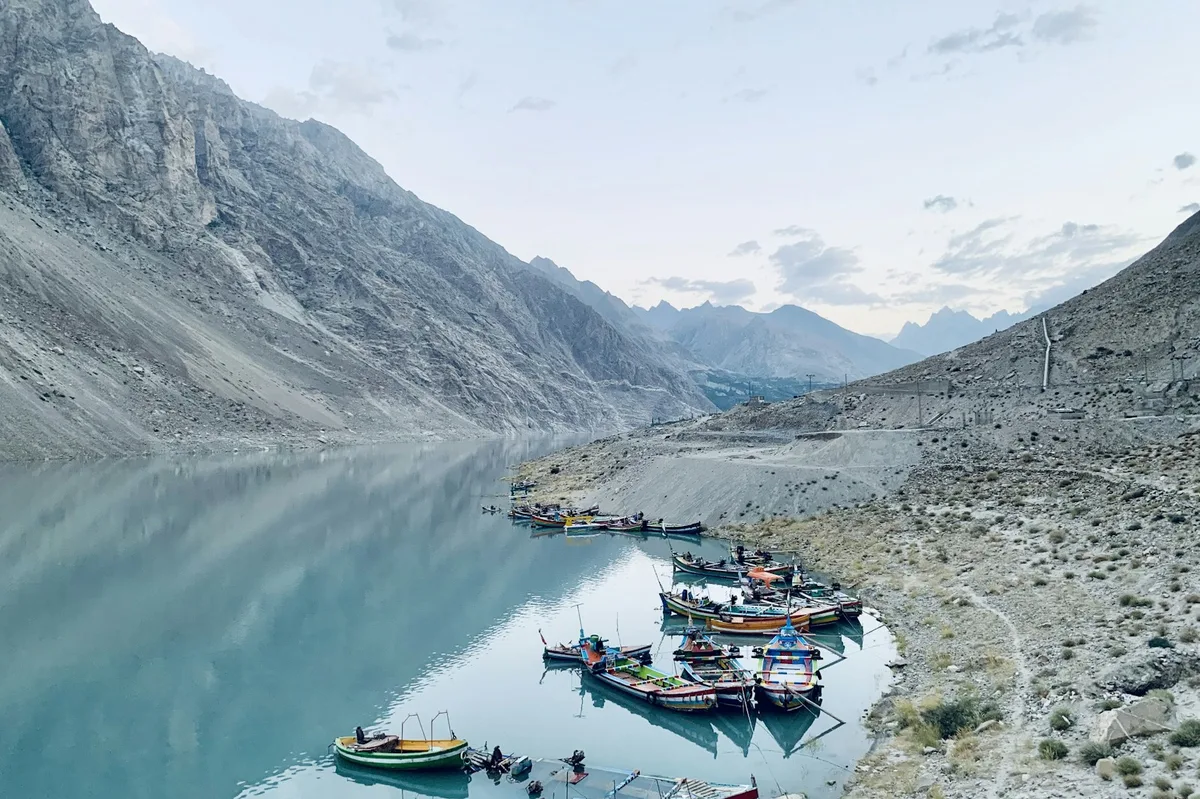
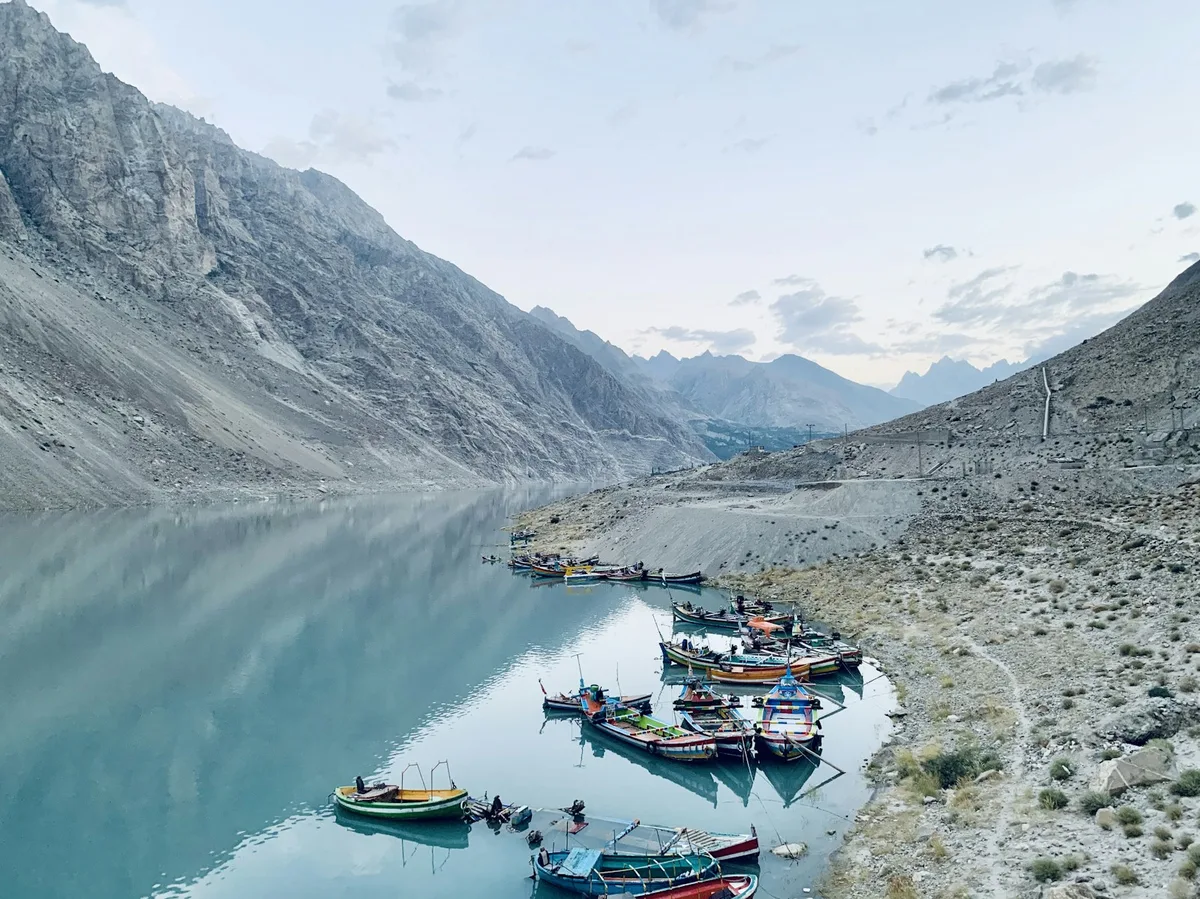
A turquoise lake in the Hunza Valley, Gilgit-Baltistan, formed by a 2010 landslide dam and now one of the region's most photographed stops.
Visitor guide
Attabad Lake, also called Hunza Lake or Gojal Lake, is a turquoise lake in the Hunza Valley of Gilgit-Baltistan, Pakistan. It was created in January 2010 when a landslide dammed the Hunza River at Attabad village, and it has since become a well-known stop on the Karakoram Highway.
According to Wikipedia, the landslide occurred on 4 January 2010 at Attabad, about 14 km upstream of Karimabad, and killed 20 people. It blocked the Hunza River for roughly five months. About 6,000 residents of upstream villages were displaced and an estimated 25,000 people were affected or cut off as transport routes were severed. The lake flooded more than 19 km of the Karakoram Highway, and by early June 2010 water began to flow over the dam.
The rising water submerged the village of Ayeenabad completely and large parts of Shishkat, about 40 percent of Gulmit, and land in Hussaini and Ghulkin. A Dawn report cited by Wikipedia counted 242 houses, 135 shops, four hotels and two schools flooded, plus 25 km of the highway and six bridges destroyed. Relief camps were set up, and the Frontier Works Organization blasted the spillway in March and May 2012, lowering the lake by at least 10 metres.
The disaster also disrupted supplies: bad weather at times stopped food, medicine and goods from arriving, and areas downstream of the lake stayed on alert while the water level rose. Two hospitals downstream evacuated staff and equipment as a precaution, and affected residents later staged a sit-in over compensation, according to Wikipedia. The episode is a reminder that the lake, though scenic, replaced farmland, homes and a stretch of an important road.
Wikipedia gives the lake a maximum length of about 21 km and a depth of 109 metres, though the text elsewhere says over 100 metres, and a volume of about 410 million cubic metres on 26 May 2010. Another section of the Hunza Valley article quotes a length of about 30 km, so figures vary by date and source. The lake is fed by the Hunza River and drains over the landslide dam into the Gojal River. Activities noted include boating, jet-skiing, fishing and winter sports.
Before the highway was rebuilt, traffic had to cross the lake by barge. On 14 September 2015, a realigned 24 km section of the Karakoram Highway with five tunnels, known as the Pakistan-China Friendship Tunnels and totalling about 7 km, was inaugurated. Wikipedia reports a cost of 275 million US dollars and describes the road as part of the China-Pakistan Economic Corridor, restoring the road link between Pakistan and China.
The lake lies in Gojal, the upper part of the Hunza Valley, and is usually visited as part of a journey along the Karakoram Highway between Karimabad and Passu. The setting of steep Karakoram walls above bright blue water makes it among the most photographed stops in the region. A private tour with a driver suits the highway stretch, which also passes the tunnels built after the landslide.
See every tour and attraction we cover in Pakistan.