TorontoOntario · 36 tours
 Niagara FallsOntario · 25 tours
 New York CityNew York · 30 tours
 Las VegasNevada · 8 tours
 San FranciscoCalifornia · 16 tours
 VancouverBritish Columbia · 17 tours
 DubaiUAE · 54 tours
 Abu DhabiUAE · 5 tours
 Buenos AiresArgentina · 23 tours
 AthensGreece · 31 tours
 AucklandNew Zealand · 38 tours
 CancunMexico · 54 tours
No destinations match “”. Try searching all tours instead — that search understands full questions, not just place names.
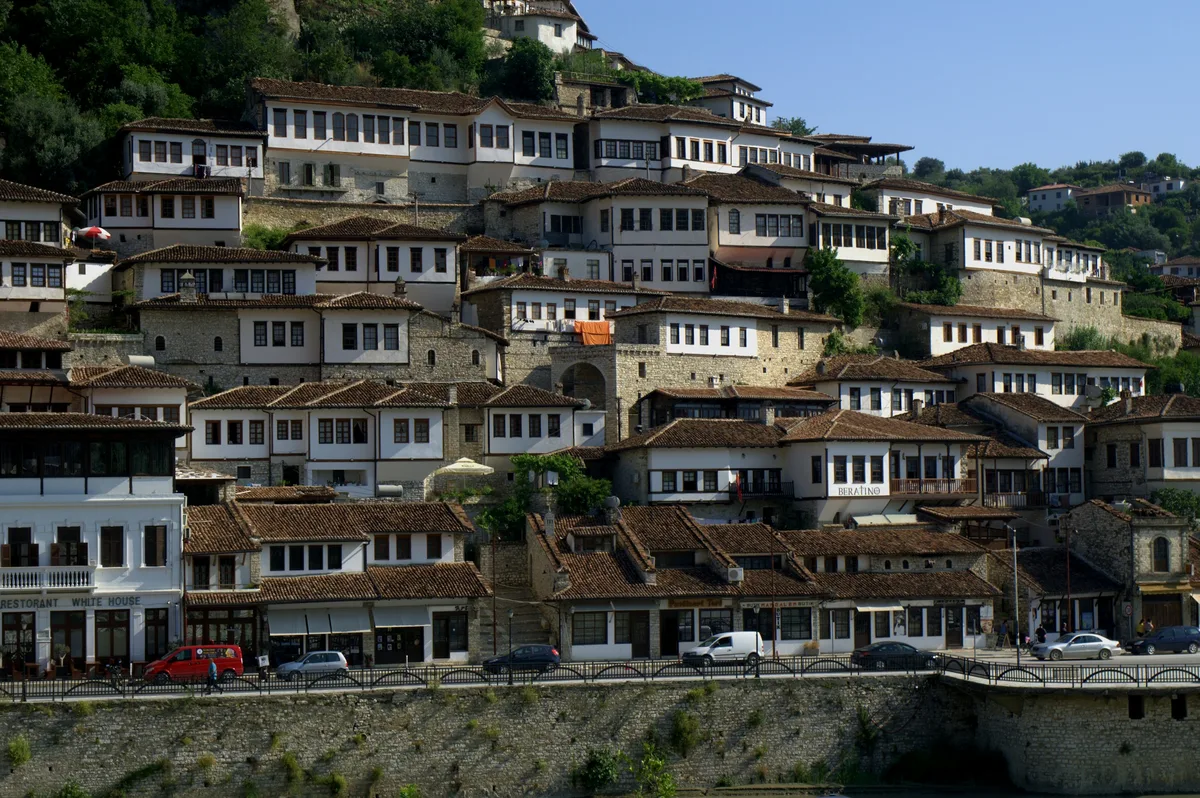
A UNESCO World Heritage hillside of stacked Ottoman-era houses beneath a 13th-century hilltop fortress, earning Berat its nickname 'the City of a Thousand Windows'.
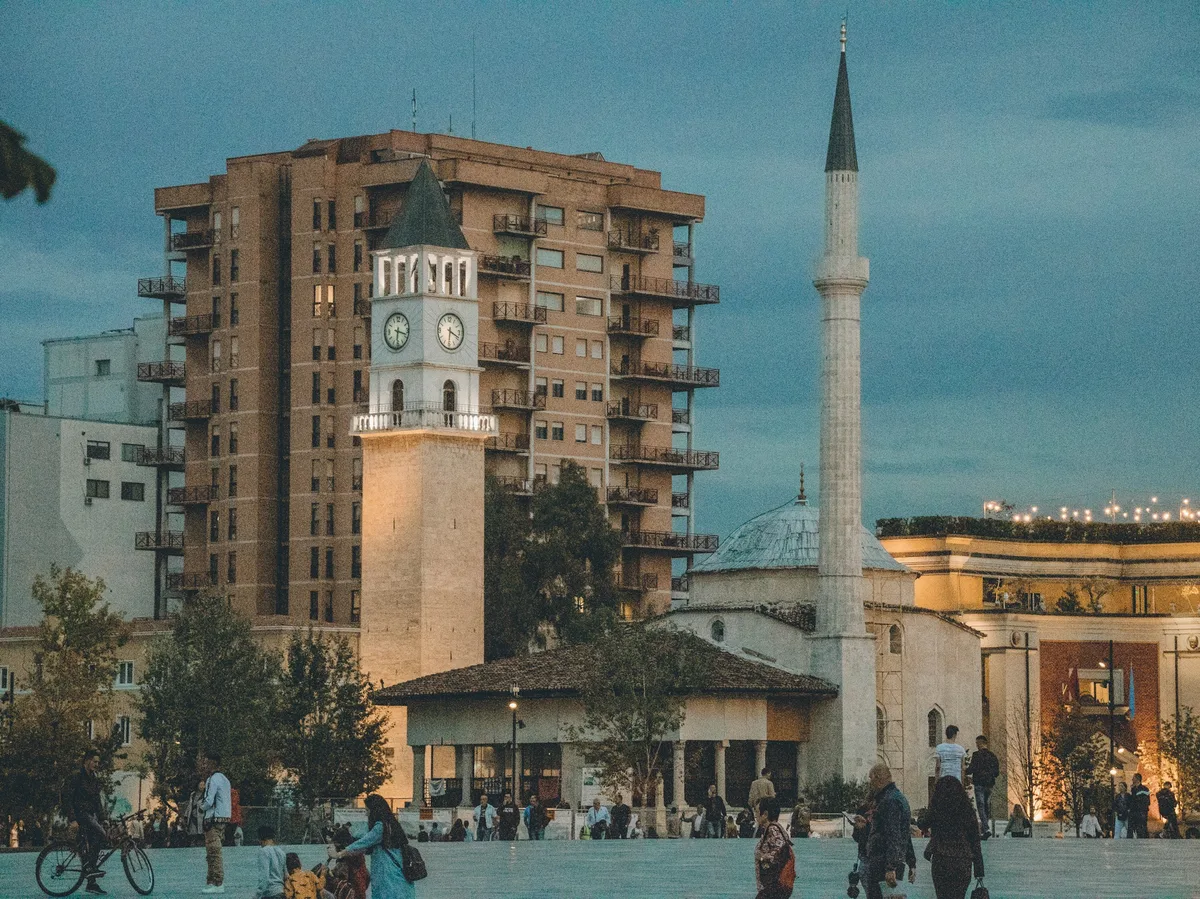 Multi-Day Tours
An 8-day private tour from Tirana through Ottoman Berat, the Vjosa River, ancient Butrint, and the Albanian Riviera's coastline to Kruje.
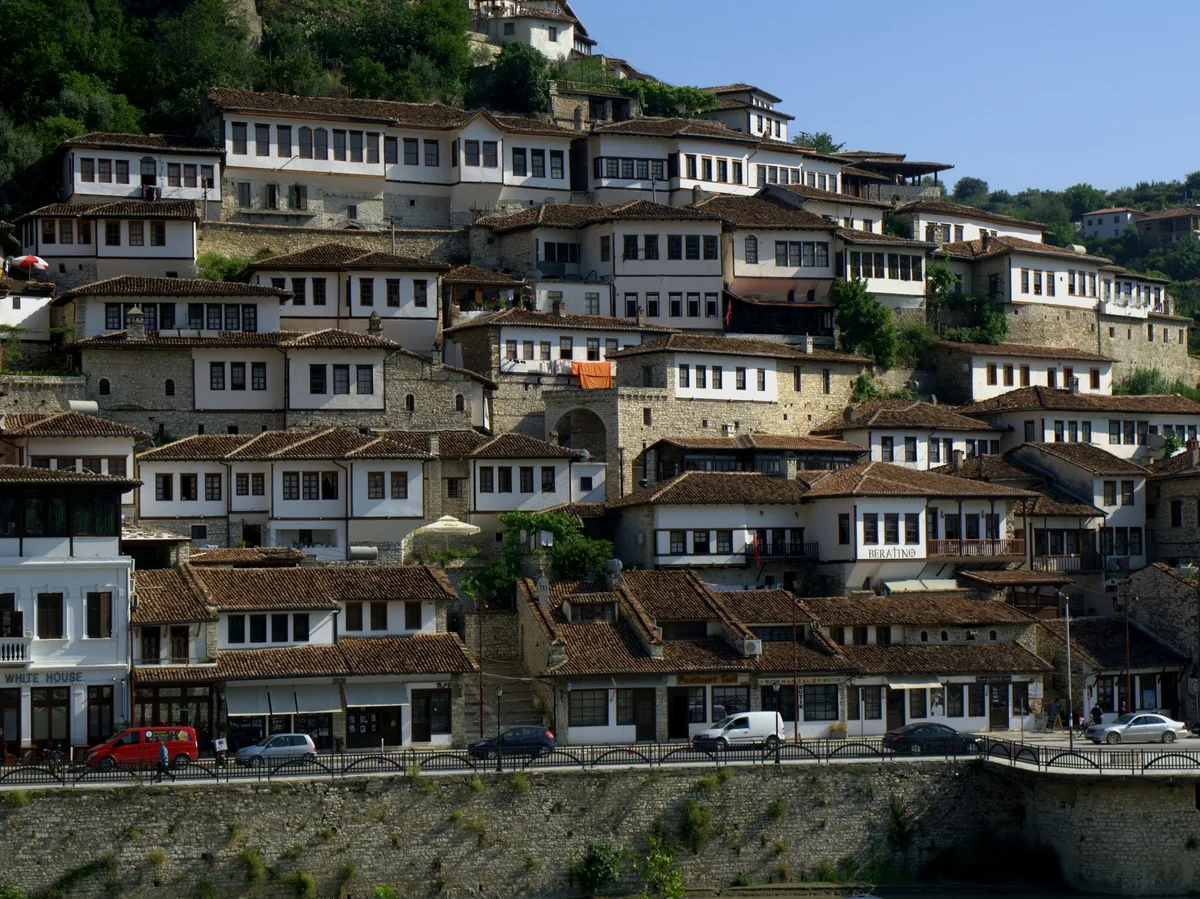 Multi-Day Tours
An 8-day private tour from Tirana through the Karavasta Lagoon, ancient Apollonia, the Albanian Riviera, and Ottoman Gjirokastra and Berat, with a cooking class and canyon adventure along the way.
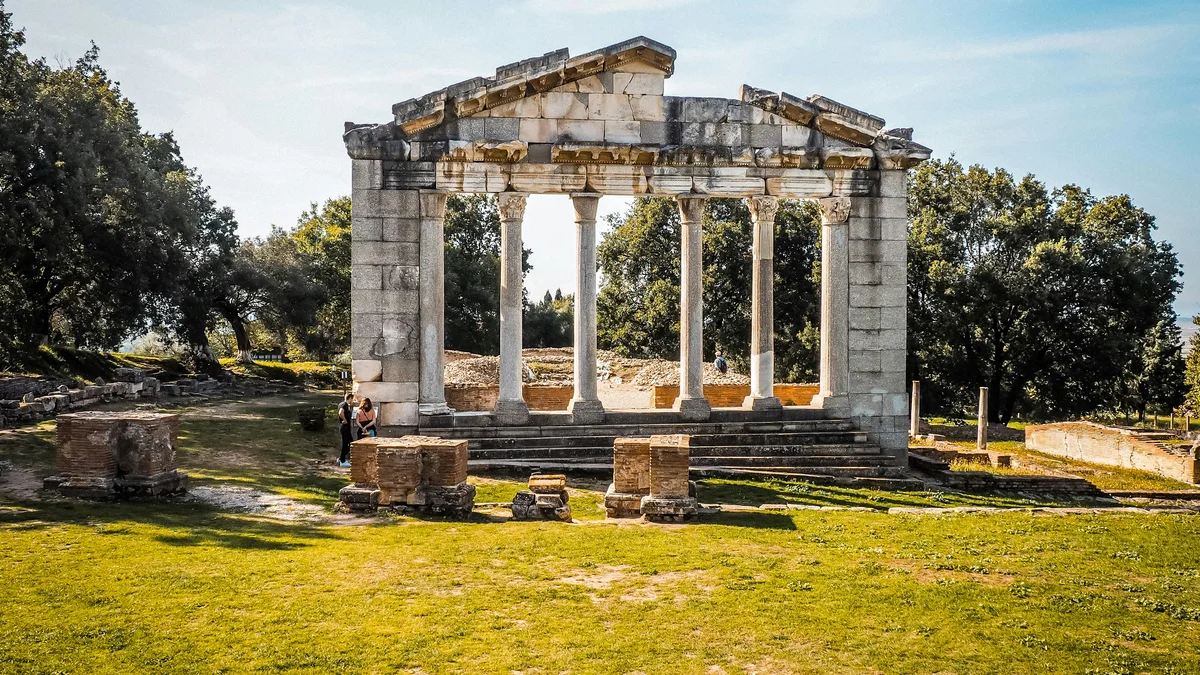 Multi-Day Tours
An 8-day private tour from Kruje through Ottoman Berat, ancient Apollonia, artisan Gjirokastra, and rural farm life in Këlcyrë and Përmet, ending in Tirana.
Visitor guide
Berat is a historic town in southern Albania, set on the Osum River beneath a hilltop fortress known as Kala or Berat Castle. Its old quarters of stacked Ottoman-era houses, churches and mosques are part of the UNESCO World Heritage Site Historic Centres of Berat and Gjirokastra, and the town is widely nicknamed the City of a Thousand Windows.
Wikipedia reports ceramic finds from the 7th century BCE that attest to Illyrian settlement on the rocky hill. Berat is identified with the ancient town of Antipatrea, which the Roman legatus Lucius Apustius stormed in 200 BCE, according to the historian Livy. In the early Byzantine period it was known as Pulcheriopolis. The Bulgarian Empire took it in the 9th century and gave it the Slavic name Belgrad, meaning White City, which became Berat under Ottoman rule. The town later passed to the Despotate of Epirus and, briefly, the Kingdom of Albania before Ottoman control.
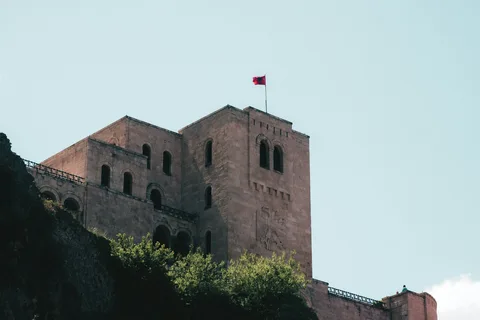
The fortress stands on a rocky hill on the right bank of the Osum at about 214 metres above sea level, accessible only from the south. Wikipedia notes that the walls were strengthened in the 5th century under Theodosius II, rebuilt in the 6th century under Justinian I and again in the 13th century under Michael I Komnenos Doukas, ruler of the Despotate of Epirus, whose phase is marked by a monogram in red brick. The enclosed area was large enough to house a considerable part of the town's population, and the buildings inside date largely from the 13th century. The castle once held about 20 churches and a single mosque for the Ottoman garrison, and some of the churches survive today.
Many of the castle's Orthodox churches hold murals and icons by Albanian painters. The 13th-century Church of St Mary of Blachernae has 16th-century paintings by Nikolle Onufri, son of Onufri, widely regarded as the most important Albanian icon painter of the post-medieval era. The Church of the Holy Trinity dates from the 14th century. The former cathedral of St Nicholas houses a museum devoted to Onufri, with works by him, his son and others, as well as religious silverwork. Berat also holds an important place in the Albanian Orthodox Church, whose autocephaly was proclaimed there in 1922.
Below the castle are the King Mosque, built in the reign of Bayezid II between 1481 and 1512, the Lead Mosque of 1555 and the Bachelors' Mosque of 1827, which has a portico decorated with flowers and plants. The Halveti Tekke belongs to the Khalwati Sufi order. Together these buildings reflect the centuries of coexistence between communities that UNESCO highlights.
The nickname comes from the large windows of the old houses in the Mangalem and Gorica quarters, which rise in tiers up the hillside and seem to look down on each other. Wikipedia also gives a variation, the Town of One Window Above the Other. UNESCO inscribed Berat in 2008 as an extension to Gjirokastra, which was listed in 2005, as a rare example of the architecture typical of the Ottoman period in the Balkans. The Gorica Bridge, a seven-arch crossing 129 metres long, links the two sides of the river; it was first built in wood in 1780 and rebuilt in stone in the 1920s. Local legend, not history, says the original wooden bridge contained a dungeon.
The National Ethnographic Museum, opened in 1979, shows household objects and a model of a medieval street. A Jewish history museum in the town covers the survival of Jews in Albania during the Second World War.
The castle is reached by a steep path up from the town and is best explored on foot, with a guide to explain the churches and the layered history. A private tour with a driver can link Berat with Tirana, Gjirokastra or the coast.
See every tour and attraction we cover in Albania.