TorontoOntario · 36 tours
 Niagara FallsOntario · 25 tours
 New York CityNew York · 30 tours
 Las VegasNevada · 8 tours
 San FranciscoCalifornia · 16 tours
 VancouverBritish Columbia · 17 tours
 DubaiUAE · 54 tours
 Abu DhabiUAE · 5 tours
 Buenos AiresArgentina · 23 tours
 AthensGreece · 31 tours
 AucklandNew Zealand · 38 tours
 CancunMexico · 54 tours
No destinations match “”. Try searching all tours instead — that search understands full questions, not just place names.
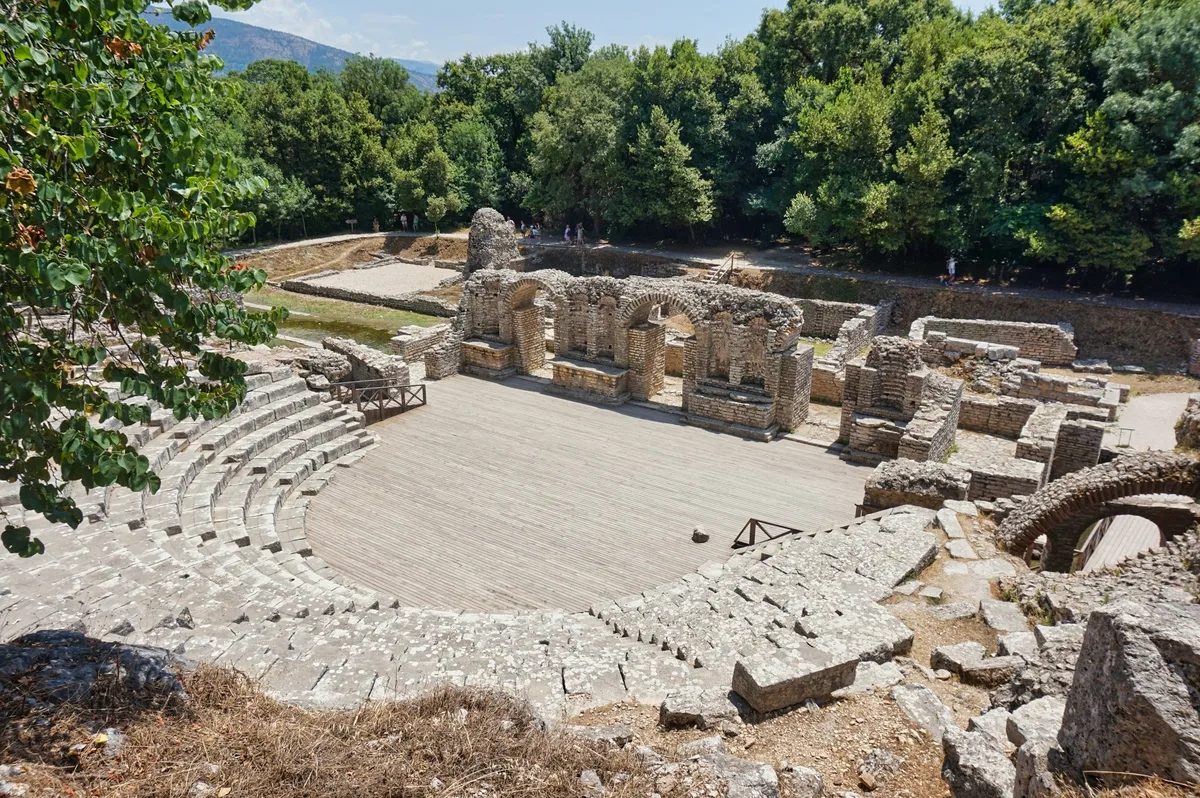
A UNESCO World Heritage archaeological site layered with Greek, Roman, and Byzantine ruins, including a well-preserved ancient theatre, set within a national park on the Ionian coast.
 Multi-Day Tours
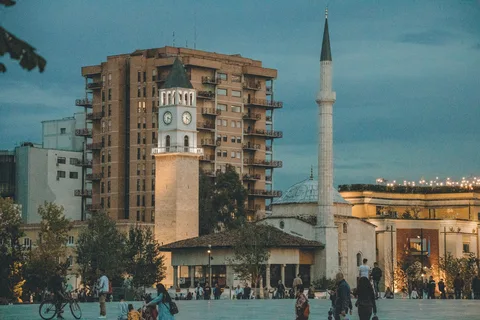
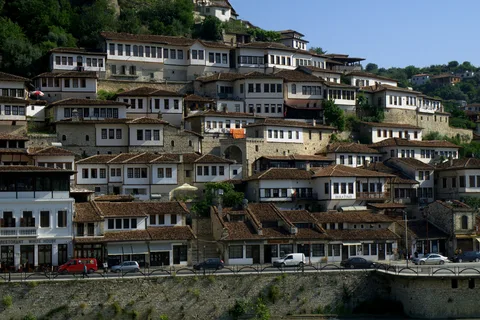
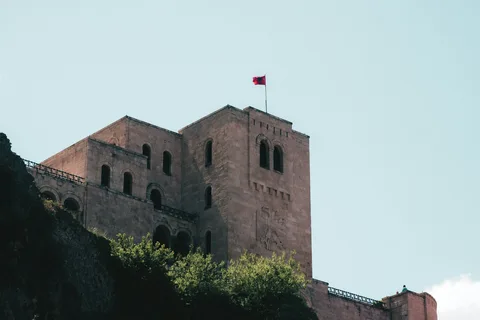
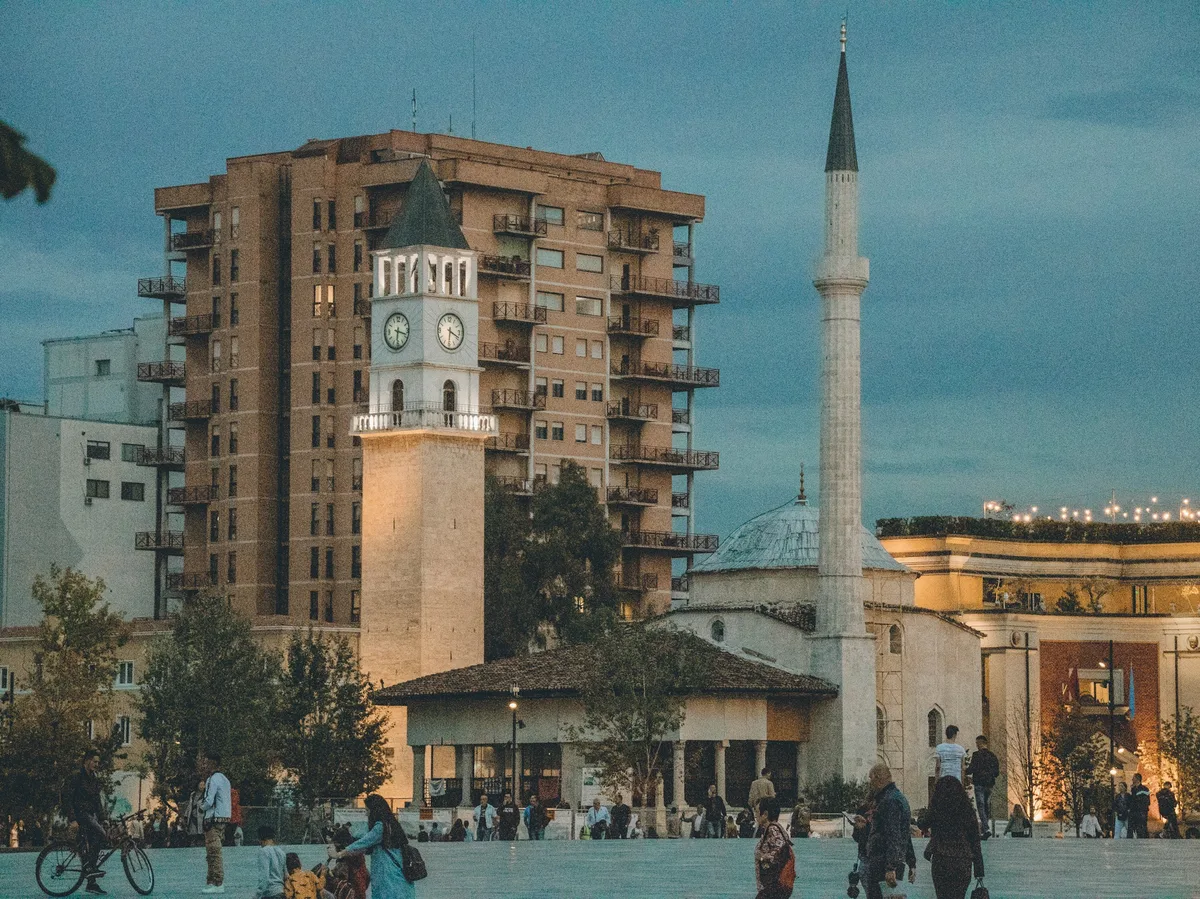
An 8-day private tour from Tirana through Ottoman Berat, the Vjosa River, ancient Butrint, and the Albanian Riviera's coastline to Kruje.
 Multi-Day Tours
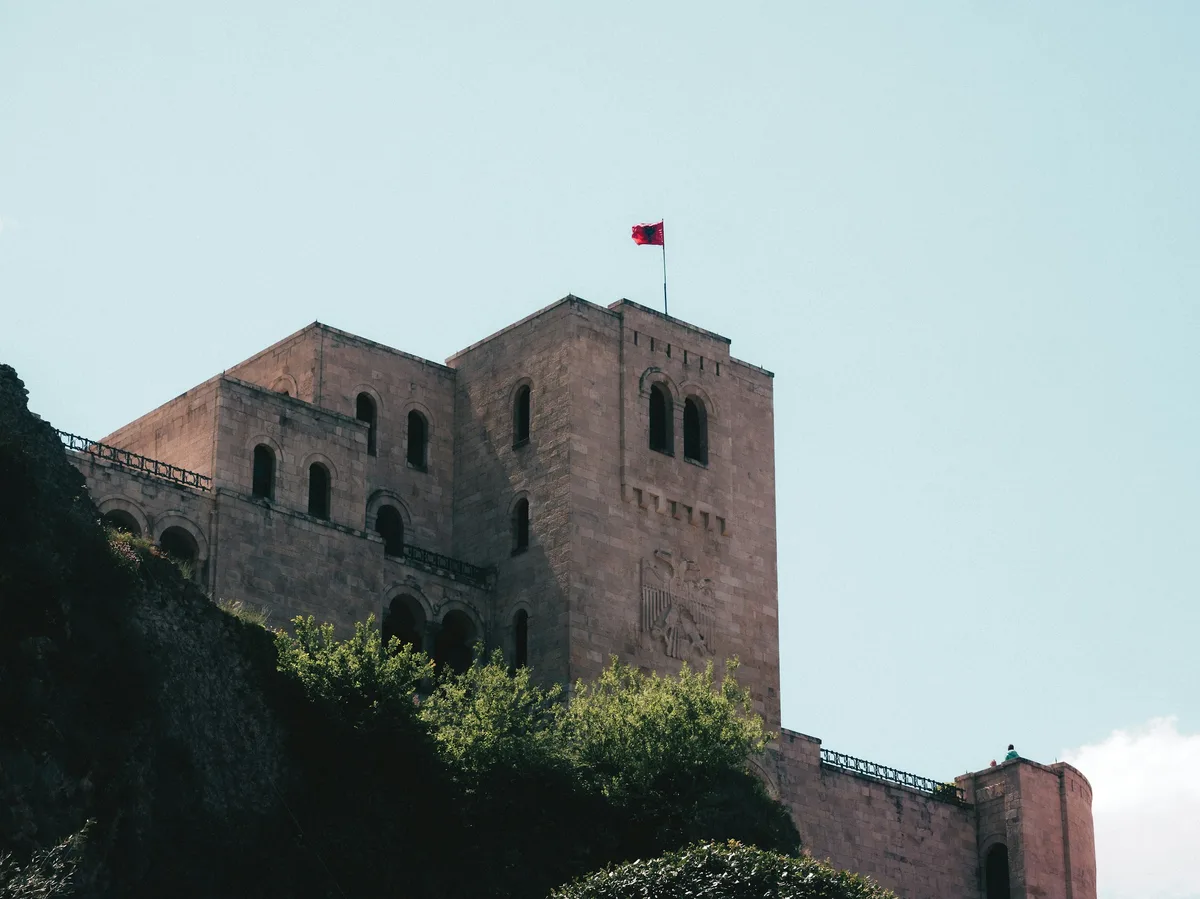
An 8-day private tour from Berat through Ottoman Gjirokastra, ancient Butrint, Përmet's thermal springs, and Karavasta Lagoon to Tirana.
 Multi-Day Tours
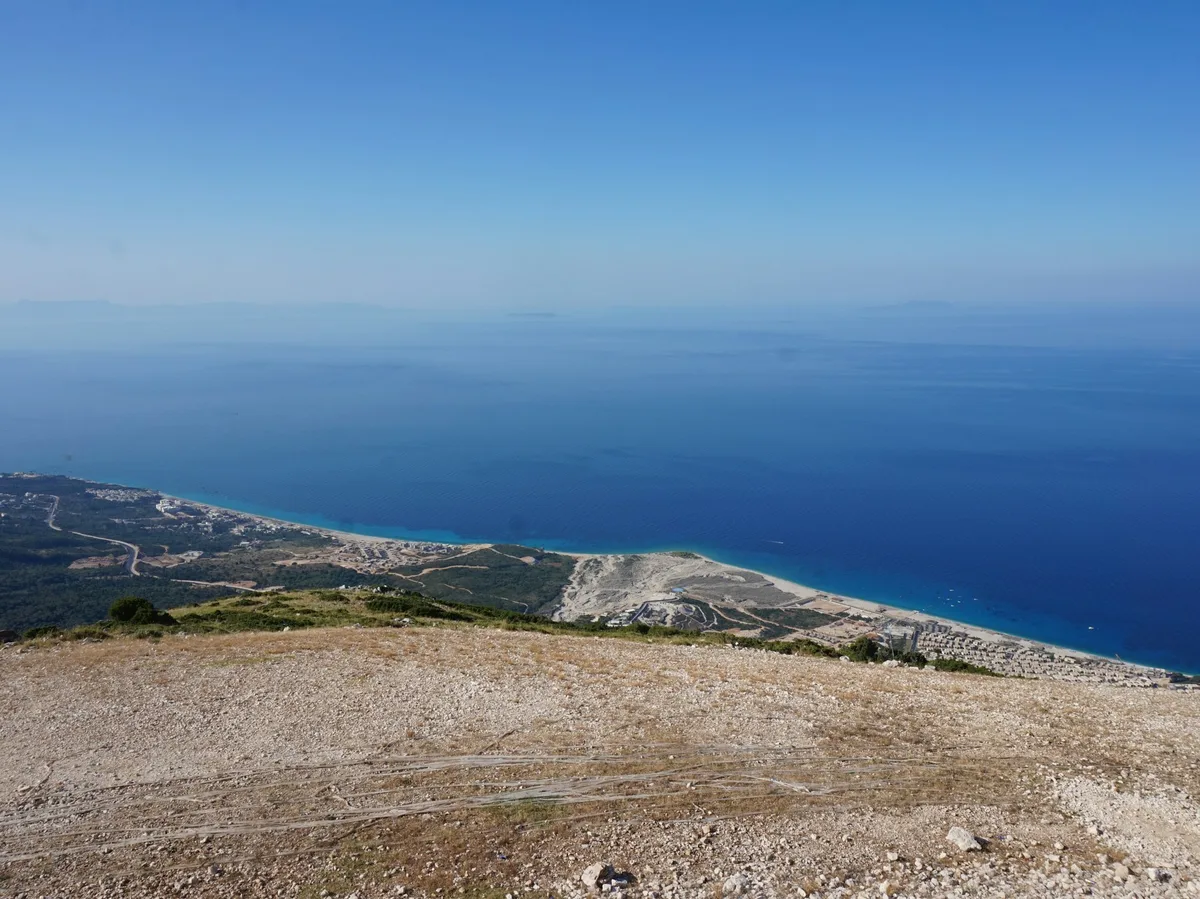
An 8-day private tour from Tirana along the Adriatic and Ionian coasts, through Llogara National Park, ancient Butrint, and Ottoman Gjirokastra and Berat, with rafting in the Osumi Canyon.
Visitor guide
Butrint is an archaeological site in southern Albania, about 14 to 18 kilometres south of Sarande and close to the Greek border. Once an ancient Greek polis, then a Roman colony and an early Christian bishopric, it sits on a hill above the Vivari Channel within Butrint National Park, and has been a UNESCO World Heritage Site since 1992.
Wikipedia places the earliest settled occupation between the 10th and 8th centuries BC, with Greek pottery from the 7th and 6th centuries BC. The town, known in Greek as Bouthroton, was originally a major centre of the Chaonians, a tribe of Epirus, and lay at a strategic point on the Straits of Corfu. Roman writers including Virgil gave it a legendary founder, the Trojan seer Helenus, and told of a visit by Aeneas after the fall of Troy. This should be read as legend rather than documented history.
By the 4th century BC the town had a theatre, a sanctuary of Asclepius and an agora, and an outer wall of around 380 BC enclosed about four hectares. Butrint became a Roman protectorate in 228 BC. In 44 BC Caesar designated it a colony for veterans, and Augustus renewed the plan after the battle of Actium in 31 BC. New construction in that period included an aqueduct, baths, houses and a forum complex, and the town roughly doubled in size.
An earthquake in the 3rd century AD damaged much of the town, but it survived into late antiquity as a port and bishopric. The Triconch Palace, a grand house, dates from around 425, and the Grand Basilica from the first half of the 6th century. A baptistery with a large mosaic dates to the same century. The city remained a bishopric through the Byzantine period and then passed between the Despotate of Epirus, the Angevins and the Venetians. By 1572 the wars between Venice and the Ottomans had left it ruined, and the acropolis was abandoned. The original city site was later surrounded by malarial marshes and unoccupied for centuries, according to Wikipedia.
Visitors can see the ancient theatre, which is known for the many inscriptions carved into its stones, the sanctuary of Asclepius, the Lion Gate and Scaean Gate, the baptistery with its mosaic, the Great Basilica, Roman houses and stretches of city wall. The site has two castles, including the Ali Pasha Castle, a later fortress. The theatre dates from the Hellenistic period, so references to a Roman amphitheatre at Butrint are inaccurate; it is a Greek-style theatre later modified under Rome.
Excavations began in 1928 under an Italian expedition led by Luigi Maria Ugolini. They continued after the war with Albanian archaeologists, and since 1993 a joint project between the Butrint Foundation and the Albanian Institute of Archaeology has carried out major work. Wikipedia notes that the site was added to the World Heritage in Danger list after the unrest of 1997 because of looting and management issues.
Butrint National Park, first declared in 1999 and established by ordinance in 2000, covers roughly 86 to 94 square kilometres depending on the source of hills, freshwater lakes, wetlands, salt marshes and reed beds. It holds more than 1,200 species of plants and animals, according to Wikipedia, and includes the lake and lagoon, the Vivari Channel and the islands of Ksamil. The ancient city lies within woodland, and climate change means the area around the theatre and forum can sometimes be flooded.
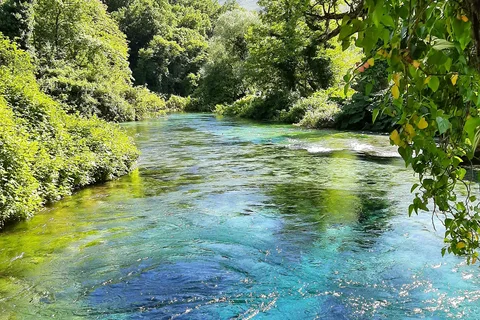
A private tour with a driver and guide suits Butrint, because the monuments are spread through woodland and the ancient layers are easier to read with someone explaining them. The site is often paired with Sarande, the Blue Eye spring and Ksamil.
See every tour and attraction we cover in Albania.