TorontoOntario · 36 tours
 Niagara FallsOntario · 25 tours
 New York CityNew York · 30 tours
 Las VegasNevada · 8 tours
 San FranciscoCalifornia · 16 tours
 VancouverBritish Columbia · 17 tours
 DubaiUAE · 54 tours
 Abu DhabiUAE · 5 tours
 Buenos AiresArgentina · 23 tours
 AthensGreece · 31 tours
 AucklandNew Zealand · 38 tours
 CancunMexico · 54 tours
No destinations match “”. Try searching all tours instead — that search understands full questions, not just place names.
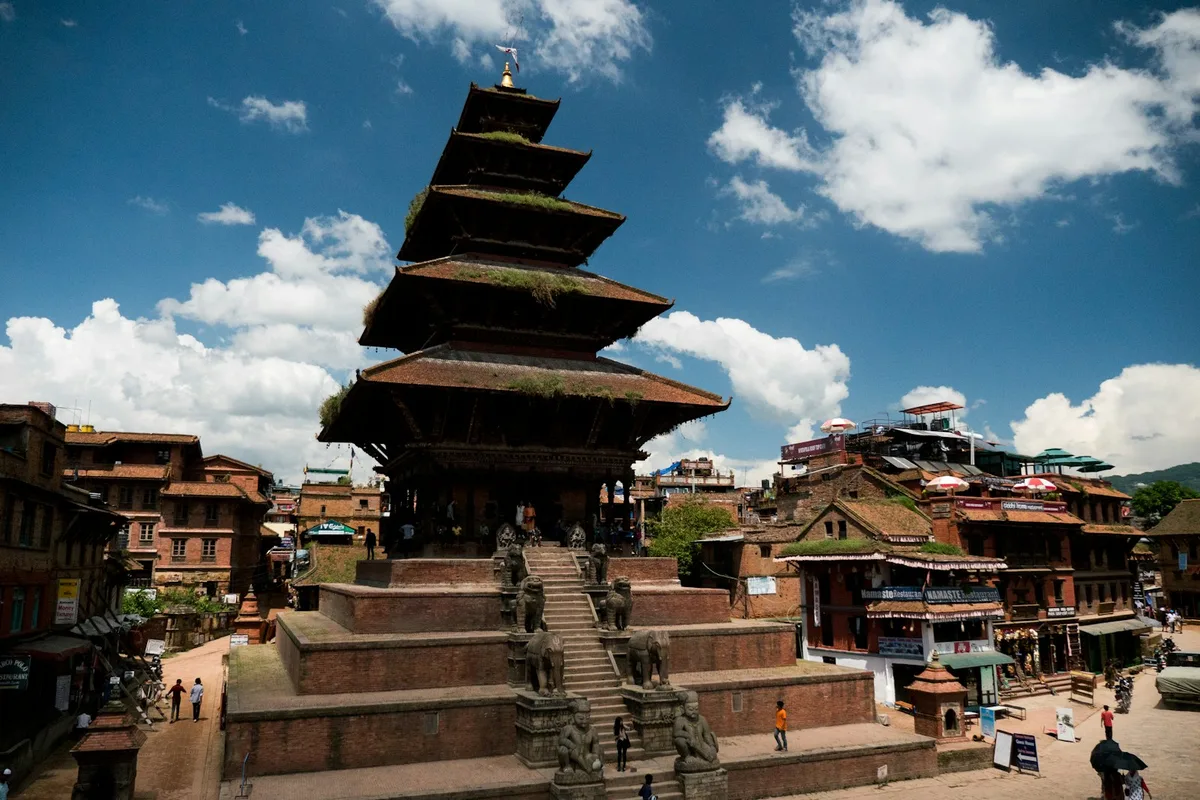
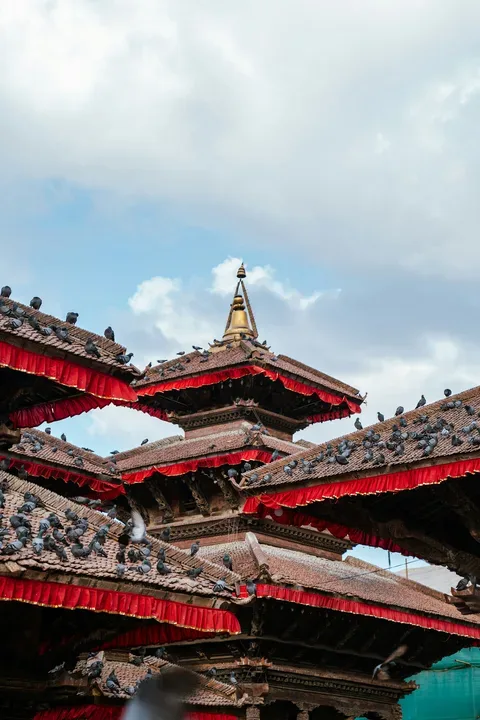
A UNESCO-listed former royal palace complex in the Kathmandu Valley city of Bhaktapur, with Newar pagoda temples, the 55-Window Palace, and the five-tiered Nyatapola Temple nearby.
 Multi-Day Tours
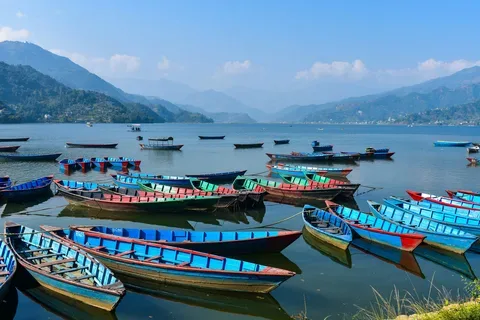
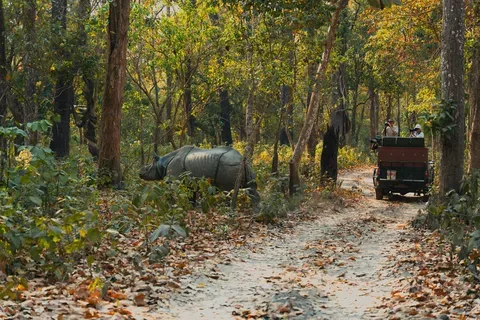
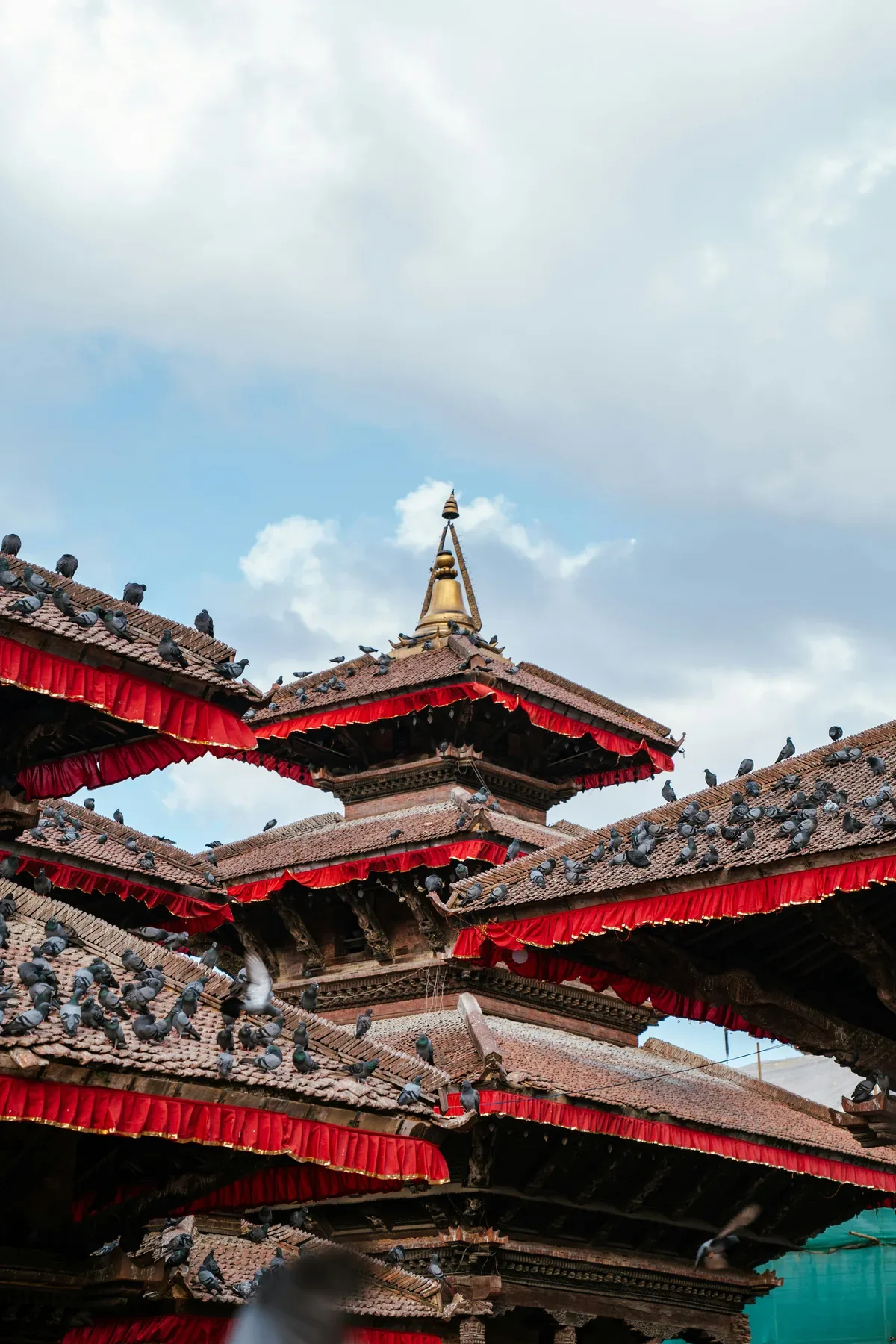
A 12-day circuit through the Kathmandu Valley's Durbar Squares and stupas, south into Chitwan National Park's jungle and wildlife, and west to the lakeside city of Pokhara beneath the Annapurna range.
 Multi-Day Tours
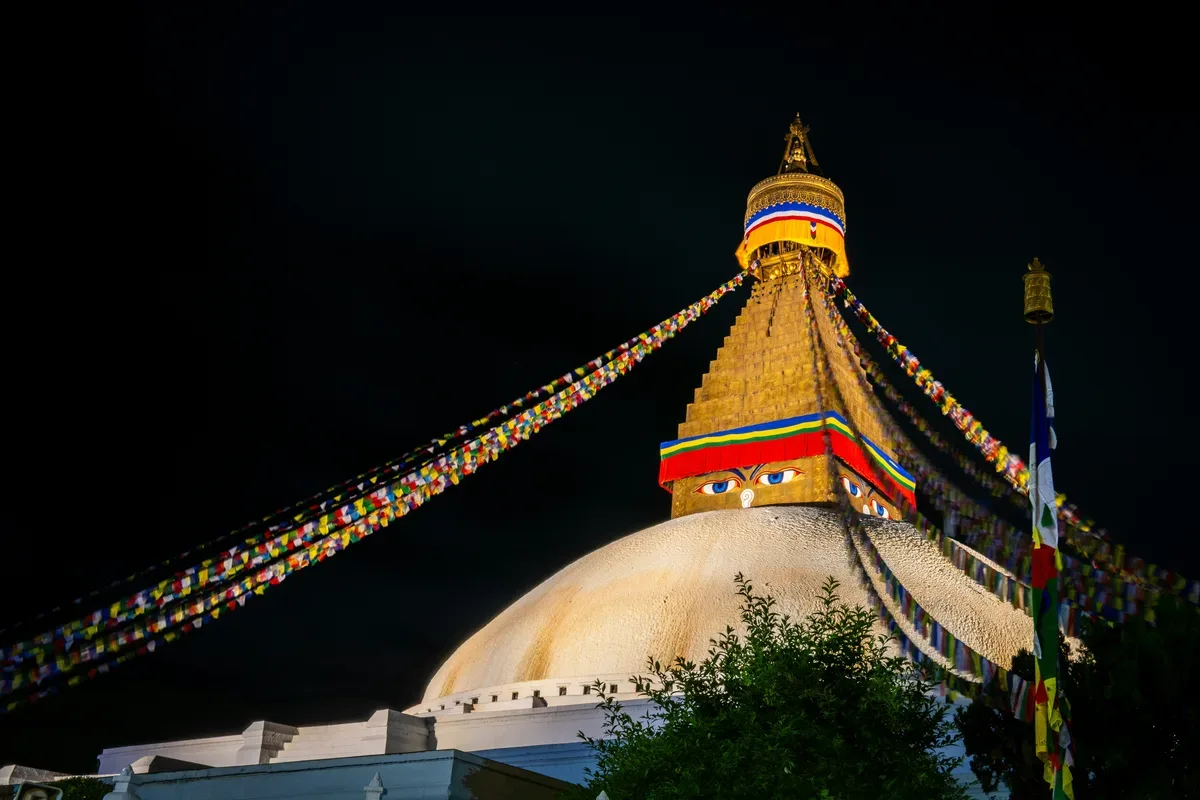
An 8-day route through Kathmandu Valley's UNESCO sites and the Living Goddess Kumari, a Chitwan safari, Pokhara's lakeside, and an optional helicopter flight over the Annapurna range.
 Multi-Day Tours
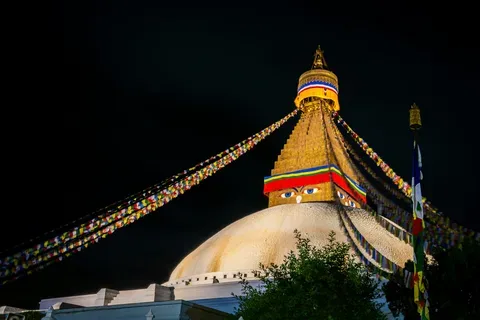
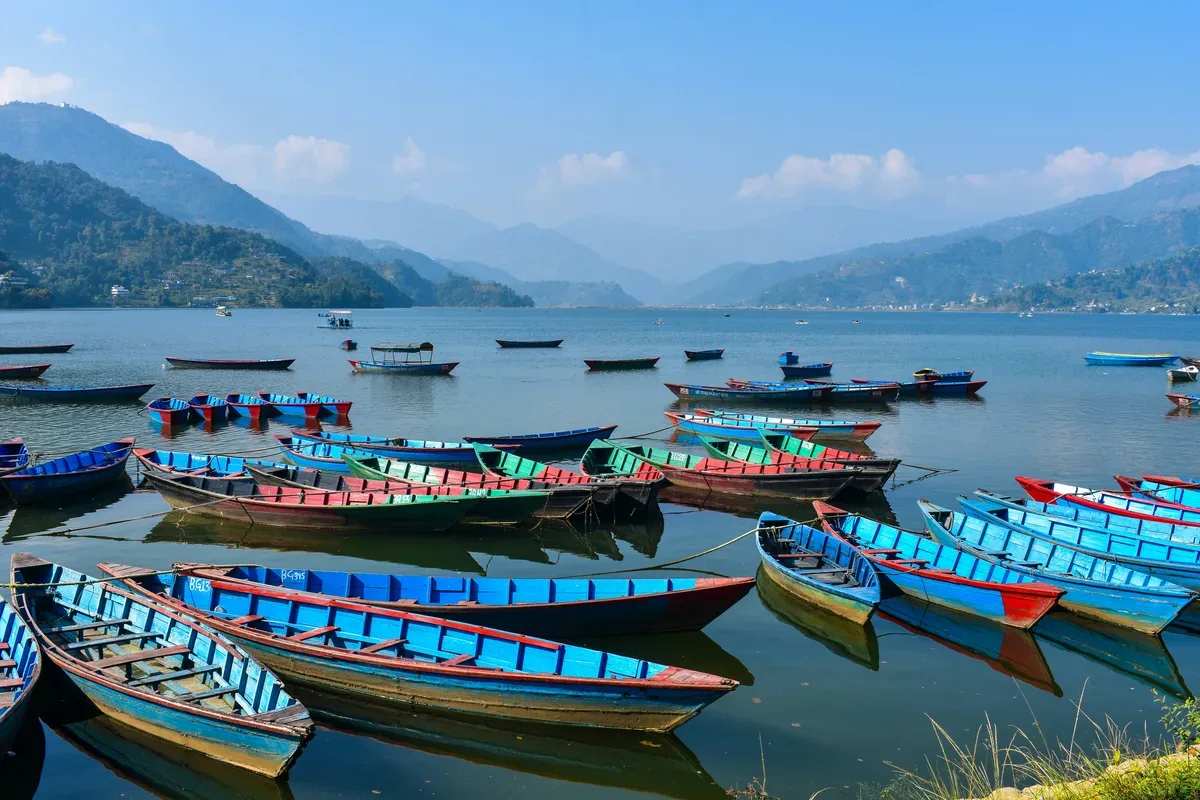
A 7-day route from Kathmandu's Pashupatinath Temple and Durbar Squares into Chitwan National Park's jungle safaris, finishing with sunrise over Annapurna from Sarangkot and Phewa Lake in Pokhara.
 Multi-Day Tours
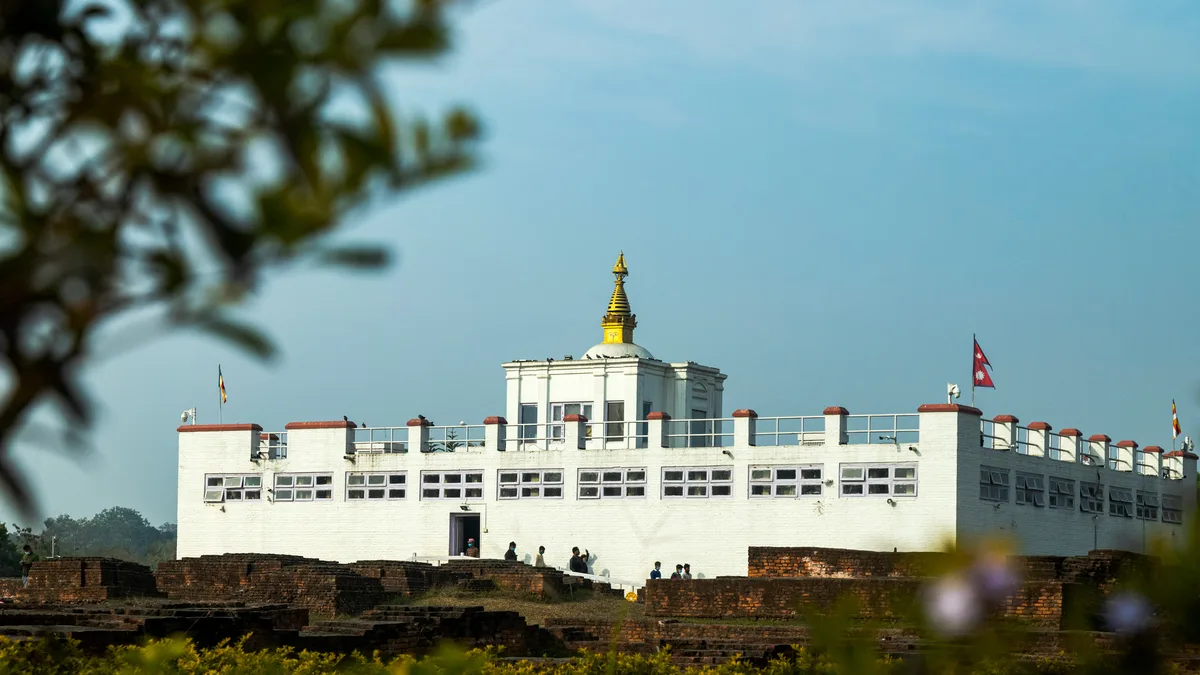
A 10-day route through Kathmandu's four UNESCO World Heritage Sites, Chitwan National Park's jungle, Buddha's birthplace at Lumbini, and Pokhara's lakeside beneath the Annapurna range.
 Multi-Day Tours
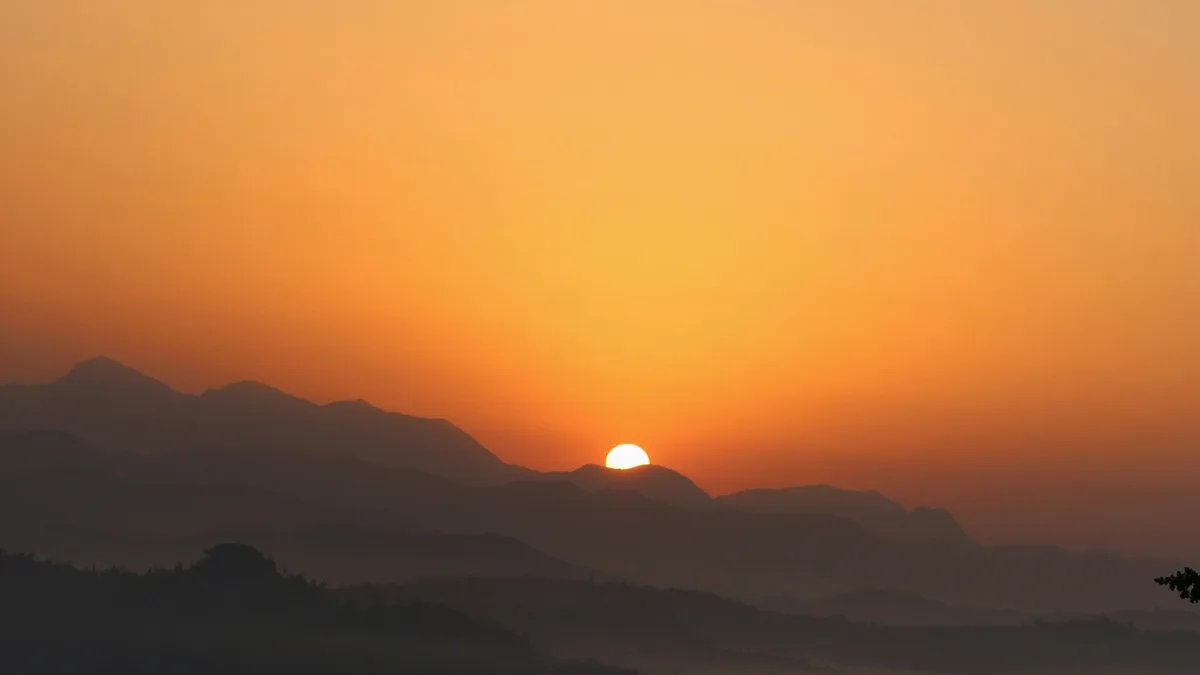
A 7-day route through Kathmandu Valley's temples and UNESCO squares, the hilltop views of Nagarkot, and Pokhara's lakeside beneath the Annapurna range, with sunrise from Sarangkot.
 Multi-Day Tours
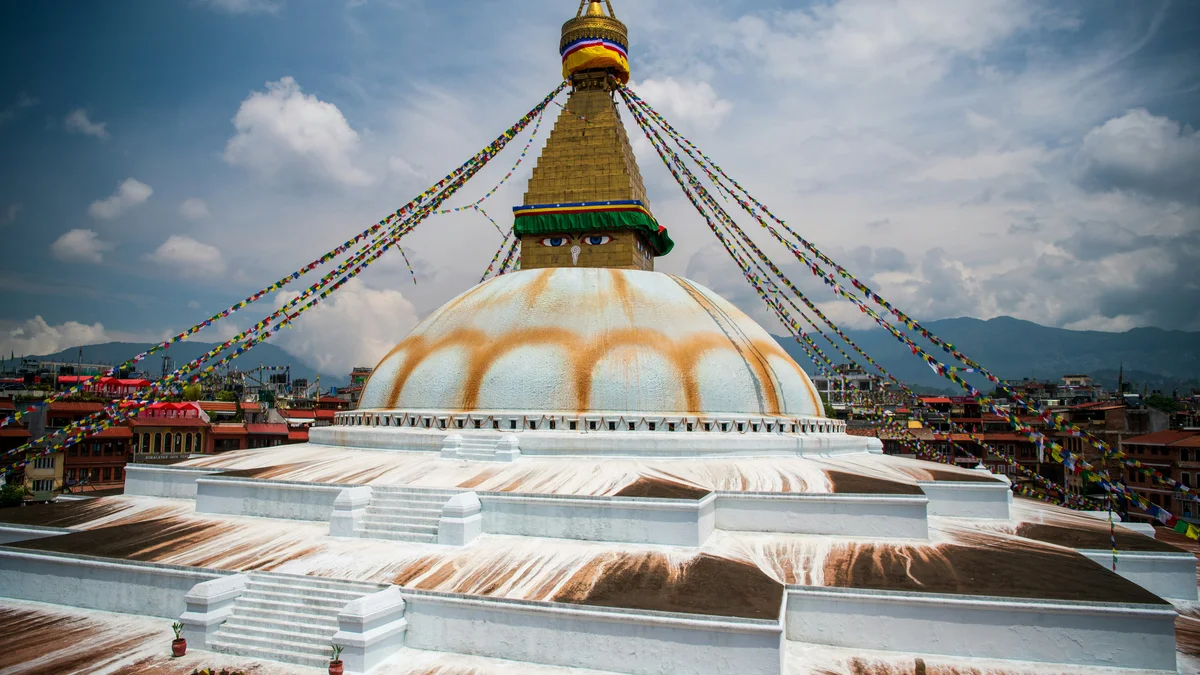
A 9-day pilgrimage tracing Nepal's Buddhist sites — the meditation caves of Patan, Boudhanath and Swayambhunath stupas, Lumbini where Buddha was born, and the sacred hill of Namobuddha.
 Multi-Day Tours
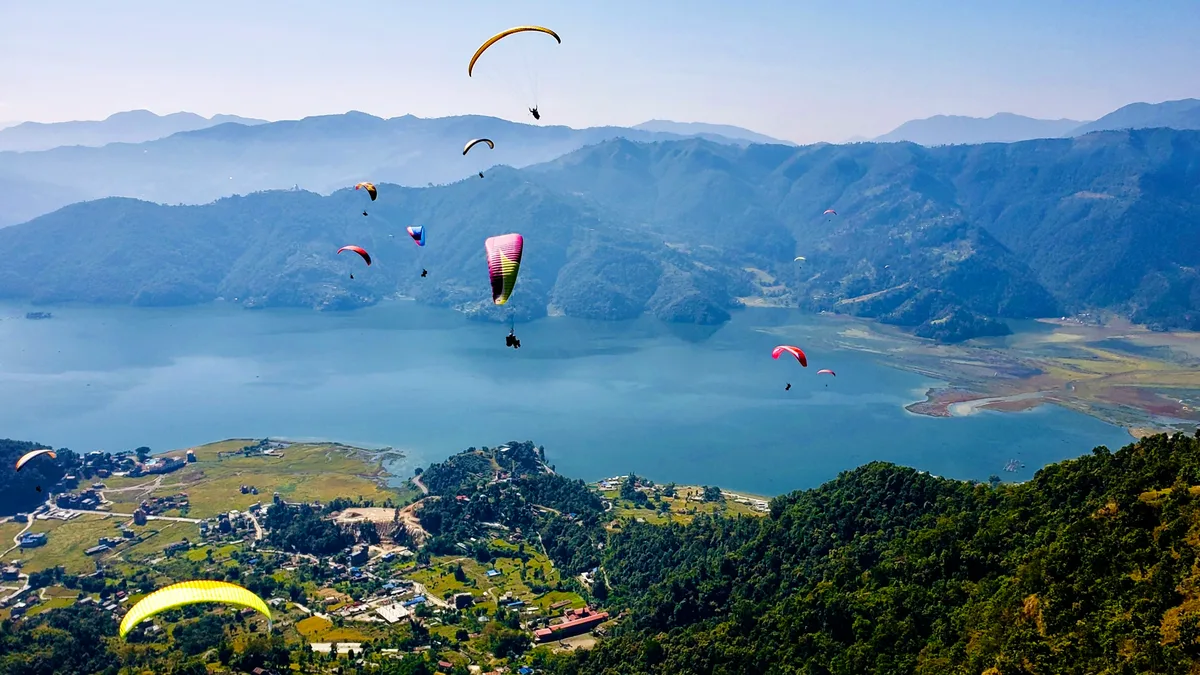
A family-paced 9-day route from Kathmandu Valley's UNESCO sites to Pokhara, with an easy two-day foothill walk to Australian Camp and Sarangkot, and time for paragliding and ziplining above the lake.
Visitor guide
Bhaktapur Durbar Square is a former royal palace complex in Bhaktapur, Nepal, in the Kathmandu Valley. It housed the Malla kings of Nepal from the 14th to 15th centuries and then the kings of the Kingdom of Bhaktapur from the 15th century until the kingdom was conquered in 1769. Today it is one of the seven monument zones of UNESCO's Kathmandu Valley World Heritage property, inscribed in 1979.
Wikipedia says the square was considered the biggest and grandest of the valley's three Durbar Squares while Bhaktapur was independent. At its height it contained 99 courtyards, but only about 15 remain. Earthquakes in 1833 and 1934 destroyed much of it, and after the Gorkhali conquest the former palace grounds were also used for government offices, schools and private houses. Restoration continues after damage from the 1934 and 2015 earthquakes. The term for a palace square in Newar, Layaku, comes from the Sanskrit word for royal palace, and the Newar name for Bhaktapur, khwopa, is added to distinguish it from the squares in other cities.
The square is divided into three parts. The lower palace in the west contains the Lyaku Dhwakha gate, ruins of the Basantapura and Chaukota palaces and a replica of the Char Dham of India. The middle palace holds the main royal palaces and temples and the Golden Gate. The upper palace is the least preserved, with later buildings on the site of structures destroyed in 1833.
The Golden Gate, or Lun Dhwakha, is the entrance to the inner courtyards of the former palace. It was built between 1751 and 1754 by the descendants of two goldsmiths from Lalitpur, after a project begun in 1646 had stalled. Wikipedia calls it one of the most important works of Nepalese art, and quotes the art historian Percy Brown describing it as the most lovely piece of art in the whole kingdom. The gate leads to the shrine of Taleju, the tutelary goddess of the Mallas.
The Palace of Fifty-five Windows was built under King Bhupatindra Malla in the late 17th and early 18th centuries, with dates varying by source, and was rebuilt after the 1934 earthquake. The square also contains two stone statues of Ugrachandi and Ugrabhairava installed in 1706, a statue of Bhupatindra Malla, the Yakshasvara Temple, often called the Pashupati of Bhaktapur, and several temples to the goddess Vatsala.
Yaksha Malla commissioned a replica of the Char Dham of India in the 15th century so that older, frail or disabled citizens could worship at the four sacred sites without making the pilgrimage. Wikipedia mentions a terracotta temple in the group that imitates the Kedarnath temple.
Bhaktapur is a historic city east of Kathmandu, and the square is its most visited area. Because rebuilding and restoration are ongoing, some structures may be under repair. A private guided visit with a driver and local guide helps explain the Newar temple architecture, the palace's royal history and how earthquakes have shaped what remains.
See every tour and attraction we cover in Nepal.