TorontoOntario · 36 tours
 Niagara FallsOntario · 25 tours
 New York CityNew York · 30 tours
 Las VegasNevada · 8 tours
 San FranciscoCalifornia · 16 tours
 VancouverBritish Columbia · 17 tours
 DubaiUAE · 54 tours
 Abu DhabiUAE · 5 tours
 Buenos AiresArgentina · 23 tours
 AthensGreece · 31 tours
 AucklandNew Zealand · 38 tours
 CancunMexico · 54 tours
No destinations match “”. Try searching all tours instead — that search understands full questions, not just place names.
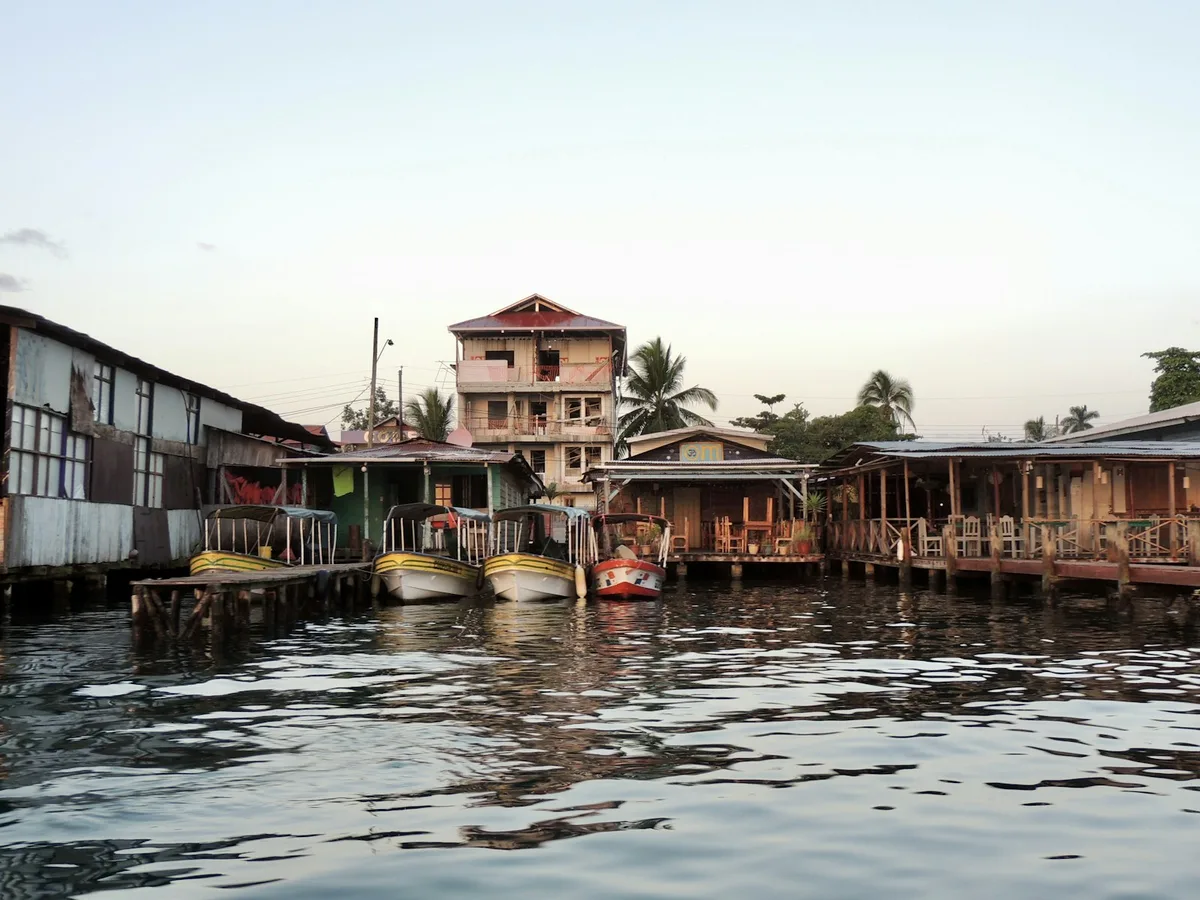
A Caribbean archipelago off Panama's northwest coast, its main town built on stilts over the water, known for coral reefs, mangroves, and a laid-back surf-and-sail culture.
Visitor guide
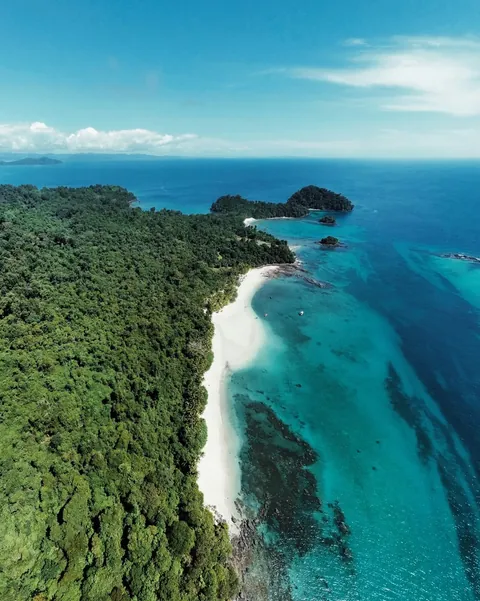
Bocas del Toro is an archipelago on Panama's northwestern Caribbean coast, whose main settlement, Bocas Town on Isla Colon, is built along the water's edge. The name is Spanish for bull's mouths, and the islands are known for reefs, mangroves, rainforest and a mix of Caribbean and Panamanian culture.
According to Wikipedia, the archipelago covers about 250 square kilometres and lies between Almirante Bay and Chiriqui Lagoon. The main islands are Isla Colon, Bastimentos, Solarte, San Cristobal, Cayo de Agua and Popa, along with about 50 cays and roughly 200 tiny islets. Around 13,000 people lived there at the 2012 estimate, mostly in and around Bocas Town. Other settlements include Bastimentos, Cauchero, Tierra Oscura and Punta Laurel.
Christopher Columbus reached the area on his fourth voyage in 1502, and sources link several local names to his visit, including Isla Colon, Isla Cristobal and Almirante Bay. One source says he originally called the island Isla del Drago. Spanish settlement did not last: swampy terrain, tropical disease and the lack of major gold deposits kept colonial powers away, and the area became a haven for pirates and settlers. Permanent settlement of the town began in the early 1800s with immigrants from the Caribbean islands of San Andres and Providencia and with liberated slaves.
The banana trade later transformed the region. The United Fruit Company, formed in 1899, selected Bocas del Toro as a regional headquarters and made it an export port for what was called green gold. The company's successor is Chiquita, though sources disagree on where its remaining local operations are based. Today tourism has been the region's most important industry since the 1990s, and the area is designated a tourism development zone of national interest.
The archipelago's ecosystems include coral reefs, mangroves and seagrass beds. Wikipedia lists dolphins, birds, crocodiles and poison dart frogs, and notes the islands are nesting sites for marine turtles. Strawberry poison dart frogs vary in colour between Colon, Popa, Bastimentos and mainland sites, and six major islands are an Important Bird Area for white-crowned pigeons and three-wattled bellbirds. The archipelago has been designated a Hope Spot.
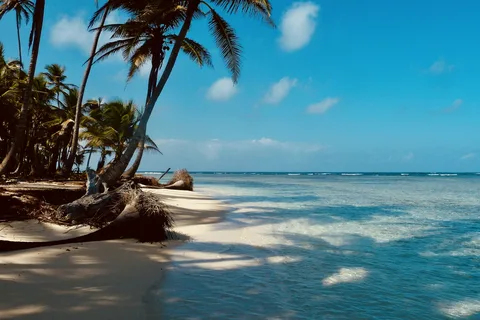
Created in 1988, Isla Bastimentos National Marine Park is described as Panama's first national marine park and covers about 13,226 hectares in one source. It includes the Zapatilla Cays, two uninhabited islands fringed with coconut palms and ringed by coral, and Playa Larga, a turtle nesting beach. Red Frog Beach is its best-known beach. Rules protect marine life, including a ban on taking sea turtles or their eggs.
Dry seasons run from January to April and from late August to October, with wetter periods from April to August and in November and December. A private guided visit can cover the transfer to the islands and a local boat tour among the cays and mangroves.
See every tour and attraction we cover in Panama.