TorontoOntario · 36 tours
 Niagara FallsOntario · 25 tours
 New York CityNew York · 30 tours
 Las VegasNevada · 8 tours
 San FranciscoCalifornia · 16 tours
 VancouverBritish Columbia · 17 tours
 DubaiUAE · 54 tours
 Abu DhabiUAE · 5 tours
 Buenos AiresArgentina · 23 tours
 AthensGreece · 31 tours
 AucklandNew Zealand · 38 tours
 CancunMexico · 54 tours
No destinations match “”. Try searching all tours instead — that search understands full questions, not just place names.
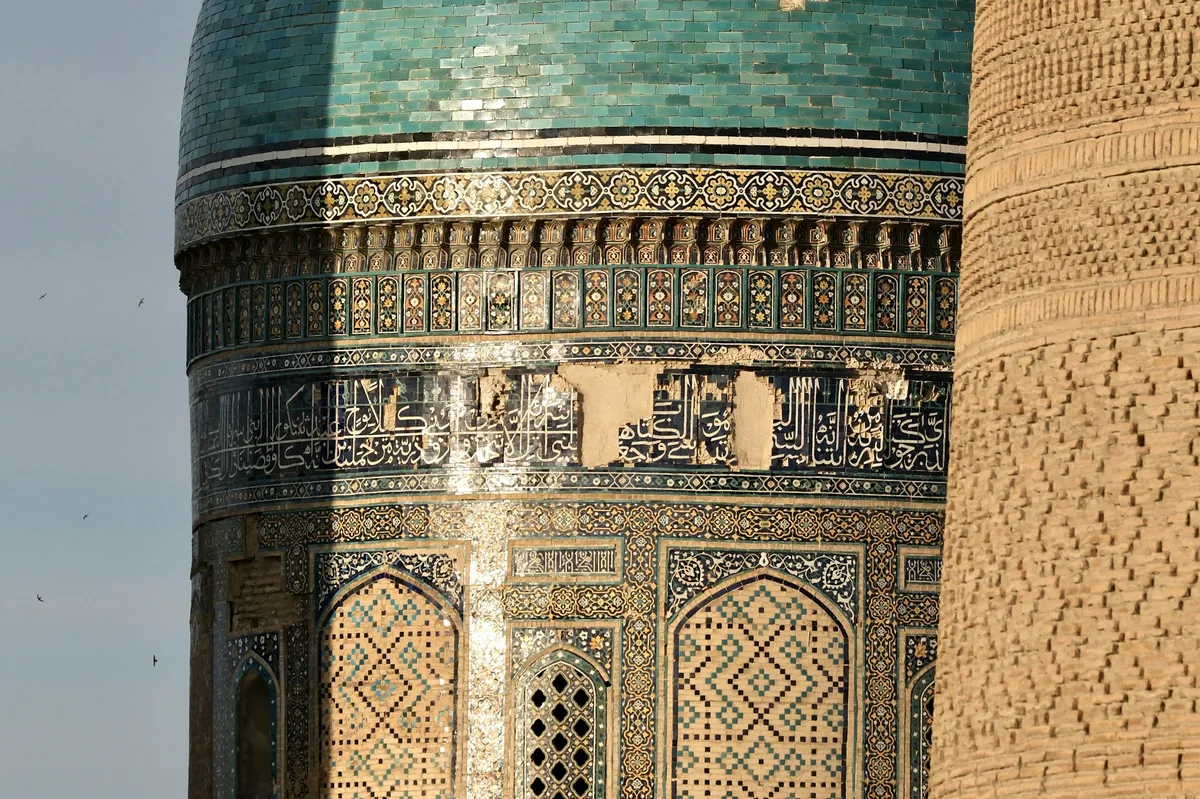
A historic old town of minarets, madrasas, and covered bazaars that grew rich as a Silk Road trading and scholarly center for over a thousand years.
 Multi-Day Tours
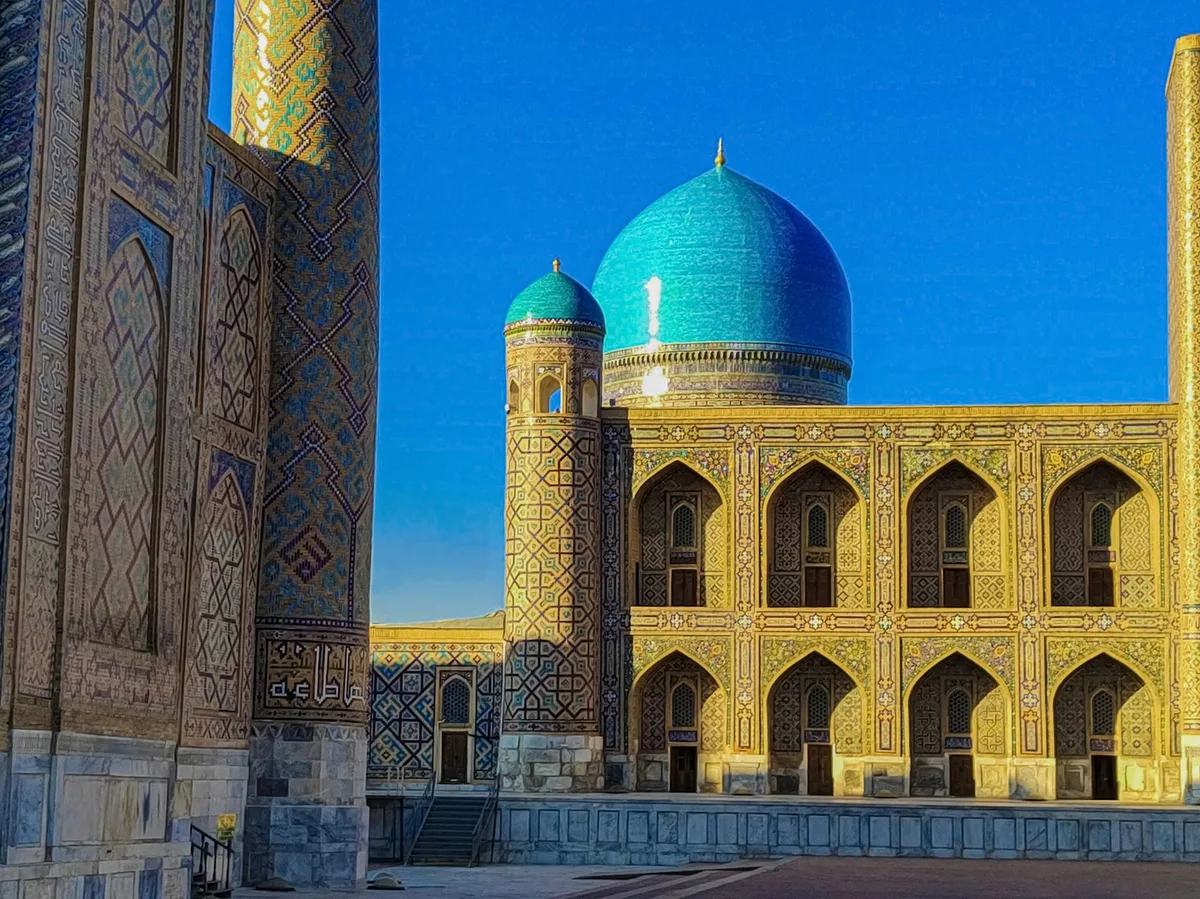
A 17-day Silk Road journey — 11 nights across Uzbekistan's Tashkent, Khiva, Bukhara, and Samarkand, followed by 5 nights in Kyrgyzstan's Osh, Bishkek, and the shores of Issyk-Kul Lake.
 Multi-Day Tours
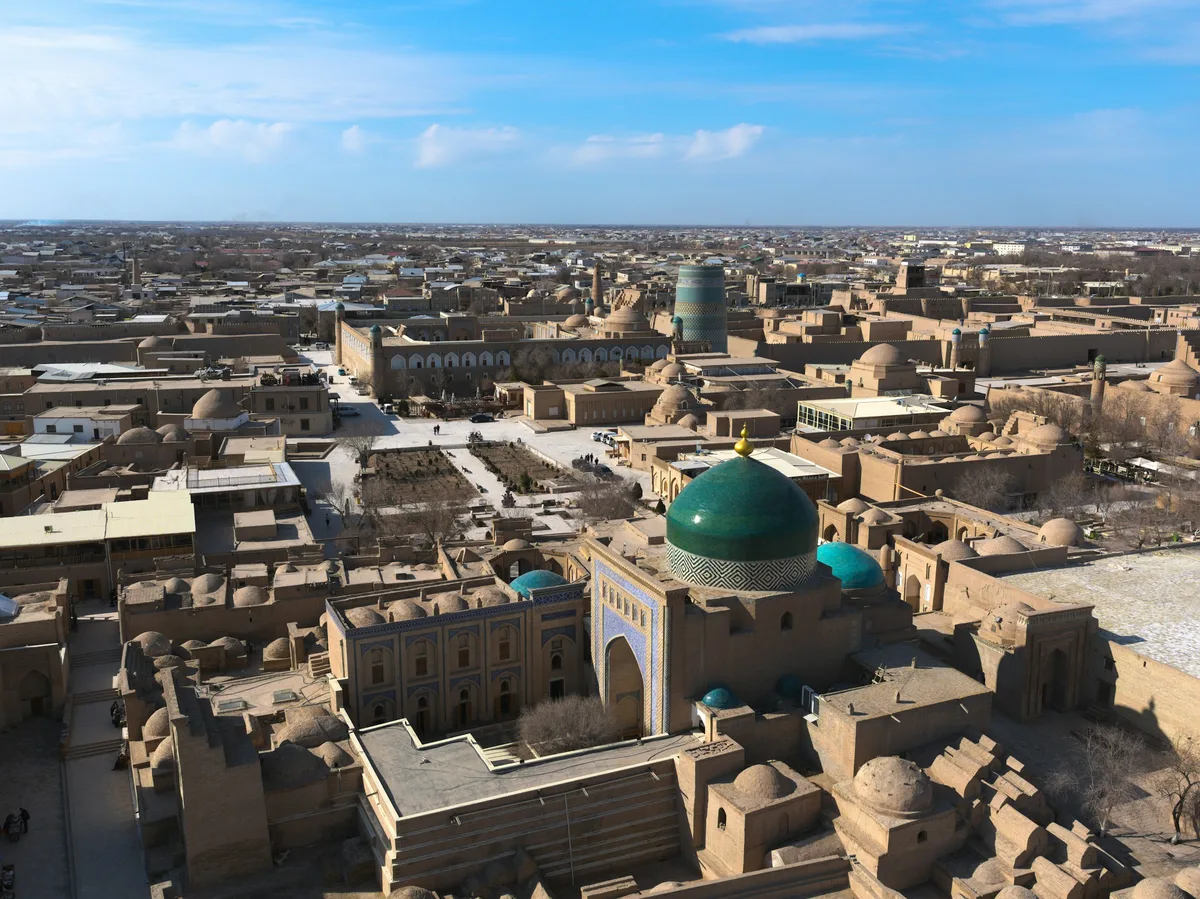
A 27-day grand tour through five Central Asian countries, spending the most time in Uzbekistan's Fergana Valley, Samarkand, Shakhrisabz, Bukhara, and Khiva, alongside real time in Kyrgyzstan, Tajikistan's Pamirs, Turkmenistan's Karakum Desert, and a first stop in Kazakhstan.
Visitor guide
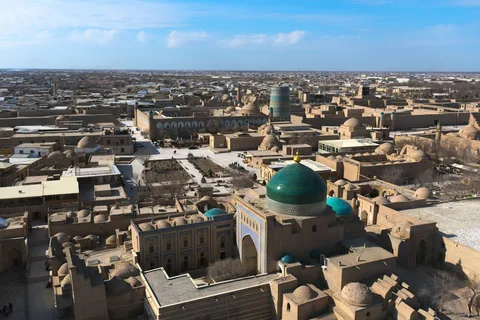
Bukhara Old Town is the historic centre of one of Uzbekistan's great Silk Road cities, a dense core of mausoleums, madrasas, mosques and trading quarters. UNESCO inscribed the Historic Centre of Bukhara as a World Heritage Site in 1993, and the city is said to hold about 140 architectural monuments.
Bukhara lies on the Zeravshan River roughly 230 kilometres west of Samarkand. Wikipedia gives a founding date in the 6th century BC, with a first mention around 500 AD, and notes that the exact ancient name of the city is unknown. Along with Samarkand, it was among the most prosperous cities of Transoxiana because of its place on the Silk Road. By 850 it was the capital of the Samanid Empire and had become a major intellectual centre of the Islamic world, known for its libraries.
The city was the birthplace of the hadith compiler Imam Bukhari (810 to 870) and of the physician and philosopher Avicenna (980 to 1037), and the poet Rudaki was born and raised there. Water infrastructure supported the caravan trade: covered reservoirs called sardobas were built along caravan routes, and open ponds called hauzes were common in the city itself.
At the start of the 11th century Bukhara joined the Kara-Khanid Khanate, whose rulers built the Kalyan Minaret and the Magok-i-Attari Mosque. Genghis Khan besieged the city for 15 days in 1220 and largely destroyed it. It recovered under the Timurids and became the capital of the Uzbek Khanate of Bukhara in the 16th century. The Red Army captured the city in 1920, ending the emirate; the Bukharan People's Soviet Republic existed from 1920 to 1924, after which the city joined the Uzbek SSR.
The Ismail Samani Mausoleum, built between 892 and 943 as the tomb of the Samanid founder, is celebrated for brickwork that blends Zoroastrian sun motifs with Islamic architecture. Wikipedia says it survived the Mongol invasion because flood mud had buried it. The Chor Minor, a 19th-century mosque complex with four towers, was built by Khalif Niyaz-kul, and its decorative motifs are said to reflect several religions.
The Lyab-i Hauz complex, dating from 1568 to 1622, is arranged around one of the few surviving pools and includes the 16th-century Kukeldash Madrasah, described as the largest in the city, along with Sufi lodgings and another madrasah. A metal statue of the folk character Nasruddin Hodja stands there. The Kalyan Minaret rises about 45.6 metres and, was reportedly designed by an architect named Bako, while the Kalan Mosque, arguably completed in 1514, could hold about 12,000 worshippers. Also noted are the Magok-i-Attari Mosque, whose south facade dates to the 12th century, the Bolo Haouz Mosque of 1712 and the Mir-i-Arab Madrasah of 1535 to 1536.
The old town is compact and best explored on foot, moving between squares, pools and domed bazaar crossings. Wikipedia also mentions a community of merchants from Multan who once lived in the city, a reminder of its long trading connections. A private guided visit with a driver suits Bukhara well, allowing time to place each monument within the city's Samanid, Timurid and khanate history.
See every tour and attraction we cover in Uzbekistan.