TorontoOntario · 36 tours
 Niagara FallsOntario · 25 tours
 New York CityNew York · 30 tours
 Las VegasNevada · 8 tours
 San FranciscoCalifornia · 16 tours
 VancouverBritish Columbia · 17 tours
 DubaiUAE · 54 tours
 Abu DhabiUAE · 5 tours
 Buenos AiresArgentina · 23 tours
 AthensGreece · 31 tours
 AucklandNew Zealand · 38 tours
 CancunMexico · 54 tours
No destinations match “”. Try searching all tours instead — that search understands full questions, not just place names.
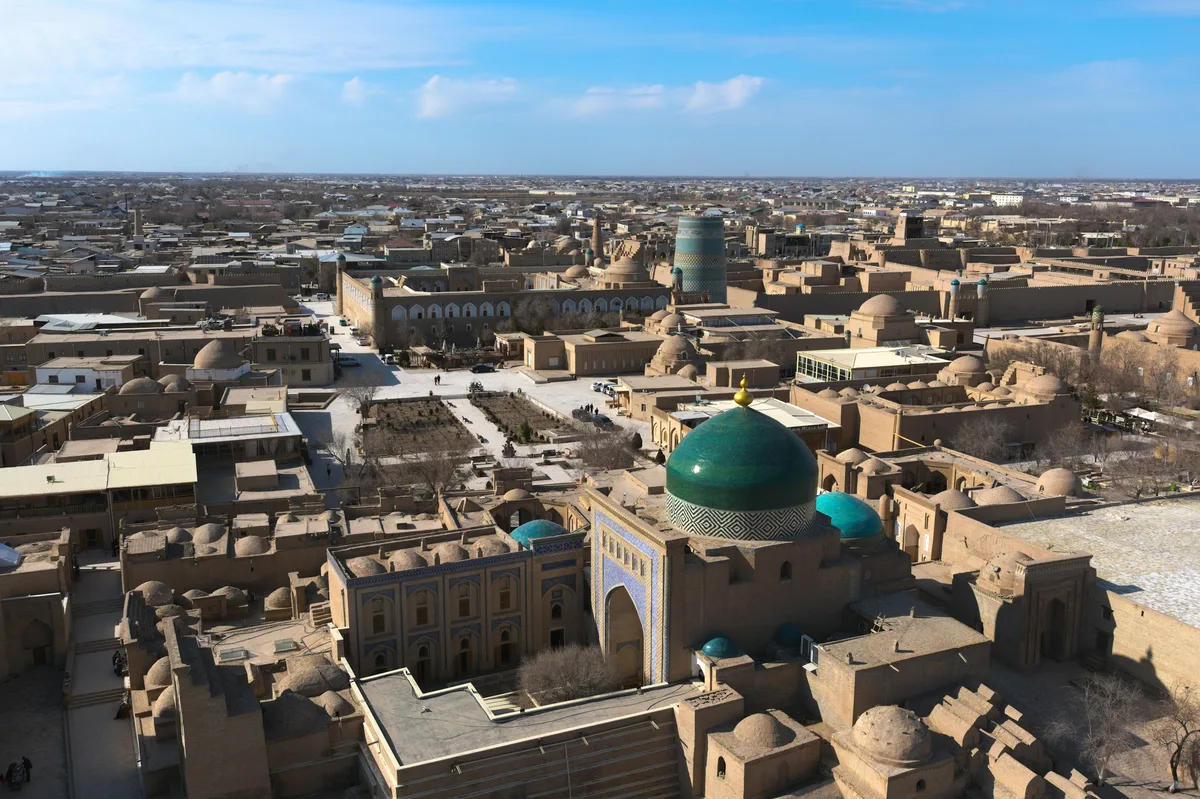
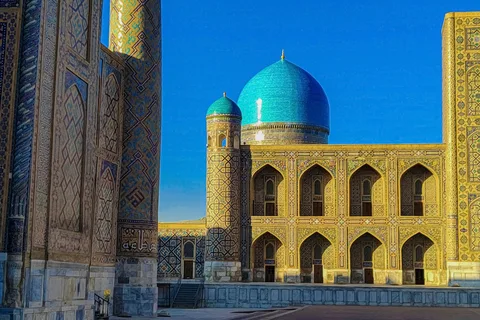
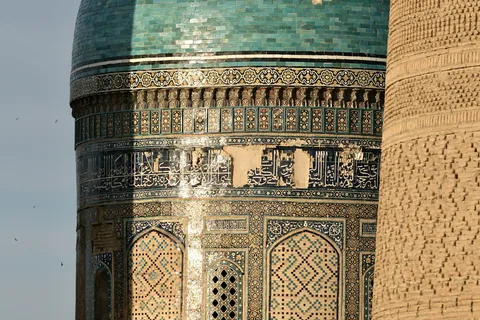
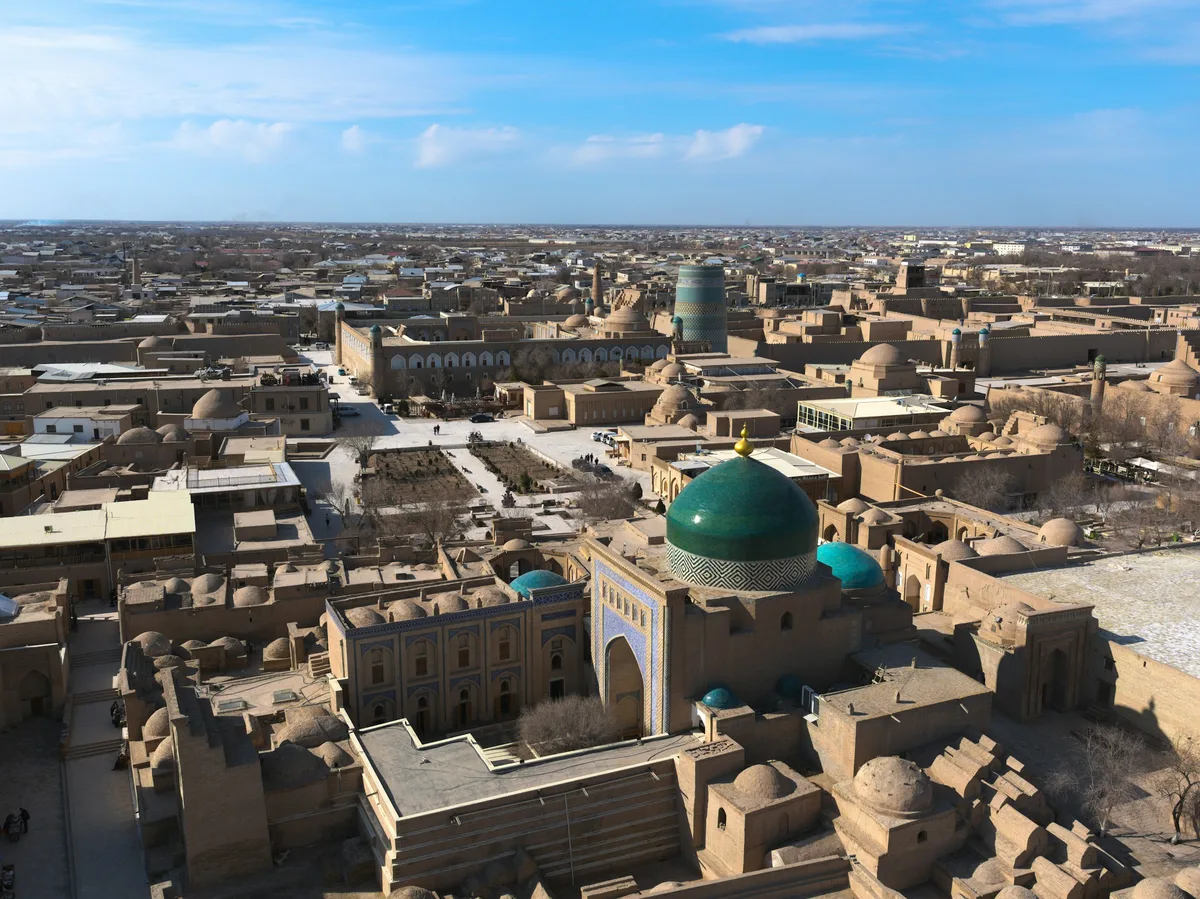
The walled inner city of Khiva, a UNESCO World Heritage Site and one of the best-preserved examples of Central Asian Islamic architecture on the Silk Road.
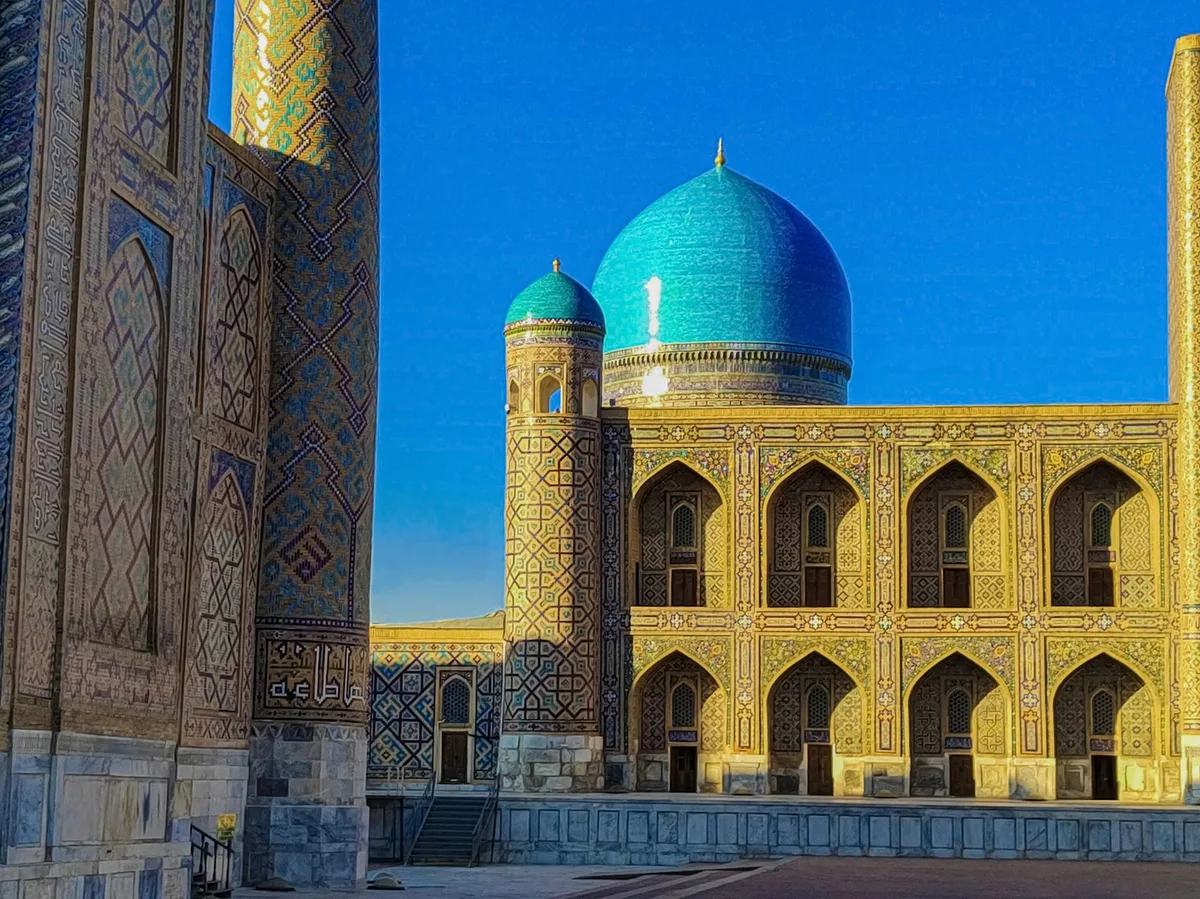 Multi-Day Tours
A 17-day Silk Road journey — 11 nights across Uzbekistan's Tashkent, Khiva, Bukhara, and Samarkand, followed by 5 nights in Kyrgyzstan's Osh, Bishkek, and the shores of Issyk-Kul Lake.
 Multi-Day Tours
A 27-day grand tour through five Central Asian countries, spending the most time in Uzbekistan's Fergana Valley, Samarkand, Shakhrisabz, Bukhara, and Khiva, alongside real time in Kyrgyzstan, Tajikistan's Pamirs, Turkmenistan's Karakum Desert, and a first stop in Kazakhstan.
Visitor guide
Itchan Kala is the walled inner town of Khiva in Uzbekistan's Khorezm region. UNESCO inscribed it as a World Heritage Site in 1990, and it preserves more than 50 historic monuments and roughly 250 old houses, most dating from the 18th or 19th centuries.
Khiva has traditionally been divided into two parts: the Inner City, Itchan Kala, inside the inner defensive wall, and the Outer City, Dishan-Qala, within an outer wall. According to Wikipedia, the inner walls stand 8 to 10 metres high and 5 to 6 metres thick, with a perimeter of about 6,250 metres. Both walls were built of mud brick, with watchtowers projecting at roughly 30-metre intervals and crenellated wall tops from which defenders could fire on attackers. Water-filled moats formed part of the defences.
Four gates survive: Bogcha in the north, Polvon in the east, Tosh in the south and Ota in the west. Each was flanked by towers and galleries and opened into arched passageways, with longer passages covered by several domes. The protected area covers about 37.5 hectares, which makes the whole inner town easy to take in on foot.
Local tradition links Khiva's origins to Shem, the son of Noah, who is said to have dug the sacred Xeyvak canal with a miraculous spade. These are traditional tales rather than documented history. Historians divide the town's building into four broad periods: ancient Khorezm up to the Mongol invasion, restoration after 1220, the 16th and 17th centuries under rulers such as Abulgazi Khan and Asfandiyar Khan, and the 18th to 20th centuries.
Wars between Bukhara and Iran in the early 18th century damaged the town badly, and much of what visitors see today was built in the following century. Construction accelerated under Muhammad Rahim Khan I, Alla-Kulli-Khan and Muhammad Amin Bahadur Khan, who added palaces, madrasas, caravanserais and covered markets in the local Central Asian style.
The Juma Mosque was founded in the 10th century and rebuilt in 1788 and 1789. Its hypostyle hall still contains roughly 213 wooden columns, many reused from earlier structures. The Kalta Minor minaret, commissioned by Muhammad Amin Khan beside the Konya Ark, was never completed but remains one of the best-known sights in Khiva. The Konya Ark is the former royal fortress, with palace rooms and a reception hall added in the late 17th century.
The Pahlavon Mahmud Mausoleum is admired as an example of folk art, and the Toshhovli Palace was one of the large palace projects of the 19th century. Alla-Kulli-Khan built a caravan palace, madrasa and tim, or covered market, in part of the wall near Polvon Gate. The Anusha Khan bathhouse dates from 1657, the Ak Mosque from 1675, and a two-storey tim was completed in 1840 to 1842.
Because Itchan Kala is compact, with monuments clustered around a main street between the western and eastern gates, it is well suited to walking. Khiva lies in the desert-edged Khorezm region, and visitors usually reach it as part of a longer Silk Road route through Uzbekistan. A private guided visit can help decode the dynastic history behind the madrasas, gates and palaces, and a private driver handles the long road transfers to and from the oasis city.
See every tour and attraction we cover in Uzbekistan.