TorontoOntario · 36 tours
 Niagara FallsOntario · 25 tours
 New York CityNew York · 30 tours
 Las VegasNevada · 8 tours
 San FranciscoCalifornia · 16 tours
 VancouverBritish Columbia · 17 tours
 DubaiUAE · 54 tours
 Abu DhabiUAE · 5 tours
 Buenos AiresArgentina · 23 tours
 AthensGreece · 31 tours
 AucklandNew Zealand · 38 tours
 CancunMexico · 54 tours
No destinations match “”. Try searching all tours instead — that search understands full questions, not just place names.
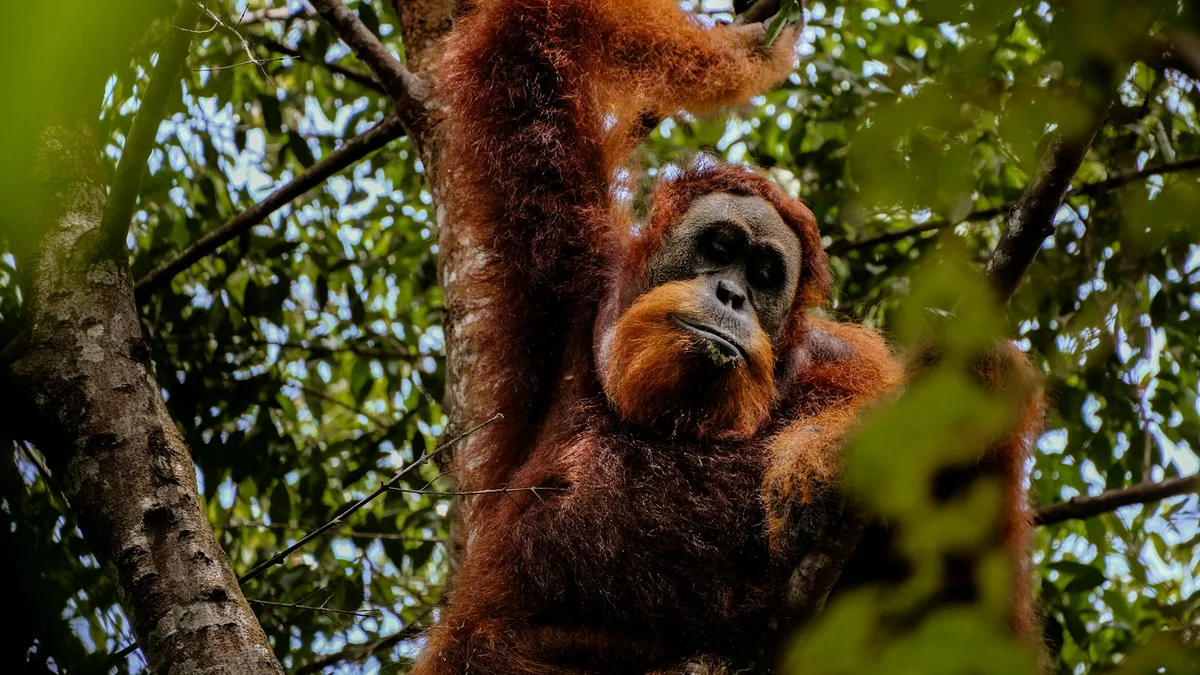
A rainforest village on Sumatra's Bohorok River and gateway to Gunung Leuser National Park, one of the last places on earth to see wild Sumatran orangutans.
 Multi-Day Tours
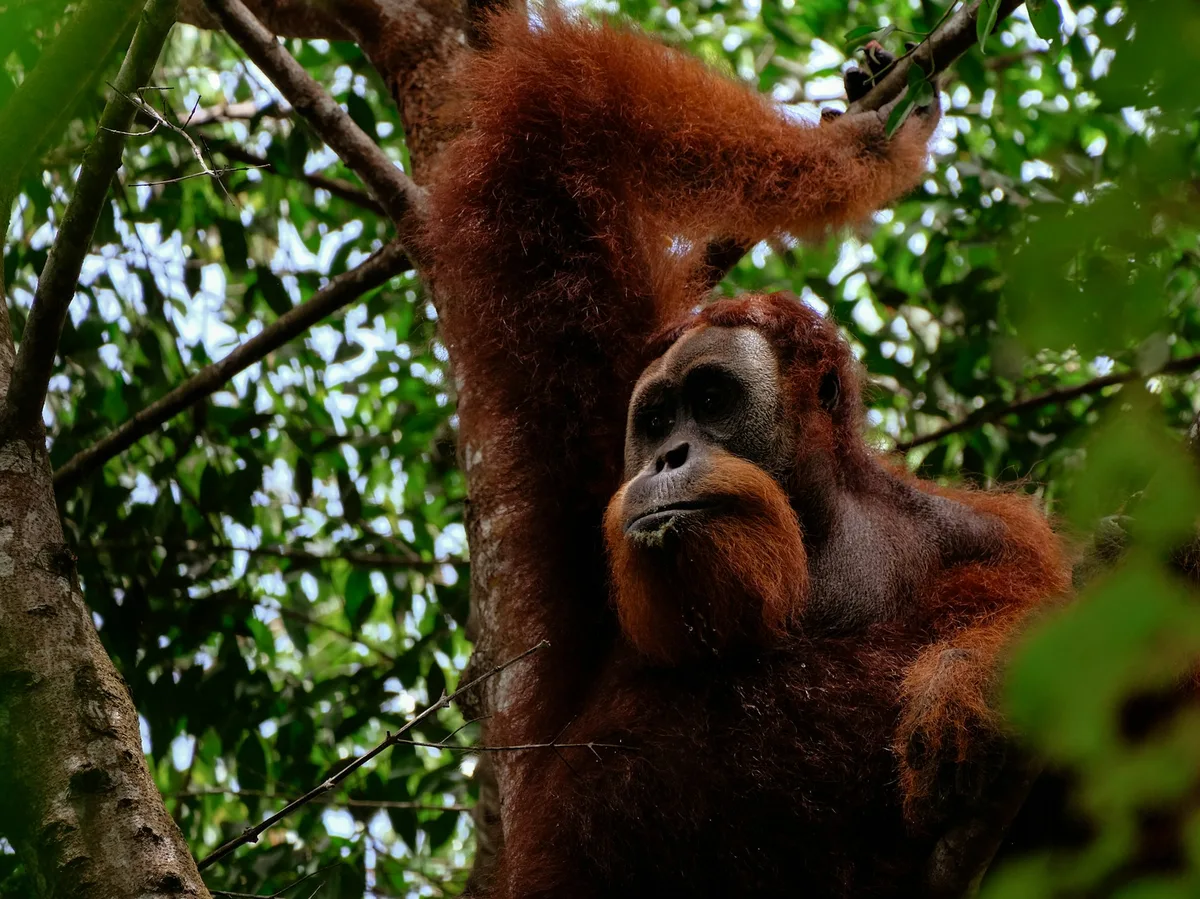
A 13-day route from Medan into orangutan jungle-trekking at Bukit Lawang, over volcanic Lake Toba, and through the Harau Valley's waterfalls and Minangkabau villages to Padang.
 Multi-Day Tours
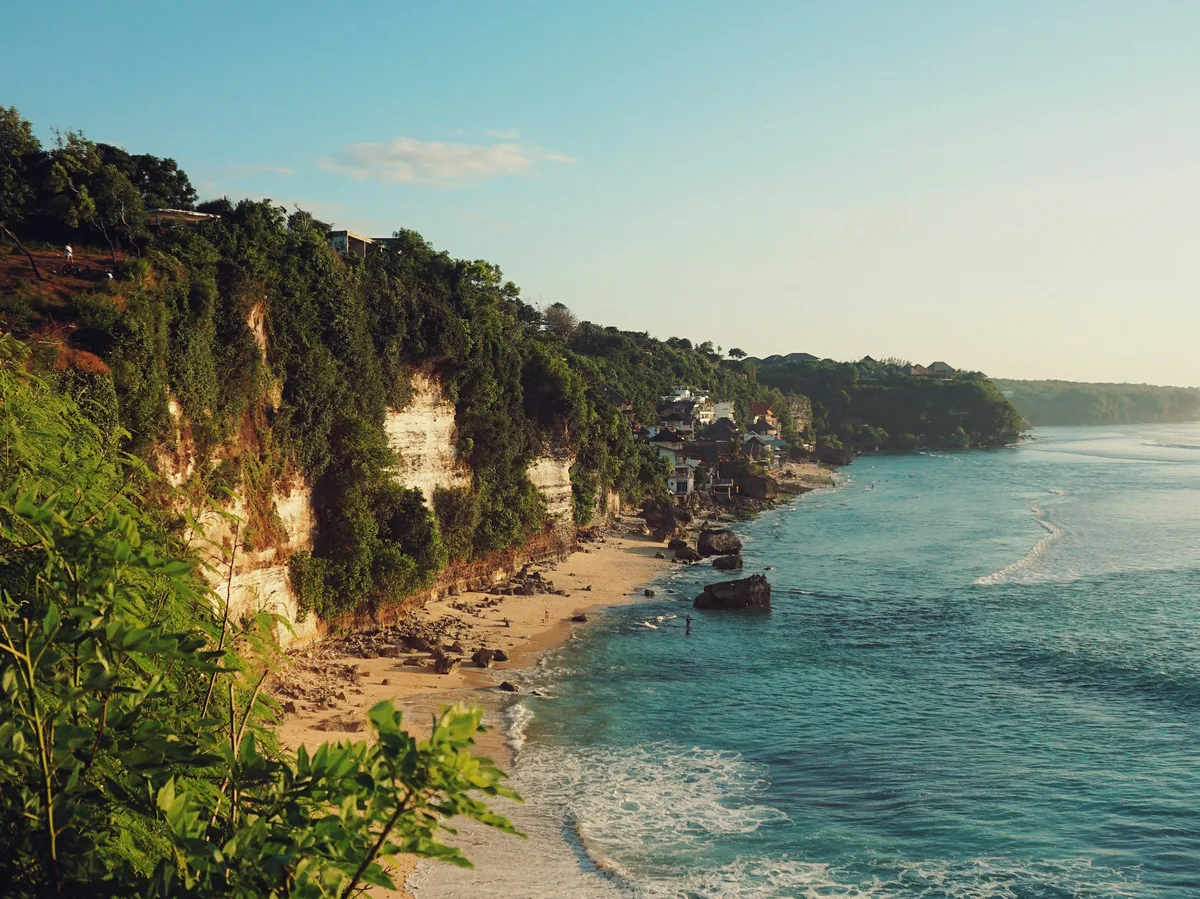
An 11-day, family-paced Bali trip from a Legian waterpark day to breakfast with orangutans in Ubud, Ayung River rafting suited to kids five and up, and watersports on Benoa Beach.
Visitor guide
Bukit Lawang is a small village on the Bohorok River in North Sumatra, Indonesia, about 86 kilometres northwest of Medan. It is the main eastern access point to Gunung Leuser National Park and is known for guided rainforest treks that offer a chance to see wild Sumatran orangutans.
A rehabilitation centre for orangutans opened at Bukit Lawang in 1973 to counter falling numbers caused by hunting, the wildlife trade and deforestation. Wikipedia reports that it closed in 2002 because the site had become too touristy for rehabilitation work. The area remains known for relatively close encounters with the Sumatran orangutan, a critically endangered species found only on Sumatra and, as a separate species, on Borneo. Wikipedia also states that the area is said to hold about 5,000 orangutans, a figure that should be treated as approximate and generous compared with park-wide survey estimates.
On 2 November 2003 a flash flood struck the village, destroying around 400 houses, several bridges and dozens of guesthouses and hotels, and killing 239 people. Local authorities and an environmental organisation blamed illegal logging. With international support the village was rebuilt and reopened in July 2004.
Gunung Leuser National Park lies in northern Sumatra across Aceh and North Sumatra provinces and was established in 1980. Wikipedia gives its size as 7,927 square kilometres in the text but 3,208 square kilometres in the infobox, an inconsistency, and describes it as roughly 150 kilometres long. It is named for Mount Leuser; UNESCO gives Mount Leuser as the highest peak at 3,466 metres, while Wikipedia lists Mount Leuser at 3,119 metres and Mount Tanpa Nama at 3,466 metres. About 40 percent of the park is steep ground above 1,500 metres, and eleven peaks exceed 2,700 metres.
UNESCO inscribed the park in 2004 as part of the Tropical Rainforest Heritage of Sumatra, together with Bukit Barisan Selatan and Kerinci Seblat national parks. It protects lowland forest, peat swamp and mountain ecosystems, and an estimated 10,000 plant species. Wikipedia lists the Sumatran elephant, tiger and rhinoceros, as well as siamang and Sumatran serow, among its mammals, with about 600 bird species, 200 mammal species and close to 100 amphibian and reptile species. Larger cats are rarely seen near the village. Hornbills, kingfishers, trogons and raptors are among the birds visitors may encounter.
Sumatran orangutans are slimmer and longer-faced than their Bornean relatives, with paler, longer red hair. Adult males reach about 1.7 metres and 90 kilograms. They eat mainly fruit, especially figs and jackfruit, plus insects, leaves and bark, and have been observed using tools. Adult males travel alone, while females form looser groups. The IUCN has listed the species as critically endangered since 2000, and a 2016 survey estimated roughly 14,613 wild individuals. Logging, oil palm expansion and road building are the main threats.
Treks in the park are usually led by licensed local guides, which helps limit disturbance to wildlife and habitat. Sumatran forests are hot and humid, trails can be muddy, and the river can run strongly after heavy rain. A private guided visit with a driver suits the road from Medan, which Wikipedia notes can be slippery in wet weather.
See every tour and attraction we cover in Indonesia.