TorontoOntario · 36 tours
 Niagara FallsOntario · 25 tours
 New York CityNew York · 30 tours
 Las VegasNevada · 8 tours
 San FranciscoCalifornia · 16 tours
 VancouverBritish Columbia · 17 tours
 DubaiUAE · 54 tours
 Abu DhabiUAE · 5 tours
 Buenos AiresArgentina · 23 tours
 AthensGreece · 31 tours
 AucklandNew Zealand · 38 tours
 CancunMexico · 54 tours
No destinations match “”. Try searching all tours instead — that search understands full questions, not just place names.
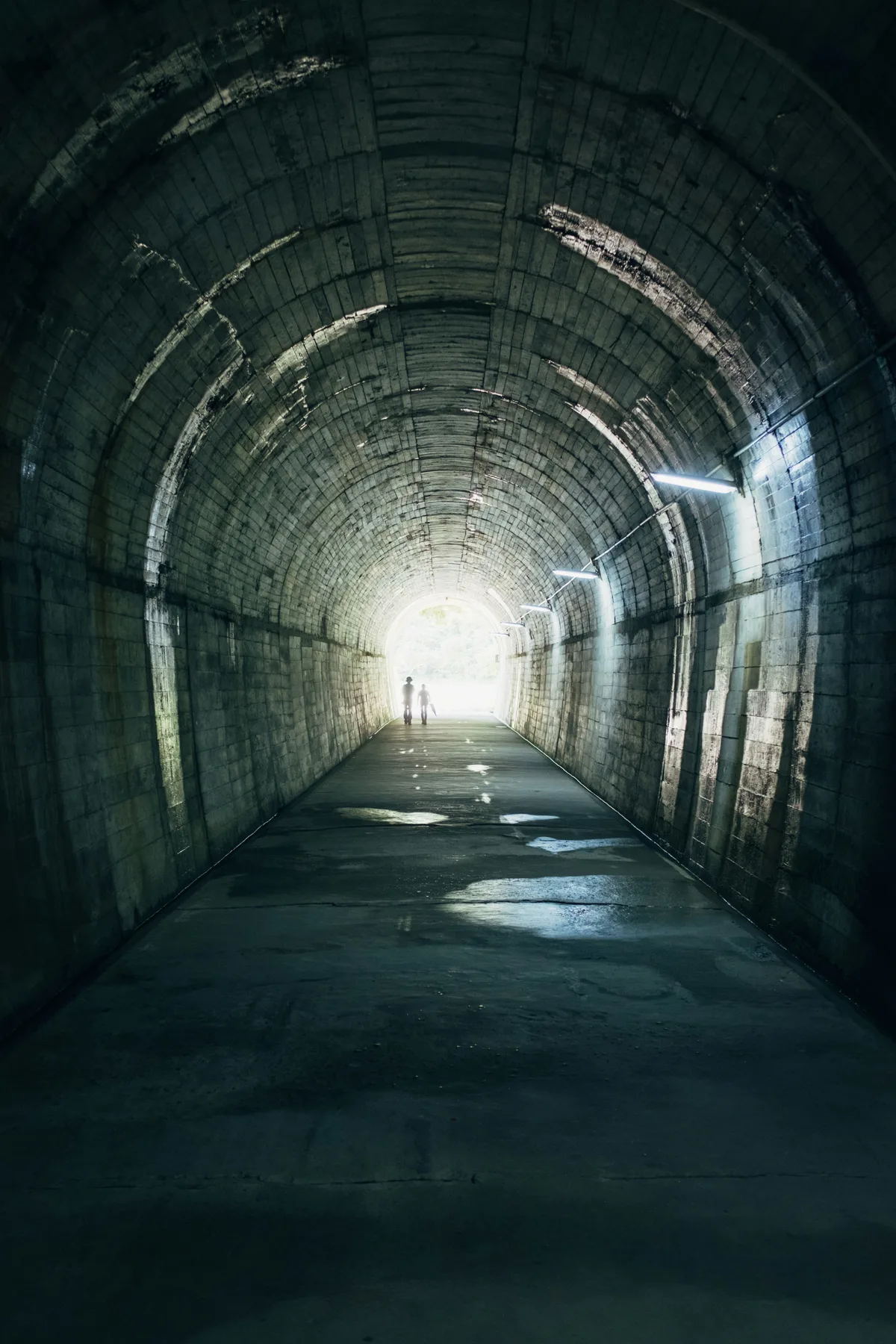
A network of underground tunnels northwest of Ho Chi Minh City used by Viet Cong fighters during the Vietnam War, now open with sections widened so visitors can crawl through.
Visitor guide
The Cu Chi Tunnels are a network of underground passages in Cu Chi District, Ho Chi Minh City, Vietnam, used by Viet Cong fighters during the Vietnam War. Part of the network is now preserved as a war memorial park, with some sections widened for visitors.
Conditions were harsh. Americans nicknamed the experience "Black Echo", and air, food and water were scarce. The tunnels were home to ants, centipedes, snakes, scorpions, spiders and rodents. Fighters generally worked or rested below ground in the daytime and came out at night to gather supplies, tend crops or fight. Disease was a constant threat, with malaria described as the second leading cause of death after battle wounds. Defensive features included bamboo traps and booby traps, along with ventilation shafts that released the smoke of cooking fires and dispersed gas.
Wikipedia describes several operations aimed at the area, including Operation Crimp in January 1966, which involved B-52 bombing and about 8,000 troops, and Operation Cedar Falls in 1967, a larger offensive involving around 30,000 troops. Troops often underestimated the tunnels' size, and tactics such as flooding or gassing entrances failed because of trapdoors and air filtration. A specialist Australian engineering unit, 3 Field Troop, searched the tunnels for four days in 1966 and its findings revealed their military importance; its members became known as tunnel ferrets, a term an American journalist changed to tunnel rat. The United States later trained volunteers to enter tunnels alone with a handgun, knife and flashlight.
The scale of the effort is part of the story. Wikipedia says that by 1965 the Viet Cong were so entrenched around Cu Chi that they could largely choose when and where to fight, and that the tunnels helped prolong the war until the American withdrawal in 1973 and the fall of South Vietnam in 1975. By 1969, B-52s were carpet-bombing the Cu Chi area and the nearby Iron Triangle; some tunnels collapsed or were exposed, but the bombing did not destroy most of the system.
After reunification in 1976, local authorities preserved two tunnel sites as memorials: Ben Duoc, which contains part of the original system, and Ben Dinh, closer to the city, with reconstructed tunnels that have been widened for tourists. Both have low lighting and displays of booby traps, and underground conference rooms where the Tet Offensive was planned have been restored. Wikipedia notes that above ground there are souvenir stalls and a film shown to visitors that presents the conflict from the Viet Cong perspective, so the site reflects one side's account of the war. A private guided visit lets travellers ask questions about the history and the mix of original and reconstructed sections.
See every tour and attraction we cover in Vietnam.