TorontoOntario · 36 tours
 Niagara FallsOntario · 25 tours
 New York CityNew York · 30 tours
 Las VegasNevada · 8 tours
 San FranciscoCalifornia · 16 tours
 VancouverBritish Columbia · 17 tours
 DubaiUAE · 54 tours
 Abu DhabiUAE · 5 tours
 Buenos AiresArgentina · 23 tours
 AthensGreece · 31 tours
 AucklandNew Zealand · 38 tours
 CancunMexico · 54 tours
No destinations match “”. Try searching all tours instead — that search understands full questions, not just place names.
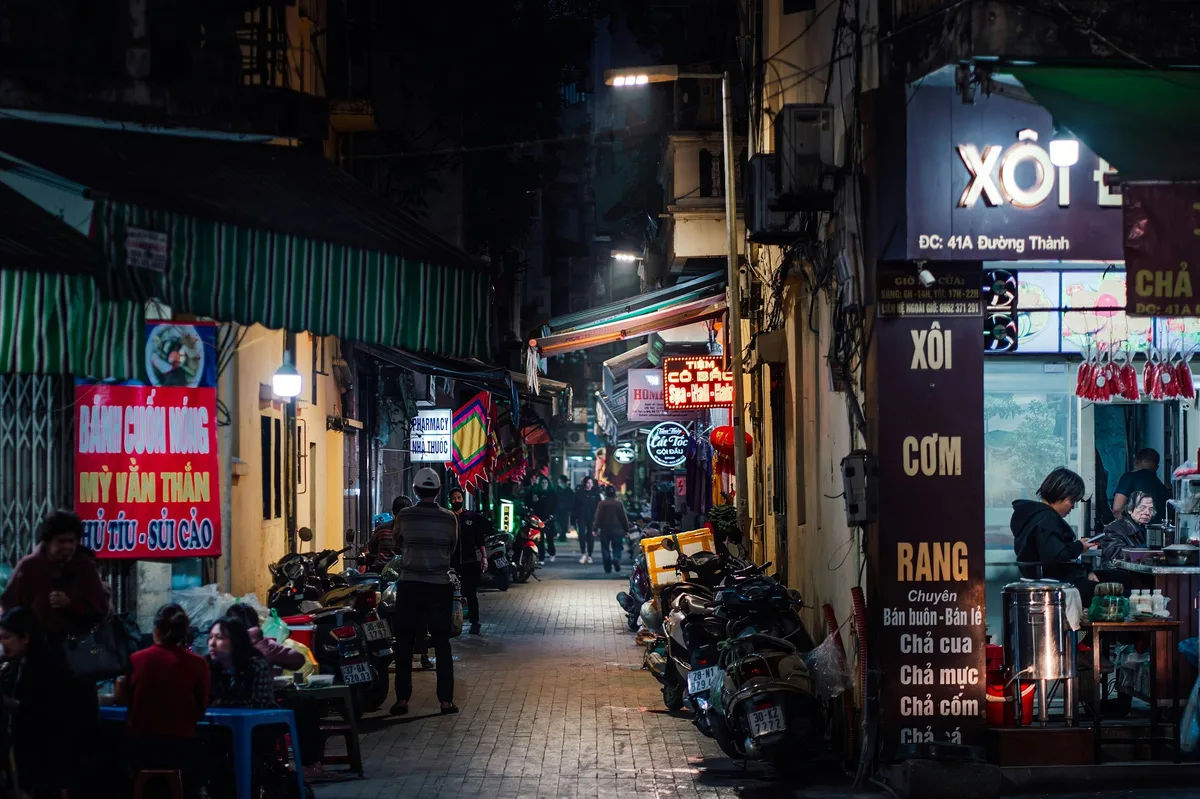
The historic commercial heart of Vietnam's capital, its narrow streets still organized by the traditional trade guilds that once operated on each one, near Hoan Kiem Lake.
 Multi-Day Tours
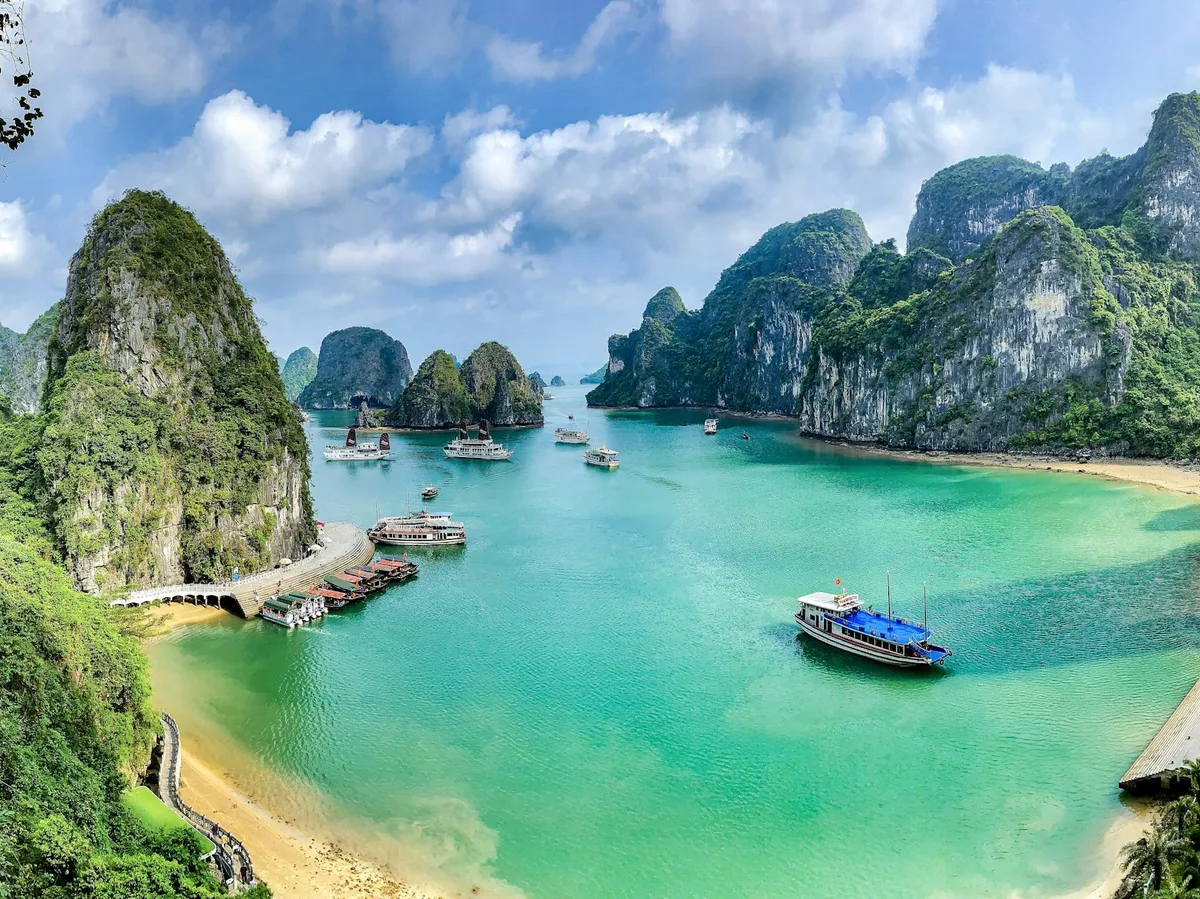
A 12-day private circuit from Hanoi's Old Quarter and Sapa's rice terraces to an overnight Ha Long Bay cruise, Hue's Imperial Citadel, Hoi An's Ancient Town, and the Mekong Delta from Ho Chi Minh City.
 Multi-Day Tours
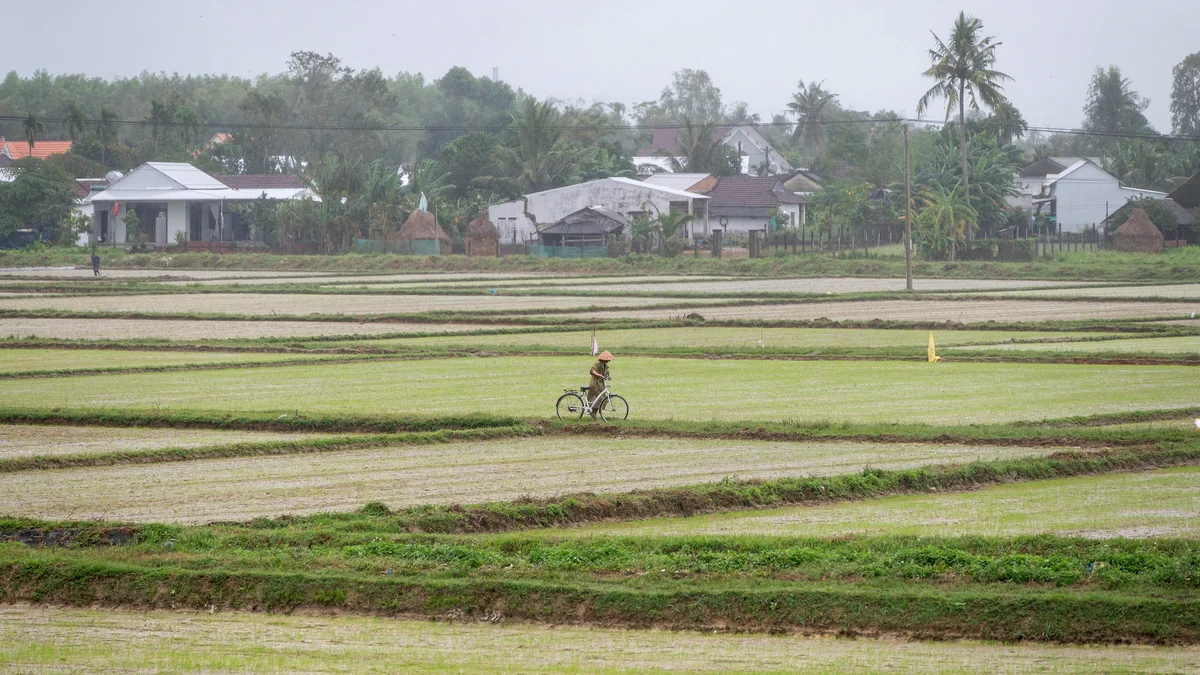
A 10-day private trip combining Hanoi, an eco-cycling day through Mai Chau's rice paddies, an overnight Ha Long Bay cruise, beach time near Hoi An, and the Mekong Delta's Cai Rang floating market.
 Multi-Day Tours
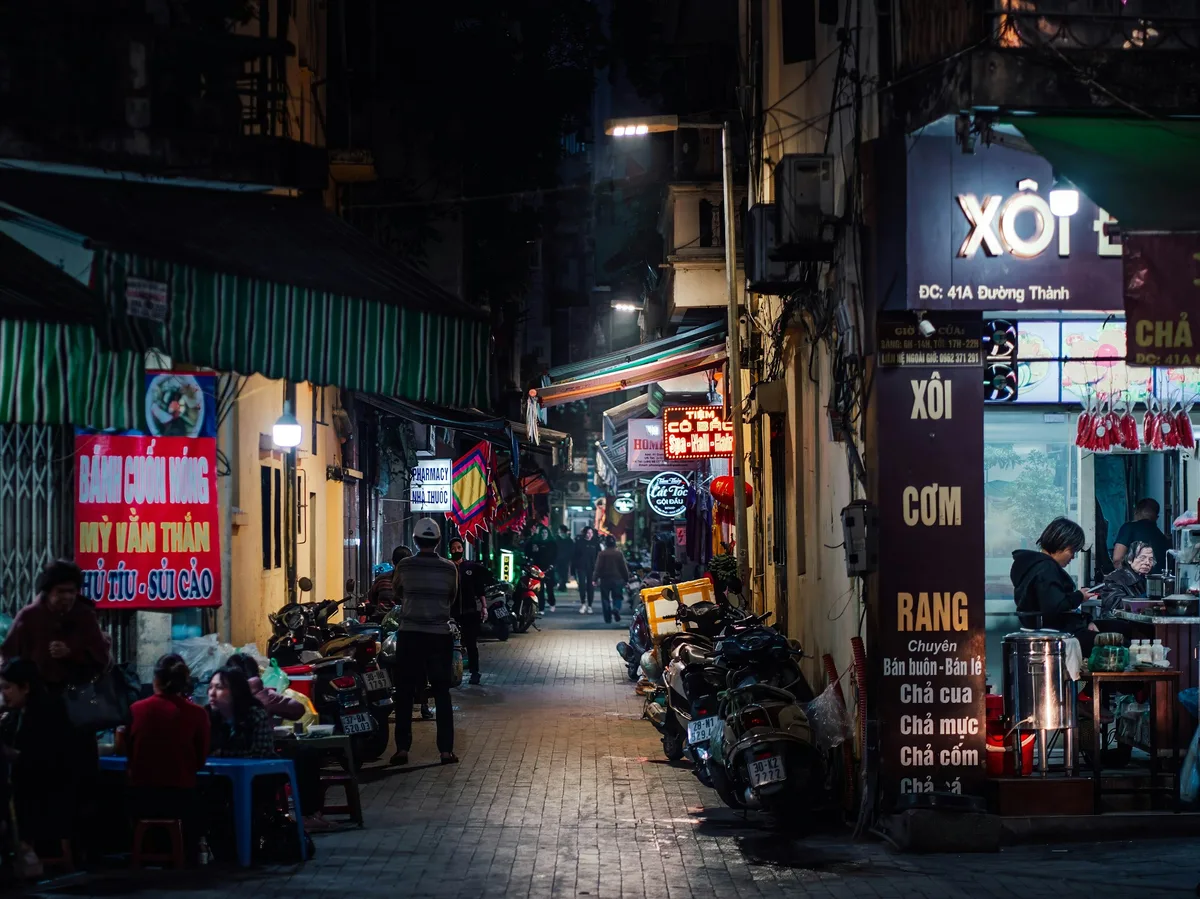
An 11-day off-the-beaten-track route from Hanoi through Ha Giang, Dong Van, and Ba Be National Park to Cao Bang and Bac Son, finishing with an overnight Ha Long Bay cruise — homestays, karst landscapes, and Vietnam's far northern borderlands.
Visitor guide
Hanoi's Old Quarter is the historic commercial core of Vietnam's capital, a dense web of narrow streets just outside the old Thang Long citadel. It is often called the "36 streets", after the trade guilds that once gave each street its specialty and its name.
According to Wikipedia, the quarter developed during the Ly and Tran dynasties, east of the Imperial Citadel and along the Red River, as migrants from the surrounding plains settled there. It served as the city's residential, manufacturing and commercial centre. Craftsmen from villages around Hanoi gathered in guild areas to sell to merchants, and each guild lent its name to its street. That is why so many street names begin with hang, meaning wares, such as Hang Tre for bamboo wares and Hang Dong for copper wares. In the Le dynasty the scholar Nguyen Trai noted that different areas specialised in particular trades, and the district was protected by a wall with several gates.
Official boundaries were fixed by a 1995 decision of Vietnam's Ministry of Construction. The zone covers about 100 hectares across 10 wards of Hoan Kiem District and includes 76 streets. Some streets still sell their original goods, while others have changed; Hang Buom, once the street of sails, is now known for Vietnamese cakes and candy. The characteristic building is the narrow shophouse with a slanted tile roof and a street-facing shop entrance, most built in the 18th and 19th centuries. Most craft streets once had a communal temple to the mythical founders of their trade, and although most were destroyed, Ma May and Kim Co temples survived. Quan Chuong Gate is the only remaining city gate from the old walls.
The Le period brought Chinese merchants who formed several neighbourhoods, which lasted until the mass expulsion of ethnic Chinese from Vietnam in the late 1970s. Under French rule the quarter was partly rebuilt: two small markets were demolished to make way for Dong Xuan Market, and a tramway ran through the district. Wikipedia notes the French took control of Hanoi in 1888. The Old Quarter sits near Hoan Kiem Lake and keeps most of the original street layout of older Hanoi.
Wikipedia also records that Le-era maps show numerous lakes and wetlands in the area, the largest being Thai Cuc Lake, linked to Hoan Kiem Lake, the To Lich River and the Red River, though by the end of the 19th century these waters had become isolated from one another. It is a reminder that the dense street grid visitors see today sits on what was once a much wetter landscape, and that the quarter has been rebuilt and reshaped many times since the 11th century, when Ly Thai To moved the capital to the site and named it Thang Long.
The painter Bui Xuan Phai made the quarter's streets a lasting subject of Vietnamese painting. For Hanoi's 1000th anniversary in 2010, the city refurbished the facades of 75 streets inside and outside the quarter, though critics found the work uneven. Because the streets are narrow and busy, a private guided visit helps visitors learn which trades once belonged where, with a driver handling the transfers to and from the area.
See every tour and attraction we cover in Vietnam.