TorontoOntario · 36 tours
 Niagara FallsOntario · 25 tours
 New York CityNew York · 30 tours
 Las VegasNevada · 8 tours
 San FranciscoCalifornia · 16 tours
 VancouverBritish Columbia · 17 tours
 DubaiUAE · 54 tours
 Abu DhabiUAE · 5 tours
 Buenos AiresArgentina · 23 tours
 AthensGreece · 31 tours
 AucklandNew Zealand · 38 tours
 CancunMexico · 54 tours
No destinations match “”. Try searching all tours instead — that search understands full questions, not just place names.
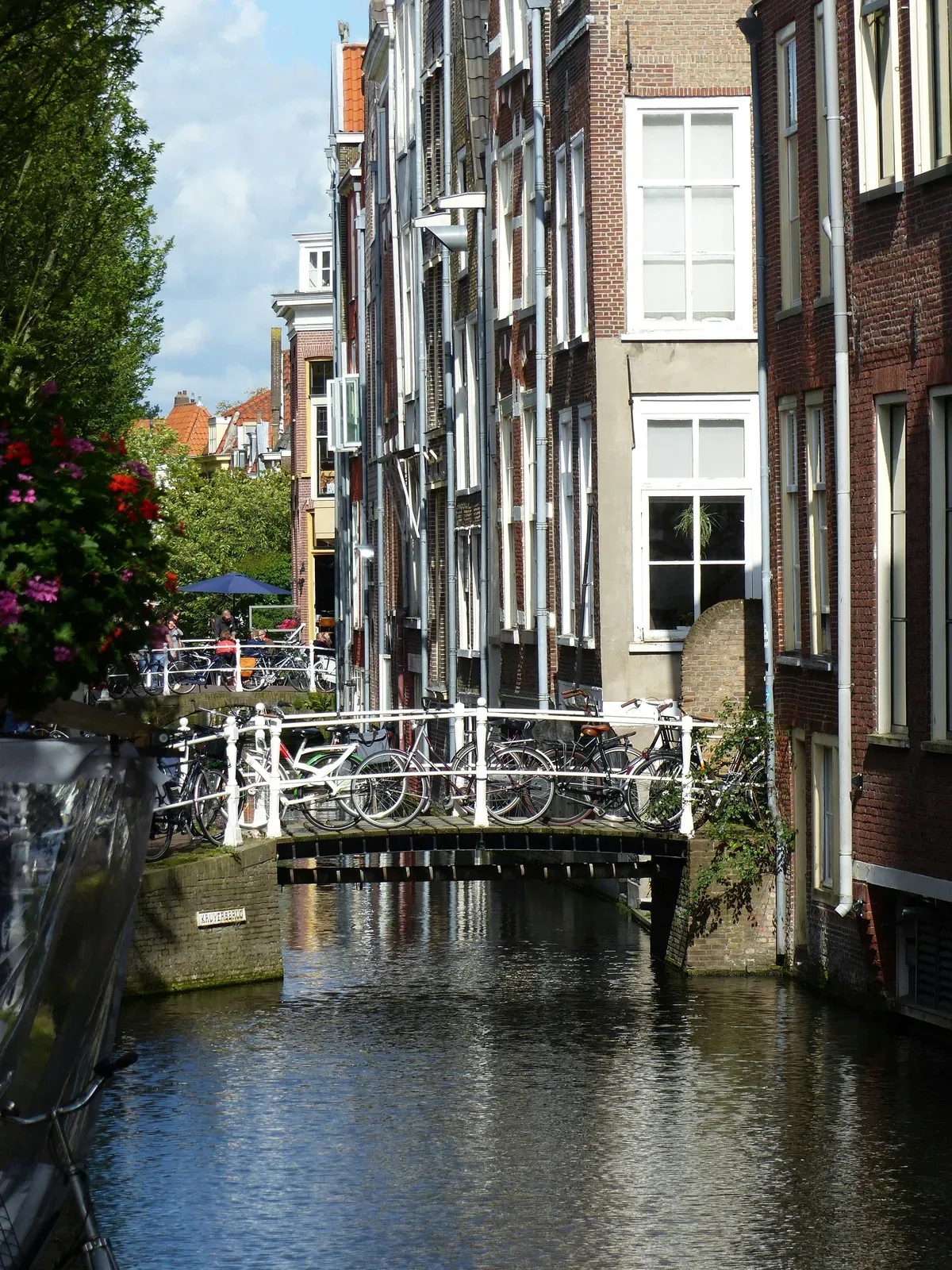
A canal-laced university town famous as Vermeer's home and for its centuries-old Delft Blue pottery, still hand-painted at the Royal Delft factory.
 Multi-Day Tours
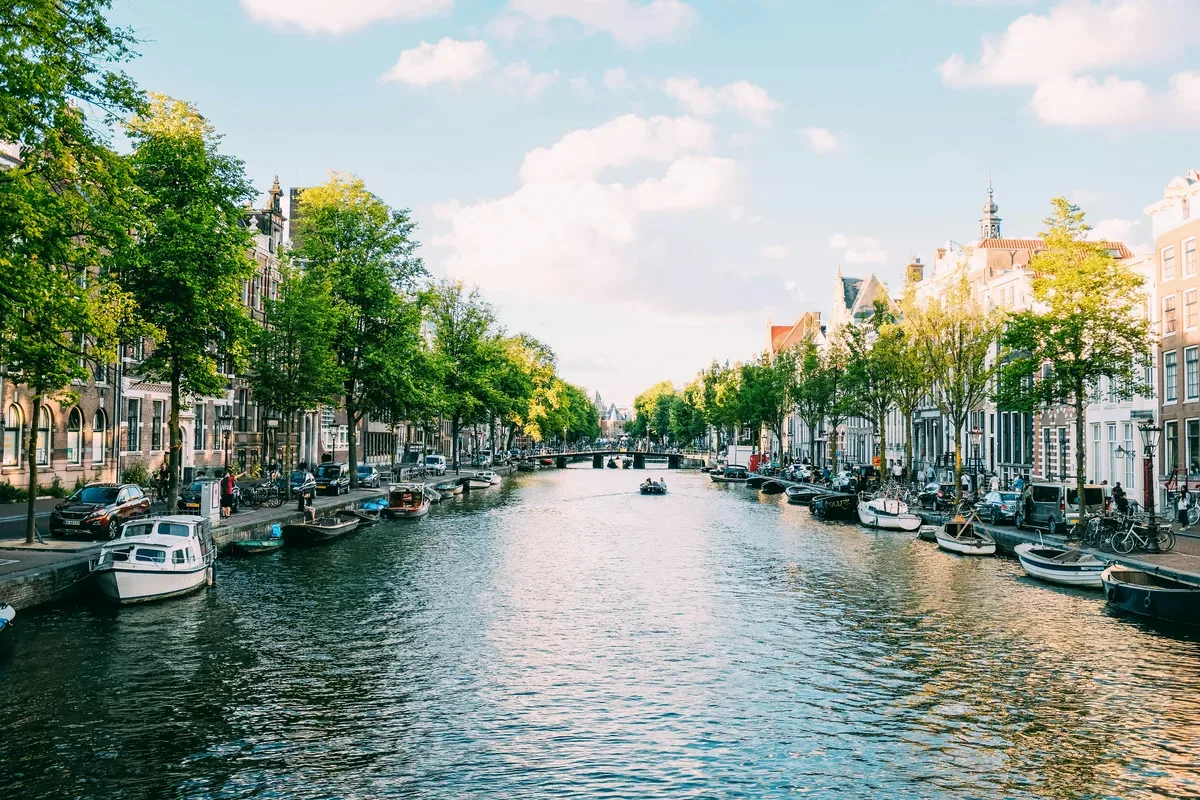
A 9-day luxury route through Amsterdam's canals and museums, the windmills and cheese markets of the Dutch countryside, Rotterdam's modern architecture, and The Hague's royal art collections, with fine dining throughout.
 Multi-Day Tours
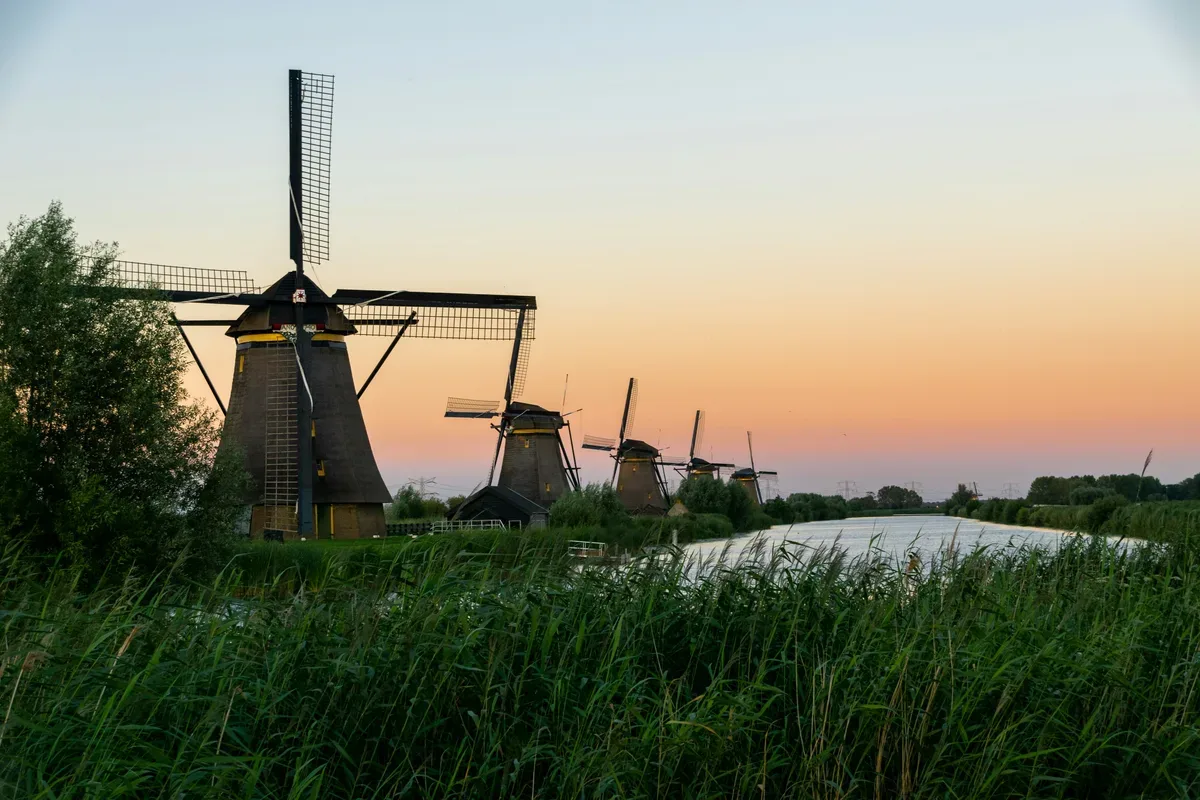
A 7-day route from Amsterdam through The Hague's royal art and politics, the ceramic town of Delft, Rotterdam's modern skyline, and the UNESCO windmills of Kinderdijk.
 Multi-Day Tours
A 10-day cross-section of the Netherlands, from Amsterdam and The Hague's Old Masters to the university city of Leiden, Rotterdam's architecture, the Hoge Veluwe's Kröller-Müller Museum, and North Holland's coastal villages by bike, boat and steam train.
 Multi-Day Tours
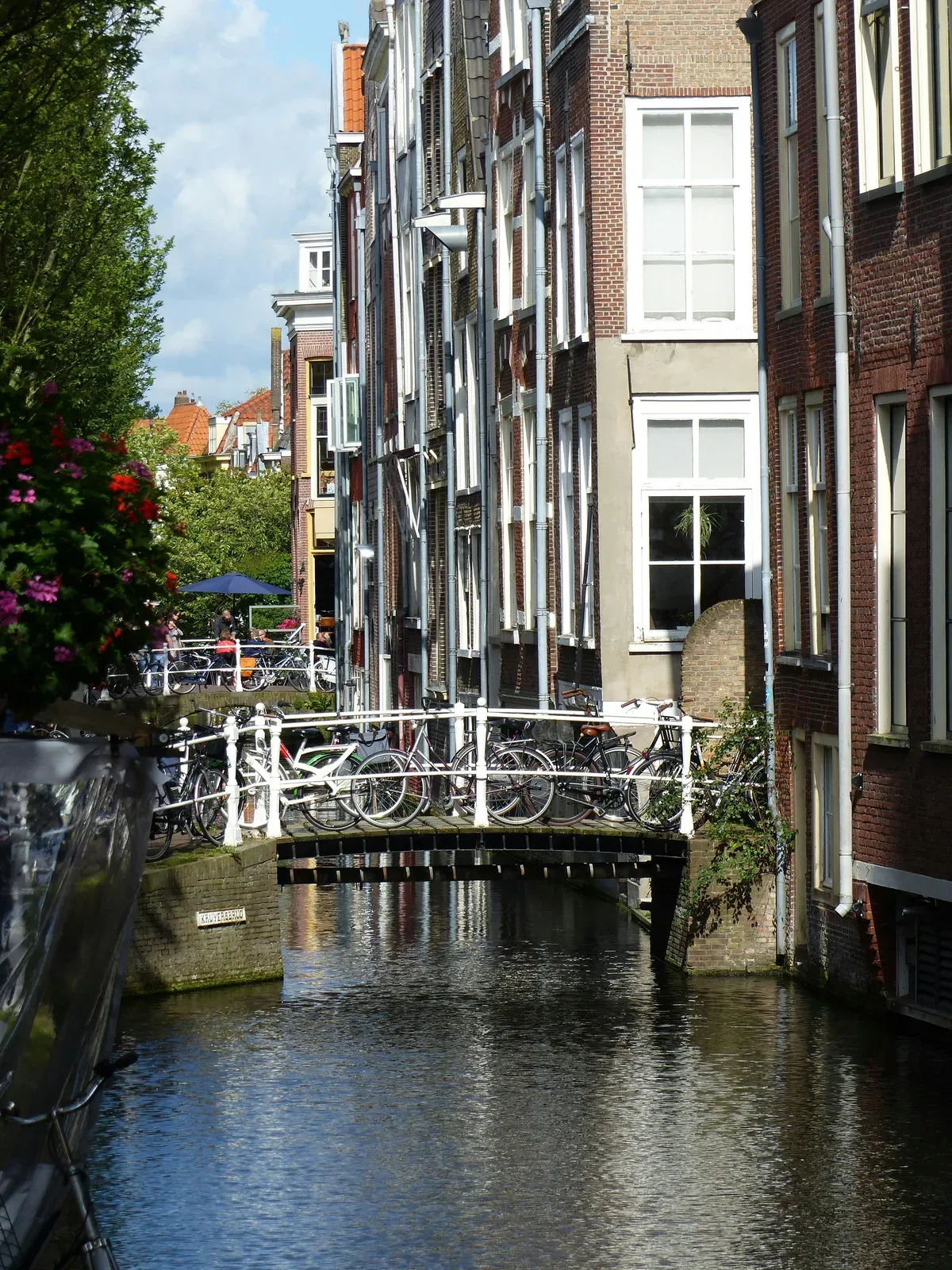
A relaxed 12-day tour based from just two hotels — Amsterdam and The Hague — covering the Rijksmuseum and Van Gogh Museum, Dutch countryside traditions, Delft's Delftware factory, and Rotterdam's architecture.
Visitor guide
Delft is a canal-laced city in South Holland, in the Netherlands, known as the home of the painter Johannes Vermeer, the pottery tradition of Delft Blue and the burial place of the Dutch royal family. Its historic centre of canals, bridges, churches and a market square is compact and walkable.
Count Willem II granted Delft its city charter on 15 April 1246, according to Wikipedia. The name probably comes from the canal called the Delf, linked to digging. In 1389 a canal connected Delft to the Maas, giving it access to the sea via the port of Delfshaven. William of Orange took up residence in the former Saint Agatha convent, later called the Prinsenhof, in 1572. After the Act of Abjuration in 1581, Delft became the de facto capital of the Dutch Republic.
William of Orange was shot dead in the Prinsenhof on 10 July 1584 and buried in the Nieuwe Kerk, which began the tradition of burying members of the House of Orange there. On 12 October 1654 a gunpowder store exploded and destroyed much of the city centre. The death toll is uncertain, with a lower bound of 54, and the painter Carel Fabritius, a pupil of Rembrandt, was among the dead.
The Oude Kerk, or Old Church, was built between 1246 and 1350 and holds the graves of Johannes Vermeer, the microscopist Antonie van Leeuwenhoek and the naval hero Piet Hein. The Nieuwe Kerk, built in the late 14th to early 16th centuries, houses the Dutch royal family's burial vault. The Markt square is dominated by the City Hall and the Nieuwe Kerk, and a statue of the jurist Hugo Grotius stands there. The Prinsenhof is now a museum, and the main canal is the Delftse Schie.
Johannes Vermeer was born in Delft in 1632 and often used local streets and interiors in his paintings. Delftware is blue-and-white pottery modelled on 17th-century imported Chinese porcelain, and Royal Delft, also known as De Porceleyne Fles, still produces it. Hand painting remains central to the craft, though the details of what a visitor sees depend on the factory's programme at the time.
Delft has a long scientific reputation. Antonie van Leeuwenhoek, known as the father of microbiology for his work with microscopes, lived and worked in the city, and Wikipedia describes Delft as a birthplace of microbiology. Hugo Grotius, who lived from 1583 to 1645, was born there and helped lay the foundations of international law. The Delft University of Technology was founded in 1842 as a civil engineering academy by King William II and is now one of four Dutch universities of technology.
The old town is small enough to cover on foot, with canal-side streets, bridges and several museums. A private tour with a driver from Amsterdam, Rotterdam or The Hague can include Delft with other stops, such as Kinderdijk or the Hague's museums, and a local guide can point out the Vermeer connections.
See every tour and attraction we cover in Netherlands.