TorontoOntario · 36 tours
 Niagara FallsOntario · 25 tours
 New York CityNew York · 30 tours
 Las VegasNevada · 8 tours
 San FranciscoCalifornia · 16 tours
 VancouverBritish Columbia · 17 tours
 DubaiUAE · 54 tours
 Abu DhabiUAE · 5 tours
 Buenos AiresArgentina · 23 tours
 AthensGreece · 31 tours
 AucklandNew Zealand · 38 tours
 CancunMexico · 54 tours
No destinations match “”. Try searching all tours instead — that search understands full questions, not just place names.
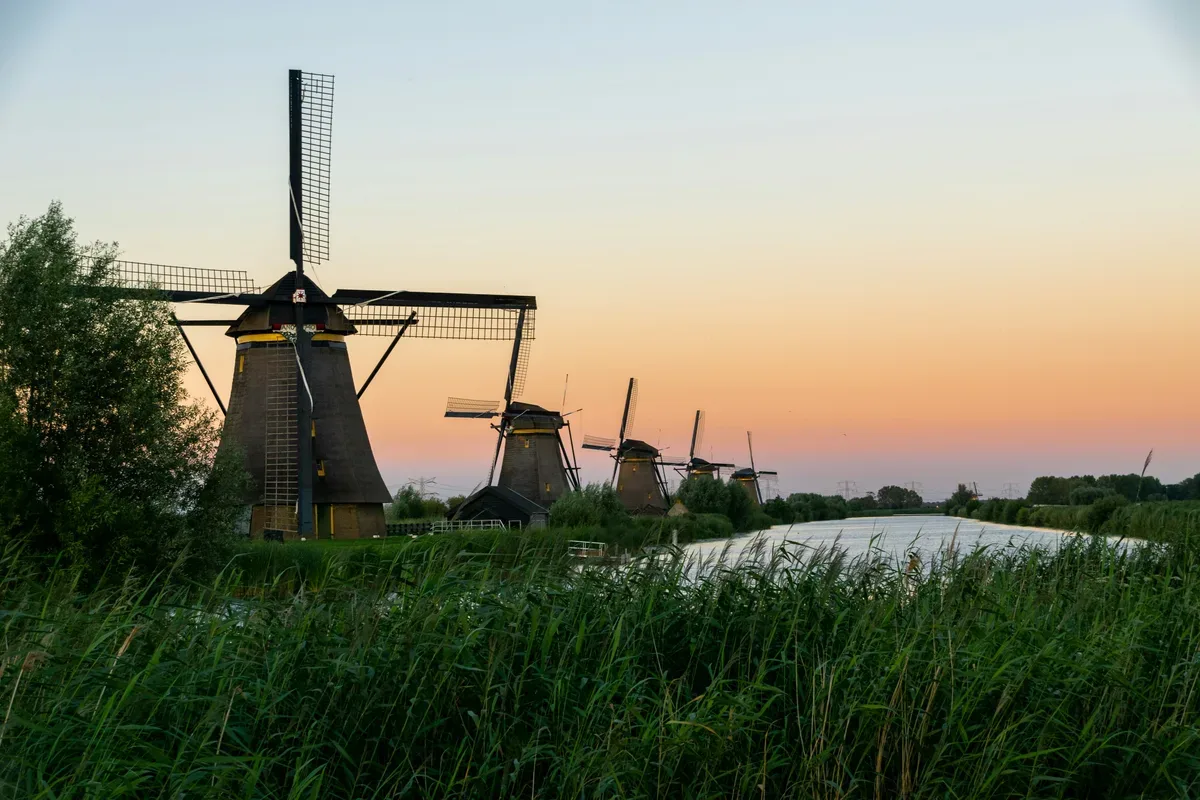
A UNESCO World Heritage site of 19 18th-century windmills that once protected the Dutch polders from flooding, reachable by boat from Rotterdam.
 Multi-Day Tours
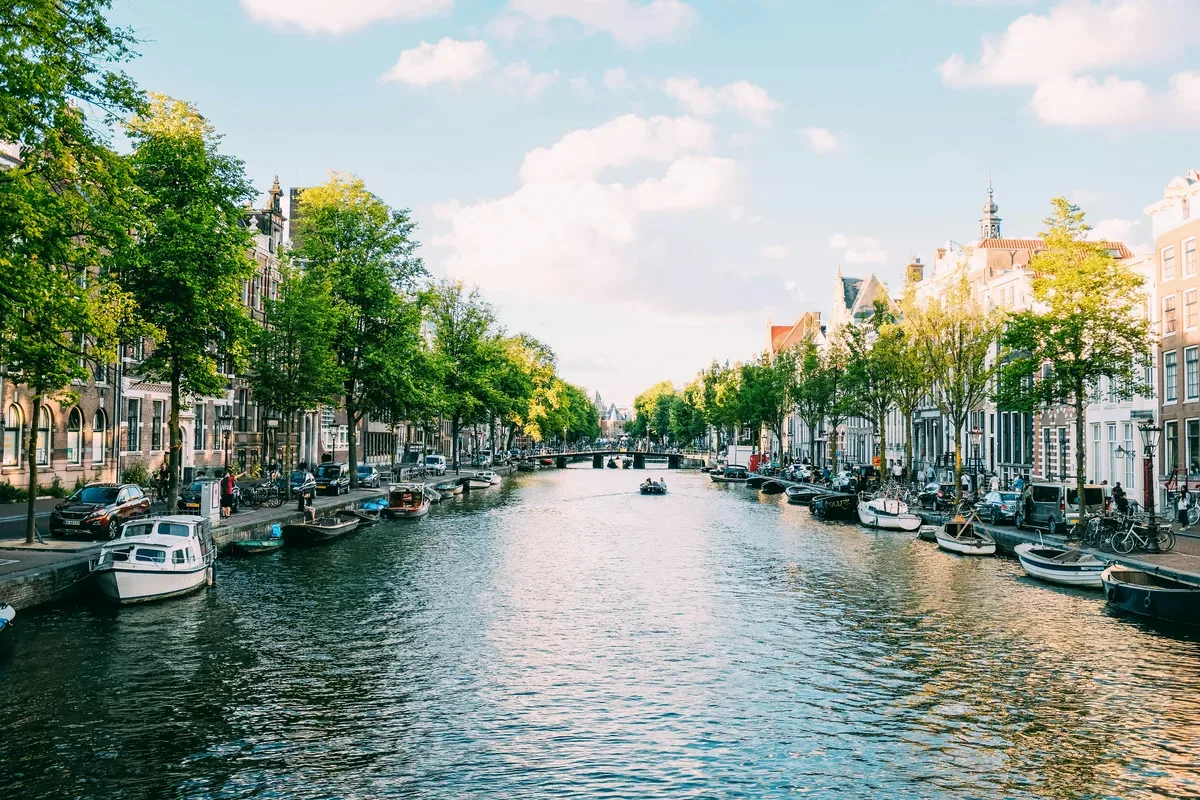
A 9-day luxury route through Amsterdam's canals and museums, the windmills and cheese markets of the Dutch countryside, Rotterdam's modern architecture, and The Hague's royal art collections, with fine dining throughout.
 Multi-Day Tours
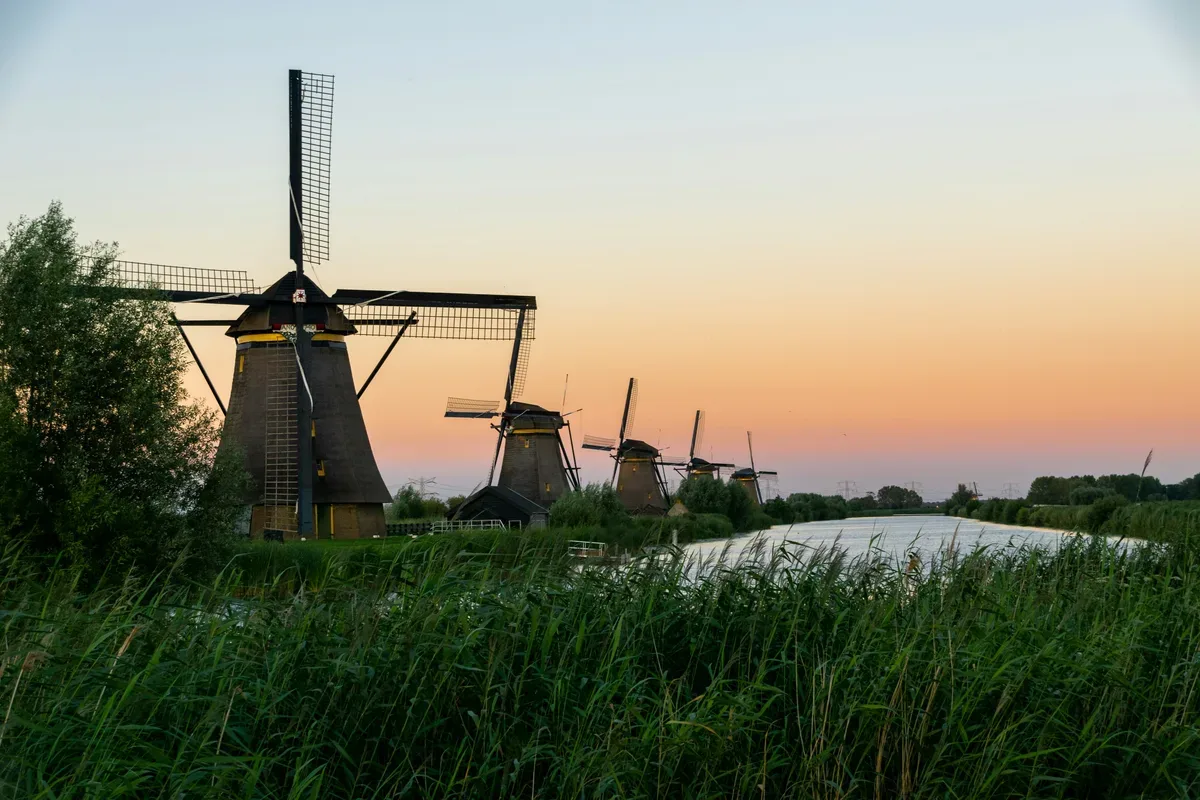
A 7-day route from Amsterdam through The Hague's royal art and politics, the ceramic town of Delft, Rotterdam's modern skyline, and the UNESCO windmills of Kinderdijk.
Visitor guide
Kinderdijk is a village in the municipality of Molenlanden, South Holland, about 15 kilometres east of Rotterdam, famous for a system of 19 windmills built around 1740. The Mill Network at Kinderdijk-Elshout was inscribed as a UNESCO World Heritage Site in 1997.
The windmills stand in the Alblasserwaard polder, where the Lek and Noord rivers meet. Water problems in the region grew from the 13th century onwards. Canals called weteringen were dug, but the drained peaty soil kept sinking while the river bed rose from sediment, so water had to be lifted higher and higher. Each mill could raise water only a limited height. Mills therefore pumped water into an intermediate reservoir, and other mills emptied the reservoir into the river whenever its level was low enough. River levels vary with the tides and the seasons, which made the system a continuous management task.
Wikipedia describes the group as the largest concentration of old windmills in the Netherlands and notes that they are among the best-known Dutch tourist sites. Some mills still operate, but the main water works today are two diesel pumping stations near one entrance to the site.
Kinderdijk means 'children's dike' in Dutch. The name is linked to the St. Elizabeth's flood of 1421, which flooded the Grote Hollandse Waard but spared the Alblasserwaard. A popular legend says a villager found a cradle with a sleeping baby floating in the water, kept afloat by a cat, and the tale was published in English as The Cat and the Cradle. This is folklore and not established history.
UNESCO inscribed the site in 1997 as the Mill Network at Kinderdijk-Elshout. The listing recognises the windmills together with the polder landscape, drainage works and pumping stations as evidence of how the Dutch managed water over centuries. The windmills themselves date from around 1740 according to Wikipedia, so they are sometimes described as 18th-century structures. Because the mills were built for a practical purpose and not for show, the site is often described as a working landscape in which the machinery, the canals and the dikes belong together, and it is this relationship between people and water that the World Heritage listing highlights.
The mills line the canals in two rows, and the flat polder landscape of canals, dikes and reed beds is easily viewed from footpaths or from a boat. The site is reachable by boat from Rotterdam as well as by road. The village is small, with about 800 residents on 1 January 2021 according to Wikipedia.
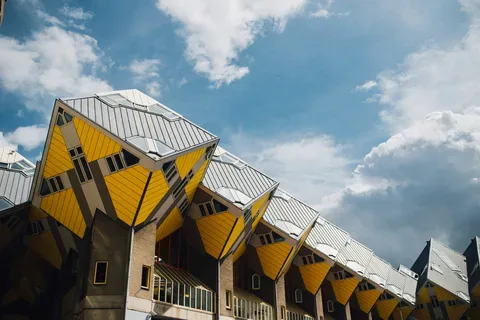
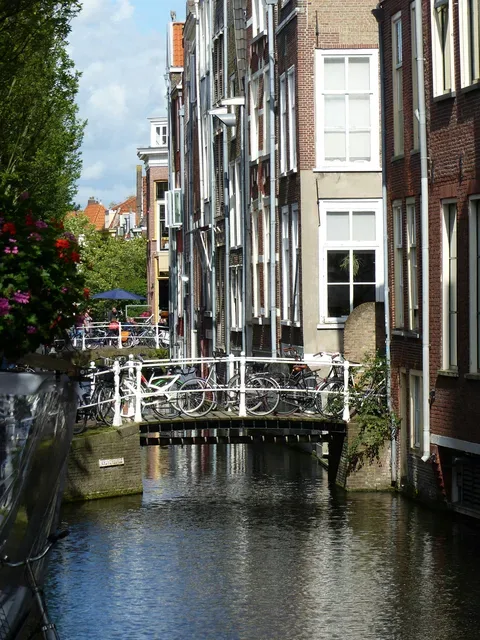
Kinderdijk has appeared in popular culture, including as a playable location in a video game and a stage in a fighting game. For visitors it is a quiet contrast with Rotterdam's modern skyline, and a private tour can combine the windmills with other South Holland stops such as Delft or the Cube Houses.
See every tour and attraction we cover in Netherlands.