TorontoOntario · 36 tours
 Niagara FallsOntario · 25 tours
 New York CityNew York · 30 tours
 Las VegasNevada · 8 tours
 San FranciscoCalifornia · 16 tours
 VancouverBritish Columbia · 17 tours
 DubaiUAE · 54 tours
 Abu DhabiUAE · 5 tours
 Buenos AiresArgentina · 23 tours
 AthensGreece · 31 tours
 AucklandNew Zealand · 38 tours
 CancunMexico · 54 tours
No destinations match “”. Try searching all tours instead — that search understands full questions, not just place names.
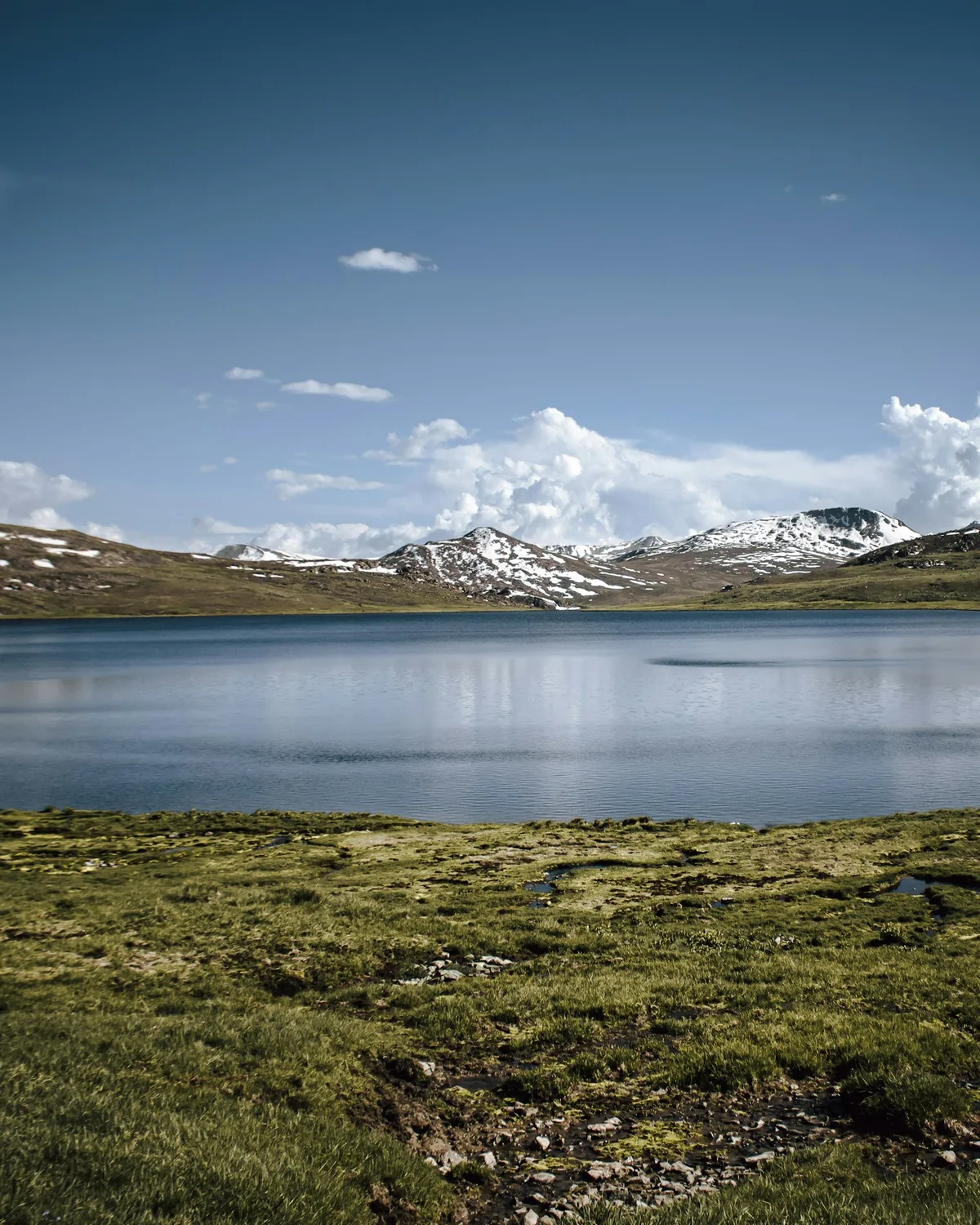
One of the highest plateaus in the world at over 4,000m, in Gilgit-Baltistan near Skardu, known for Sheosar Lake, wildflower meadows, and the Himalayan brown bear.
Visitor guide
Deosai National Park is a high alpine plain in Gilgit-Baltistan, Pakistan, between the districts of Skardu and Astore. Lying at an average elevation of about 4,114 metres, it is known for its wildflower meadows, Sheosar Lake and the Himalayan brown bear.
According to Wikipedia, Deosai lies east of Nanga Parbat in the western Himalayas, close to the central Karakoram. The plains are described as the second-highest plateau in the world after the Changtang Tibetan Plateau, a claim that is best read as sourced to the article rather than independently verified. The park covers 358,400 hectares by one figure, while another section gives 843 square kilometres, so sources differ. Soils are coarse, eroded and mixed with gravel, while flatter areas between the mountains have deeper marshy soil.
The name Deosai comes from two Shina words, deo meaning giant and sai meaning shadow, roughly translated as shadow of the giant or land of the giant. The Balti name, Ghbiarsa, means summer's place, because the plateau is accessible only in summer. The largest river crossing the park is the Bara Pani, and Sheosar Lake lies in its western part.
The park was established in 1993 to protect the Himalayan brown bear and its habitat. Wikipedia reports that the bear population rose from 19 in 1993 to 40 in 2005 and 78 in 2022, though the species remains threatened by climate change and nutritional deficiencies. Other animals include Siberian ibex, snow leopard, Kashmir musk deer, Himalayan wolf and Himalayan marmot. More than 124 resident and migratory bird species are recorded, including golden eagle, lammergeier and Himalayan snowcock.
The plains are covered by wildflowers in spring and summer, and the article lists a long set of plant species, including several used locally for medicine. The Himalayan Wildlife Foundation, founded in 1993, ran two entry check posts and a field research camp for about ten years, and the Northern Areas Forest Department has managed the park since 2006.
Snow closes the plateau in winter, and travel sources describe access as generally open from around June to September, when wildflowers and butterflies cover the plains. UNESCO's tentative listing for Deosai notes that tourism is limited to the short summer season and describes the bear population there as the only stable one in the region, with a count of 72 given in that listing, so figures differ by year and source. Sheosar Lake is described by one guide as sitting at nearly 13,600 feet, and Deosai with Sheosar is called one of the highest-elevation freshwater wetlands in the world, a claim attributed to that source. Some sections of the park have restricted access to protect wildlife, and visitors are advised against walking in parts of the plateau without a guide because trails are not marked.
Skardu is about 30 km away and is the shortest approach. Other access points include Astore via Chilim, Shila valley, Galtari, Mehdiabad and Burgy La via Burgy Nala. Because the plateau is high, remote and accessible mainly in summer, a private tour with a driver experienced on mountain roads suits a visit, and a stay in Skardu beforehand helps with acclimatisation.
Deosai is best treated as a full-day excursion rather than a quick stop, since distances across the plateau are long and weather can change quickly at over 4,000 metres.
See every tour and attraction we cover in Pakistan.