TorontoOntario · 36 tours
 Niagara FallsOntario · 25 tours
 New York CityNew York · 30 tours
 Las VegasNevada · 8 tours
 San FranciscoCalifornia · 16 tours
 VancouverBritish Columbia · 17 tours
 DubaiUAE · 54 tours
 Abu DhabiUAE · 5 tours
 Buenos AiresArgentina · 23 tours
 AthensGreece · 31 tours
 AucklandNew Zealand · 38 tours
 CancunMexico · 54 tours
No destinations match “”. Try searching all tours instead — that search understands full questions, not just place names.
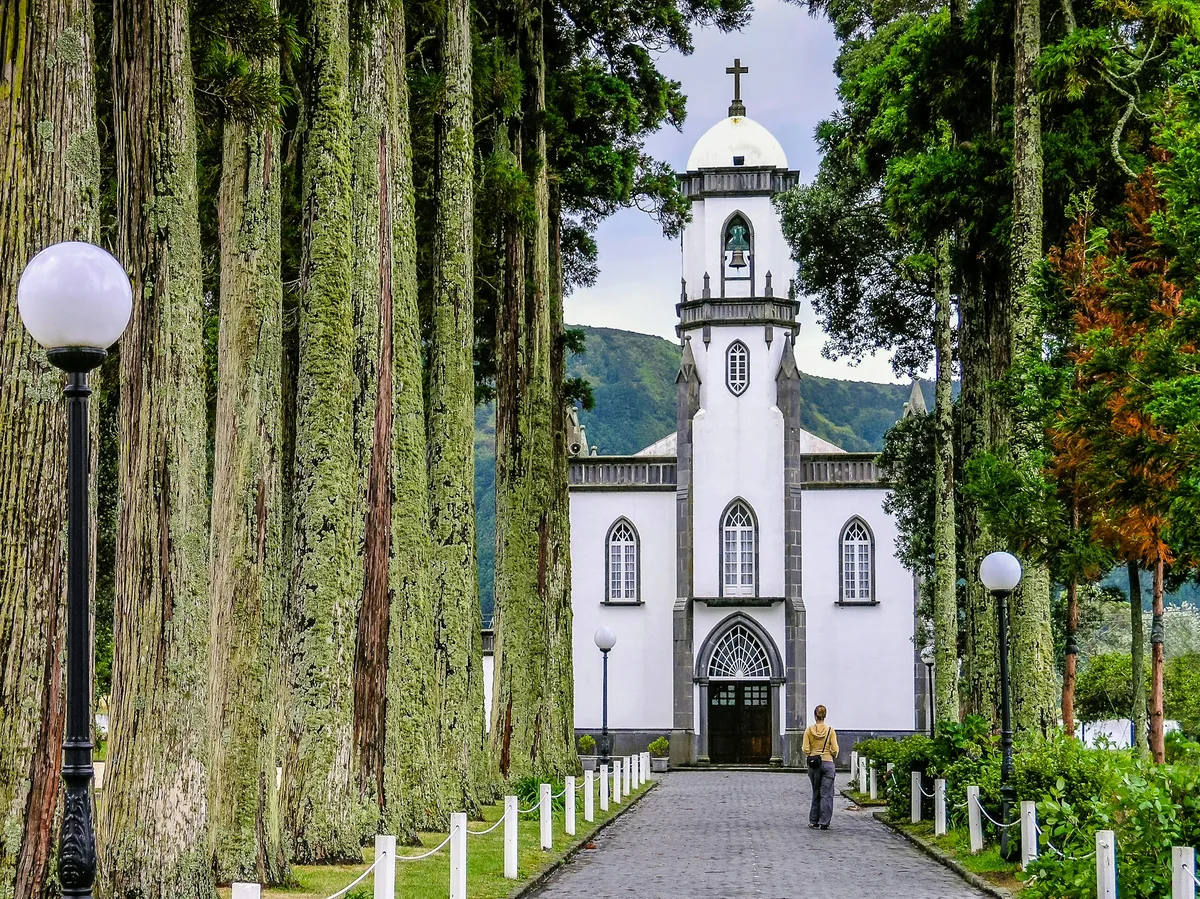
A geothermal valley on São Miguel where bubbling caldeiras slow-cook the traditional Cozido stew underground, surrounded by the botanical gardens of Terra Nostra Park and its thermal-water pool.
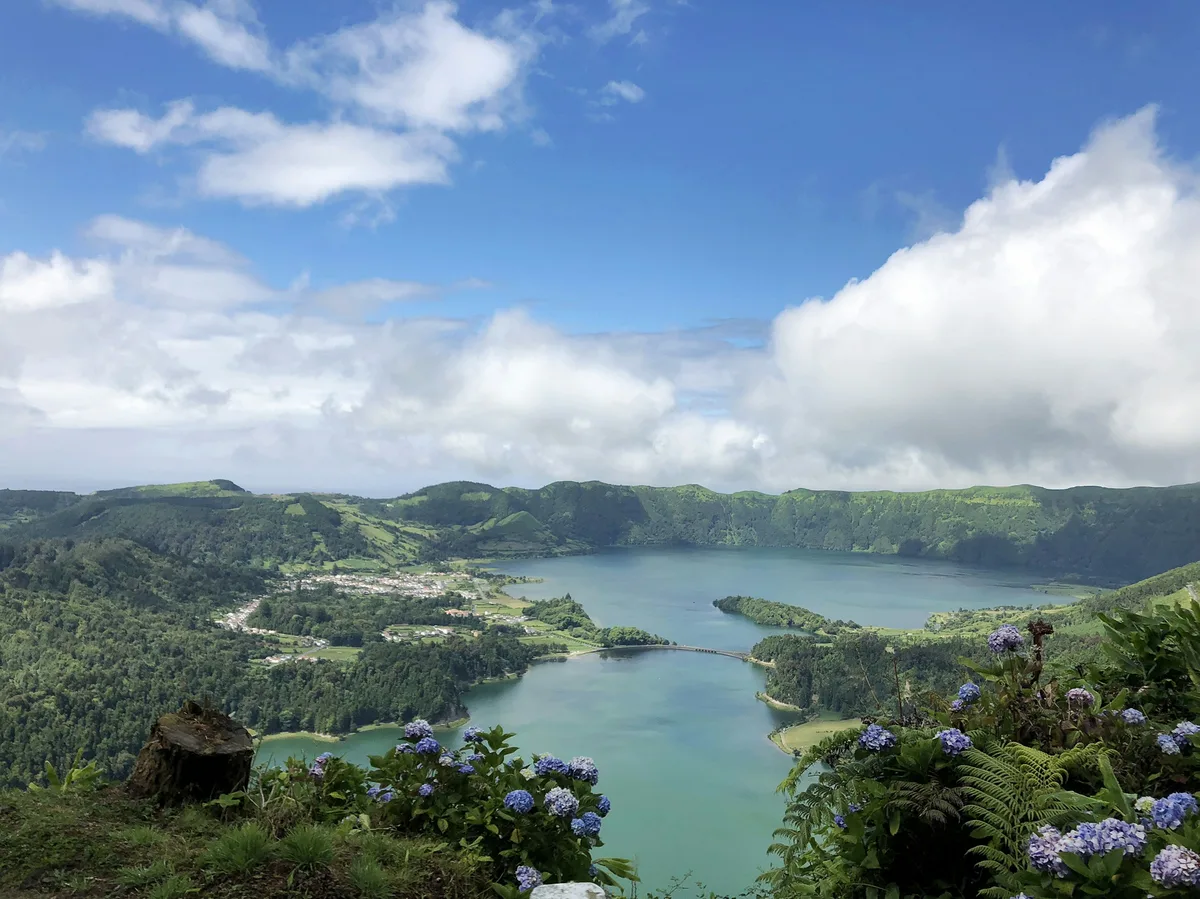 Multi-Day Tours Popular Pick
An 8-day journey across São Miguel, Faial and Pico islands — crater lakes, volcanic hikes, lava caves and whale-country waters — all with your own private guide and driver.
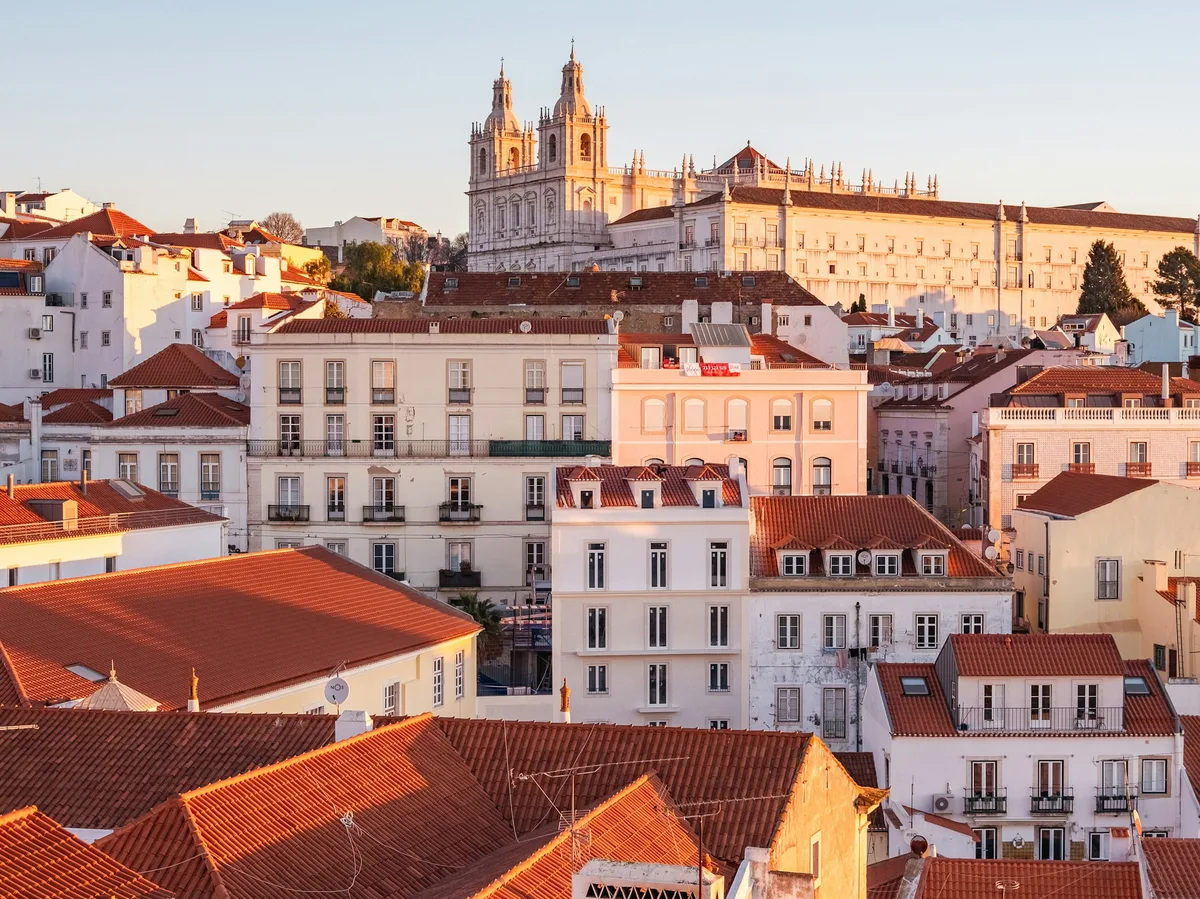 Multi-Day Tours
Four nights discovering Lisbon, Sintra and Cascais on mainland Portugal, then four nights exploring São Miguel in the Azores — with a private driver throughout instead of a rental car.
Visitor guide
Furnas is a volcanic valley on the eastern side of Sao Miguel Island in the Azores, Portugal, where steaming vents, hot springs and iron-rich thermal water are part of everyday life. Its geothermal activity gave rise to the local Cozido das Furnas, a stew slow-cooked underground by natural heat.
Furnas sits within the caldera of the Furnas volcano, which one source describes as a stratovolcano with a summit caldera about 6 kilometres across. The most recent eruption is generally dated to 1630. One account says a series of earthquakes lasted about six hours on 2 September 1630, followed by an eruption from the southern part of the caldera. Sources disagree on the toll and size: Wikipedia cites about 200 deaths, while another source reports between 80 and 115 people killed at Ponta Garca, and the eruption is variously rated VEI 4 or 5. The valley was abandoned afterwards but new settlers soon returned. Today the volcano is considered dormant and monitored.
The caldeiras are small, volcanically heated pools and vents in a small garden less than a kilometre from the village centre. According to one French guide, they are off limits to the public but visitors can get close enough to feel the heat. Sources count more than thirty geysers and hot springs around the village. The vapour, the mineral smell and the warm ground define the experience.
The Cozido das Furnas is a traditional stew of meats and vegetables cooked underground in pots buried in volcanically heated soil. One guide describes pots being buried along the lakeshore each morning and pulled out about five hours later, and says many village restaurants serve it daily. Some cooks reportedly choose their cooking pits by reading subtle changes in soil temperature.
Furnas is also known for thermal bathing. The pool in Terra Nostra Park is fed by naturally brown, iron-rich water kept at about 37 degrees Celsius, according to Wikipedia, and travel sources list Poca da Dona Beija among other thermal baths in the village, though details of its history were not confirmed here. Wikipedia advises bathers to take a longer shower afterwards.
Terra Nostra Park, a botanical garden of about 12.5 hectares in the village, grew from a summer residence built by the American consul Thomas Hickling in the 18th century and was later enlarged under the Viscondes da Praia and the Bensaude family. A ring of araucaria trees surrounds the thermal pool, and the garden's trees were imported from North America, Australia, New Zealand, China and South Africa. Together with the vents, the lakeside cooking pits and the thermal baths, the park shows how the valley's volcanic energy has shaped both its landscape and its customs.
Geologically, Furnas is a dormant volcanic system on Sao Miguel. The caldera valley, a lake and widespread hydrothermal activity show how the Azores sit on a volcanic island chain in the mid-Atlantic, and the fumaroles are a continuing sign of heat beneath the ground even though no eruption has been recorded since 1630.
A private tour with a driver and local guide suits Furnas well, since the sites lie close together but are easiest to understand with someone explaining the volcanic setting and the cooking tradition. Dress for variable weather, as conditions on the island can change within the day.
See every tour and attraction we cover in Azores.