TorontoOntario · 36 tours
 Niagara FallsOntario · 25 tours
 New York CityNew York · 30 tours
 Las VegasNevada · 8 tours
 San FranciscoCalifornia · 16 tours
 VancouverBritish Columbia · 17 tours
 DubaiUAE · 54 tours
 Abu DhabiUAE · 5 tours
 Buenos AiresArgentina · 23 tours
 AthensGreece · 31 tours
 AucklandNew Zealand · 38 tours
 CancunMexico · 54 tours
No destinations match “”. Try searching all tours instead — that search understands full questions, not just place names.
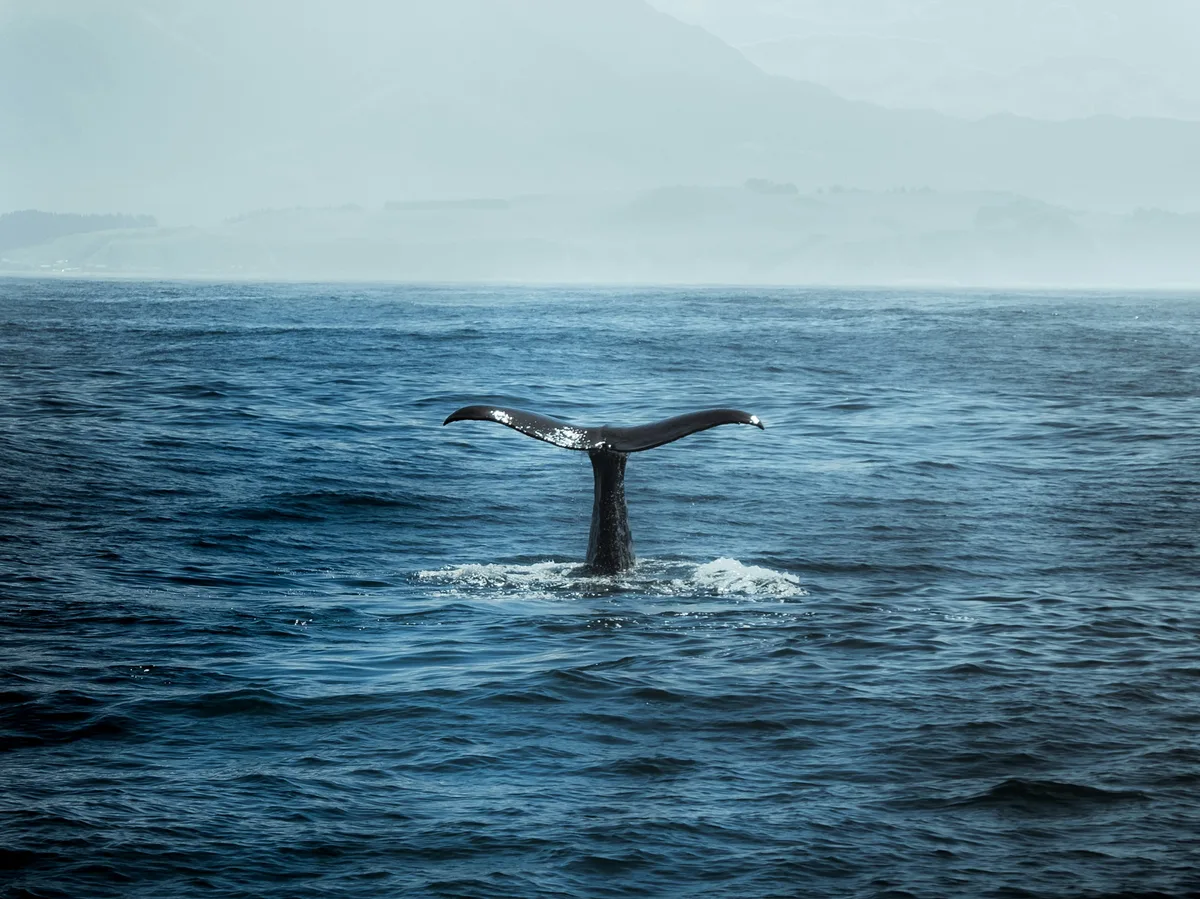
The Azores sit on a mid-Atlantic migration route where sperm whales, several dolphin species and, seasonally, blue whales are regularly spotted on guided boat trips from São Miguel and Pico.
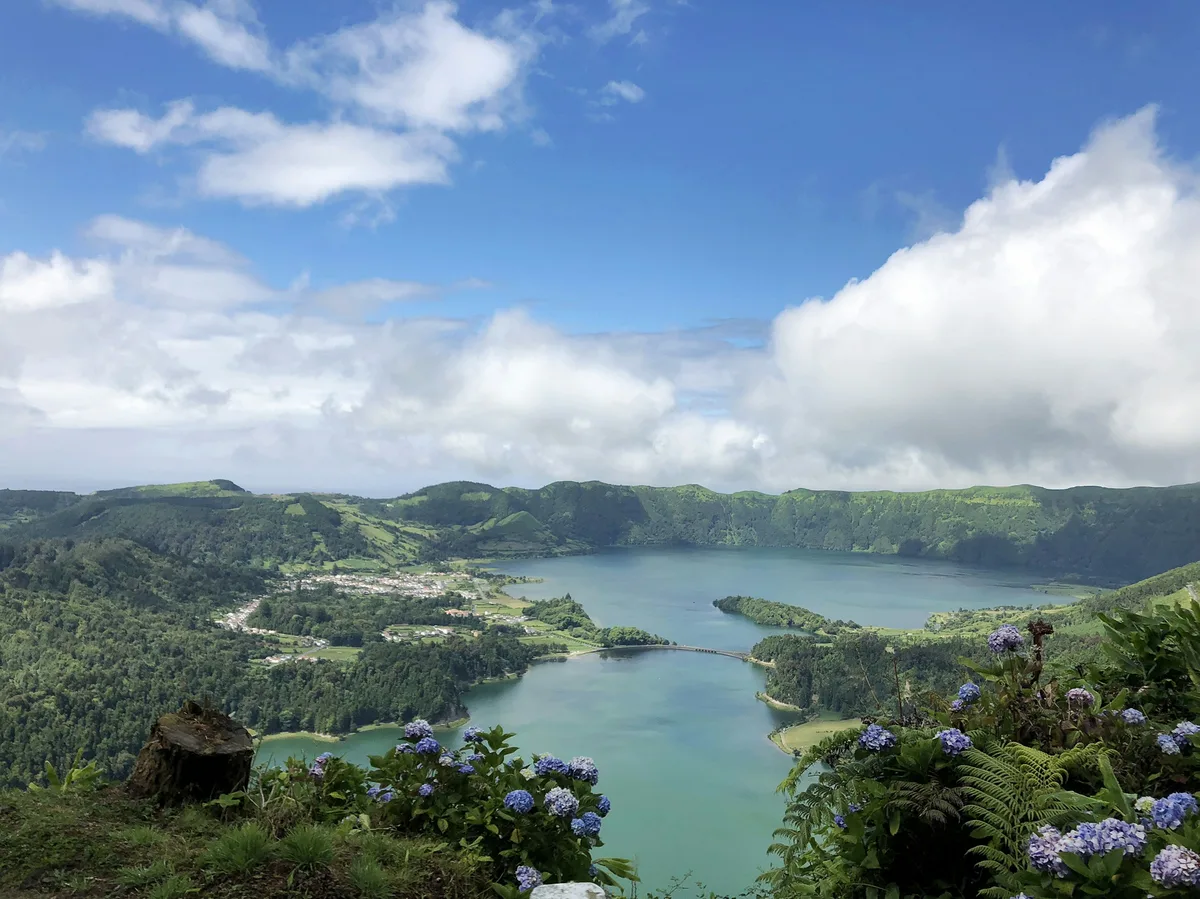 Multi-Day Tours Popular Pick
An 8-day journey across São Miguel, Faial and Pico islands — crater lakes, volcanic hikes, lava caves and whale-country waters — all with your own private guide and driver.
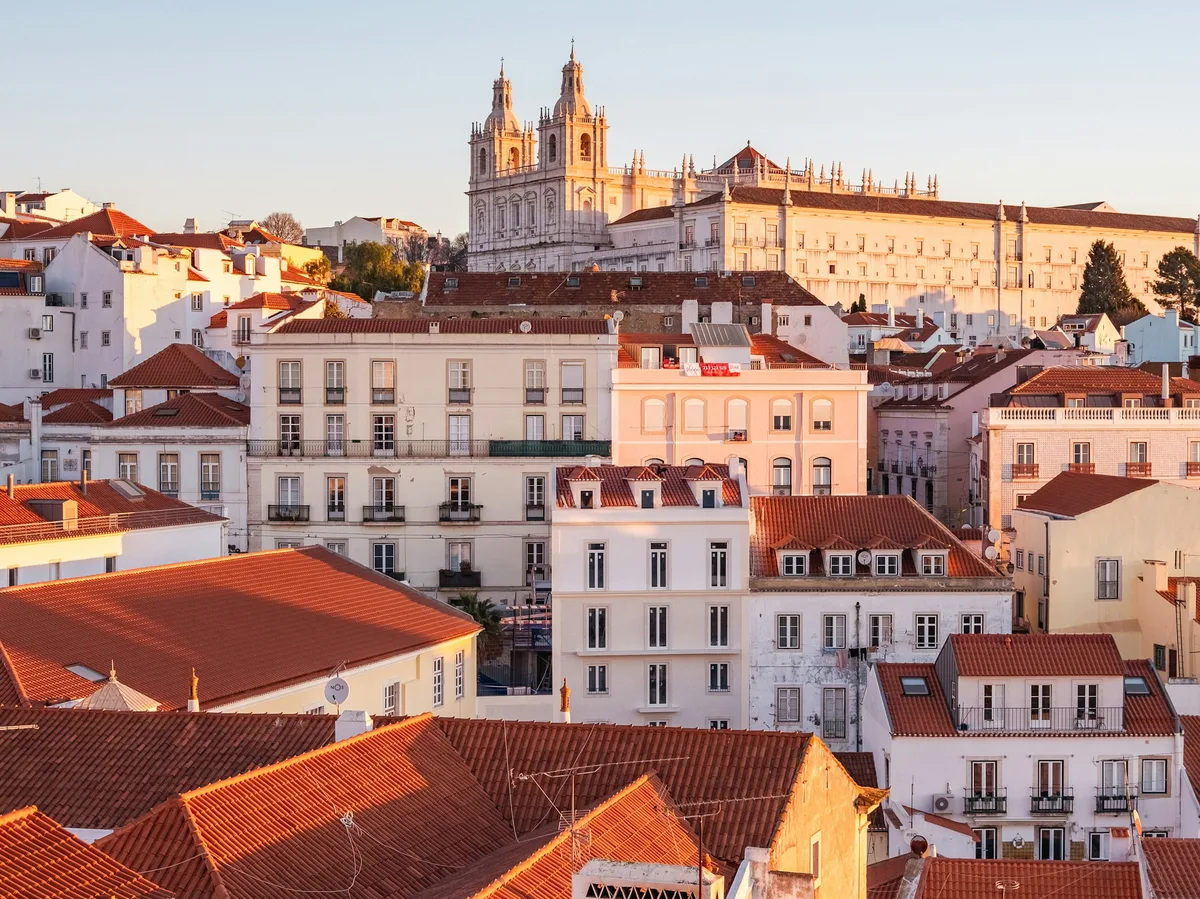 Multi-Day Tours
Four nights discovering Lisbon, Sintra and Cascais on mainland Portugal, then four nights exploring São Miguel in the Azores — with a private driver throughout instead of a rental car.
Visitor guide
Whale and dolphin watching off Sao Miguel is a boat-based wildlife experience in the Azores, Portugal, where sperm whales and several dolphin species are seen in the waters around the islands. The activity grew from the archipelago's whaling past, and today it operates under regional rules intended to limit disturbance to the animals.
Sources agree that the last shore whaling factory in the Azores closed in 1984, with a few whales still taken until the mid-1980s; some accounts put the final kill in 1986 or 1987. Portugal's membership of the European Union and pressure from the International Whaling Commission contributed to the end of whaling. Commercial whale watching began in the early 1990s, and one regulatory review says the regulation process began in 1996. Dates differ between sources, so these are best treated as approximate.
Vigias were land-based lookouts on high points around the islands. Spotters used powerful binoculars to look for the blows of whales and used smoke signals to indicate where the animals were, so the whalers could set out. Some whale-watching operators have kept the tradition of staying in radio contact with lookouts, and some lookout huts, such as Vigia da Furada on Sao Miguel, have been restored as heritage sites.
Sperm whales can be seen year round, and dolphins are present year round, with common, bottlenose and Risso's dolphins frequently reported. Blue whales typically appear between February and May, according to one source, and spring is described as the best period for migrating baleen whales such as fin, sei and blue whales. Summer brings regular sightings of Atlantic spotted dolphins, pilot whales and striped dolphins. The Azores' own whale-watching information reports 28 of the 81 known cetacean species recorded in the region, although other sources use different counts.
Regional Legislative Decree 9/1999/A of 22 March regulates whale watching in the Azores, and it was amended in 2003 and supplemented in 2004. Licensing is by area and boat length, swimming with whales is forbidden, and night observation is banned. Time spent in the approach area is limited to a maximum of 30 minutes, and further rules cover noise, chasing and feeding, and separating calves from adults. Approach distances are described differently across sources, so the current official decree is the authority.
Whale watching is now part of the island economy. Wikipedia's article on neighbouring Pico notes that sperm whaling was the main industry there until it was abolished in 1986, and that tourism and whale watching have since grown in importance, with the former whale factory turned into a museum. On Sao Miguel the old lookout at Vigia da Furada has been restored as local heritage, showing how the same cliffs that once served hunters now serve interpretation. The shift from hunting to watching is one of the clearest stories of change in the islands.
Sightings cannot be guaranteed, since the animals are wild and conditions vary. A private tour with a driver can build a day around the boat departure from Ponta Delgada or elsewhere on Sao Miguel, with time for other sites on the island.
See every tour and attraction we cover in Azores.