TorontoOntario · 36 tours
 Niagara FallsOntario · 25 tours
 New York CityNew York · 30 tours
 Las VegasNevada · 8 tours
 San FranciscoCalifornia · 16 tours
 VancouverBritish Columbia · 17 tours
 DubaiUAE · 54 tours
 Abu DhabiUAE · 5 tours
 Buenos AiresArgentina · 23 tours
 AthensGreece · 31 tours
 AucklandNew Zealand · 38 tours
 CancunMexico · 54 tours
No destinations match “”. Try searching all tours instead — that search understands full questions, not just place names.
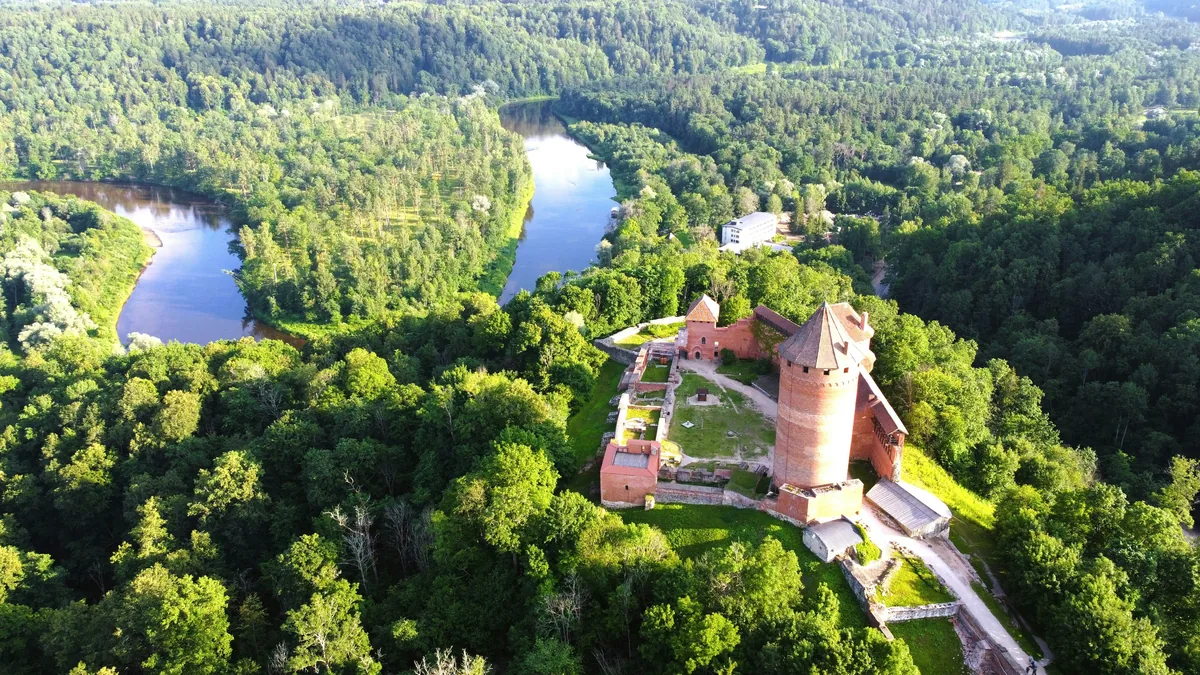
Latvia's largest and oldest national park, a forested river valley around Sigulda and Turaida known for its medieval castle ruins, sandstone cliffs, and a cable car ride high above the Gauja River.
 Multi-Day Tours
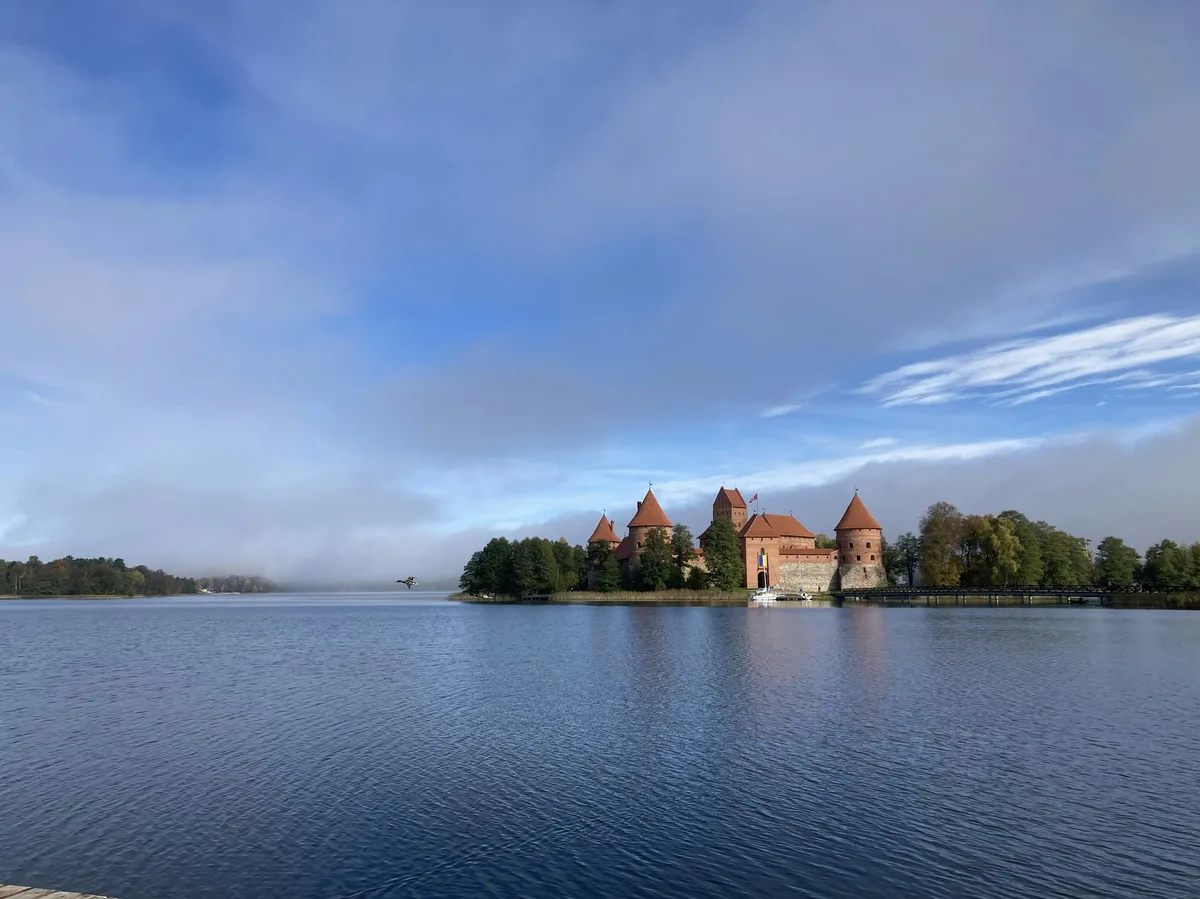
A 10-day private circuit through all three Baltic capitals and on to Finland — Vilnius and Trakai Castle, Riga's Art Nouveau streets, Tallinn's medieval Old Town and Lahemaa National Park, finishing with a ferry crossing to Helsinki.
 Multi-Day Tours
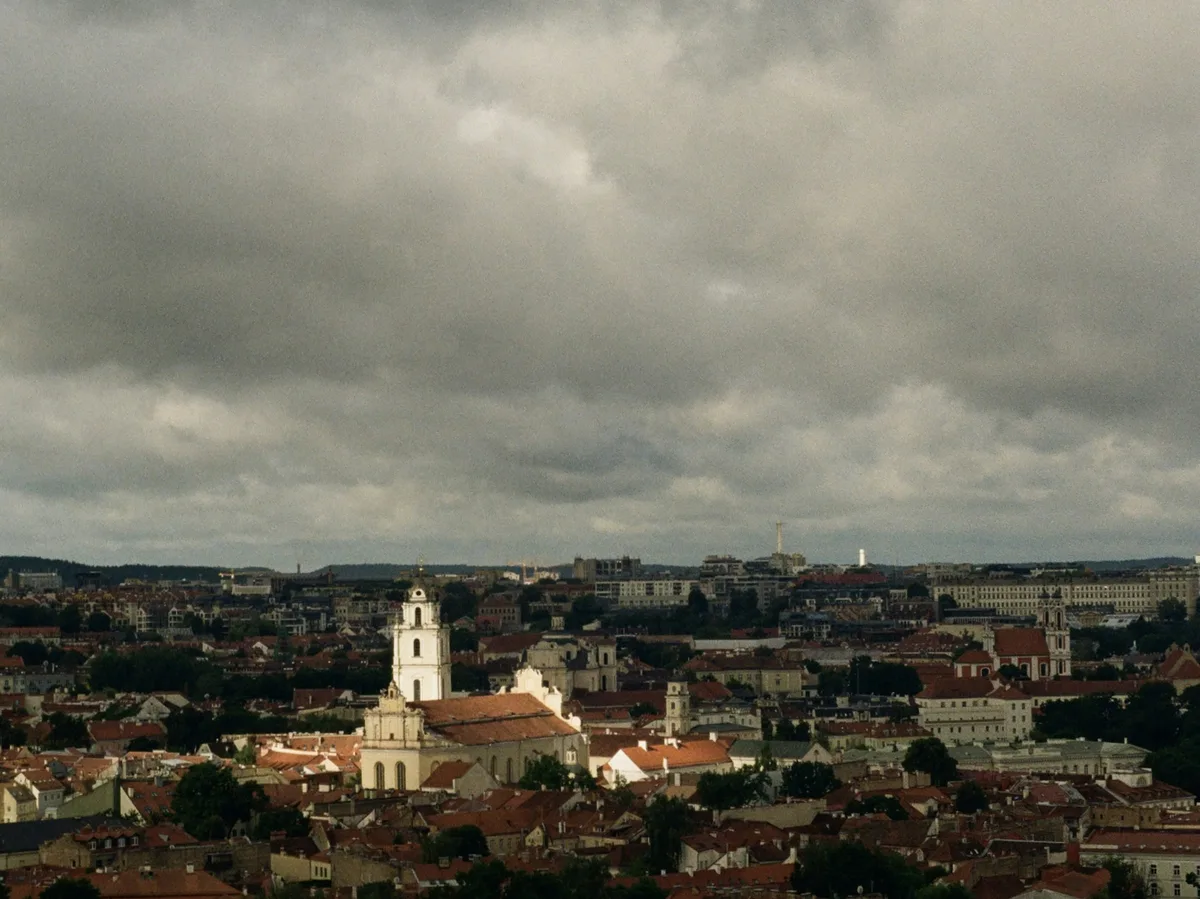
A 13-day route through Estonia and Latvia — Tallinn's Old Town, a hike in Lahemaa National Park, Tartu, medieval Cēsis, kayaking on the Gauja River, and Riga's Art Nouveau streets — adapted from a self-drive itinerary into a private chauffeured trip.
 Multi-Day Tours
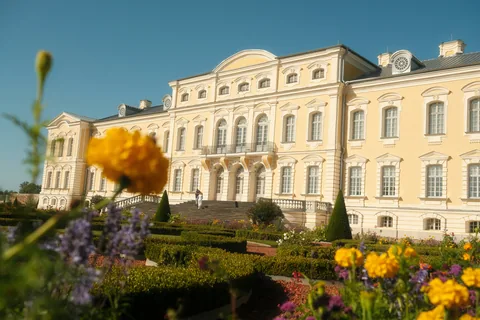
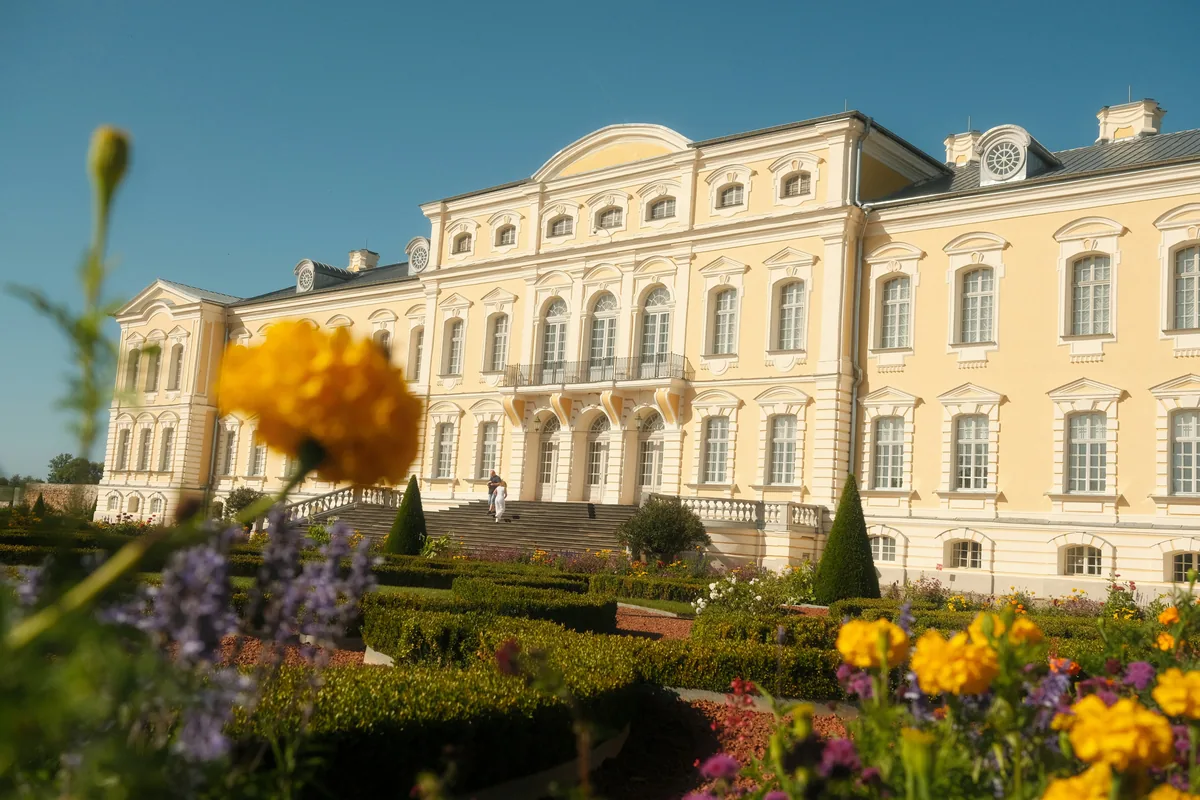
An 8-day loop from Riga through Latvia's national icons — Gauja National Park, Rundāle Palace, the medieval streets of Kuldīga, the port city of Liepāja, and the Baltic Sea coast through Jūrmala.
 Multi-Day Tours
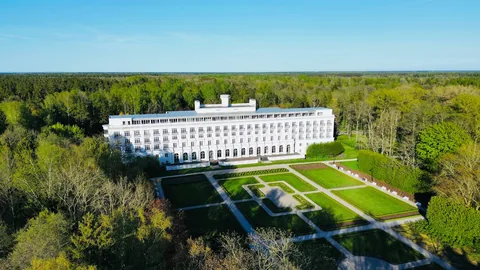
A 10-day, in-depth loop from Riga through Gauja National Park, the medieval town of Cēsis, Rundāle Palace, Kuldīga, Liepāja, the resort town of Jūrmala, and the bogs and former spa town of Ķemeri National Park.
Visitor guide
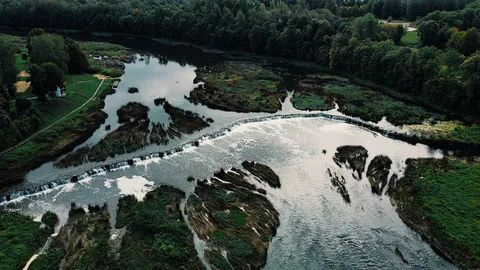
Gauja National Park is the largest national park in Latvia, set along the Gauja River valley in the Vidzeme region. It covers about 918 square kilometres, was established in 1973, and stretches from northeast of Sigulda to southwest of Cesis.
According to Wikipedia, the park is named for the river and is administered by Latvia's Ministry of Environmental Protection and Regional Development, with its administration in Sigulda. It is classified as IUCN Category II and has been part of the Natura 2000 network since 2004. The park was set up to protect slightly disturbed natural areas, promote nature tourism and support sustainable development, and it is divided into five functional zones. Visits are prohibited in the small nature reserve portions.
Forests cover about 47 percent of the territory, and the park records more than 800 vascular plant species, 149 bird species and 48 mammal species. The valley is known for its rock outcrops and varied terrain, including the largest Devonian rock outcrops, in the form of sandstone cliffs, rocks and caves.
Sigulda, about 53 kilometres from Riga, is the park's best-known gateway. Wikipedia describes the Gauja valley there as having reddish Devonian sandstone forming steep rocks and caves, and notes that the area has been called the Switzerland of Vidzeme. Sigulda is also home to the ancient centres of Turaida and Krimulda, as well as ruined castles and an open-air opera festival held in the ruins of Sigulda Castle each summer.
Gutmanis Cave, between Sigulda Castle and Turaida Castle, is described as the largest cave in the Baltics, about 19 metres deep, 12 metres wide and 10 metres high, with inscriptions dating back to the 17th century. A local belief that its water is healthy is mentioned as tradition only. Winter sports such as bobsleigh, luge and skeleton are popular, and a cable car crosses the valley.
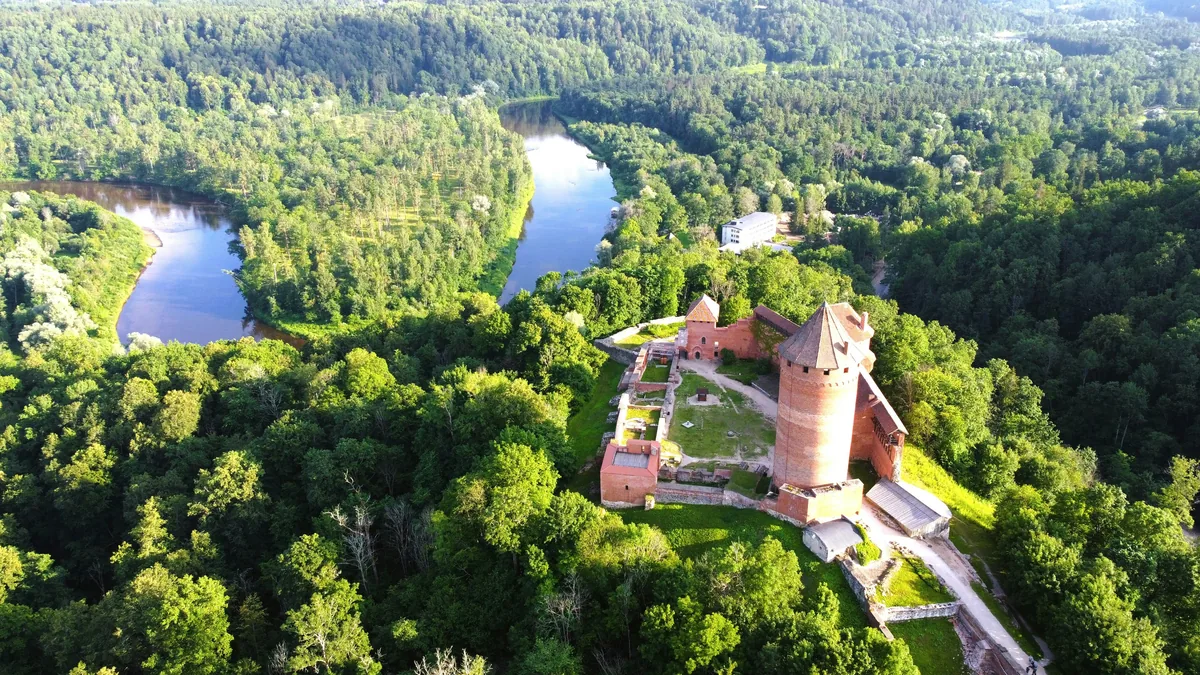
Turaida Castle was begun in 1214 on the orders of Albert, Archbishop of Riga, on the site of an earlier wooden Livonian fort. It was first named Fredeland, meaning Land of Peace, before becoming known by its Livonian name, Turaida, said to mean Thor's garden. Built largely in red brick in the style of the Baltic crusading orders, it was abandoned after a fire in 1776 and gradually fell into ruin. Archaeological excavations began in 1976, followed by restoration, and the main tower now offers views over the Gauja valley.
The park as a whole holds over 500 monuments of history and culture, including hill forts, stone castles, churches, manors and water and windmills. Hiking in the Sigulda area dates back to the 19th century.
The valley changes character through the year, from green forests in summer to autumn foliage and winter snow. A private guided tour with a driver suits the park's spread-out castles and viewpoints, as stops are separated by short drives rather than a single trail.
See every tour and attraction we cover in Latvia.