TorontoOntario · 36 tours
 Niagara FallsOntario · 25 tours
 New York CityNew York · 30 tours
 Las VegasNevada · 8 tours
 San FranciscoCalifornia · 16 tours
 VancouverBritish Columbia · 17 tours
 DubaiUAE · 54 tours
 Abu DhabiUAE · 5 tours
 Buenos AiresArgentina · 23 tours
 AthensGreece · 31 tours
 AucklandNew Zealand · 38 tours
 CancunMexico · 54 tours
No destinations match “”. Try searching all tours instead — that search understands full questions, not just place names.
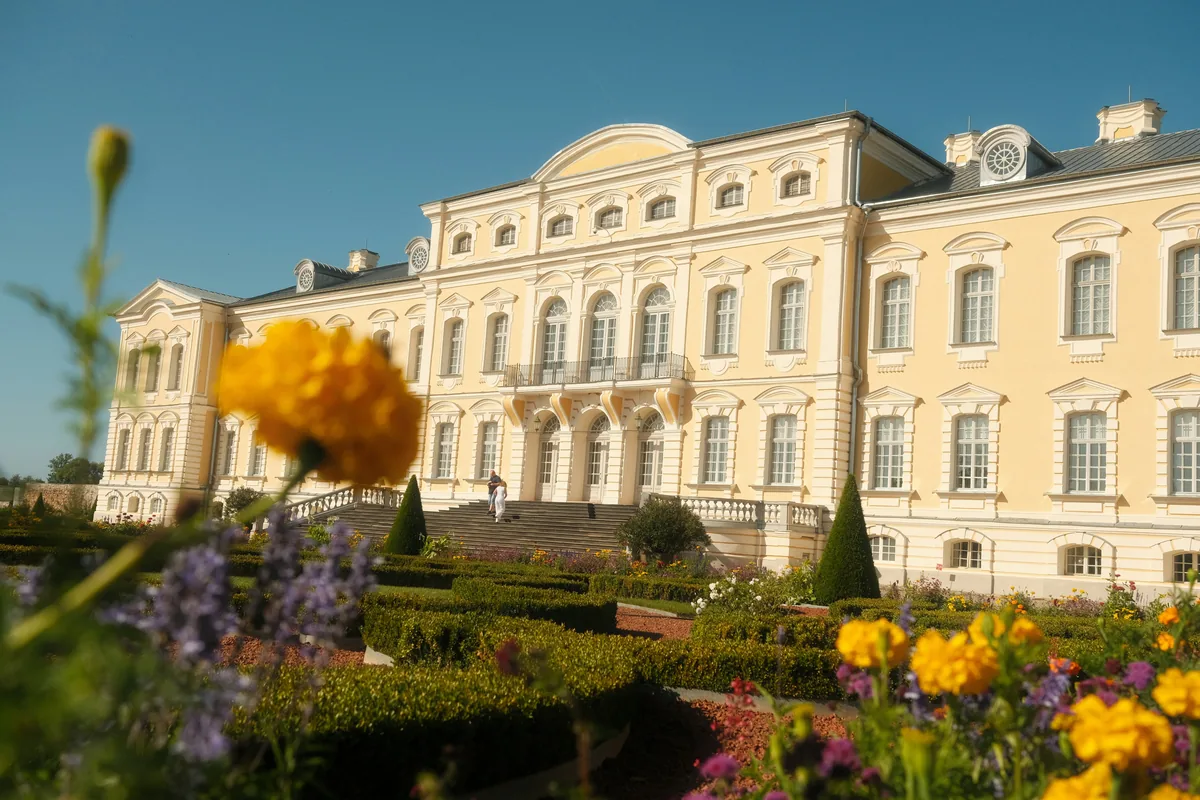
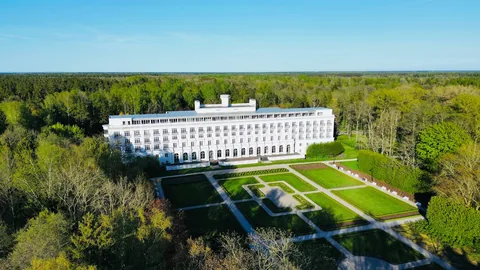
A Baroque and Rococo palace in the plains of southern Latvia, built from 1736 as the summer residence of the Duke of Courland and now a museum, set among formal French-style gardens.
 Multi-Day Tours
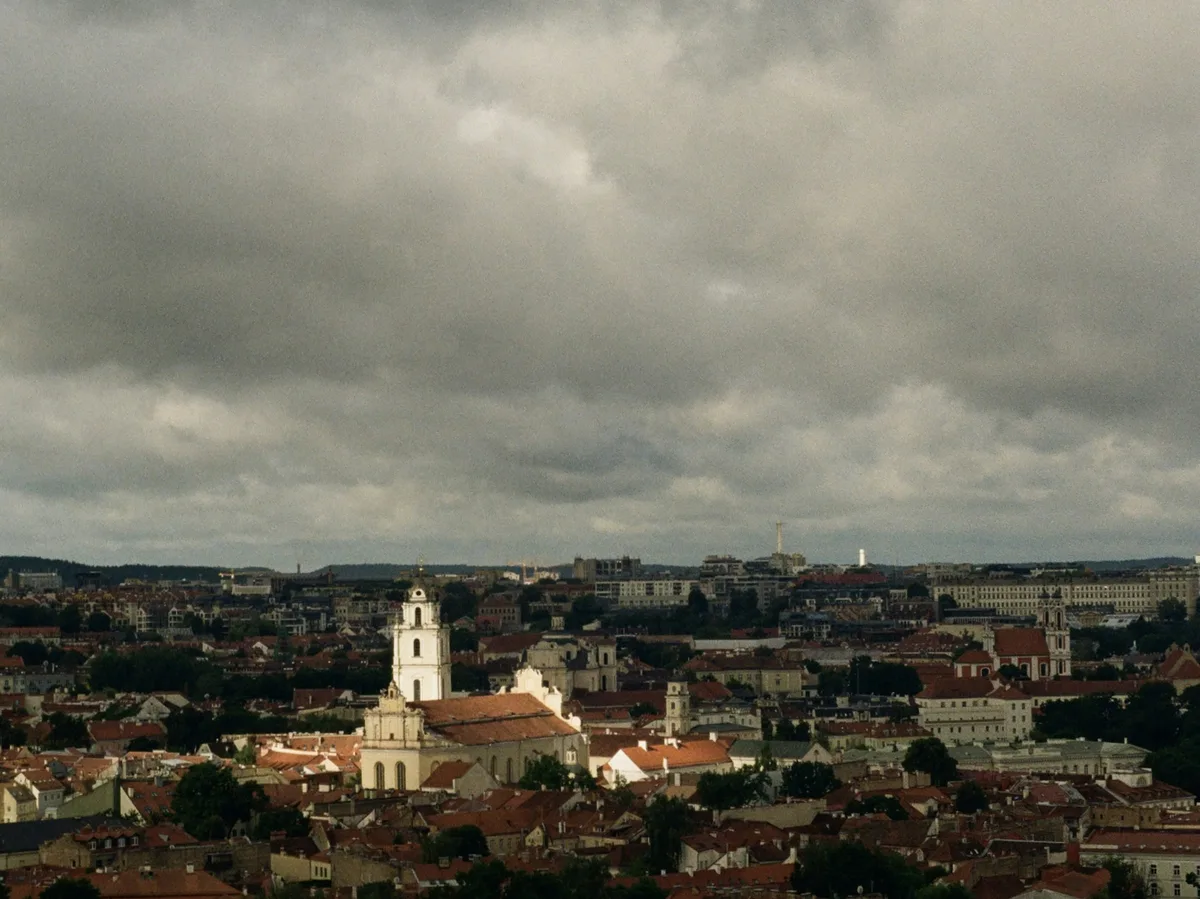
A 13-day route through Estonia and Latvia — Tallinn's Old Town, a hike in Lahemaa National Park, Tartu, medieval Cēsis, kayaking on the Gauja River, and Riga's Art Nouveau streets — adapted from a self-drive itinerary into a private chauffeured trip.
 Multi-Day Tours
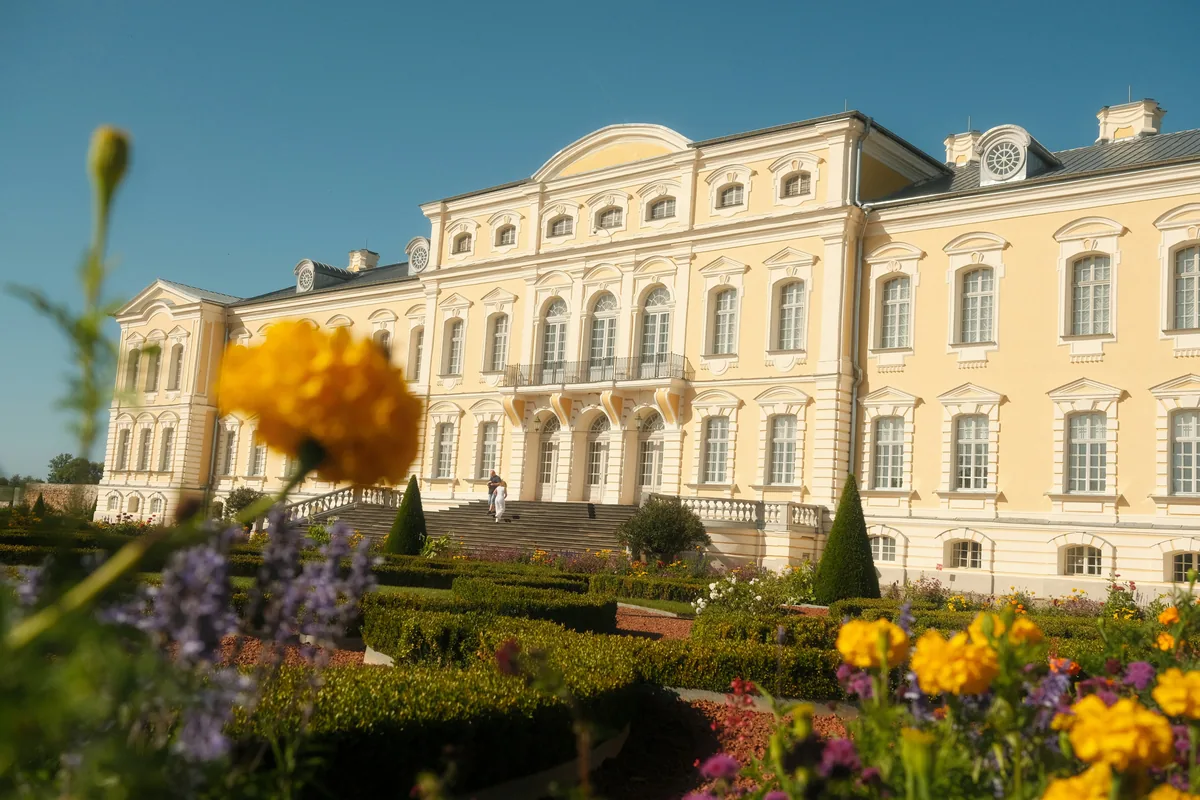
An 8-day loop from Riga through Latvia's national icons — Gauja National Park, Rundāle Palace, the medieval streets of Kuldīga, the port city of Liepāja, and the Baltic Sea coast through Jūrmala.
 Multi-Day Tours
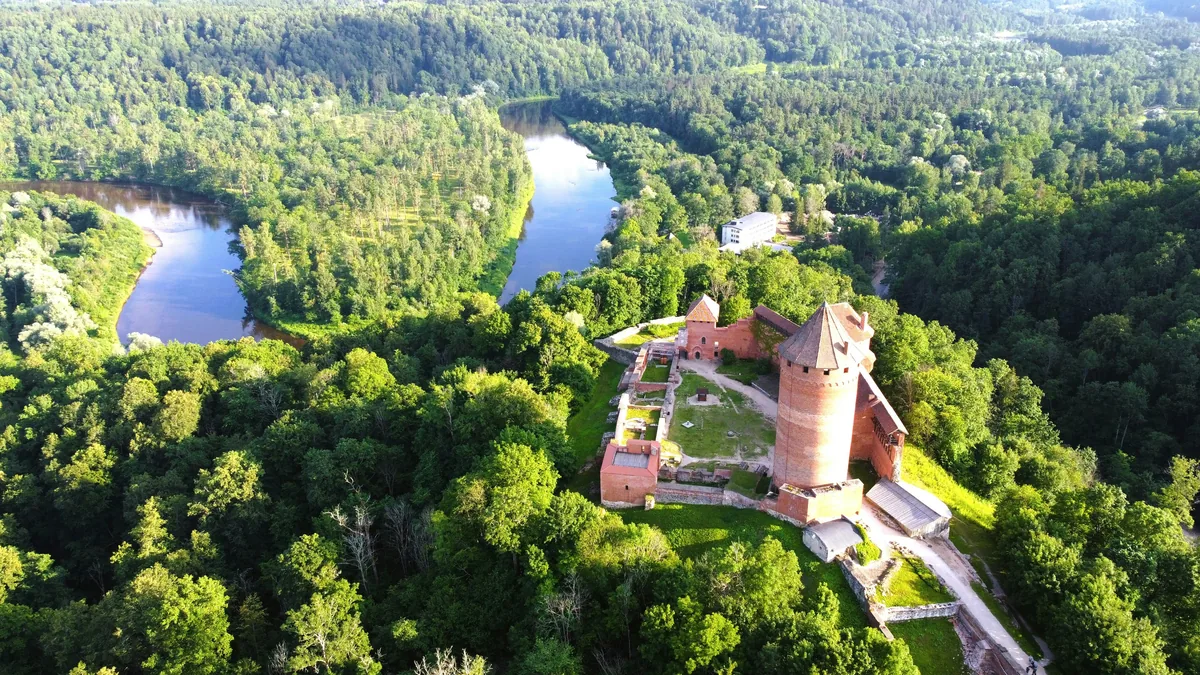
A 10-day, in-depth loop from Riga through Gauja National Park, the medieval town of Cēsis, Rundāle Palace, Kuldīga, Liepāja, the resort town of Jūrmala, and the bogs and former spa town of Ķemeri National Park.
Visitor guide
Rundale Palace is a Baroque palace in the Semigallia region of Latvia, about 12 kilometres west of Bauska. Designed by Bartolomeo Rastrelli for Duke Ernst Johann von Biron, it is one of two major Baroque palaces built for the Dukes of Courland, the other being Jelgava Palace.
In 1735 Ernst Johann von Biron bought land at Rundale where an old medieval castle stood, and the castle was demolished to make way for a summer residence. Construction to Rastrelli's design began in 1736 but progressed slowly, as materials and resources were diverted to Jelgava Palace, which mattered more to the duke. After Biron fell from favour in 1740 the unfinished palace stood empty until he was pardoned in 1762 and returned to Courland in early 1763.
The main building work was completed by 1768 under Rastrelli's supervision, though the museum notes that final works, including mirrors in the White Hall, were carried out in 1770, and Wikipedia describes two construction periods, 1736 to 1740 and 1764 to 1768. Johann Michael Graff produced lavish stucco decoration. The museum's history page says Biron first came to stay at the palace in 1767, and he spent his summers there until his death in 1772.
After the Duchy of Courland and Semigallia was absorbed by the Russian Empire in 1795, Catherine the Great gave the palace to Count Valerian Zubov, and later it passed to the Shuvalov family, who kept it until the German occupation during World War I. During Napoleon's 1812 invasion of Russia the palace served as a hospital, and soldiers who died there were buried in the park. In 1919, during the Latvian War of Independence, the retreating Bermontians partially burned the palace.
After the agrarian reforms of 1920 the building housed a school and flats for veterans, and it was listed as a state-protected monument in 1924. After World War II a grain storehouse was set up in the building alongside the school, and the duke's dining room became the school gymnasium. The school remained until 1978.
In 1963 the palace became a branch of the Bauska local history museum, and in 1972 the Rundale Palace Museum was established. The Latvian painter and art historian Imants Lancmanis became its director, and the palace's restoration became his life's work. Research and restoration were fully state-funded until 1992 and afterward supported by the state, private donations and European Union funds. The museum's own history page says restoration was finished in 2014 (some sources report the completion being declared in spring 2015), with total costs from 1972 to 2014 estimated at about 8.4 million euros.
Visitors can see the throne room, the duke's sleeping chambers, the vestibule and staircase, the White Hall ballroom, the dining hall and the duke's audience room, as well as the formal gardens that surround the palace. Wikipedia classifies the architecture as Baroque, though the interiors are often described as showing Rococo influence.
The palace is one of Latvia's major visitor destinations, and a private guided tour with a driver is a comfortable way to reach it from Riga and combine it with nearby sights.
See every tour and attraction we cover in Latvia.