TorontoOntario · 36 tours
 Niagara FallsOntario · 25 tours
 New York CityNew York · 30 tours
 Las VegasNevada · 8 tours
 San FranciscoCalifornia · 16 tours
 VancouverBritish Columbia · 17 tours
 DubaiUAE · 54 tours
 Abu DhabiUAE · 5 tours
 Buenos AiresArgentina · 23 tours
 AthensGreece · 31 tours
 AucklandNew Zealand · 38 tours
 CancunMexico · 54 tours
No destinations match “”. Try searching all tours instead — that search understands full questions, not just place names.
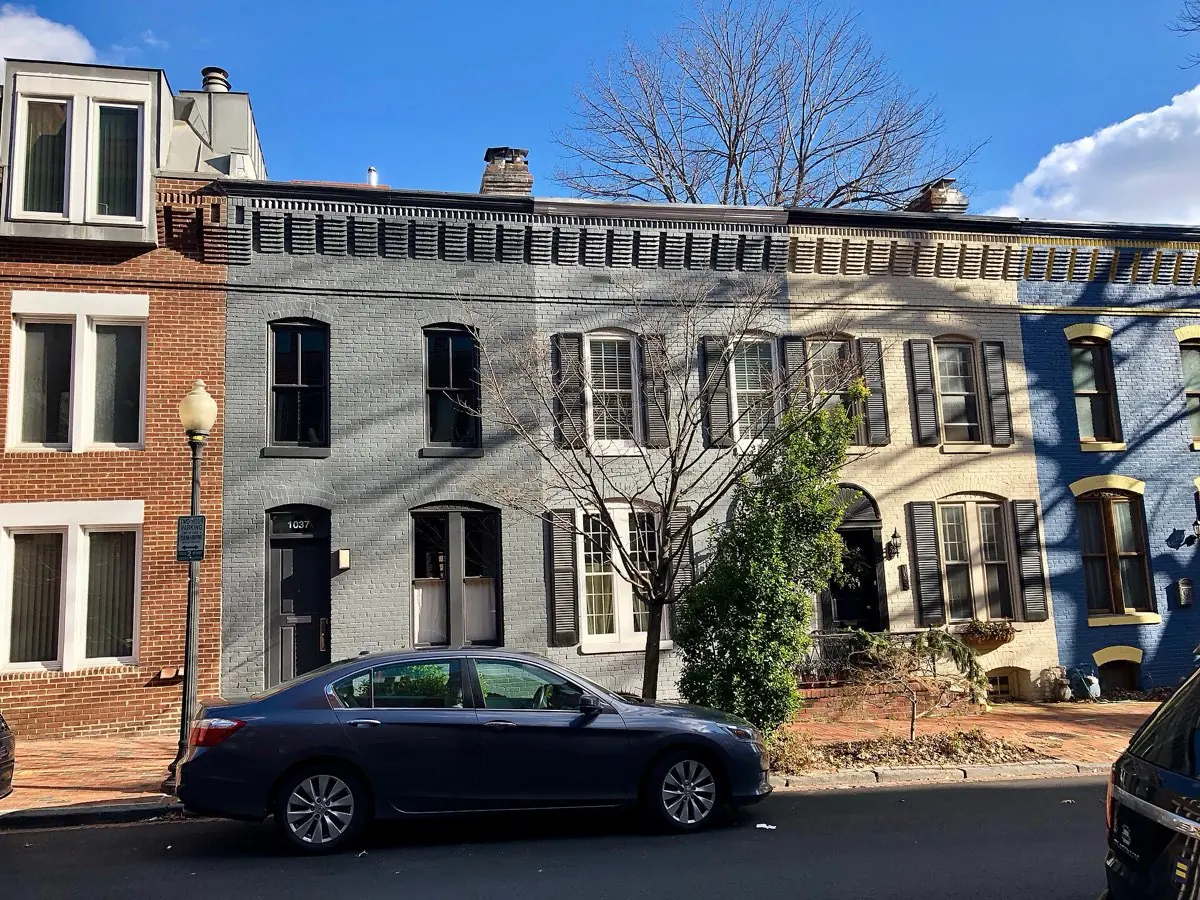
DC's historic, cobblestone-lined neighbourhood of shops, restaurants, and waterfront views.
Visitor guide
Georgetown is a historic neighborhood and commercial district in Northwest Washington, D.C., on the north bank of the Potomac River. It was a Maryland tobacco port before the federal city existed, and it is now a National Historic Landmark District known for Federal-style rowhouses, the C&O Canal, Georgetown University and a busy shopping and dining area around M Street and Wisconsin Avenue.
Maryland's legislature authorized the purchase of 60 acres in 1751, and the town was surveyed in early 1752, roughly four decades before the capital was laid out. Georgetown sat at the head of navigation on the Potomac, which made it a natural place to ship tobacco. It remained an independent municipality until Congress consolidated the District's governments in 1871, and an 1895 act renamed its streets to match the Washington grid, which is why older maps use different names.
The Chesapeake and Ohio Canal, begun around 1828-29, was meant to link Georgetown with the Ohio River but reached only Cumberland, Maryland. Mules hauled boats along the towpath for a little under a century, and the canal stopped operating in 1924 after never turning a steady profit. Georgetown University was founded in 1789 by John Carroll; the university describes itself as the oldest Catholic and Jesuit institution of higher learning in the United States, and construction of Healy Hall began in 1877.
The Old Stone House at 3051 M Street was built in 1765 and, according to the National Park Service, is the oldest structure on its original foundation in Washington. The government bought it in 1953 and the Park Service opened it in 1960. Other landmarks include Dumbarton Oaks, where delegates drafted proposals for the United Nations in 1944, Tudor Place, Oak Hill Cemetery and the Volta Bureau. Francis Scott Key, who wrote the words of 'The Star-Spangled Banner' in 1814, is among the neighborhood's former residents, and the long stone stairway that appeared in the 1973 film The Exorcist is a minor local pilgrimage.
Preservation rules here are strict: the Old Georgetown Act of 1950 requires review by the Commission of Fine Arts for exterior changes, and the district was designated a National Historic Landmark in 1967. The C&O Canal towpath and the riverside park along the Potomac offer a flat walking and cycling route out of the commercial center.
The Key Bridge links Georgetown to Rosslyn, Virginia, and the Kennedy Center, the Lincoln Memorial and Arlington National Cemetery are a short drive south and west.
See every tour and attraction we cover in Washington DC.