TorontoOntario · 36 tours
 Niagara FallsOntario · 25 tours
 New York CityNew York · 30 tours
 Las VegasNevada · 8 tours
 San FranciscoCalifornia · 16 tours
 VancouverBritish Columbia · 17 tours
 DubaiUAE · 54 tours
 Abu DhabiUAE · 5 tours
 Buenos AiresArgentina · 23 tours
 AthensGreece · 31 tours
 AucklandNew Zealand · 38 tours
 CancunMexico · 54 tours
No destinations match “”. Try searching all tours instead — that search understands full questions, not just place names.
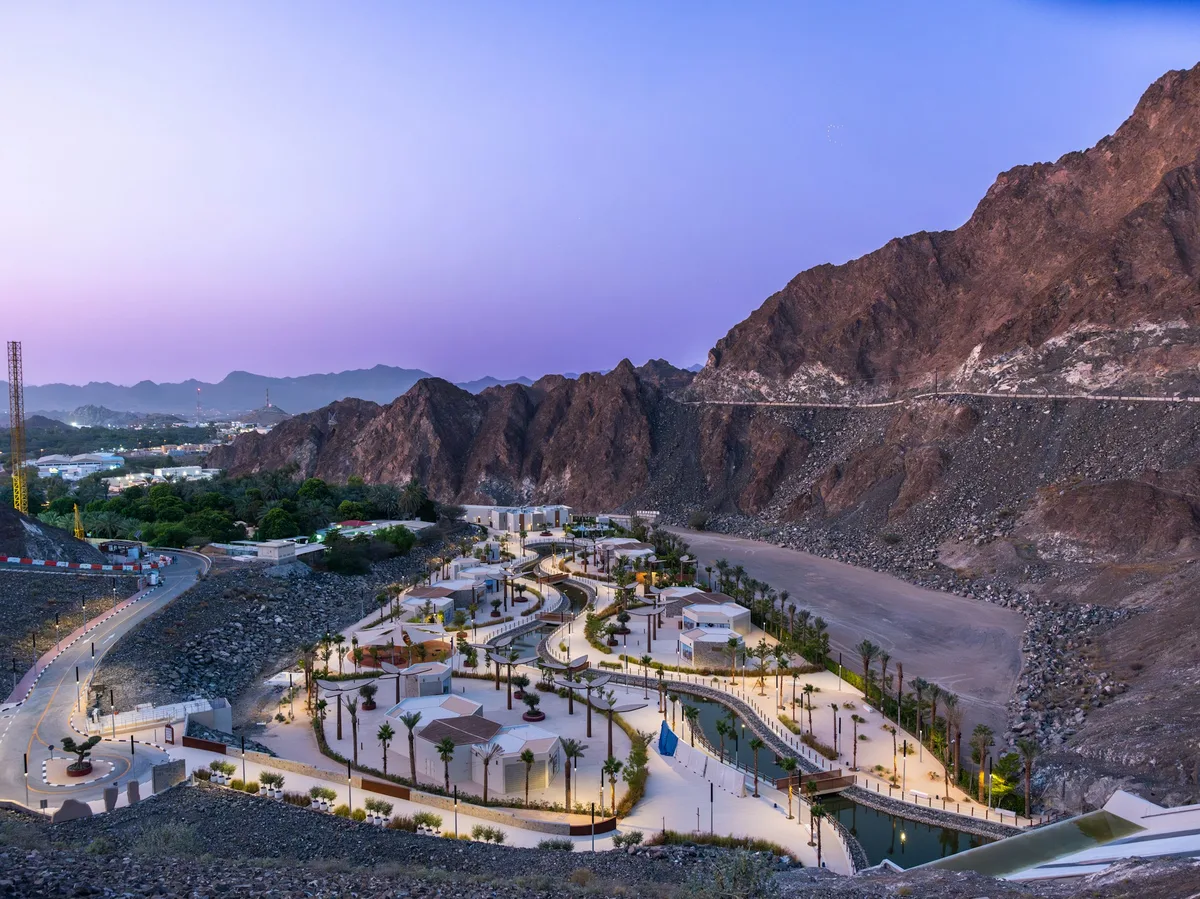
Natural freshwater pools carved into the Hajar Mountains near the Oman border, where streams collect between narrow rock openings for wading and swimming; the route runs close to Omani territory, so a passport or Emirates ID is worth carrying.
Visitor guide
The Hatta Rock Pools are natural freshwater pools in the Hajar Mountains near the Dubai exclave of Hatta, close to the UAE-Oman frontier. Travel sources describe a chain of spring-fed pools set between narrow rock walls, where visitors wade and swim in clear water.
Hatta is an inland exclave of Dubai about 134 kilometres from the main city and bordered by Oman to the east and south, according to Wikipedia. Several travel guides state that the rock pools themselves lie just across the border on the Omani side of the mountains, in wadi systems that continue past the frontier; Wikipedia similarly lists Wadi Al-Qahfi, a well-known valley near Hatta, as belonging to Oman. Sources differ on the pools' exact position, so it is best confirmed before planning a visit. Wikipedia notes that old informal tracks used for wadi driving between Hatta, Mahdah and Al Ain were closed after the Omani border was formalised, which is why cross-border access here is controlled today.
The pools lie in the Hajar Mountains, a range about 700 kilometres long and 100 kilometres wide running through northern Oman and eastern UAE. Wikipedia says the range sits on the northeast corner of the Arabian Plate and is notable for the Semail Ophiolite, a slab of oceanic crust thrust over older rocks in the late Cretaceous. Cutting through this rock, seasonal floodwater has carved wadis, the dry valleys that fill after rain. Wikipedia lists Arabian tahr, mountain gazelle and Egyptian vultures among the range's wildlife.
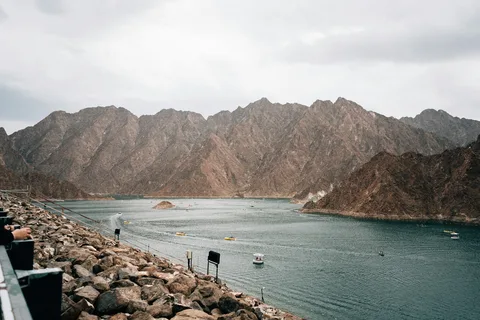
Ramsar-related reporting on the nearby Hatta Mountain Reserve, designated in early 2019, explains that the Hajar mountains capture a disproportionate share of rainfall, which recharges the shallow aquifer and produces flood discharges that fill reservoirs downstream at the Hatta and Al Ghabra dams. Freshwater wetlands are scarce in the region, which is why such mountain water is valued. Traditionally, water in the Hatta area reached farms through the falaj system, and the village's falaj has been restored.
Guides describe a series of pools carved into smooth rock, some deep enough for swimming and others shallow, linked by narrow channels and in places a small waterfall, with fish visible in the deeper water. Water levels depend on rainfall. Travel blogs suggest the pools are fullest after seasonal rains and that autumn and spring are popular months, but these are visitor opinions rather than measured data. The rocks can be slippery, and visitors are advised to wear footwear with grip. Some blogs also mention litter in the pools, a reminder to take rubbish away.
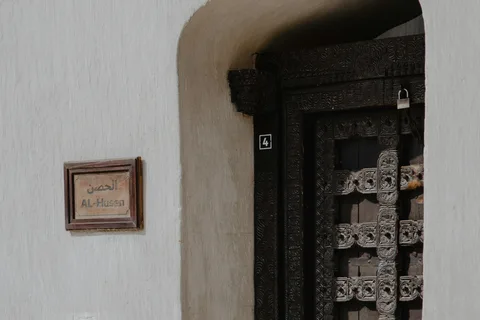
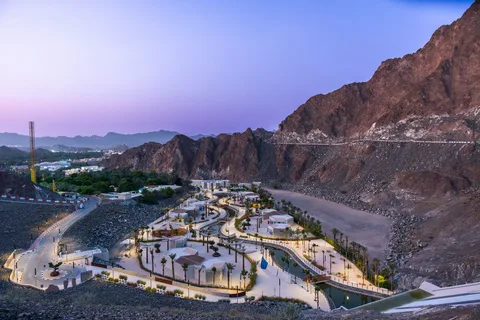
Access is the main practical issue. Some guides say that visitors who are not UAE or Omani residents may be turned back at the border without the correct entry permission, while others say arrangements have changed over time. Because these claims come from travel blogs and may be out of date, travellers should check current entry requirements with the relevant authorities and carry their passports. A private guided visit arranged in advance can be a sensible way to handle logistics, with a dedicated vehicle and driver, and the pools are often combined with other Hatta stops such as the dam and the restored heritage village.
See every tour and attraction we cover in Hatta.