TorontoOntario · 36 tours
 Niagara FallsOntario · 25 tours
 New York CityNew York · 30 tours
 Las VegasNevada · 8 tours
 San FranciscoCalifornia · 16 tours
 VancouverBritish Columbia · 17 tours
 DubaiUAE · 54 tours
 Abu DhabiUAE · 5 tours
 Buenos AiresArgentina · 23 tours
 AthensGreece · 31 tours
 AucklandNew Zealand · 38 tours
 CancunMexico · 54 tours
No destinations match “”. Try searching all tours instead — that search understands full questions, not just place names.
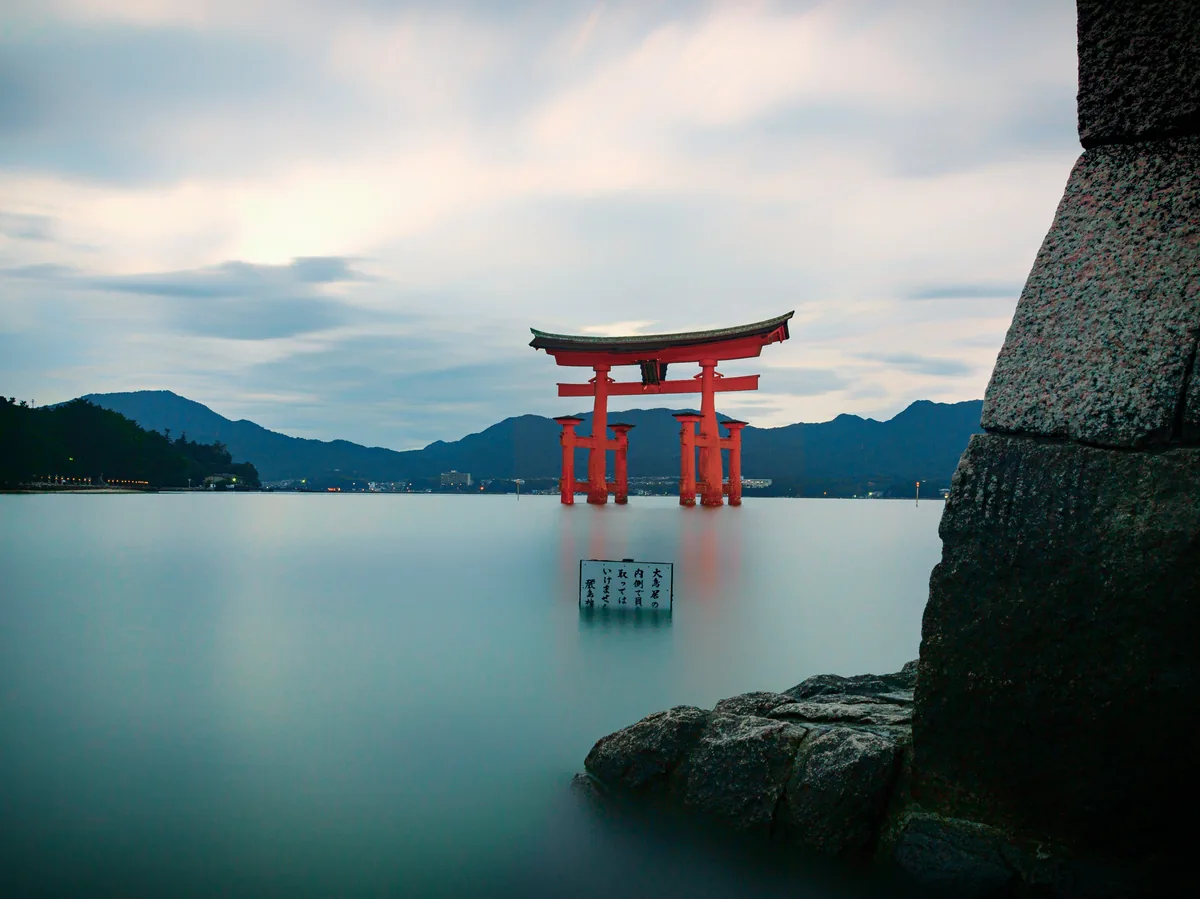
A vermilion torii gate appears to float on the tide off Miyajima Island near Hiroshima, one of Japan's most iconic shrine views.
 Multi-Day Tours
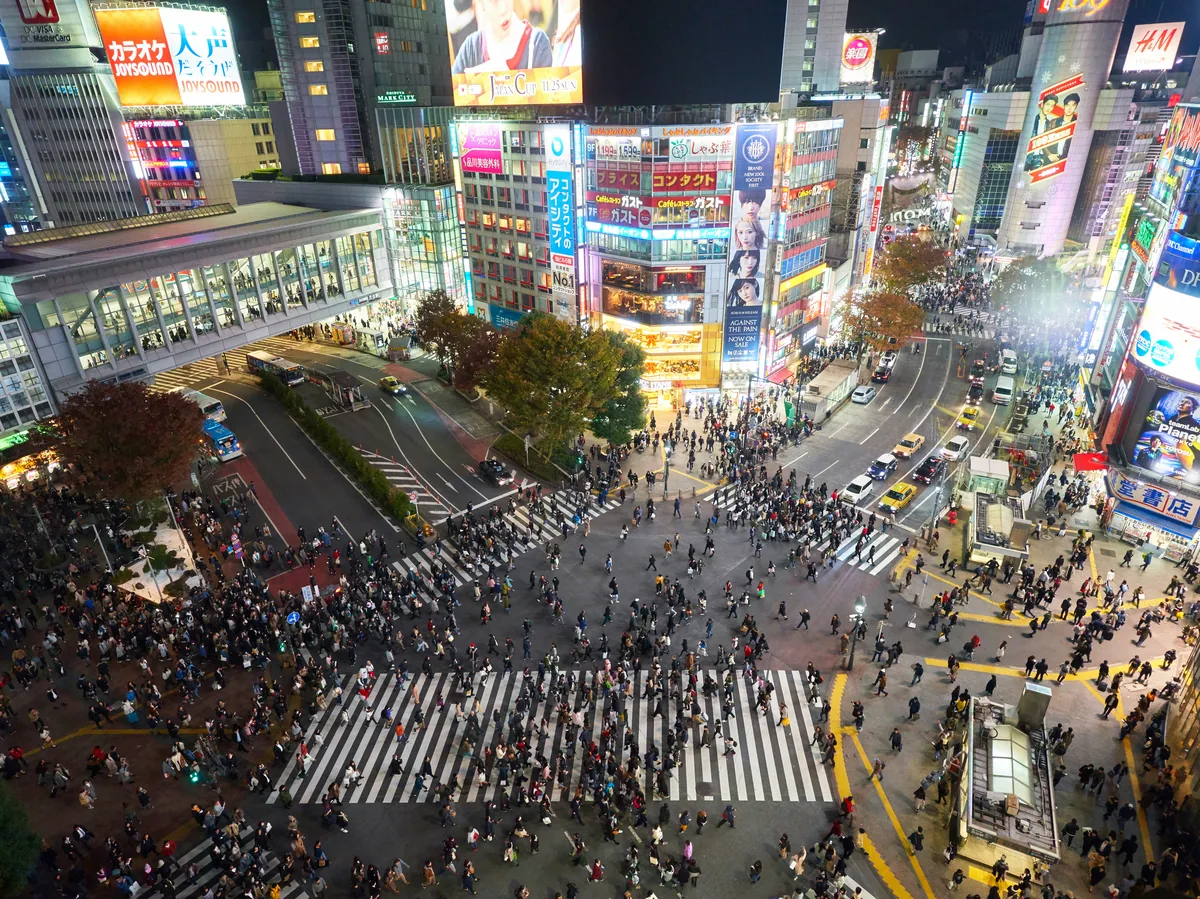
A 12-day route from Tokyo's neighborhoods and teamLab Borderless, through Hakone's Mount Fuji views, into Kyoto's temples, Nara's deer, Hiroshima's Peace Memorial, and Osaka's street food.
 Multi-Day Tours
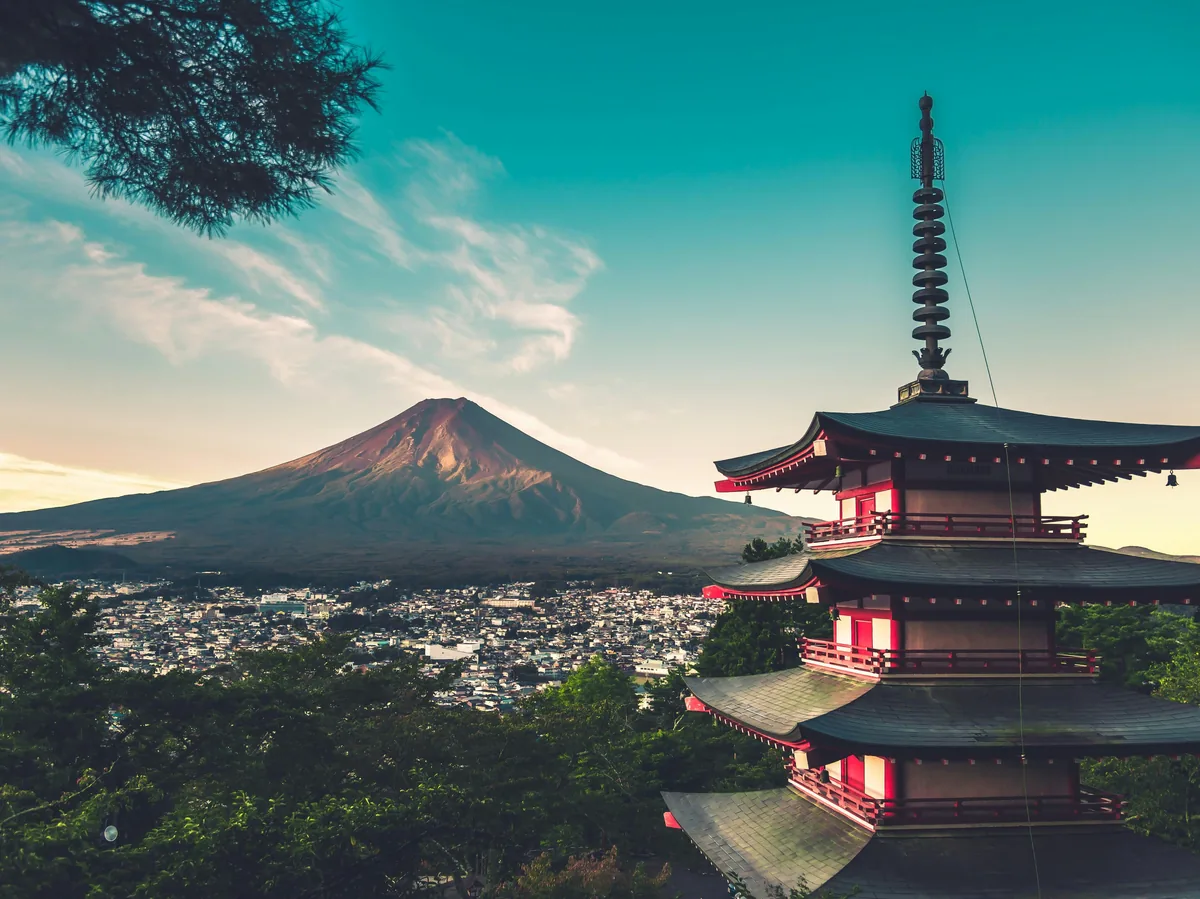
A 10-day family itinerary from Tokyo's kawaii culture and Mount Fuji views to a ninja and samurai experience in Kyoto, Hiroshima's Peace Memorial, and a full day at Universal Studios Japan in Osaka.
Visitor guide
Itsukushima Shrine is a Shinto shrine on the island of Itsukushima, popularly known as Miyajima, in the city of Hatsukaichi, Hiroshima Prefecture, Japan. It is best known for its vermilion torii gate that appears to float on the water at high tide. The shrine complex is a UNESCO World Heritage Site, and the Japanese government has designated several of its buildings and possessions as National Treasures.
The name Itsukushima translates as island dedicated to the gods, while Miyajima means Shrine Island. According to Wikipedia, the island is one of Hayashi Gaho's Three Views of Japan, specified in 1643. The shrine is dedicated to the three daughters of the storm god Susano-o: Ichikishimahime, Tagorihime and Tagitsuhime, known together as the three female deities of the sea and storms. The island itself is also considered to be a god, which is why the shrine was built at the edge of the island rather than inland.
Because the island was considered sacred, commoners were not allowed to set foot on it for much of its history. To let pilgrims approach, the shrine was built like a pier over the water so that it seemed to float apart from the land, and boats passed through the torii before reaching the shrine. Since 1878, no births or deaths have been permitted near the shrine, and burials on the island are forbidden.
The shrine is traditionally said to have been founded in 593 by Saeki Kuramoto, though the date is traditional. The present shrine is popularly attributed to Taira no Kiyomori, a prominent court noble who contributed heavily to its construction in 1168 while governor of Aki Province. The Taira clan were involved in maritime trade with Song China, and Kiyomori is said to have built the main hall as a display of reverence for the guardian deity of navigation. One story, which should be read as legend, says Kiyomori rebuilt the shrine after a dream in which an old monk promised him dominion over Japan.
The warlord Mori Motonari rebuilt the main hall, the honden, in 1571. The only surviving structure from the Kamakura period is the Kyakuden, the Guest-God's Shrine. The shrine's treasures include the Heike Nokyo, thirty-two scrolls of Buddhist sutras copied by Kiyomori, his sons and other members of the Taira family and decorated with silver, gold and mother-of-pearl.
The shrine's most recognizable feature is its vermilion great gate, or otorii, which stands about 16.8 metres tall and is built of decay-resistant camphor wood. The extra leg in front of and behind each main pillar reflects the style of Ryobu Shinto. Wikipedia explains that a torii has stood on the site since 1168, though the present gate dates to 1875. It appears to float only at high tide, and at low tide it can be approached on foot. At night, lights on the shore illuminate it.
The shrine complex consists of two main buildings, the Honsha and the Sessha Marodo-jinja, plus 17 other structures. Built in the Shinden-zukuri style, it uses pier-like structures over the bay to create the impression of a palace on the sea. The current Noh stage, built over the sea, dates from 1680, replacing earlier stages. The annual Kangen-sai, a boat ritual of Heian-period origin held on the lunar calendar date of 17 June, is among the most elaborate Shinto rituals at the shrine.
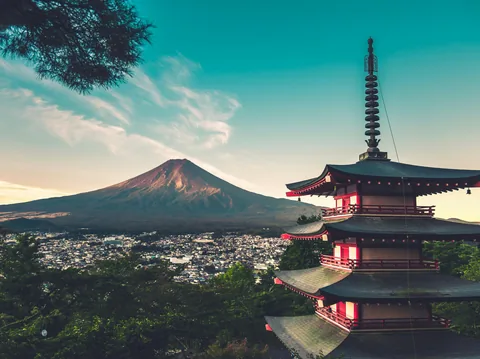
The island's highest peak is Mount Misen at 535 metres, a sacred mountain within the World Heritage area, with primeval forest on its northern side protected by Hiroshima Prefecture. The monk Kukai is said to have visited it in 806, according to the Miyajima Tourist Association as cited by Wikipedia. Other sites on the island include Toyokuni Shrine with a five-storied pagoda and Daiganji Temple, and the island is known for cherry blossoms and autumn maples.
The island is reached by ferry from the mainland at Miyajimaguchi. The look of the gate depends on the tide, so timing a visit with the tide tables lets you see it either floating or standing on the sand. A private guided visit can plan around the tide.
See every tour and attraction we cover in Japan.