TorontoOntario · 36 tours
 Niagara FallsOntario · 25 tours
 New York CityNew York · 30 tours
 Las VegasNevada · 8 tours
 San FranciscoCalifornia · 16 tours
 VancouverBritish Columbia · 17 tours
 DubaiUAE · 54 tours
 Abu DhabiUAE · 5 tours
 Buenos AiresArgentina · 23 tours
 AthensGreece · 31 tours
 AucklandNew Zealand · 38 tours
 CancunMexico · 54 tours
No destinations match “”. Try searching all tours instead — that search understands full questions, not just place names.
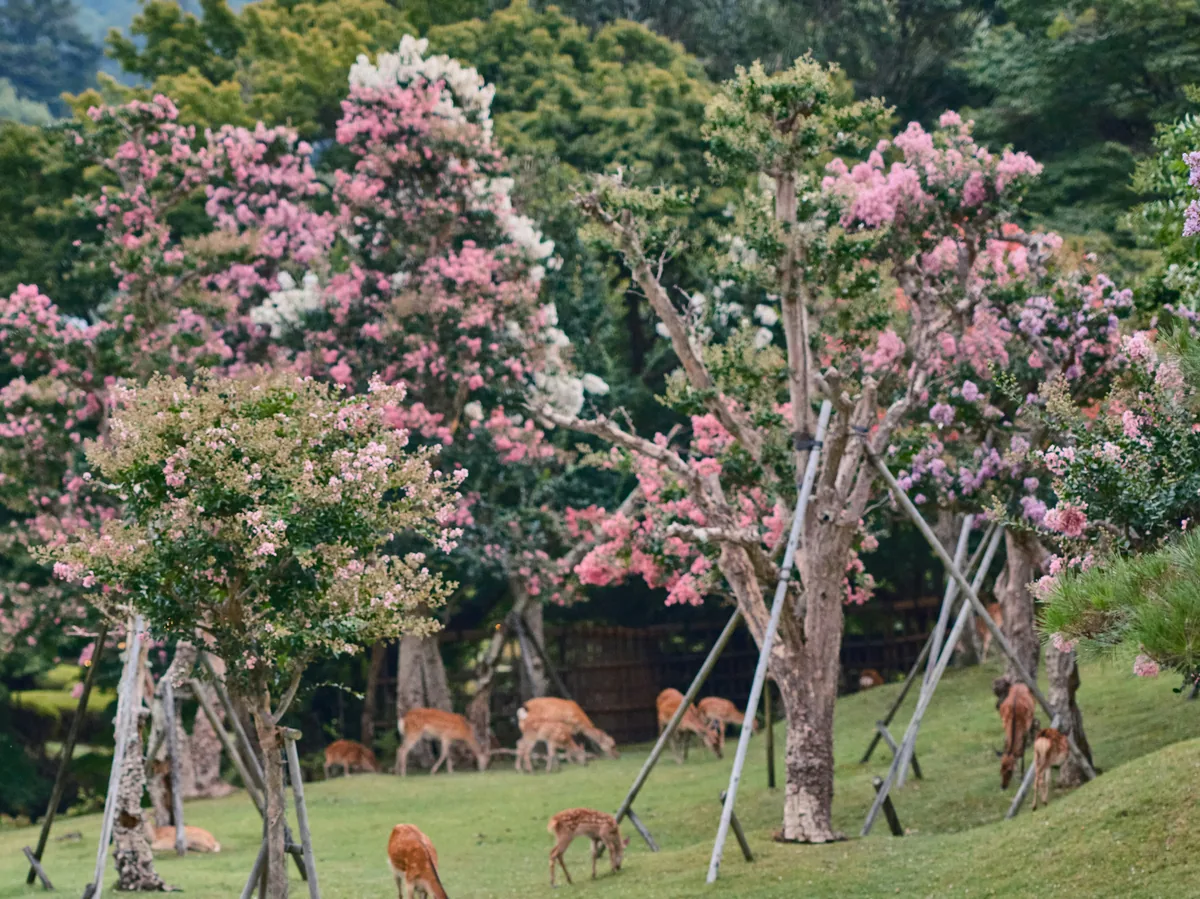
Free-roaming sacred deer share this park with Todai-ji Temple's Great Buddha hall, one of the largest wooden buildings in the world, a short trip from Kyoto.
 Multi-Day Tours
A 12-day route from Tokyo's neighborhoods and teamLab Borderless, through Hakone's Mount Fuji views, into Kyoto's temples, Nara's deer, Hiroshima's Peace Memorial, and Osaka's street food.
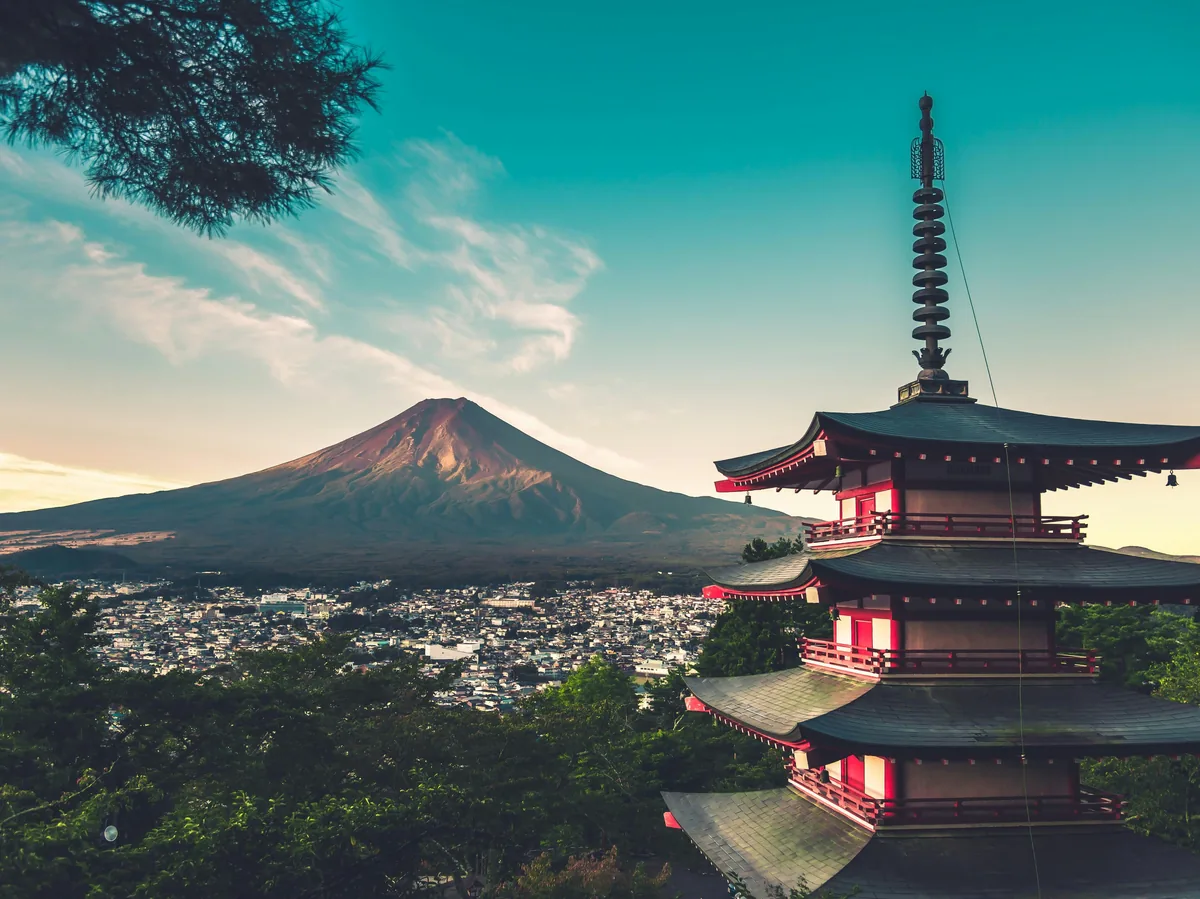 Multi-Day Tours
A 10-day family itinerary from Tokyo's kawaii culture and Mount Fuji views to a ninja and samurai experience in Kyoto, Hiroshima's Peace Memorial, and a full day at Universal Studios Japan in Osaka.
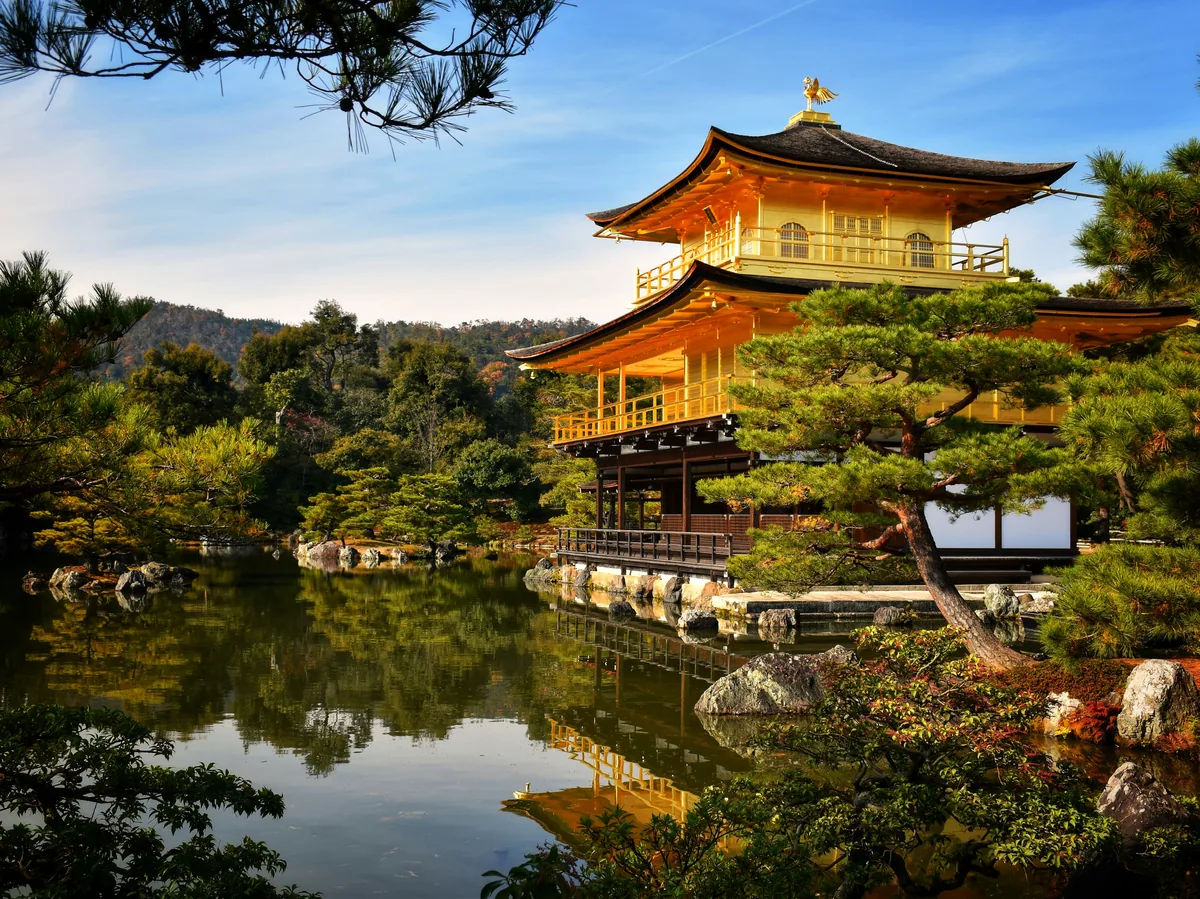 Multi-Day Tours
A comprehensive 15-day route from Tokyo and Hakone through Kyoto, Nara, and Kanazawa's Kenroku-en Garden, to the thatched village of Shirakawa-Go and the historic streets of Takayama.
Visitor guide
Nara Park is a public park at the foot of Mount Wakakusa in the city of Nara, Japan, established in 1880 and known for the more than 1,200 wild sika deer that roam freely through it. On its edge stands Todai-ji, a Buddhist temple complex whose Great Buddha Hall houses a monumental bronze statue of the Buddha Vairocana. Together with Kofuku-ji and Kasuga Grand Shrine, they form part of the UNESCO-listed Historic Monuments of Ancient Nara.
According to Wikipedia, the park began in 1880 when a 14-hectare area of government-owned land within the grounds of Kofuku-ji was designated as a park. It was expanded in 1889 to include Todai-ji, Kasugano and mountainous areas such as Mount Wakakusa, and it was officially designated under the Urban Park Act in 1960 with an area of 502 hectares. Counting the surrounding temple and shrine grounds, the area is as large as 660 hectares.
Todai-ji, Kofuku-ji, Kasuga Grand Shrine and the Kasugayama Primeval Forest are registered as World Heritage Sites under the title Historic Monuments of Ancient Nara. The grounds include 47 buildings designated as National Treasures or Important Cultural Properties, along with hundreds of designated Buddhist statues and works of art. The park's vegetation includes pine, cherry, maple, plum and Japanese cedar.
Local folklore holds that the deer became sacred after the god Takemikazuchi, one of the four gods of Kasuga Grand Shrine, appeared on Mount Mikasa, also called Mount Wakakusa, riding a white deer. The deer were regarded as divine by both Kasuga Grand Shrine and Kofuku-ji, and killing one was a capital offence until 1637, the last recorded breach.
After World War II the deer lost their sacred status and were instead designated as a natural monument, which protects them today. A 2023 genetic study cited by Wikipedia found that the Nara Park deer form a distinct population among the Kii Peninsula deer, which researchers connected to more than 1,000 years of local protection. Visitors can buy special deer crackers, called shika-senbei, to feed the animals. The deer are wild, so authorities have posted signs in several languages reminding visitors not to tease them.
Todai-ji, meaning Eastern Great Temple, was founded in 738 CE and opened in 752 CE. Emperor Shomu commissioned the Great Buddha in 743 as Japan faced a series of disasters and epidemics. According to records kept by the temple, more than 2,600,000 people helped build the Great Buddha and its hall by contributing rice, wood, metal, cloth or labour. The statue stands about 15 metres high and was completed in 751, followed by an eye-opening ceremony in 752. The temple also serves as the Japanese headquarters of the Kegon school of Buddhism.
The Great Buddha Hall, the Daibutsuden, has been rebuilt twice after fire. The present building was finished in 1709 and measures about 57 metres long, 50 metres wide and 49 metres high, yet it is about 30 percent smaller than its predecessor. Wikipedia states that it was the world's largest wooden building until 1998. At the temple's Great South Gate, or Nandaimon, two guardian Nio figures about 8.5 metres tall were created around the end of the 12th century by the sculptors Unkei, Kaikei and their workshop. The temple's storehouse, the Shosoin, holds artifacts from the Tenpyo period.
Nara is a short trip from Kyoto and Osaka. The park is a place for slow walking among temples, lanterned shrine paths and open lawns, and a private guided visit can add context on the history of the former capital and on how to interact safely with the deer.
See every tour and attraction we cover in Japan.