TorontoOntario · 36 tours
 Niagara FallsOntario · 25 tours
 New York CityNew York · 30 tours
 Las VegasNevada · 8 tours
 San FranciscoCalifornia · 16 tours
 VancouverBritish Columbia · 17 tours
 DubaiUAE · 54 tours
 Abu DhabiUAE · 5 tours
 Buenos AiresArgentina · 23 tours
 AthensGreece · 31 tours
 AucklandNew Zealand · 38 tours
 CancunMexico · 54 tours
No destinations match “”. Try searching all tours instead — that search understands full questions, not just place names.
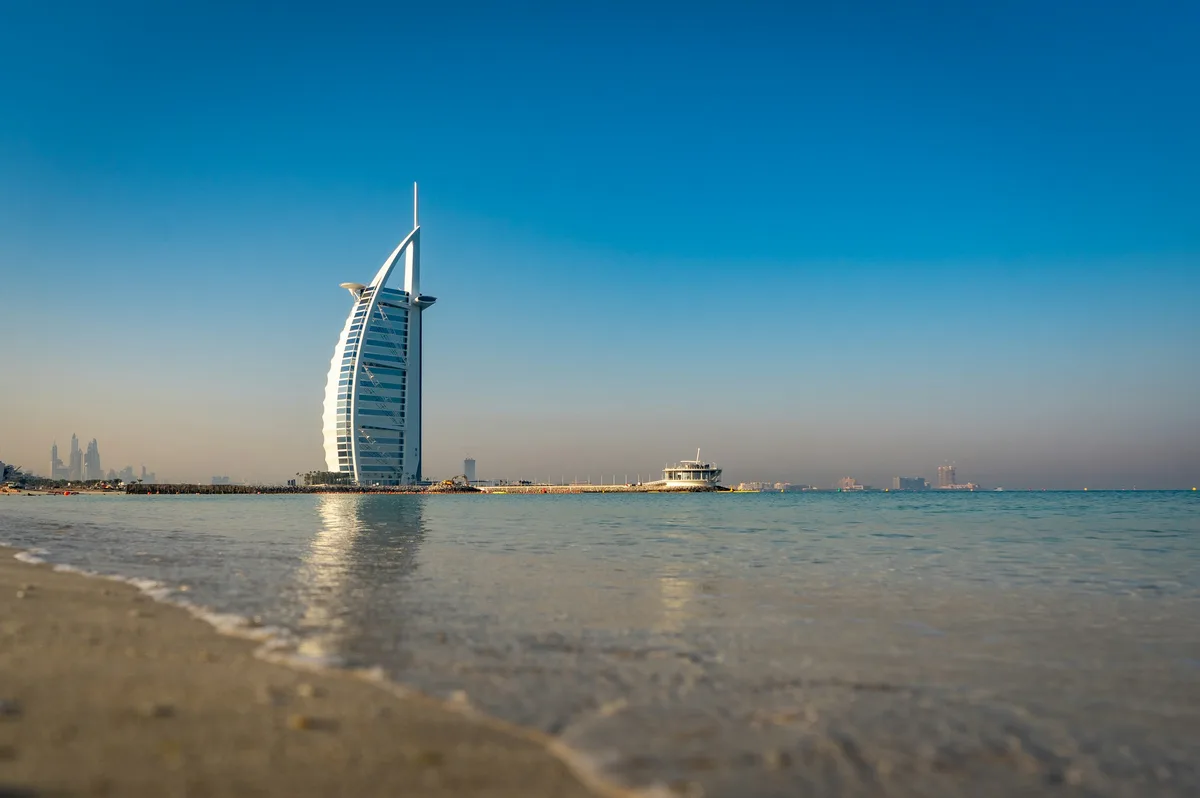
A wide public beach facing the sail-shaped Burj Al Arab, popular for sunset walks and waterfront dining.
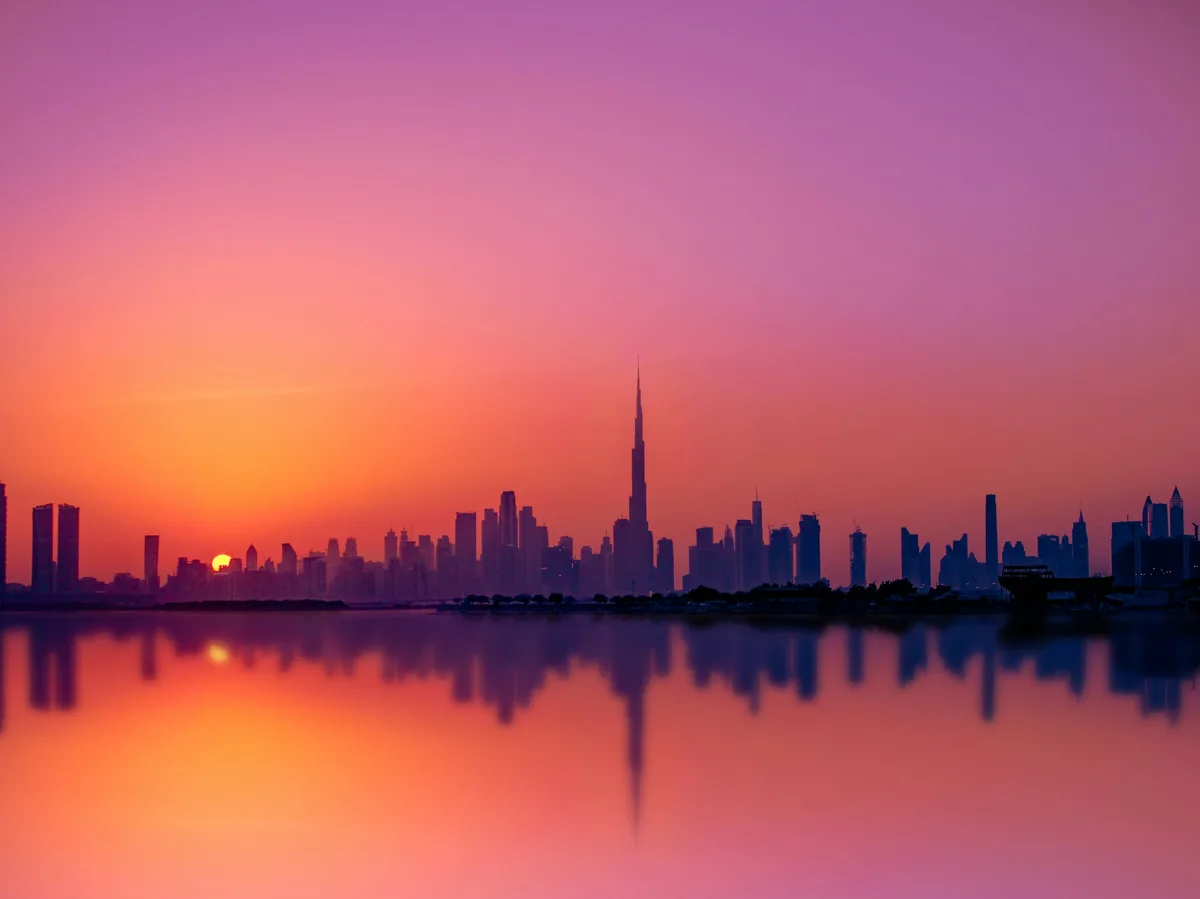 Private Tours
A private table set up on the beach for dinner, timed around sunset, for couples celebrating an occasion or just wanting a quiet evening by the water.
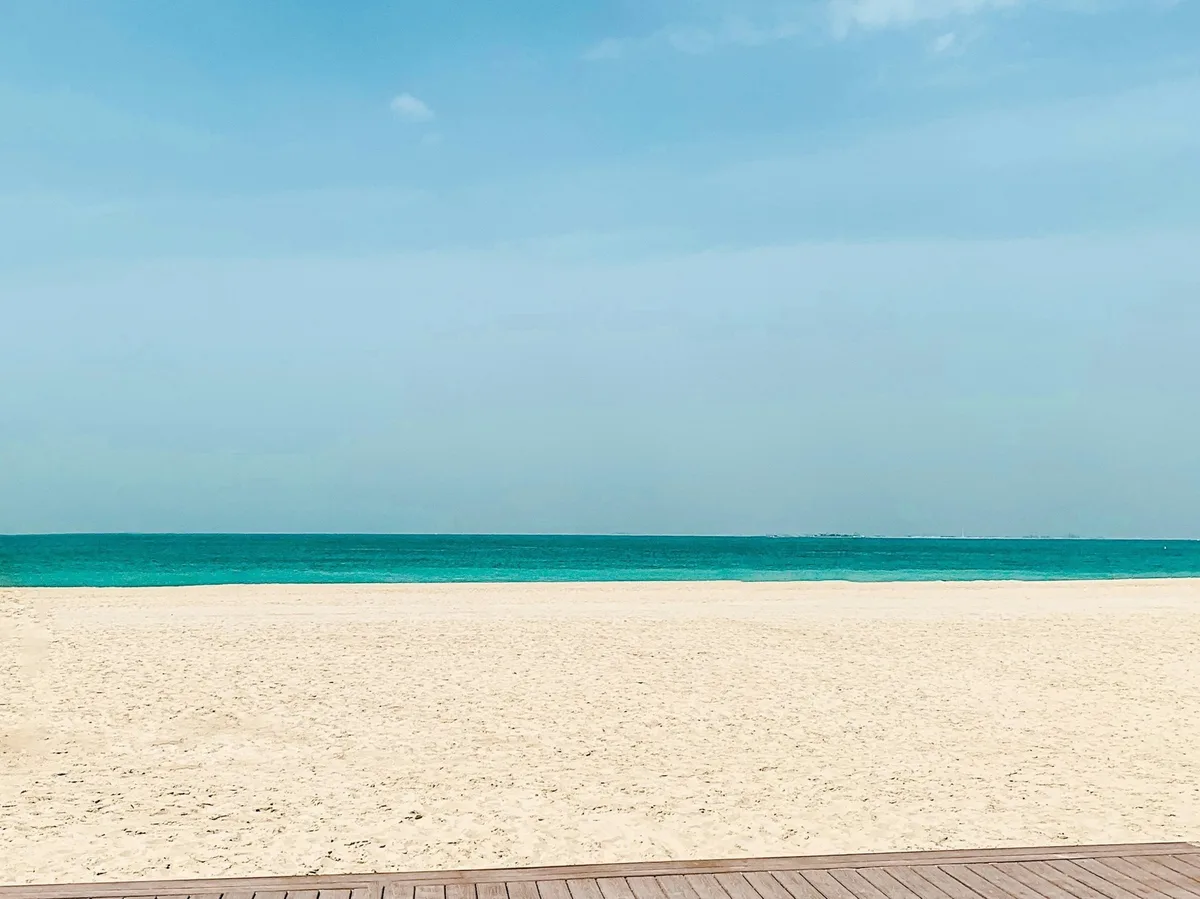 Private Tours
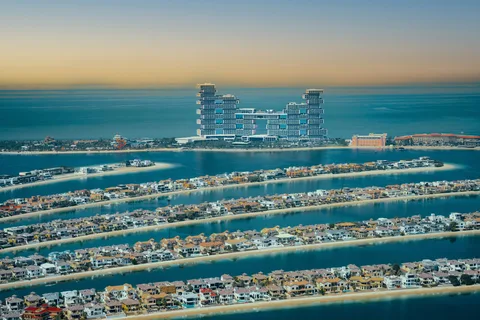
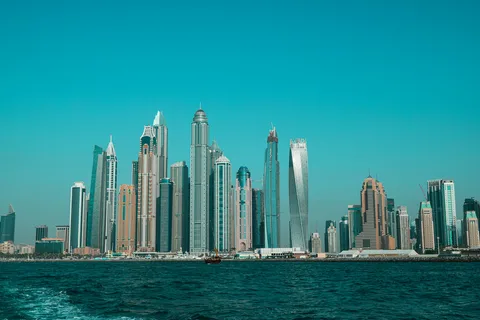
A private day at a beach club on Palm Jumeirah, with skyline views back toward Dubai Marina and time to actually relax rather than sightsee.
Visitor guide
Jumeirah Beach is a white sand beach along the Persian Gulf coast of Dubai, United Arab Emirates, with the sail-shaped Burj Al Arab hotel rising from its own island just offshore. The beach and its view of the hotel form a well-known coastal scene in the city.
According to Wikipedia, Jumeirah Beach is named after the Jumeirah district and runs south from the city's historic district to the junction with Palm Jumeirah, ending between the southern end of Jumeirah Beach Residence and the Jebel Ali port facilities. Adjoining districts include Jumeirah 1, 2 and 3, Umm Suqeim 1, 2 and 3 and Al Sufouh, and the whole coastal strip is sometimes informally called the Jumeirah Beach Road area. Landmarks along the frontage include the Burj Al Arab, the Jumeirah Beach Hotel and Madinat Jumeirah, a hotel and shopping complex. Wild Wadi Water Park sits on one side of the Burj Al Arab and Jumeirah Beach Park on the other.
Wikipedia describes Dubai as likely founded as a pearling and fishing village in the early 18th century and ruled by the Al Maktoum family since 1833. Oil was found in territorial waters off Dubai in 1966, and Dubai joined the union that formed the UAE on 2 December 1971. The Jumeirah coast was part of this transformation, and Wikipedia notes the population grew from about 58,971 in 1968 to roughly four million today. The beachfront where the Burj Al Arab and Jumeirah Beach Hotel stand was formerly called Chicago Beach, a name Wikipedia traces to the Chicago Bridge and Iron Company, which welded giant floating oil storage tanks there.
The Burj Al Arab stands 321 metres tall to its architectural top, according to Wikipedia, on an artificial island of reclaimed land about 280 metres offshore from the site of the former Chicago Beach Hotel. A private curved bridge connects it to the mainland. Tom Wright of WKA led the design, developed by the British consultancy Atkins, which was also the structural engineer, with interiors by Khuan Chew. Construction began on 10 July 1994 and the hotel opened to guests on 1 December 1999. Wikipedia says it took three years to reclaim the land and less than three years to build the tower.
Its shape is meant to evoke the sail of a traditional dhow, and a translucent fibreglass facade shields it from the sun by day and serves as a lit screen at night. About 230 concrete piles, each around 40 metres long, were driven into the sand, and a layer of large rocks circled by a concrete honeycomb protects the island from erosion. The building contains over 70,000 cubic metres of concrete and 9,000 tonnes of steel, and its atrium is 180 metres tall. A helipad sits at a height of 210 metres, and Wikipedia records that it has hosted events including a tennis match and stunts by Red Bull athletes.
The hotel is often called seven-star, but Wikipedia notes that this label began informally with a British journalist and that the hotel's management says it has never used the term in its own advertising. Forbes Travel Guide and Dubai's tourism authority both give it five stars, their highest ratings.
The classic view of the Burj Al Arab is from the public beach, where the sail profile stands against the sea and sky, often at its most photogenic around sunrise or sunset. A private guided visit with a driver can combine the viewpoint with other Jumeirah stops.
See every tour and attraction we cover in Dubai.