TorontoOntario · 36 tours
 Niagara FallsOntario · 25 tours
 New York CityNew York · 30 tours
 Las VegasNevada · 8 tours
 San FranciscoCalifornia · 16 tours
 VancouverBritish Columbia · 17 tours
 DubaiUAE · 54 tours
 Abu DhabiUAE · 5 tours
 Buenos AiresArgentina · 23 tours
 AthensGreece · 31 tours
 AucklandNew Zealand · 38 tours
 CancunMexico · 54 tours
No destinations match “”. Try searching all tours instead — that search understands full questions, not just place names.
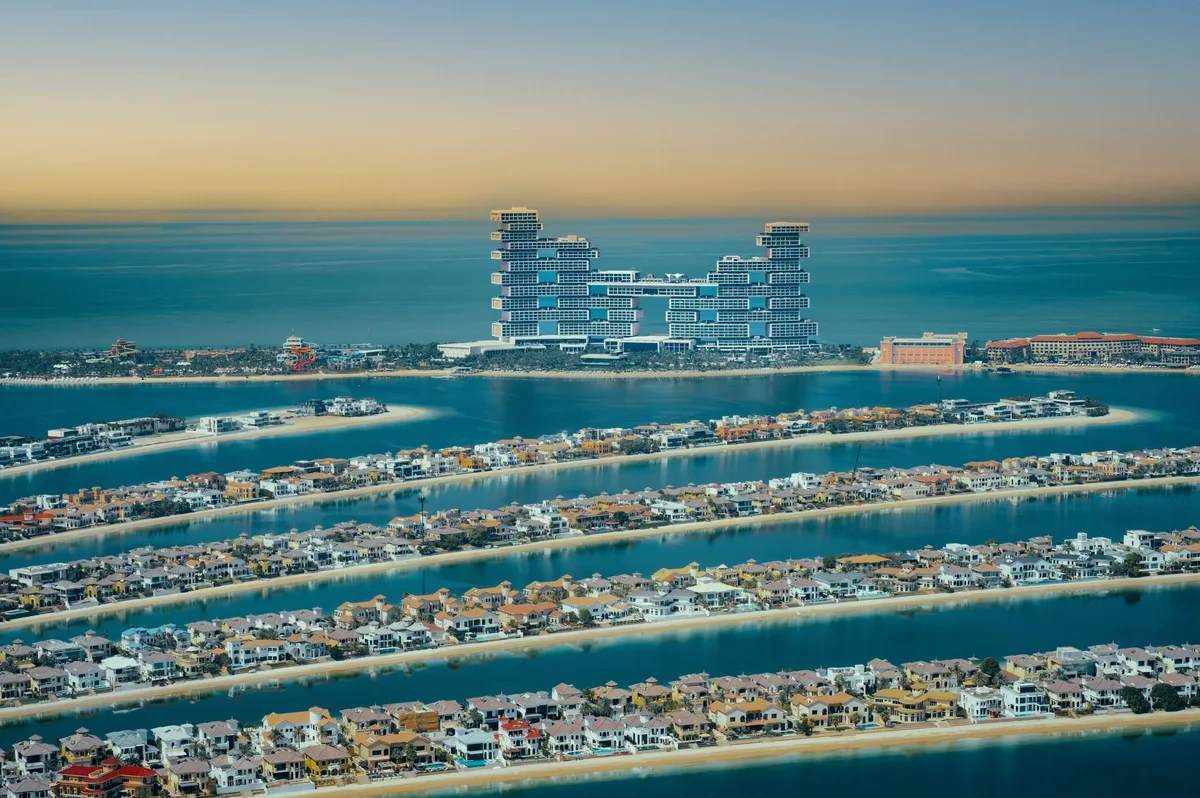
The iconic palm-shaped artificial island, lined with beach clubs, resorts, and The Pointe promenade.
 Private Tours
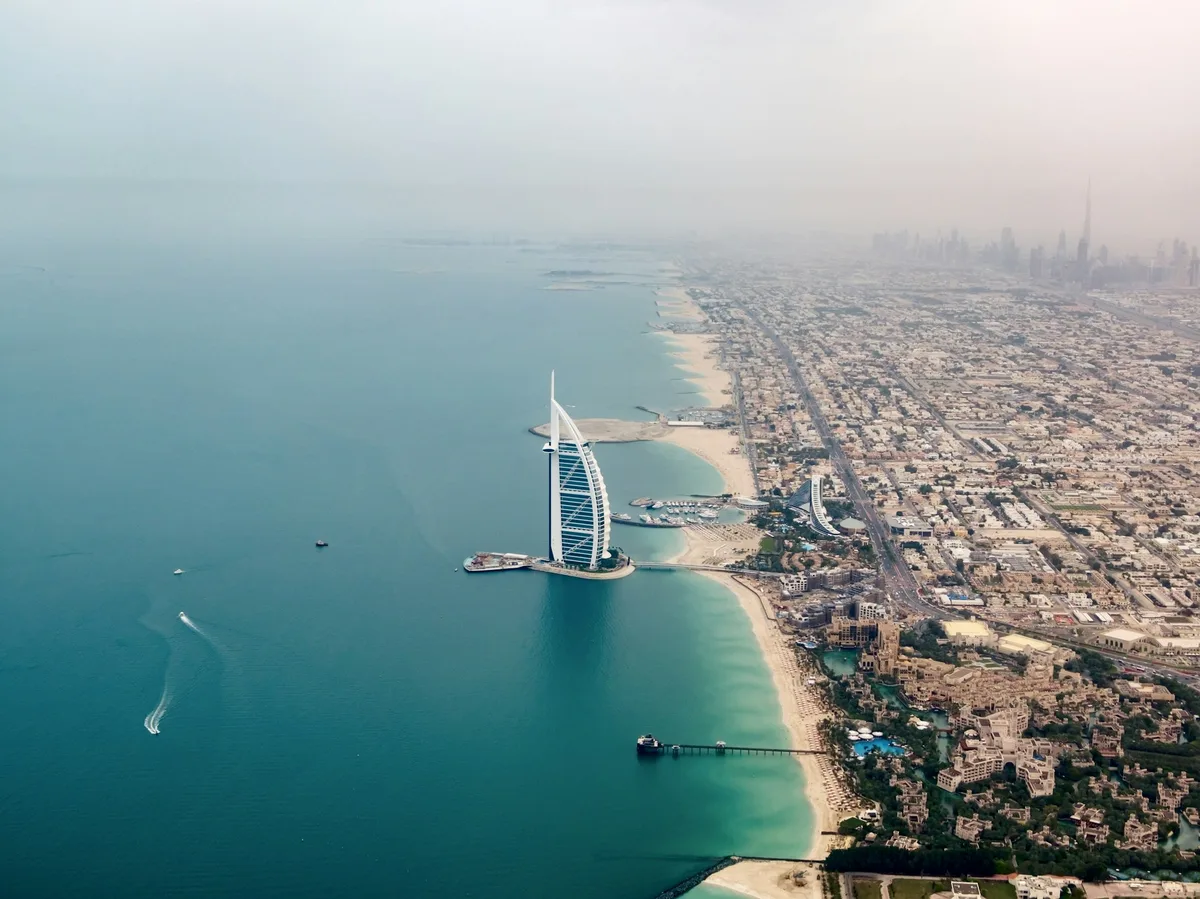
A private yacht charter for smaller groups and couples — a simpler, more flexible option than the larger charters, still covering the same coastline and skyline views.
 Private Tours
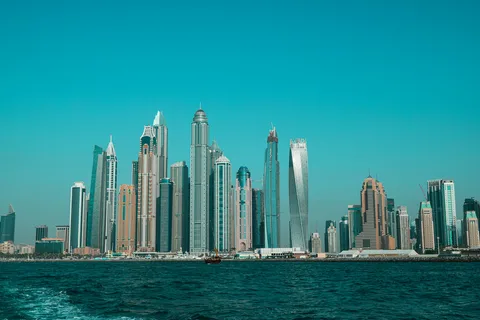
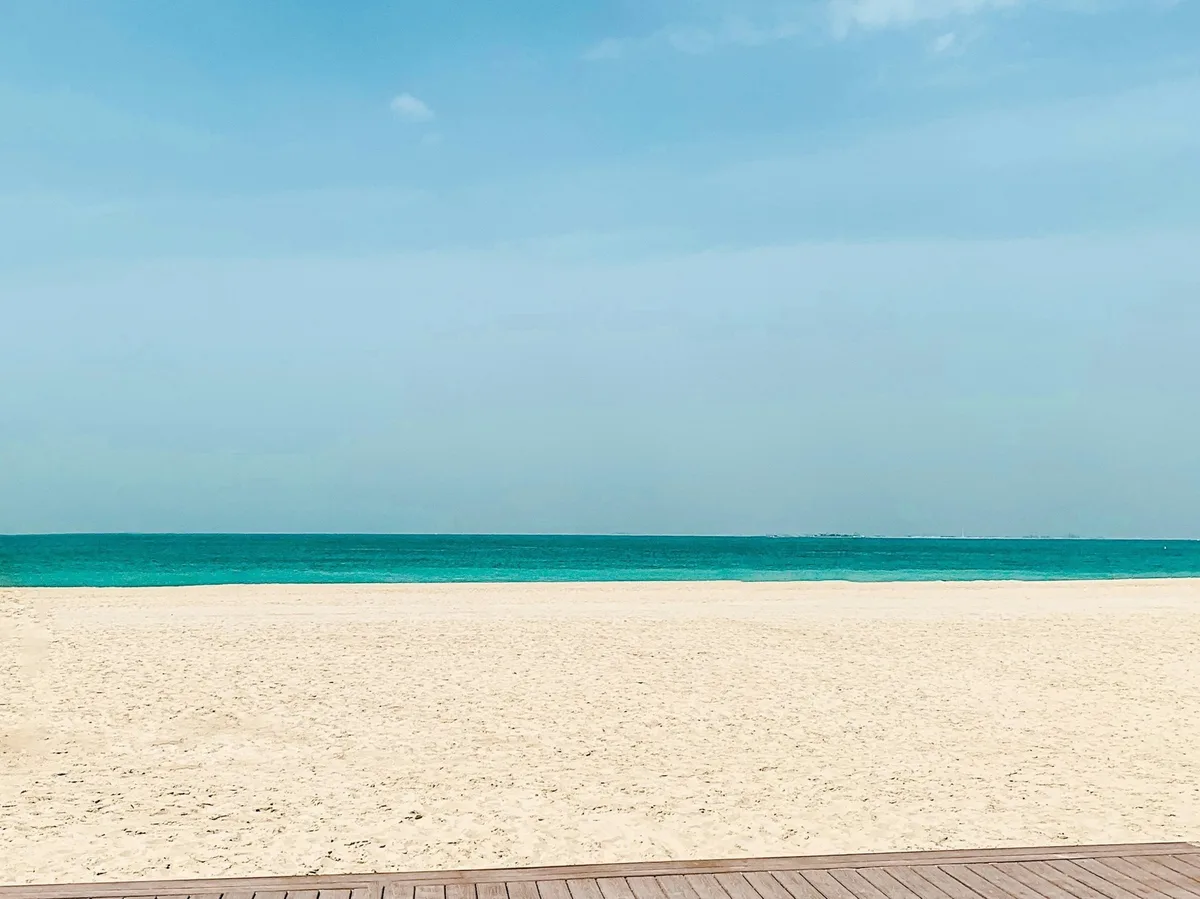
A private day at a beach club on Palm Jumeirah, with skyline views back toward Dubai Marina and time to actually relax rather than sightsee.
Visitor guide
Palm Jumeirah is an artificial archipelago off the coast of Dubai, United Arab Emirates, in the Persian Gulf. Built by land reclamation and shaped to resemble a palm tree from the air, it is part of the wider Palm Islands project developed by Nakheel Properties.
Wikipedia's article on the Palm Islands says Sheikh Mohammed bin Rashid Al Maktoum, the ruler of Dubai, conceived the idea and design, and that Nakheel Properties is the developer. Palm Jumeirah was the first of three planned palms; Palm Jebel Ali and the former Palm Deira, now relaunched as Dubai Islands, followed as later projects. Together, the Palm Islands were intended to increase Dubai's shoreline by hundreds of kilometres, and Wikipedia says Palm Jumeirah alone would add about 56 kilometres of coastline.
According to Wikipedia, work began in June 2001 with stacked stones and sand forming the foundation, and no concrete or steel was used in the island body. The Dutch dredging firm Van Oord, which also created The World Islands, carried out the reclamation. Wikipedia gives about 94 million cubic metres of sand dredged from the sea bed several nautical miles offshore and about 5.5 million cubic metres of rock from quarries in Dubai. Surface sand was sprayed into place by a technique called rainbowing, and vibro-compaction was used to strengthen the base and prevent liquefaction. The first residential units were handed over in 2006, by October 2007 about 75 percent of properties were ready and roughly 500 families lived on the island, and by the end of 2009 twenty-eight hotels had opened on the crescent.
Wikipedia records a 2009 New York Times report, citing NASA satellite data, that the island was sinking at about 5 millimetres a year. Nakheel responded that it had received no reports of structural problems and noted that the satellites' measurement resolution was 50 millimetres. The outer breakwater was designed as a continuous barrier, but that stopped tidal movement and left the water inside stagnant, so it was modified with gaps on either side to let the tide oxygenate the lagoon. A 2022 study in the journal Water linked construction of the island to changes in water quality and surface temperature nearby.
The island is divided into three zones. The Trunk is a mixed commercial and residential area, the Fronds hold homes and villas, and the Outer Crescent holds luxury and upscale resorts. Around 30 hotels operate on the trunk and crescent as of 2024. Apartments are concentrated on the Trunk and villas border the Fronds, with direct beach access. Wikipedia puts the population at more than 25,000 as of 2022.
Atlantis, The Palm stands at the apex of the island and opened on 24 September 2008 as a joint venture between Kerzner International and Istithmar World. Wikipedia describes a hotel of 1,544 rooms in two towers themed on the myth of Atlantis with Arabian and nautical elements, with Wimberly Allison Tong and Goo as architect of record. The Lost Chambers Aquarium is home to over 65,000 marine animals, and the Aquaventure water park complements the hotel. Atlantis The Royal was added in 2023.
The Palm Jumeirah Monorail is about 5.4 kilometres long and links the Atlantis hotel to the Gateway Towers at the island's base. It began operating on 30 April 2009 and Wikipedia describes it as the first monorail in the Middle East. Because the palm shape is only fully visible from the air or from high vantage points, most visitors experience the island at ground level through its beaches, hotels and promenades. A private guided visit with a driver makes it easy to see several parts of the island in one outing and combine it with other Dubai sights.
See every tour and attraction we cover in Dubai.