TorontoOntario · 36 tours
 Niagara FallsOntario · 25 tours
 New York CityNew York · 30 tours
 Las VegasNevada · 8 tours
 San FranciscoCalifornia · 16 tours
 VancouverBritish Columbia · 17 tours
 DubaiUAE · 54 tours
 Abu DhabiUAE · 5 tours
 Buenos AiresArgentina · 23 tours
 AthensGreece · 31 tours
 AucklandNew Zealand · 38 tours
 CancunMexico · 54 tours
No destinations match “”. Try searching all tours instead — that search understands full questions, not just place names.
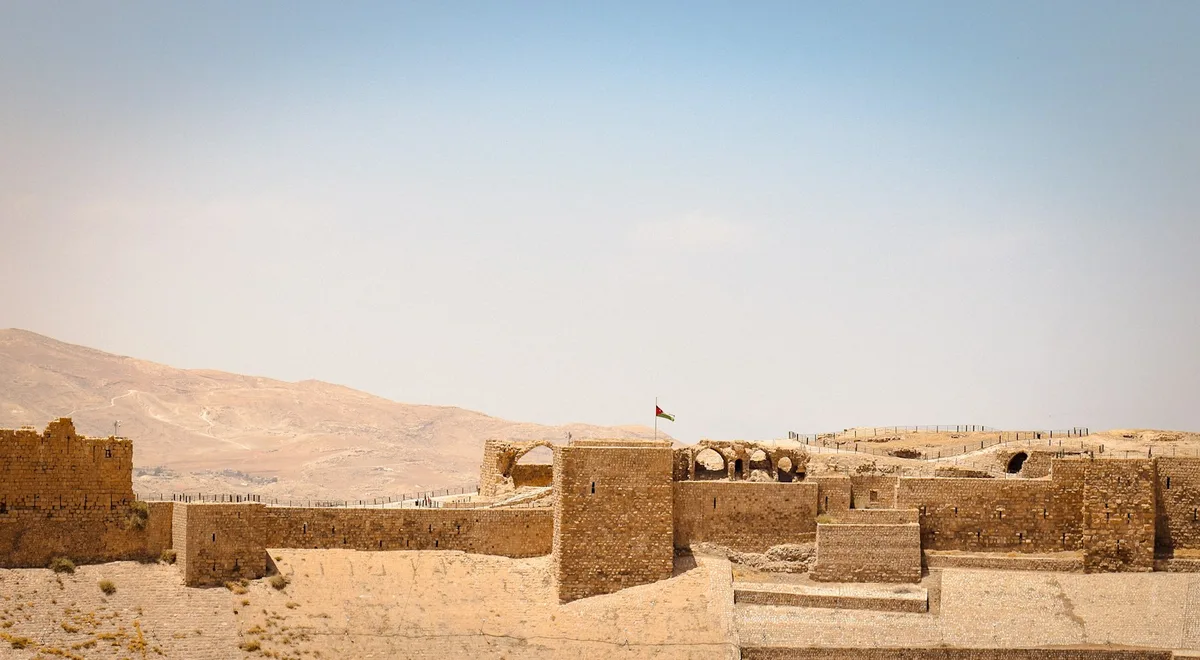
A massive Crusader castle in the hill town of Karak, one of the largest Crusader castles in the Levant, begun by the Crusaders in the 1140s and later held by Saladin.
 Multi-Day Tours
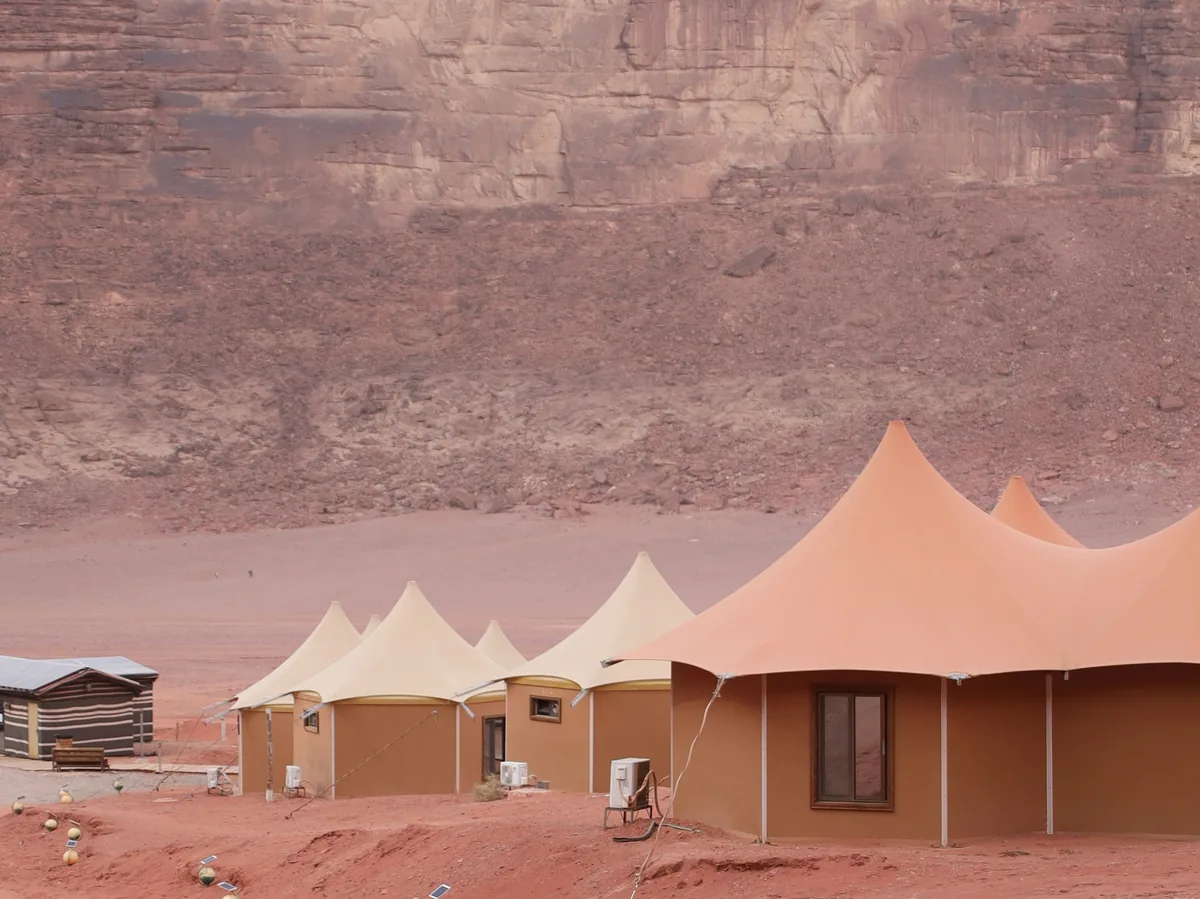
A family-friendly 8-day route from Madaba's mosaics and Jerash's Roman ruins through a Wadi Rum jeep safari and Bedouin camp, Aqaba's beaches, Petra, and a float in the Dead Sea.
 Multi-Day Tours
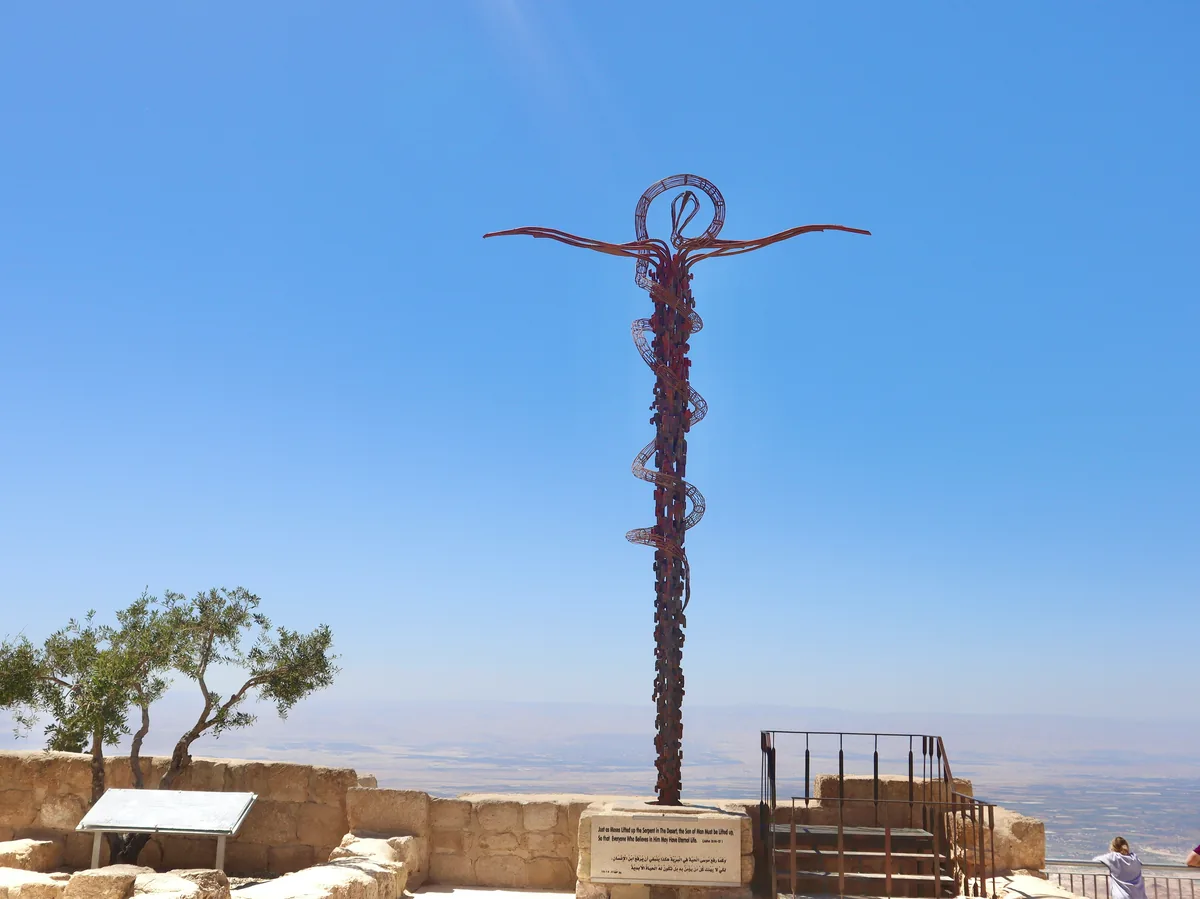
An 8-day pilgrimage route through Madaba's mosaic churches, Mount Nebo and the Bethany baptism site, the Abraham Path near Ajloun, Petra, Wadi Rum, and the Dead Sea's biblical sites.
 Multi-Day Tours
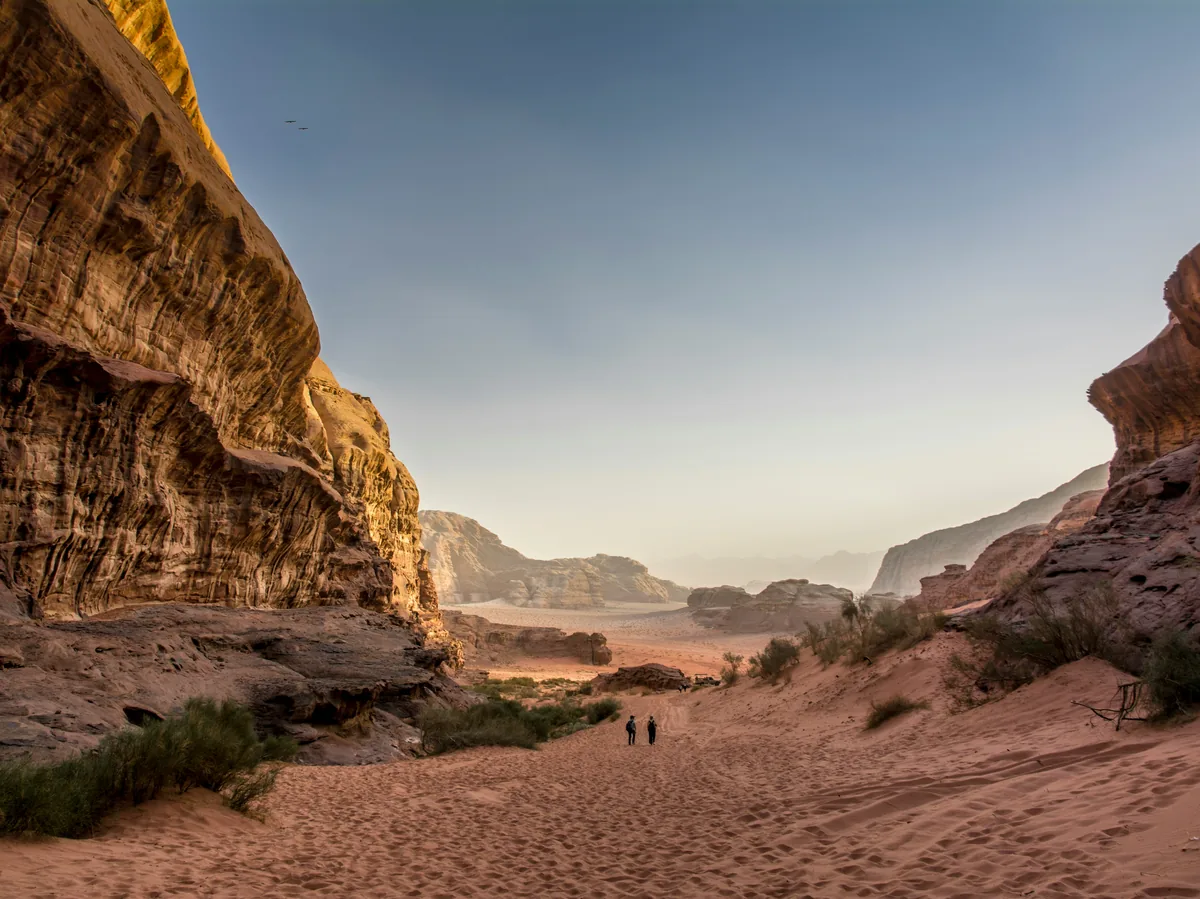
A 10-day hiking route through Ajloun Forest Reserve, the Azraq Wetlands, Wadi Mujib's Siq Trail, the Dana Nature Reserve, Feynan Ecolodge, and a hike into Petra before finishing at Wadi Rum.
 Multi-Day Tours
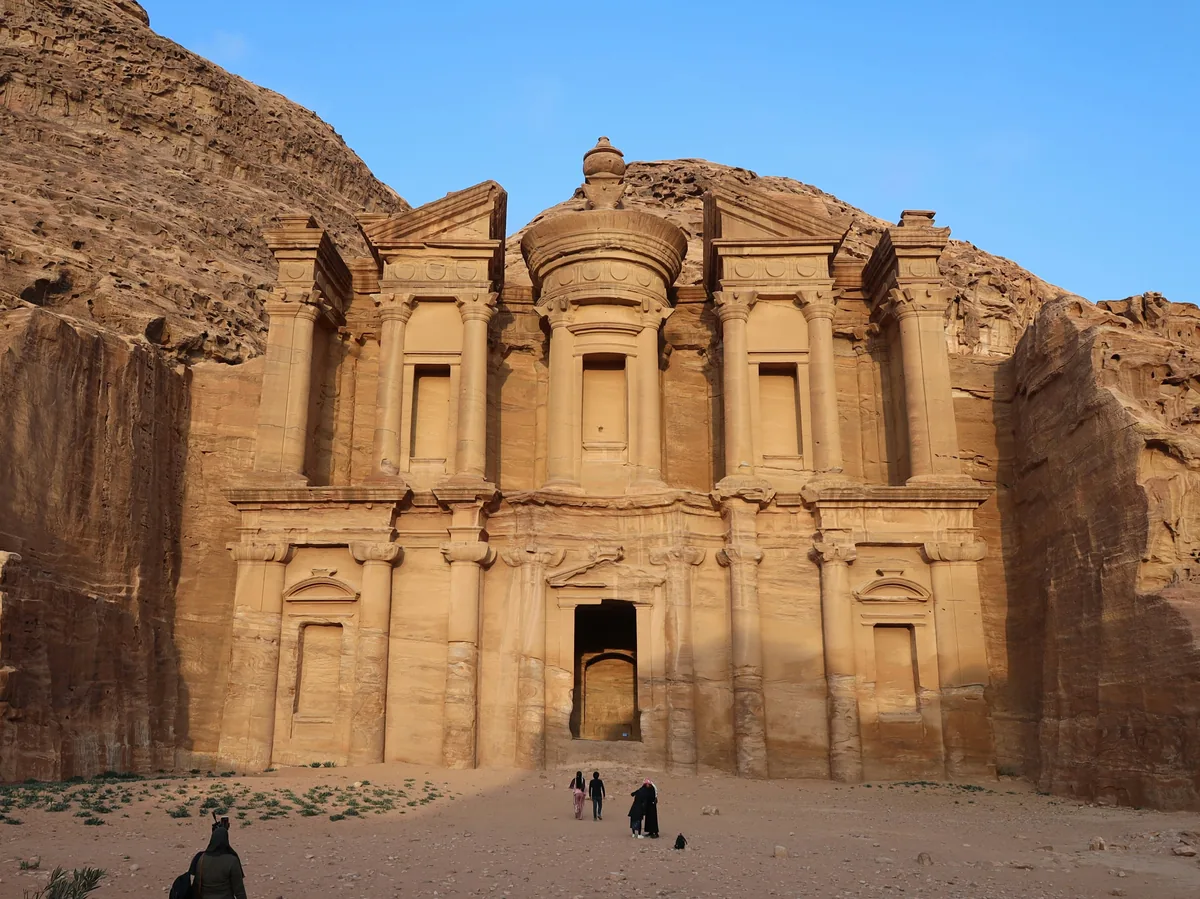
A 12-day route balancing Jordan's headline sights — Jerash, Petra, and Wadi Rum — with beach time in Aqaba, hiking in the Dana Nature Reserve and Wadi Mujib, and a relaxing day at the Dead Sea.
 Multi-Day Tours
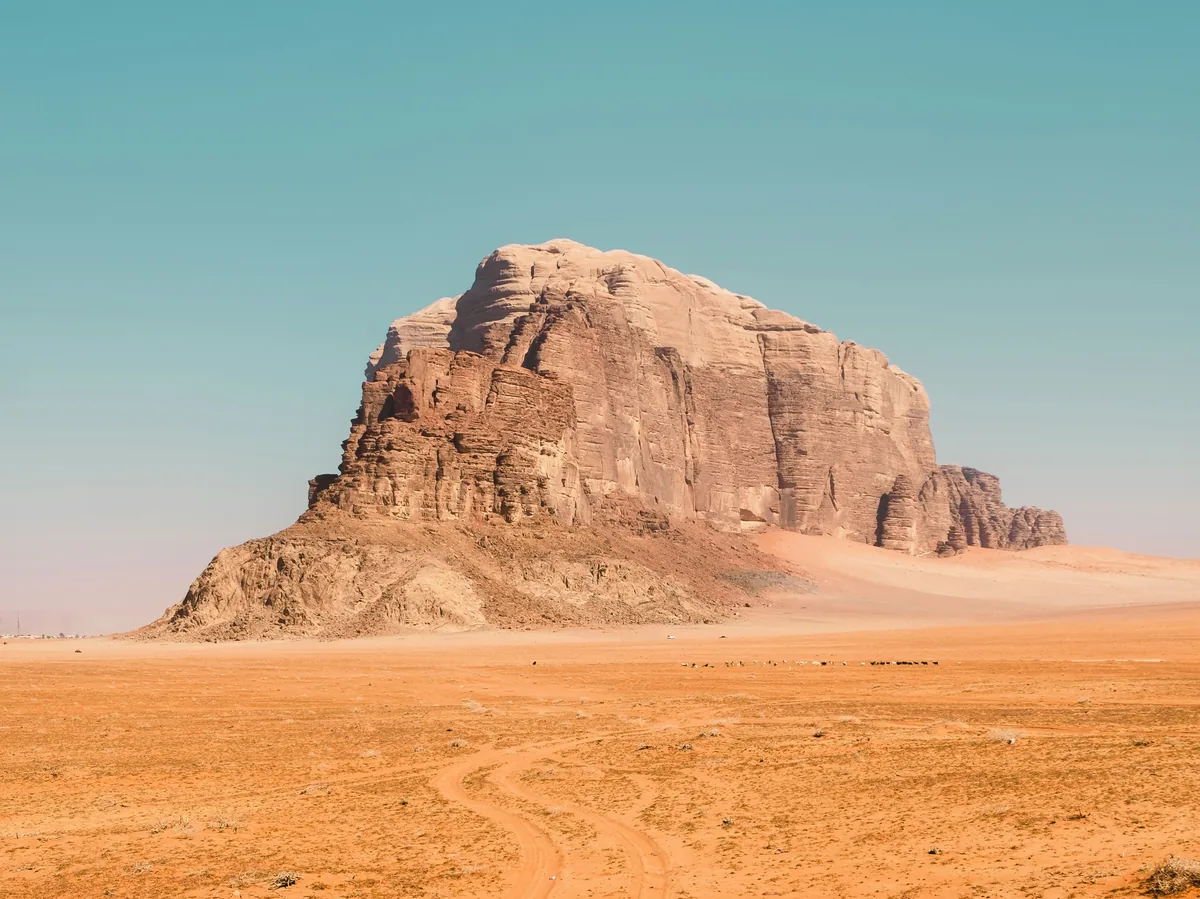
A 10-day active itinerary built around Jordan's water-based adventures — wading through the canyons of Wadi Mujib and Wadi Ghuweir, diving in Aqaba, and a hike to an underground waterfall near Petra.
 Multi-Day Tours
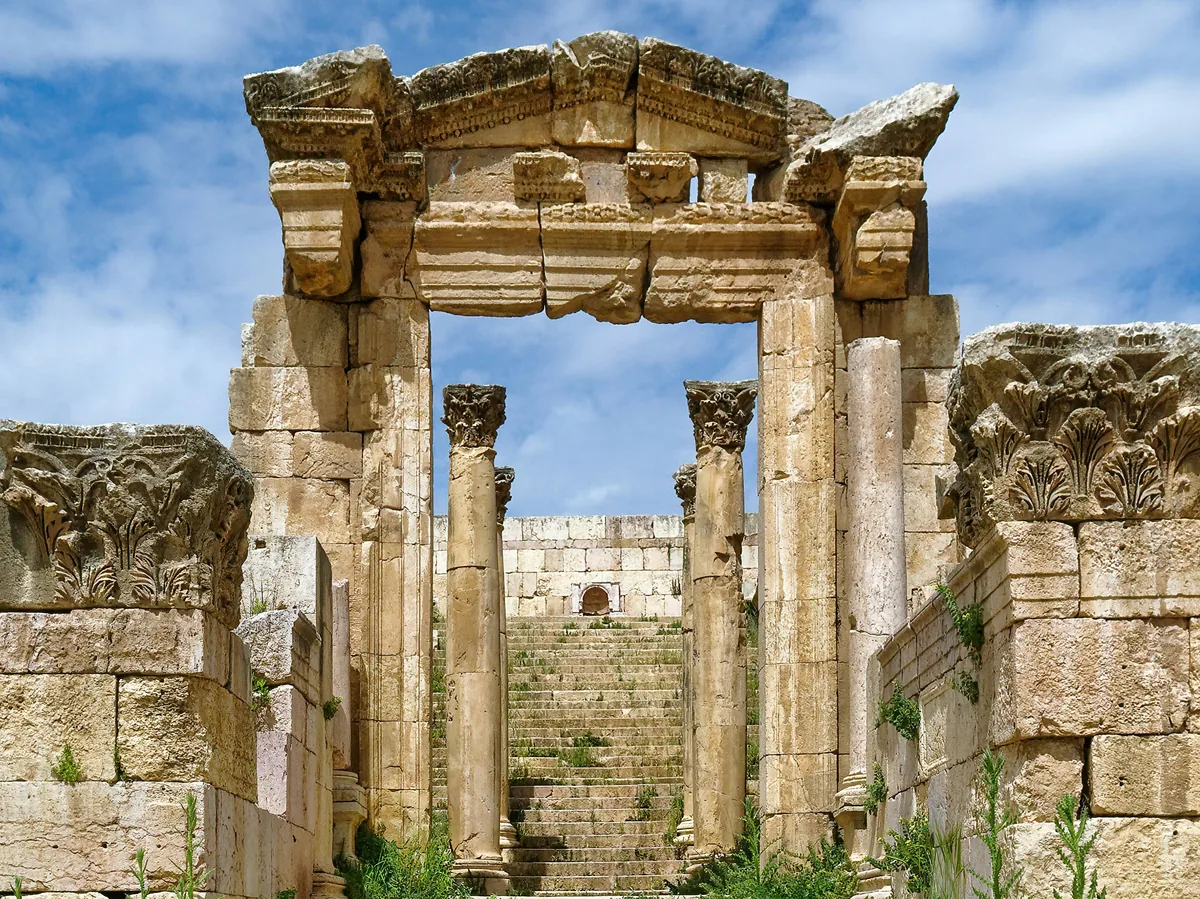
A 9-day culinary and cultural route through Jerash's Greco-Roman ruins, a cooking class in Petra, a Bedouin dinner in Wadi Rum, and wine and beer tastings back in Amman.
 Multi-Day Tours
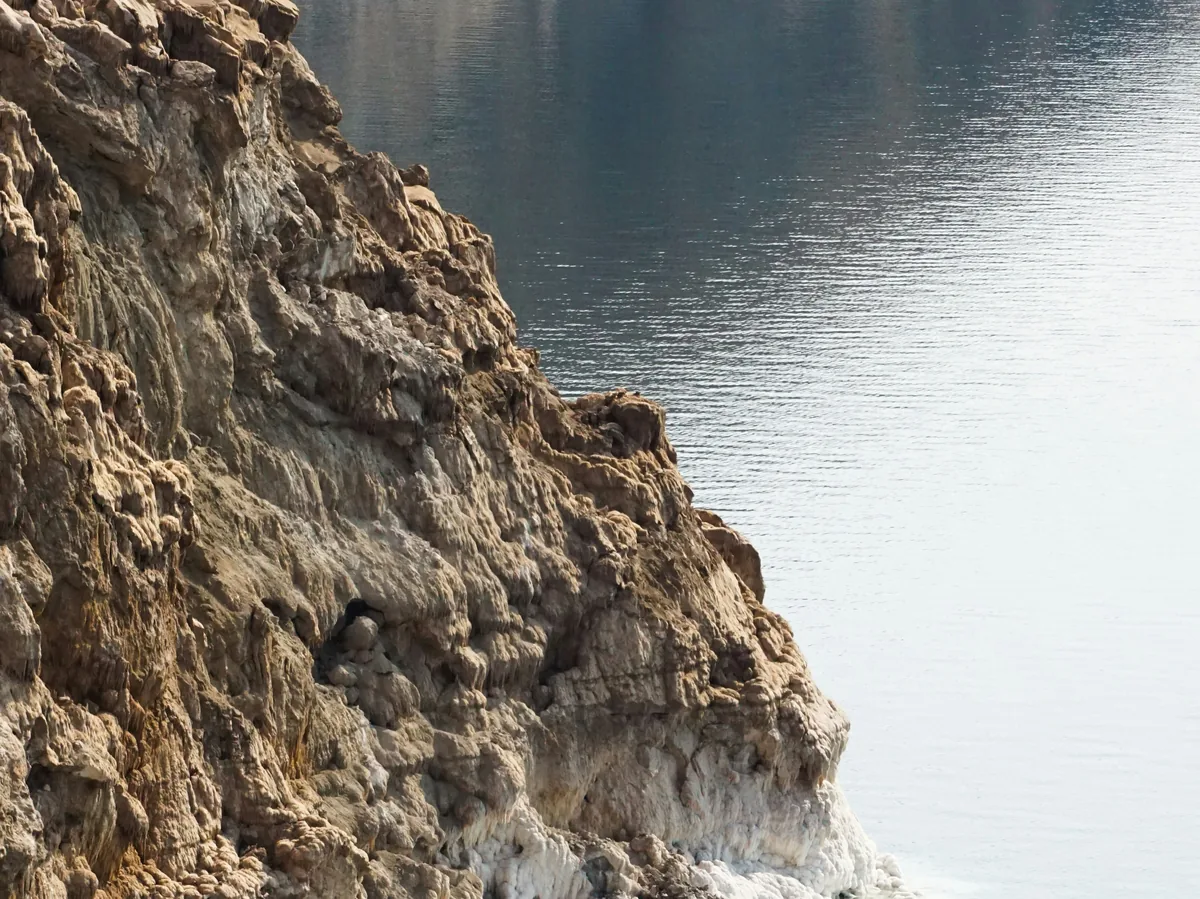
A two-country pilgrimage that opens and closes in Jordan — Madaba, the Dead Sea, Karak, and Petra — with a border crossing to Jerusalem, Bethlehem, and Nazareth in Israel and Palestine.
 Multi-Day Tours
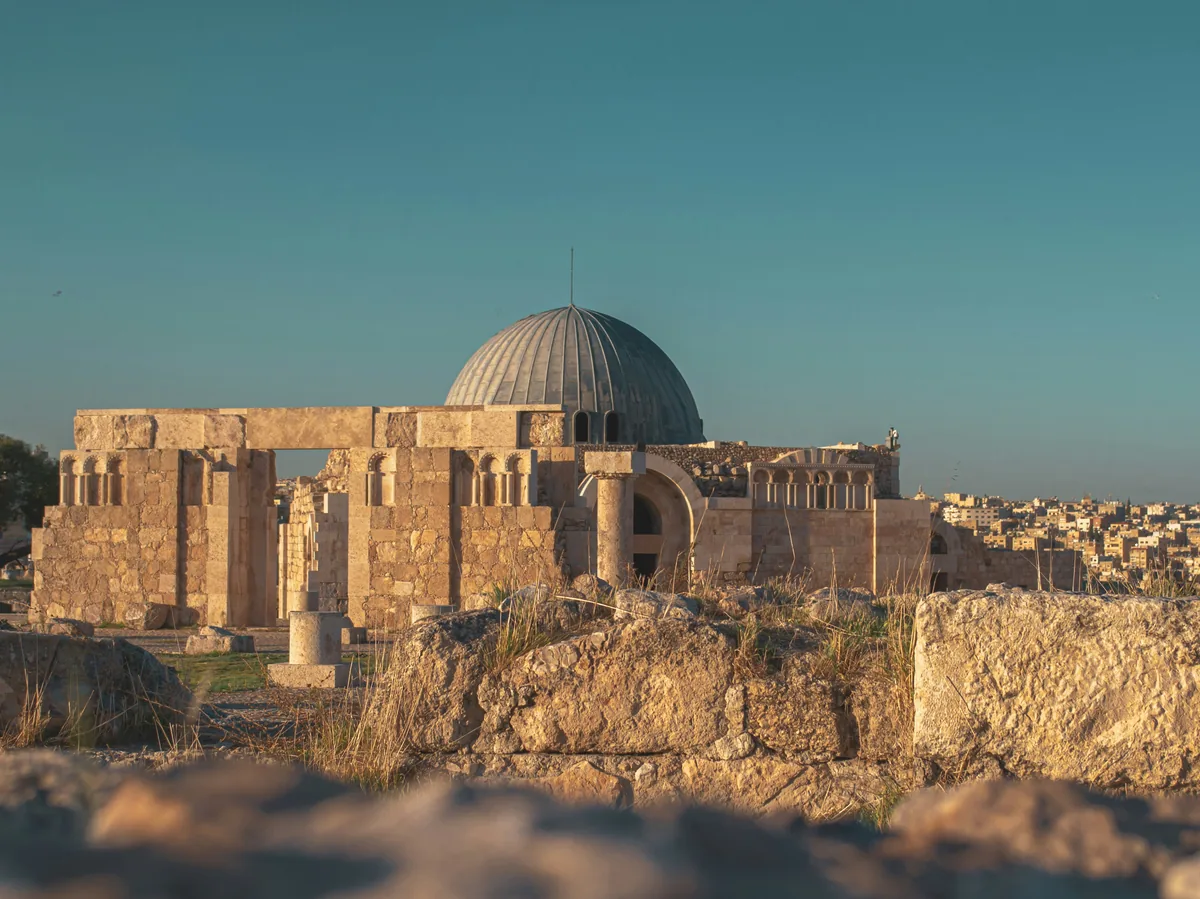
A 10-day cultural sweep from Amman's Citadel and downtown souks through Jerash, Umm Qais, the Umayyad desert castles, Madaba, Petra, Wadi Rum, and the Dead Sea.
 Multi-Day Tours
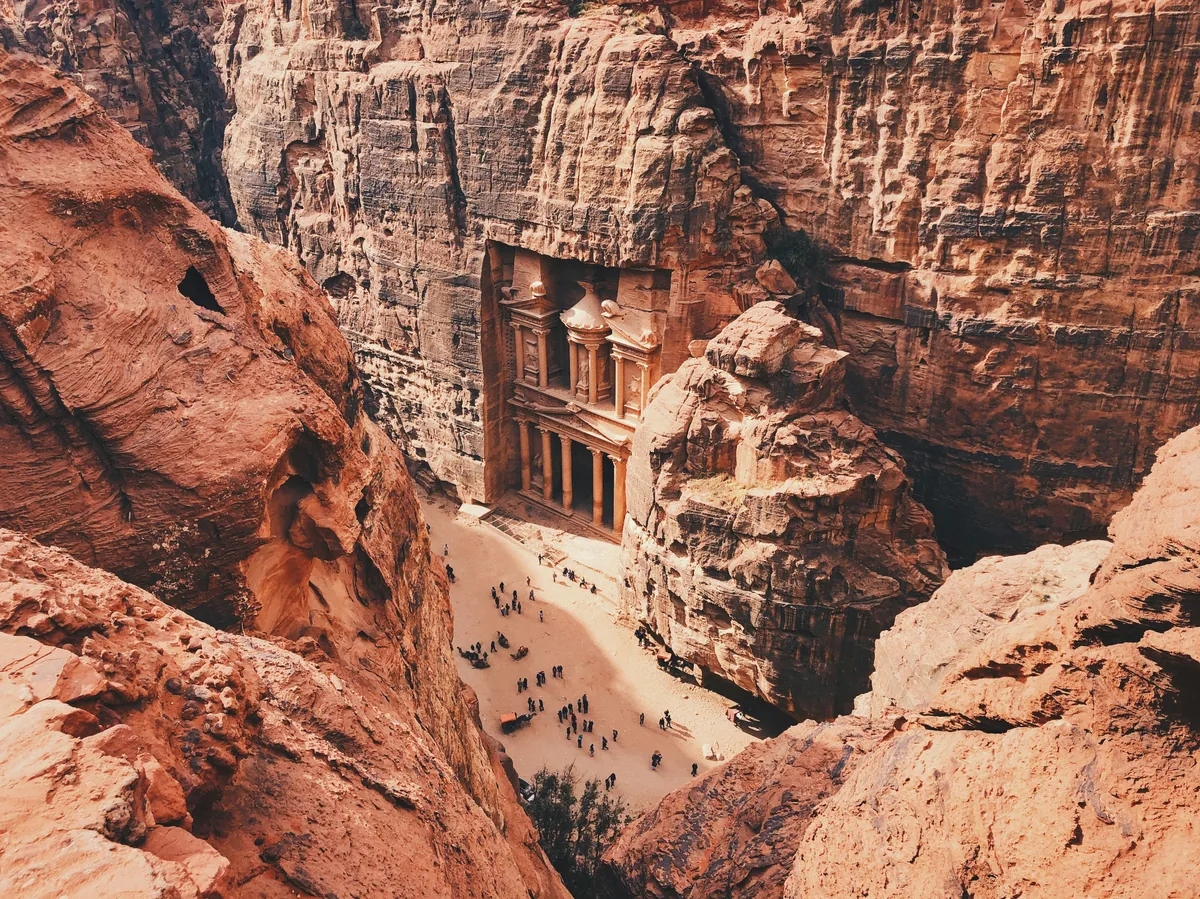
An 11-day heritage route through Amman's Citadel and Islamic shrines, the Yarmouk battlefield, the Eastern Desert's Azraq Castle, Karak, Petra's Jebel Haroun hike, Wadi Rum, and the Dead Sea.
 Multi-Day Tours
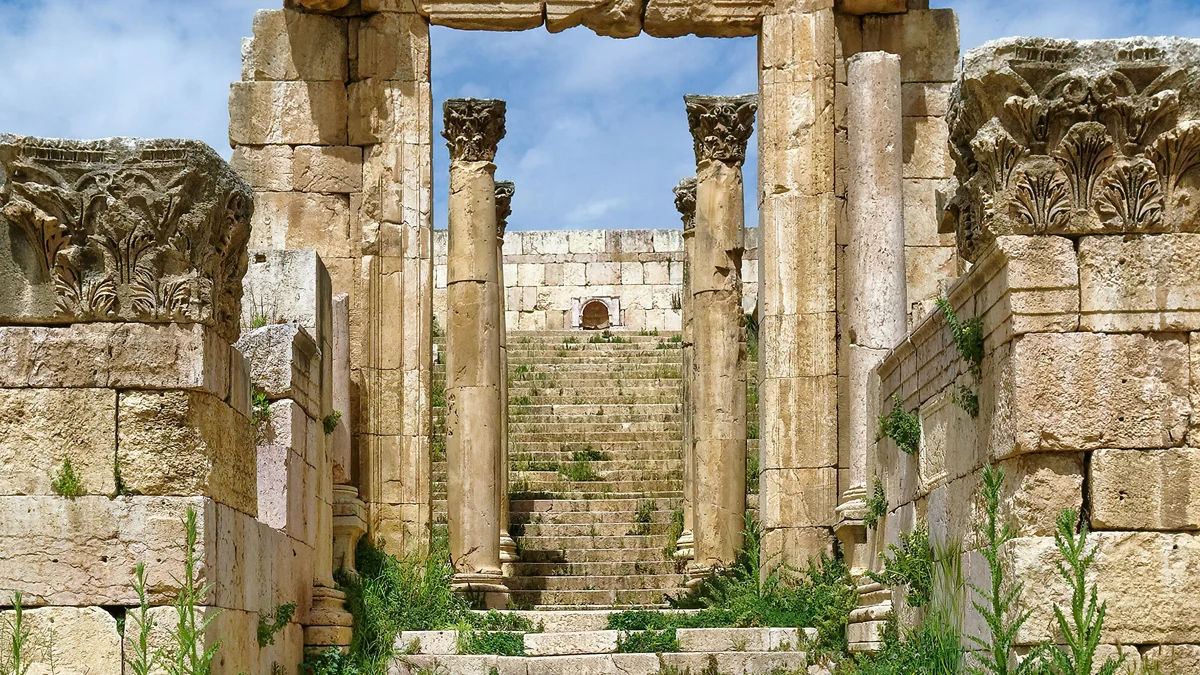
A fast-paced 5-day introduction to Jordan covering Madaba's mosaics, the Dana Nature Reserve, Petra, an overnight Bedouin camp in Wadi Rum, Amman's Citadel, and the Roman ruins of Jerash.
 Multi-Day Tours
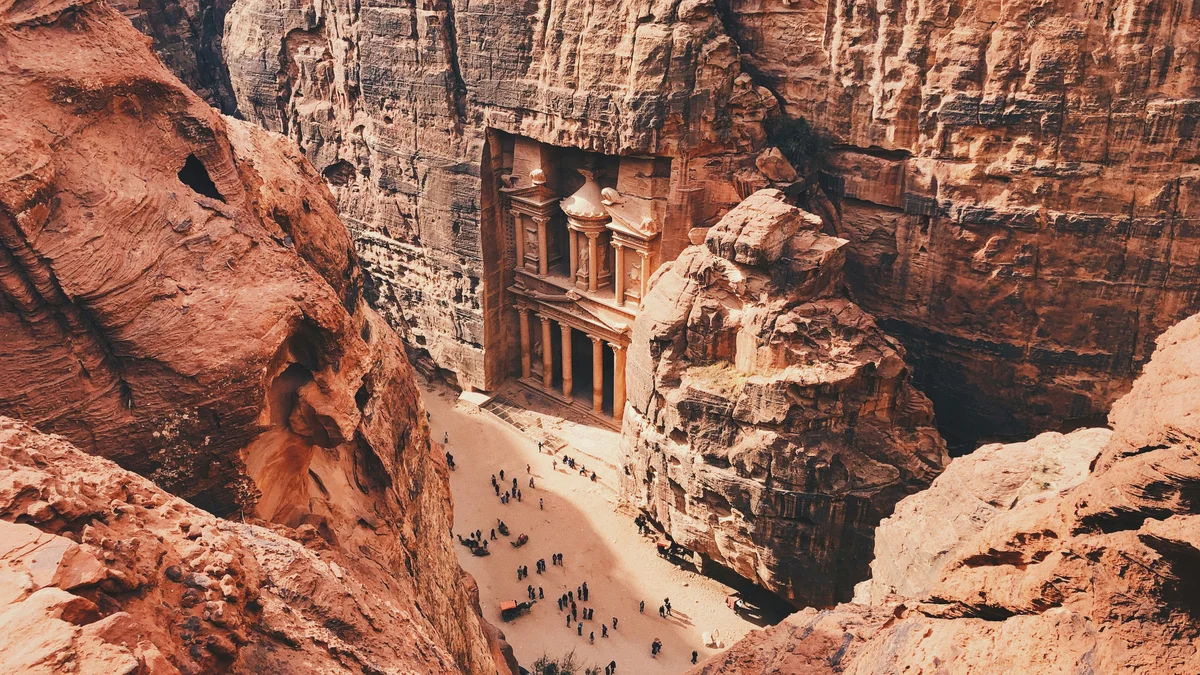
A fast-paced 5-day loop from Aqaba through a Wadi Rum jeep tour and Bedouin camp, two days exploring Petra, Karak Castle, the Dead Sea, and a final stop at Mount Nebo and Madaba.
 Multi-Day Tours
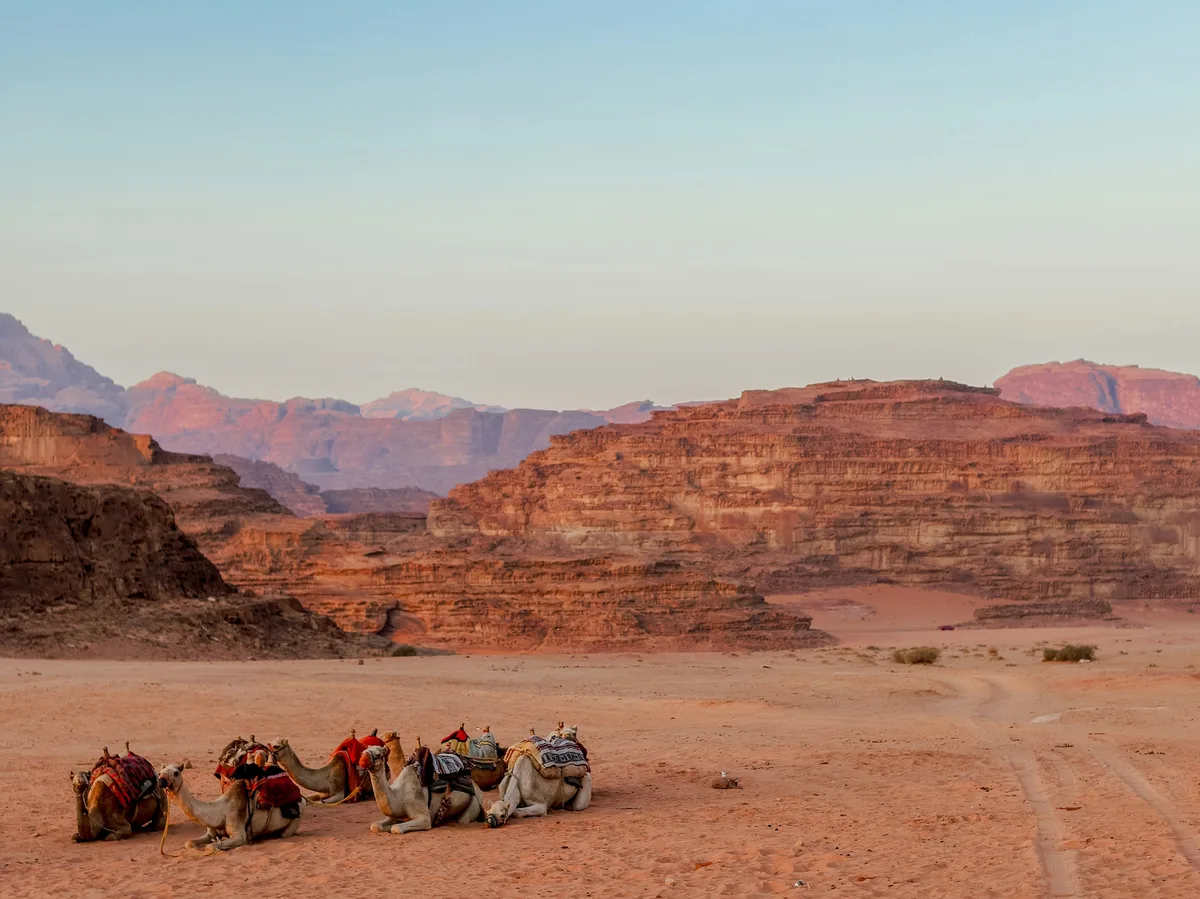
Follows in the footsteps of T.E. Lawrence through the desert castles, Umm Qais, Petra, and two nights in the Wadi Rum desert he made famous, finishing at the Dead Sea.
 Multi-Day Tours
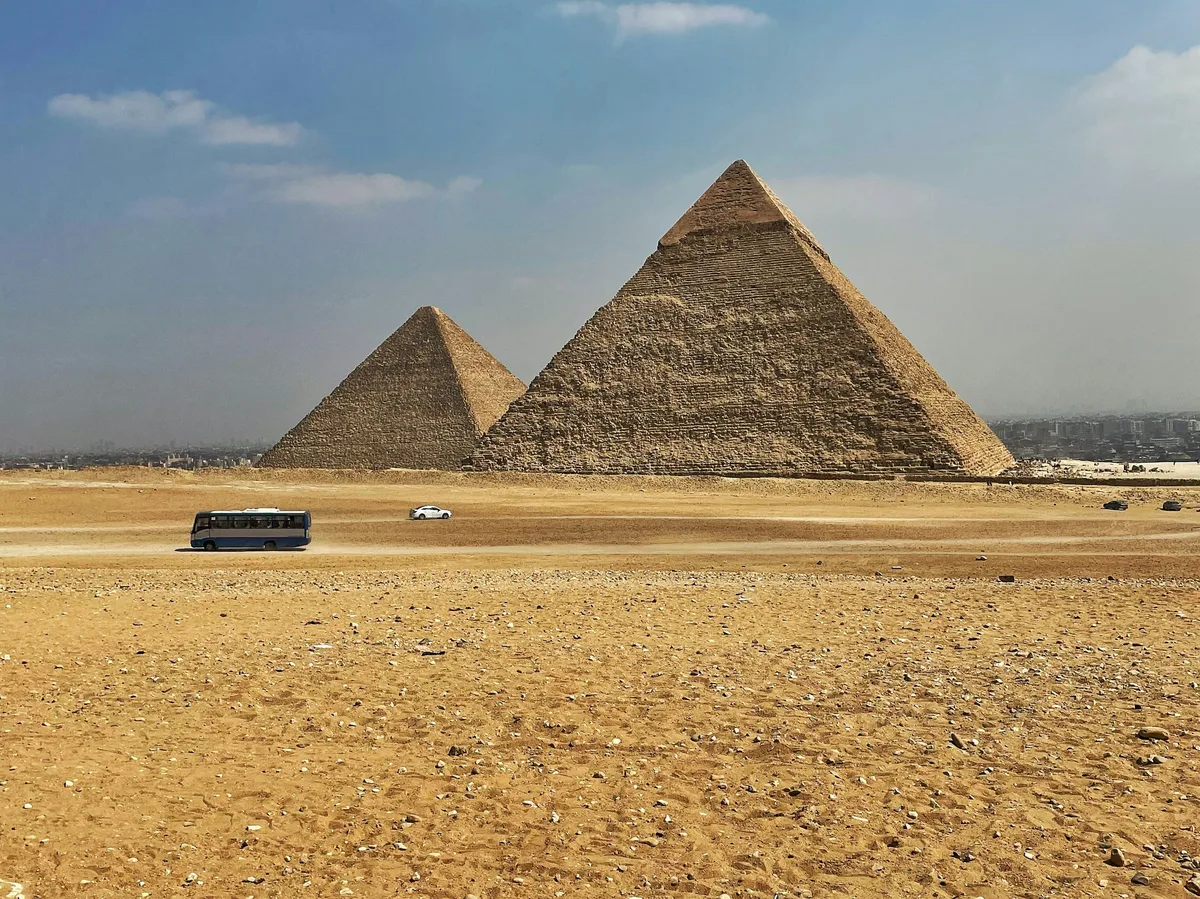
A two-country adventure opening with three days in Cairo — the pyramids, Sakkara, and the Egyptian Museum — before flying to Jordan for Amman, Jerash, Mount Nebo, Petra, Wadi Rum, and the Dead Sea.
Visitor guide
Kerak Castle, also spelled Karak, is a medieval fortress in the hill town of al-Karak in southern Jordan. Begun in the 1140s by the Crusaders, it is described by Wikipedia as one of the largest castles in the Levant and remained in use until 1917.
Construction began in 1142 under Pagan the Butler, Lord of Oultrejordain, and Fulk, King of Jerusalem, as part of the Latin Kingdom of Jerusalem. The castle replaced the weaker Montreal as the centre of Pagan's power. Its position let the Crusaders control Bedouin herders and the trade routes linking Damascus, Egypt and Mecca. Pagan's successors, Maurice and Philip of Milly, added towers and two deep rock-cut ditches. In 1176 Raynald of Chatillon gained the castle through marriage to Stephanie of Milly, and he raided trade caravans from here.
Saladin besieged the castle in 1183 in response to Raynald's attacks, but King Baldwin IV relieved the siege. He returned in 1184 for a four-week siege and left before a Crusader army arrived. After Saladin defeated the Crusaders at Hattin in 1187, no relief came in 1188, and the garrison surrendered after several months in a siege led by Saladin's nephew Sa'd al-Din. Montreal surrendered soon afterward. Kerak then became an administrative centre for the Jordan region, and Saladin's brother al-Adil made it the site of a treasury.
Al-Salih Ayyub retook the castle in 1249, and An-Nasir Dawud expanded its defences in 1244 to 1245. In 1263 Sultan Baibars enlarged the castle and built a tower on its northwest corner. In the Mamluk period it housed four ministries, including finance and the chancery, and kept a force of at least 700 horsemen.
Kerak is a spur castle, built on the southern end of a plateau surrounded on three sides by steep hills, which concentrated attackers on one side. The north wall contains immense arched halls on two levels used as living quarters, stables and a fighting gallery. Defences include ditches, thick stone walls and a glacis, a sloped masonry base that slowed attackers. The Crusaders built with rough volcanic stone, while later Muslim repairs used limestone. The towers are square and set closer together than at many other castles, similar to Byzantine designs. Wikipedia calls the design less sophisticated than Krak des Chevaliers.
In 1834 Ibrahim Pasha of Egypt besieged the castle and destroyed much of its fortifications. The Ottomans re-established control in 1893 by placing a governor in the castle with a garrison of 1,400. In 1929 Paul Deschamps and Francois Anus produced the first accurate plans. The Al Karak Archaeology Museum covers the region's history from prehistory through the Islamic era, including the Crusader period, and opened in 1980.
The castle sits on the King's Highway route between Madaba and Petra, so a private tour with a vehicle and driver commonly includes it, and a guide helps explain its vaulted halls and the layers of Crusader, Ayyubid and Mamluk building.
See every tour and attraction we cover in Jordan.