TorontoOntario · 36 tours
 Niagara FallsOntario · 25 tours
 New York CityNew York · 30 tours
 Las VegasNevada · 8 tours
 San FranciscoCalifornia · 16 tours
 VancouverBritish Columbia · 17 tours
 DubaiUAE · 54 tours
 Abu DhabiUAE · 5 tours
 Buenos AiresArgentina · 23 tours
 AthensGreece · 31 tours
 AucklandNew Zealand · 38 tours
 CancunMexico · 54 tours
No destinations match “”. Try searching all tours instead — that search understands full questions, not just place names.
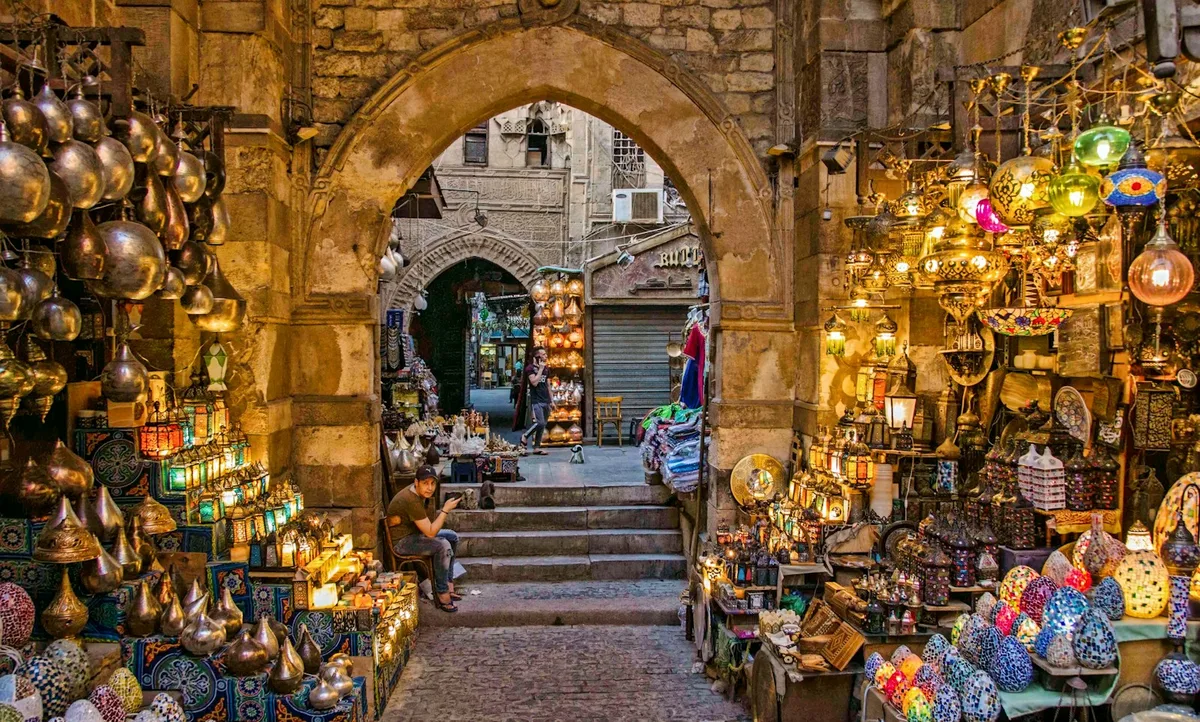
A centuries-old market in Islamic Cairo, dating to the 14th century, with narrow lanes of stalls selling spices, jewelry, brassware, and souvenirs around the al-Hussein Mosque.
 Multi-Day Tours
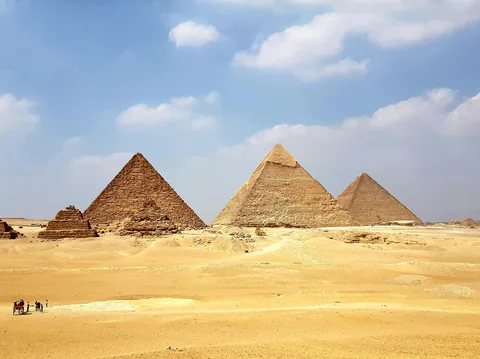
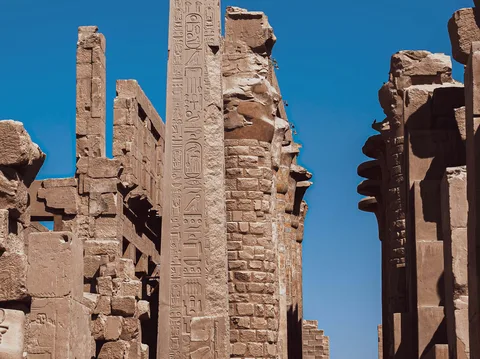
A 10-day route built for families, mixing Cairo's pyramids, an overnight sleeper train to Aswan, Luxor's temples, and beach downtime in Hurghada.
 Multi-Day Tours
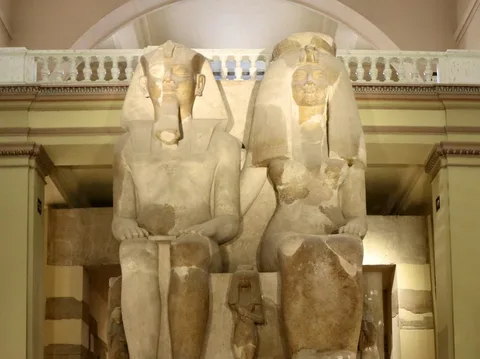
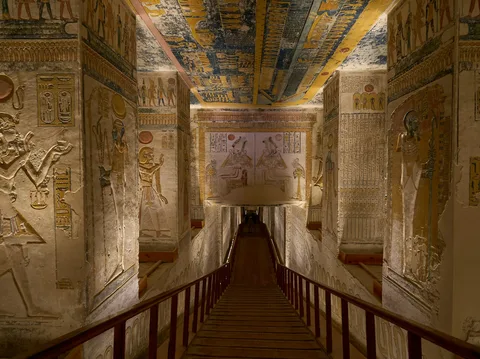
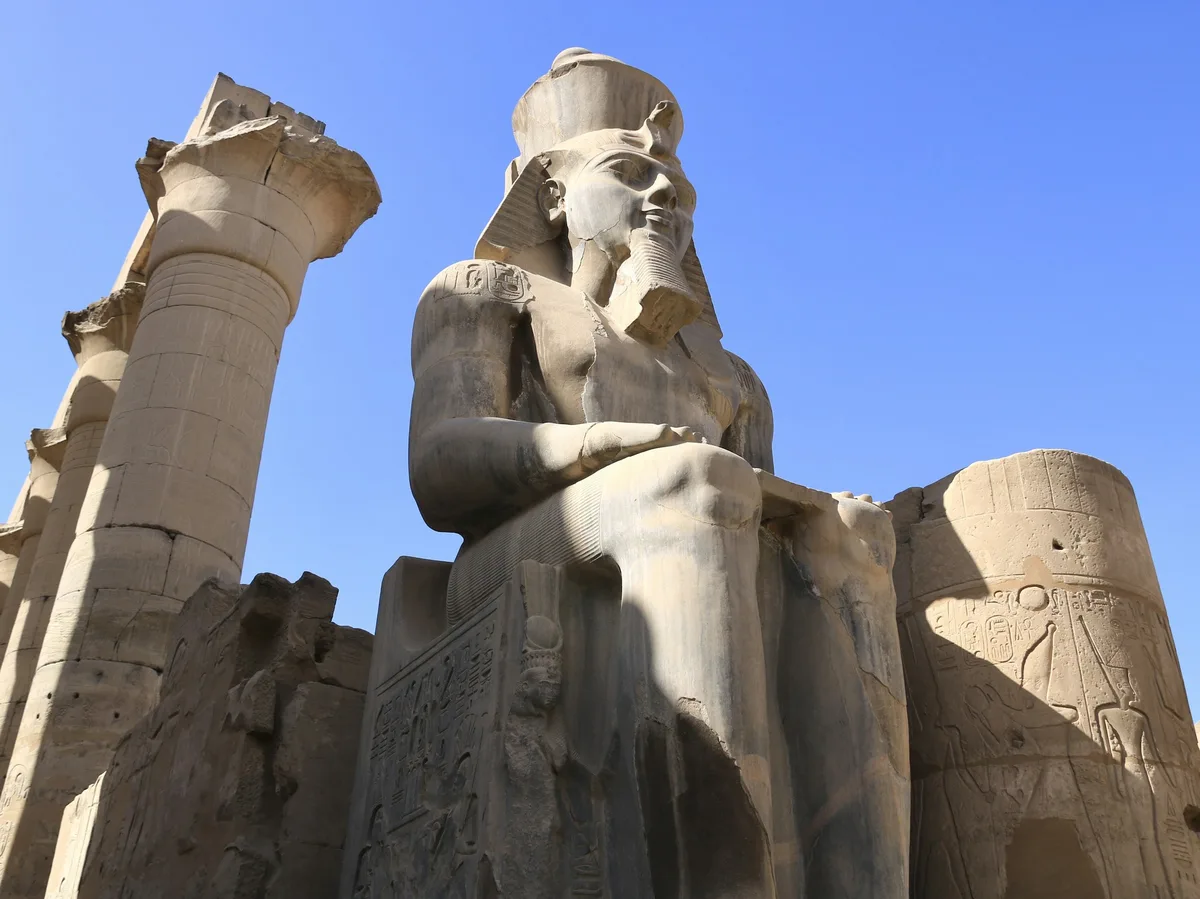
A compact five-day introduction to Egypt's essentials — the Giza Plateau, the Egyptian Museum, Islamic and Coptic Cairo, and Luxor's temples and tombs, with a short domestic flight between the two cities.
Visitor guide
Khan el-Khalili is a major bazaar in the historic centre of Cairo, Egypt. Founded as a trade centre in the Mamluk era and named after a caravanserai, it now refers to a whole shopping district serving both visitors and Egyptians, and it lies within Historic Cairo, a UNESCO World Heritage Site designated in 1979.
Cairo was founded in 969 as the capital of the Fatimid Caliphate, and the bazaar's site was once the southern end of the eastern Fatimid palace, where the caliphs' burial site, the Saffron Tomb, stood. After Saladin dismantled the Fatimid Caliphate in 1171, the old palaces were opened for redevelopment and Cairo became an economic hub for ordinary Egyptians and foreign travellers.
During the first reign of Sultan Barquq (1382 to 1389), his Master of the Stables, Jaharkas al-Khalili, demolished the Fatimid mausoleum and built a large khan on the site. The khan took his name, and the name eventually came to describe the whole district. By the late fifteenth century, Wikipedia says, it was the main centre for foreign trade.
Sultan al-Ghuri, the last effective Mamluk ruler (reigned 1501 to 1516), reshaped the district. He rebuilt the old khan in 1511 as the Khan al-Fisqiya, later renamed the Wikala al-Qutn, and created the Suq al-Nabulsi, a market with monumental stone gates. Surviving elements include that market, its two gates and the facade of the Wikala al-Qutn.
By the end of the Mamluk era the district had 21 khans and wikalas, and by the late eighteenth century roughly 39. After 1517 Turkish merchants became prominent. In the nineteenth and twentieth centuries al-Muski Street was cut through the old city, and in the late 1930s Princess Shawikar initiated about two dozen residential blocks with ground-floor shops in the eastern sector.
The bazaar is bounded by al-Muizz Street to the west, al-Muski Street to the south, and the al-Hussein shrine and mosque to the east. Shops sell souvenirs, antiques and jewellery, and an adjoining goldsmiths' souq remains important to local people. Many craft workshops still operate in courtyards and upper floors. The area has traditional coffeehouses serving Arabic coffee and sometimes shisha, among them El-Fishawy Cafe, established in 1773 according to Wikipedia.
Naguib Mahfouz's novel Midaq Alley (1947) is set in an alley in Khan el-Khalili, and the district nearby also includes the monumental Bayn al-Qasrayn area and Al-Azhar Mosque.
The market grew along the main north-south axis of medieval Cairo, the Qasaba, today's al-Muizz Street, which ran between Bab al-Futuh and Bab Zuweila. Under the Ayyubids and Mamluks it became lined with religious complexes, royal mausoleums and shops. Charitable endowments called waqfs helped fund this growth, since their revenues often came from rows of shops. As the street filled with buildings, commerce moved east toward Al-Azhar Mosque and the shrine of al-Hussein. Wikipedia adds that authorities preferred fixed stone structures to temporary stalls because they were easier to count, tax and regulate, and builders increasingly favoured multi-storey khans and wikalas with a central courtyard for storing goods, living quarters above and shops at street level.
The lanes are crowded and easy to get lost in, so a private guided visit helps connect the market with the historic buildings around it.
See every tour and attraction we cover in Egypt.