TorontoOntario · 36 tours
 Niagara FallsOntario · 25 tours
 New York CityNew York · 30 tours
 Las VegasNevada · 8 tours
 San FranciscoCalifornia · 16 tours
 VancouverBritish Columbia · 17 tours
 DubaiUAE · 54 tours
 Abu DhabiUAE · 5 tours
 Buenos AiresArgentina · 23 tours
 AthensGreece · 31 tours
 AucklandNew Zealand · 38 tours
 CancunMexico · 54 tours
No destinations match “”. Try searching all tours instead — that search understands full questions, not just place names.
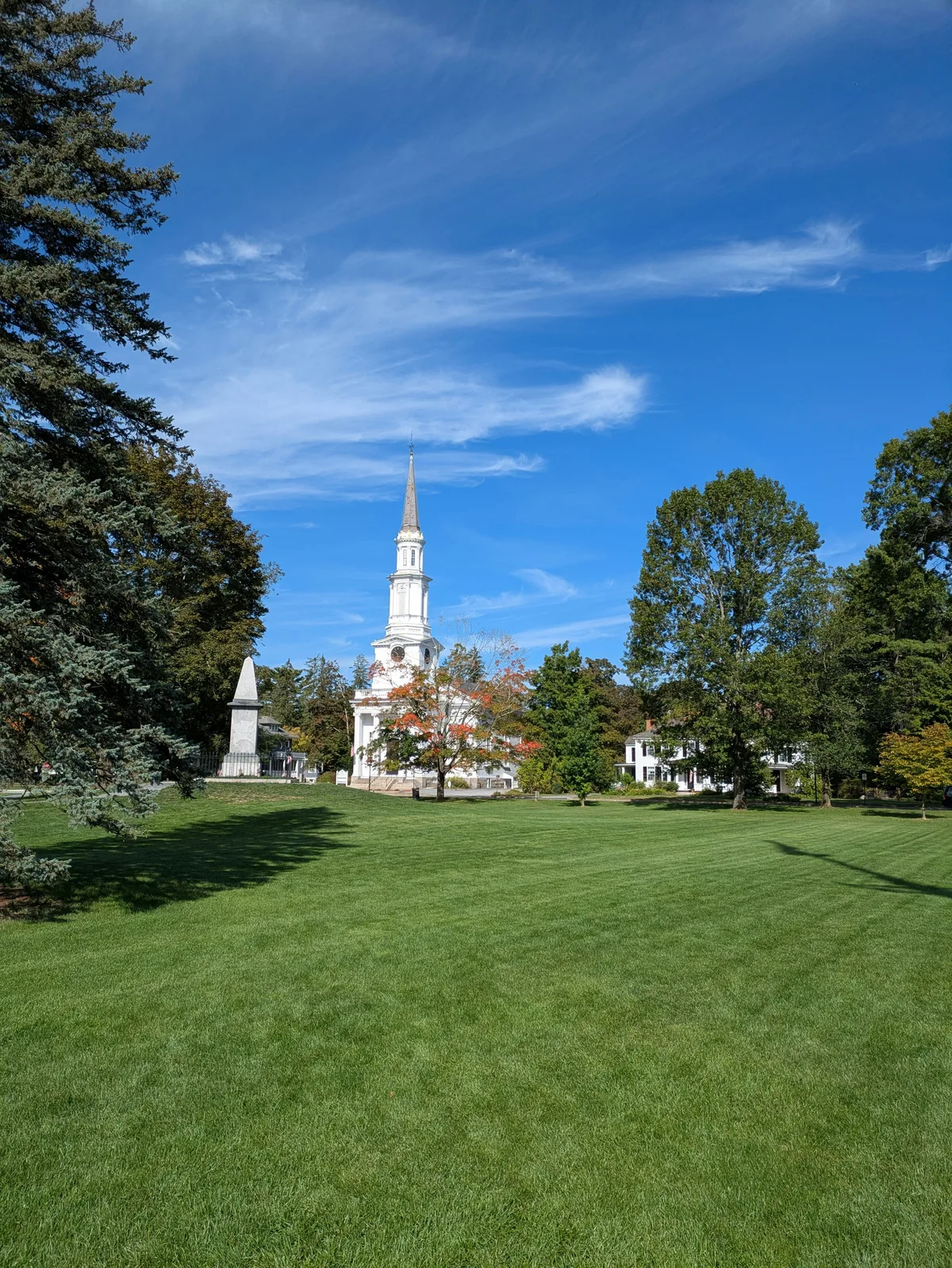
The town common where the first shots of the American Revolutionary War were fired on April 19, 1775.
Visitor guide
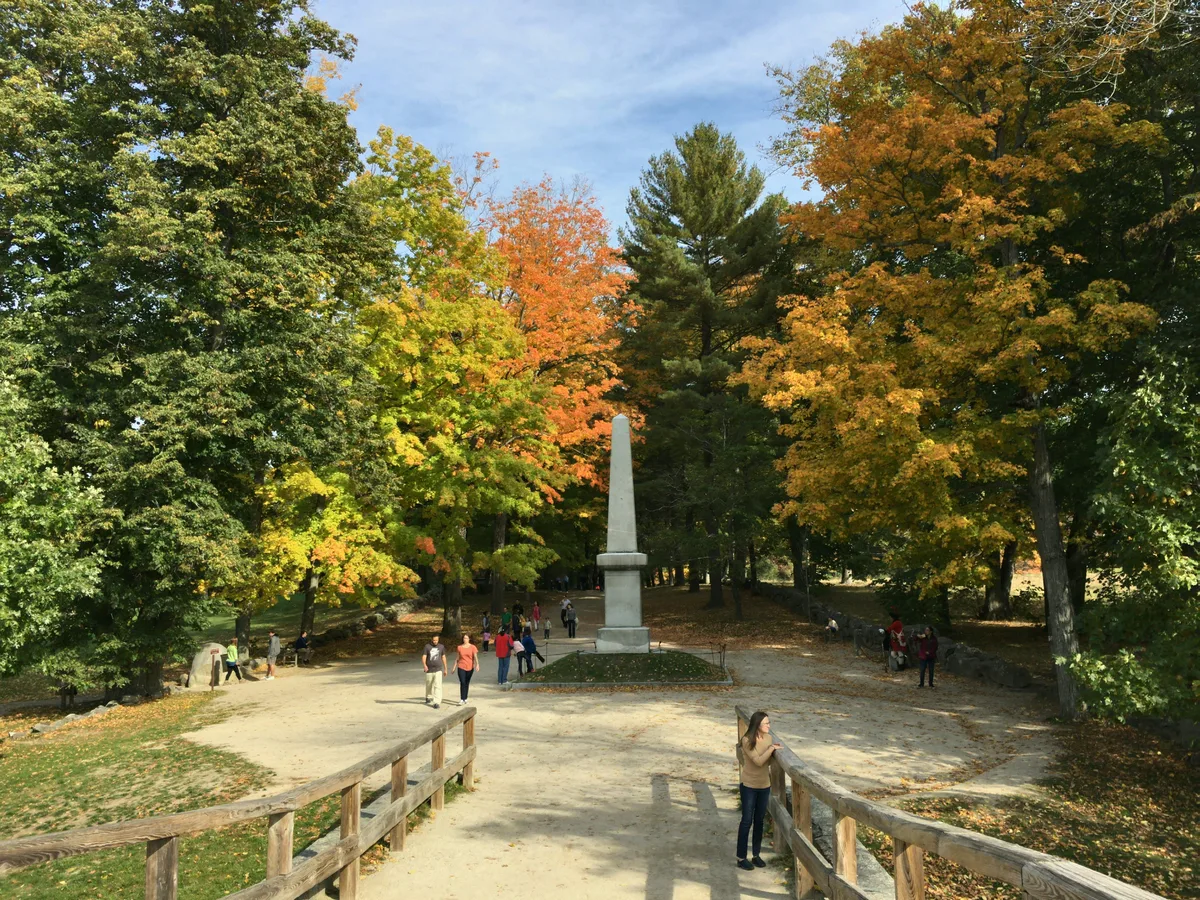
Lexington Green, also called the Lexington Battle Green, is the town common of Lexington, Massachusetts, northwest of Boston. It is where militiamen and British troops met at dawn on April 19, 1775, in the first armed clash of the American Revolutionary War, and it is a National Historic Landmark.
British forces under Lt. Col. Francis Smith, about 700 grenadiers and light infantry, marched out of Boston to seize colonial military supplies at Concord. Word that Major John Pitcairn's advance guard was near reached Lexington around 5:00 a.m., and Captain John Parker's militia formed on the common; Wikipedia gives about 77 to 80 Lexington militiamen. Veterans later recalled Parker telling his men to stand their ground and not fire unless fired upon, though what he ordered once the British arrived is not known.
A shot rang out, then a volley from the British ranks. Sources agree that eight militiamen were killed and ten wounded, while Wikipedia reports one British soldier wounded in the thigh. The historian David Hackett Fischer, cited by Wikipedia, concluded that both Pitcairn and Parker had ordered their men to hold fire and that the first shot came from an unidentified person. Witnesses on each side blamed the other, and the American Battlefield Trust states plainly that we will never know who fired it. The fighting then moved on to Concord and along the road back to Boston, and Lexington's militia are remembered as the first casualties of the Revolution.
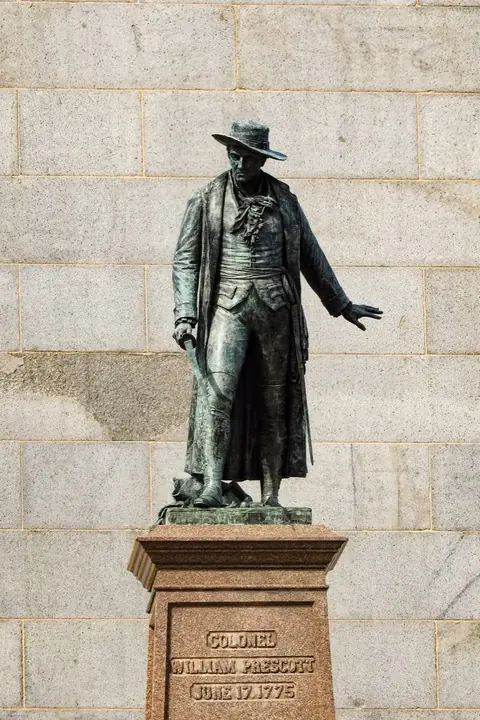
A granite obelisk, the Revolutionary War Monument erected in 1799, is described by Wikipedia as the oldest memorial to the Revolution. The Captain Parker statue, Henry Hudson Kitson's bronze known as The Lexington Minuteman, stands at the eastern corner of the green and was funded by a bequest from Francis Brown Hayes; most sources date it to 1900, though one caption says 1899. Seven of the eight militiamen killed were reburied in 1835. A plaque from 1910 marks the original site of the Old Belfry, which a gale destroyed in 1909. Buckman Tavern, a gathering place for the militia that morning, stands across Bedford Street and is also a National Historic Landmark.
The Green was designated a National Historic Landmark on January 20, 1961, and listed on the National Register of Historic Places on October 15, 1966. It is one of eight places in the United States where the flag is authorized to fly around the clock, and the flagpole was dedicated in 1976 for the Bicentennial.
Lexington is a short drive from central Boston and is a straightforward addition to a private day, particularly alongside other Revolutionary sites. With Voyzo, your driver can collect you at your door, take you to Lexington, wait while you walk the common and the nearby sites, and carry on to your next stop. Check the Town of Lexington and the individual site operators for current hours, tours and access.
See every tour and attraction we cover in Boston.