TorontoOntario · 36 tours
 Niagara FallsOntario · 25 tours
 New York CityNew York · 30 tours
 Las VegasNevada · 8 tours
 San FranciscoCalifornia · 16 tours
 VancouverBritish Columbia · 17 tours
 DubaiUAE · 54 tours
 Abu DhabiUAE · 5 tours
 Buenos AiresArgentina · 23 tours
 AthensGreece · 31 tours
 AucklandNew Zealand · 38 tours
 CancunMexico · 54 tours
No destinations match “”. Try searching all tours instead — that search understands full questions, not just place names.
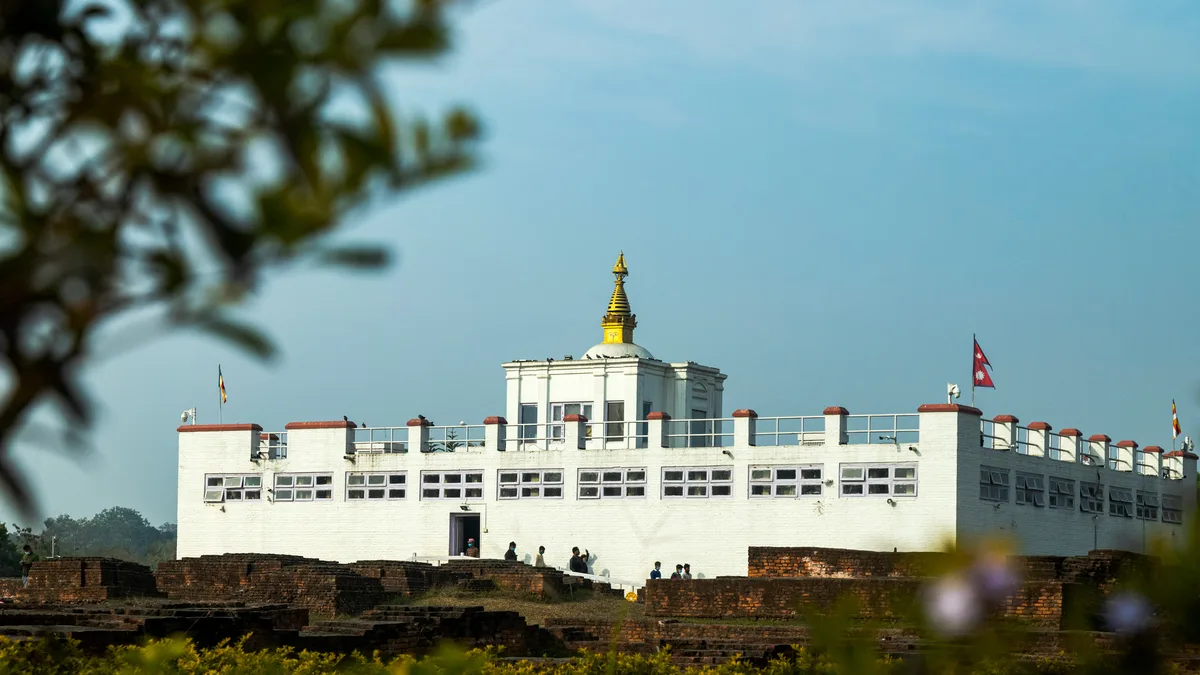
The birthplace of Siddhartha Gautama (the Buddha) in Nepal's Terai lowlands, a UNESCO World Heritage pilgrimage site centered on the Maya Devi Temple and the Ashoka Pillar marking his birth spot.
 Multi-Day Tours
A 10-day route through Kathmandu's four UNESCO World Heritage Sites, Chitwan National Park's jungle, Buddha's birthplace at Lumbini, and Pokhara's lakeside beneath the Annapurna range.
 Multi-Day Tours
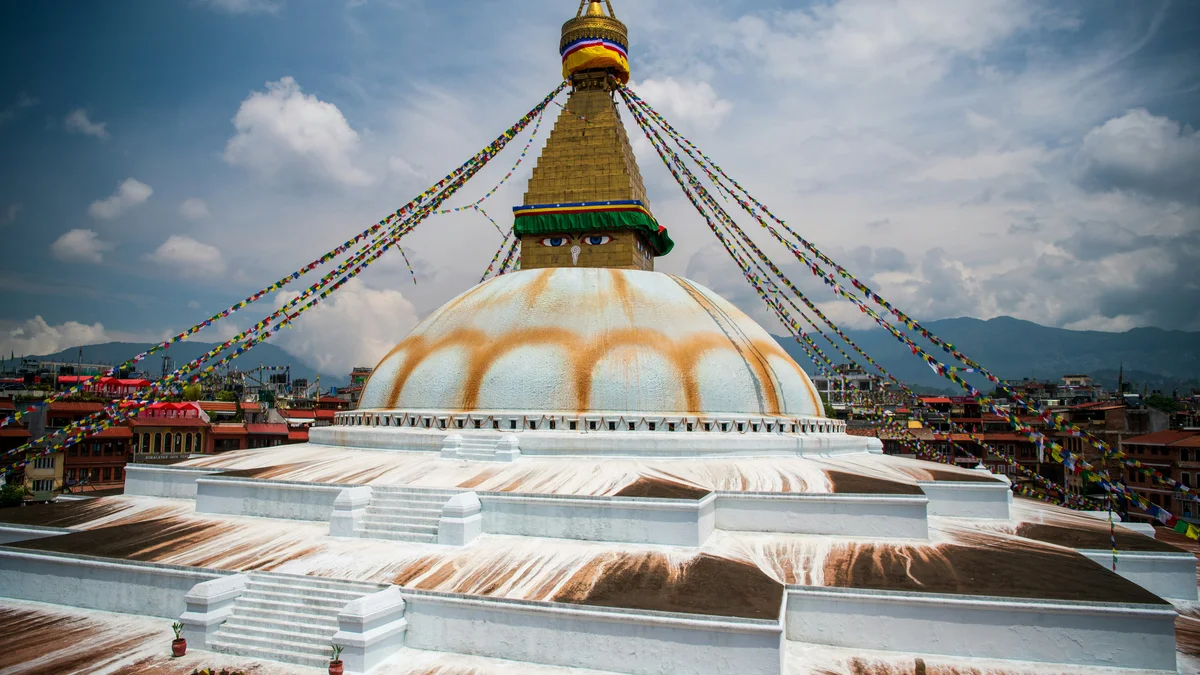
A 9-day pilgrimage tracing Nepal's Buddhist sites — the meditation caves of Patan, Boudhanath and Swayambhunath stupas, Lumbini where Buddha was born, and the sacred hill of Namobuddha.
Visitor guide
Lumbini is a Buddhist pilgrimage site in the Rupandehi District of Lumbini Province in Nepal. According to sacred texts and Buddhist commentaries, Queen Maya gave birth to Siddhartha Gautama, the Buddha, here; the date is traditional and varies by source, with UNESCO's listing giving 623 BC and other estimates around 563 BCE. It is one of four sacred pilgrimage sites pivotal in the life of the Buddha, and UNESCO made it a World Heritage Site in 1997.
The name Lumbini means the lovely or beautiful garden. Wikipedia says the site was not known as Lumbini until a monolithic stone pillar with a Brahmi inscription was discovered at Rupandehi in 1896 by the Nepalese general Khadga Shamsher Jang Bahadur Rana and the archaeologist Alois Anton Fuhrer, who used records of the Chinese pilgrims Faxian and Xuanzang. The inscription records that the king Devanampriya Priyadarsin, identified with the Mauryan emperor Ashoka, visited in the third century BCE, worshipped at the spot because the Buddha was born there, and exempted the village of Lumbini from taxes. A second inscription at the top of the pillar was added by King Ripumalla in the 13th or 14th century. Two other Ashokan pillars stand nearby at Nigali Sagar and Gotihawa.
The Lumbini complex is 4.8 kilometres long and 1.6 kilometres wide and is divided into three areas: the Sacred Garden, the Monastic Zone, and the Cultural Centre and New Lumbini Village. The Sacred Garden is the heart of the site. It contains the Mayadevi Temple, traditionally considered the Buddha's birthplace, the Ashoka Pillar, a marker stone, a nativity sculpture, the ruins of ancient monasteries and stupas, a sacred Bodhi tree, and the Puskarini pond. Tradition holds that Mayadevi took ritual cleansing in this pond before the birth and that the infant Buddha was first bathed there.
The holy site is bordered by a large monastic zone in which, Wikipedia says, only monasteries can be built, with no shops, hotels or restaurants permitted. The zone is split into an eastern part with Theravada monasteries and a western part with Mahayana and Vajrayana monasteries, separated by a long canal and a pedestrian walkway. Many countries have built stupas and monasteries here, each reflecting its own architectural tradition. The Cultural Centre includes the Lumbini Museum, the Lumbini International Research Institute, the World Peace Pagoda of Japan and the Lumbini Crane Sanctuary. Pilgrims from various countries chant and meditate at the site from early morning until evening.
Lumbini lies in Nepal's southern Terai lowlands, away from the main Kathmandu and Pokhara circuits, so it is normally visited as part of a longer route. A private tour with a driver and guide helps travellers cover the distances and understand the Buddhist context, from the Ashoka Pillar to the monasteries built by different countries. It is a place of worship, so visitors are expected to behave respectfully.
See every tour and attraction we cover in Nepal.