TorontoOntario · 36 tours
 Niagara FallsOntario · 25 tours
 New York CityNew York · 30 tours
 Las VegasNevada · 8 tours
 San FranciscoCalifornia · 16 tours
 VancouverBritish Columbia · 17 tours
 DubaiUAE · 54 tours
 Abu DhabiUAE · 5 tours
 Buenos AiresArgentina · 23 tours
 AthensGreece · 31 tours
 AucklandNew Zealand · 38 tours
 CancunMexico · 54 tours
No destinations match “”. Try searching all tours instead — that search understands full questions, not just place names.
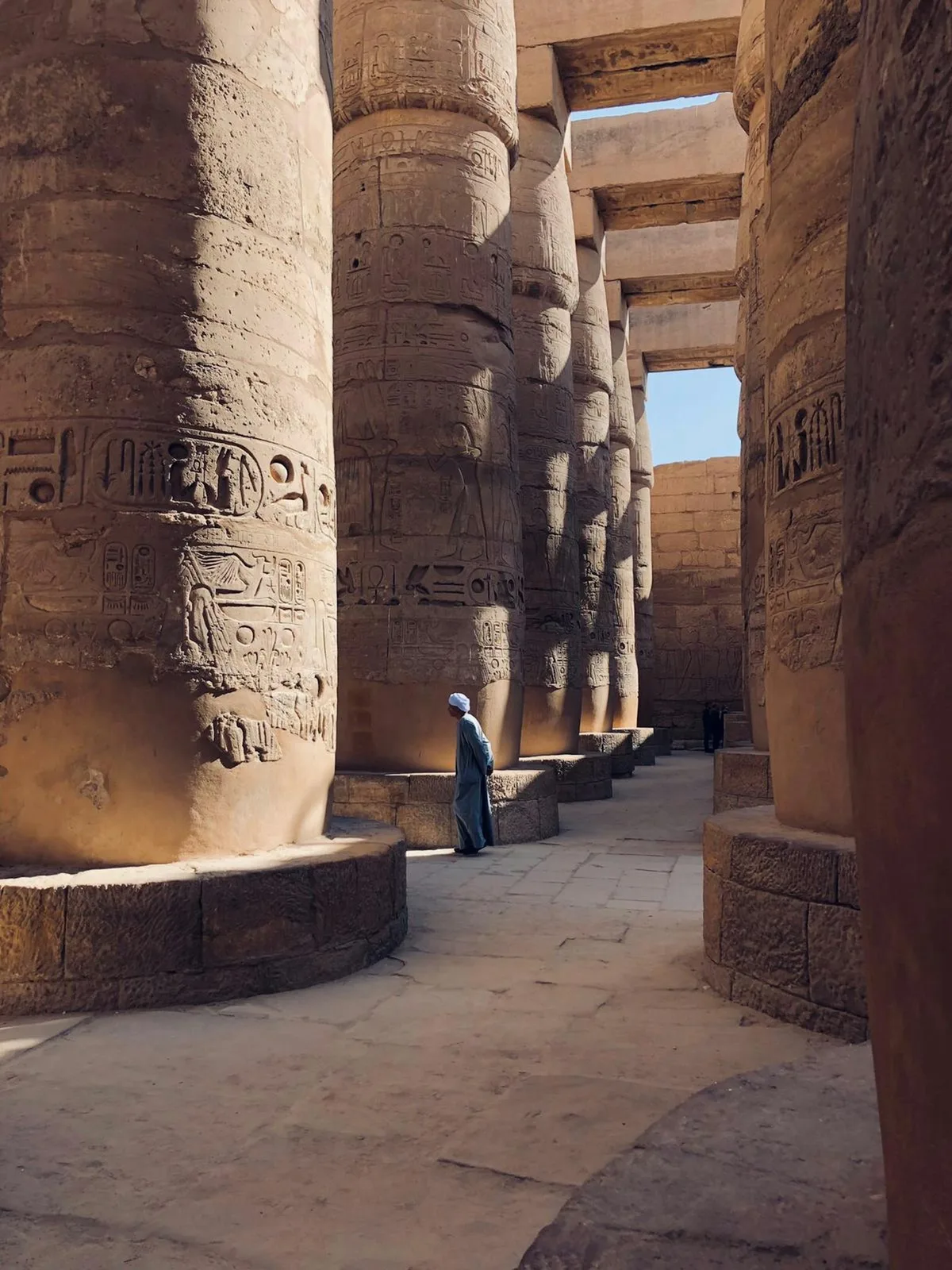
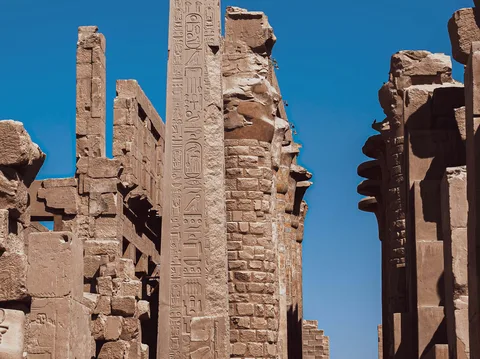
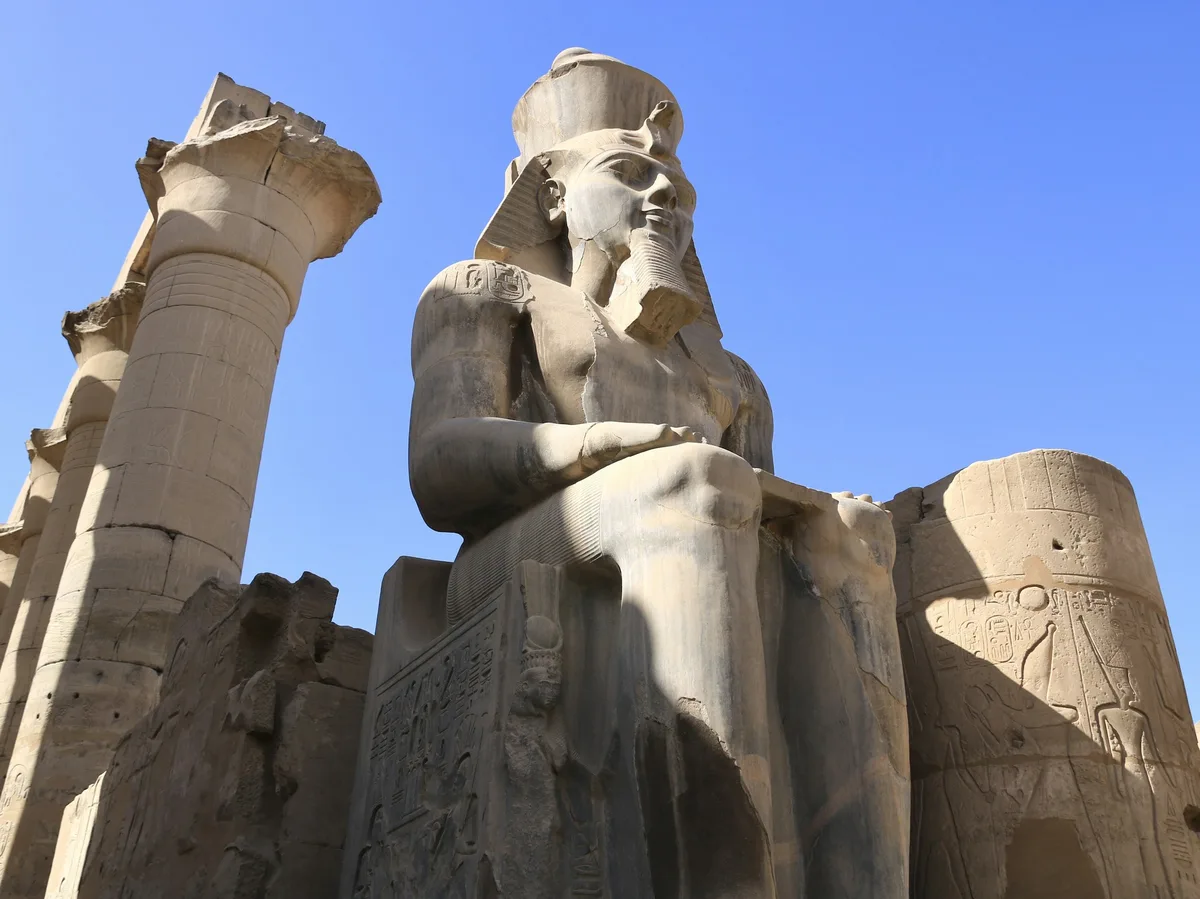
A large Ancient Egyptian temple complex on the east bank of the Nile in Luxor, built primarily by Amenhotep III and Ramesses II, with a colonnade and pylon that remain largely intact and are illuminated at night.
 Multi-Day Tours Popular Pick
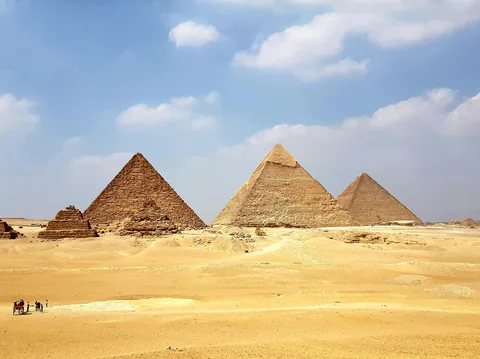
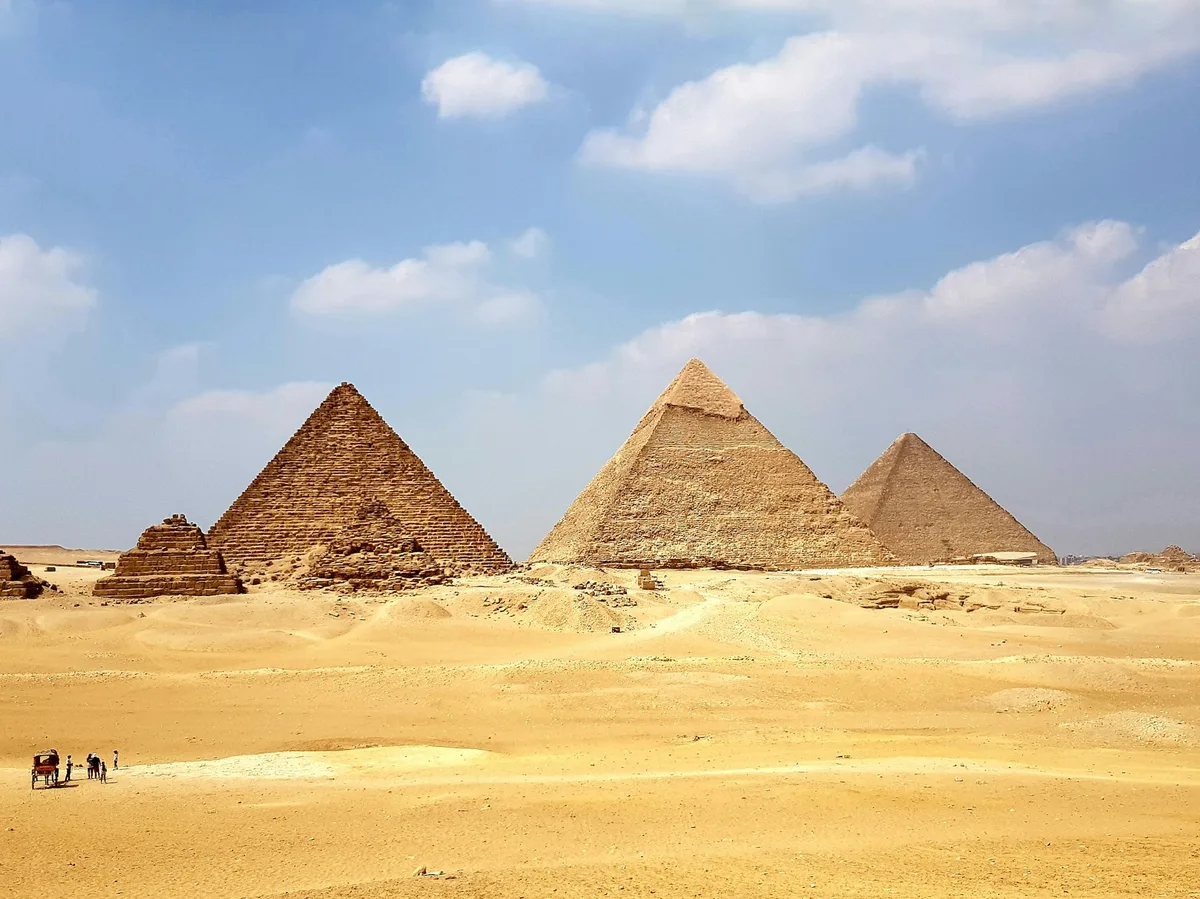
Ten days through Egypt's greatest hits — the Giza Plateau, a Luxor-to-Aswan Nile cruise, Abu Simbel, and Cairo's museums — with a private guide and driver throughout.
 Multi-Day Tours
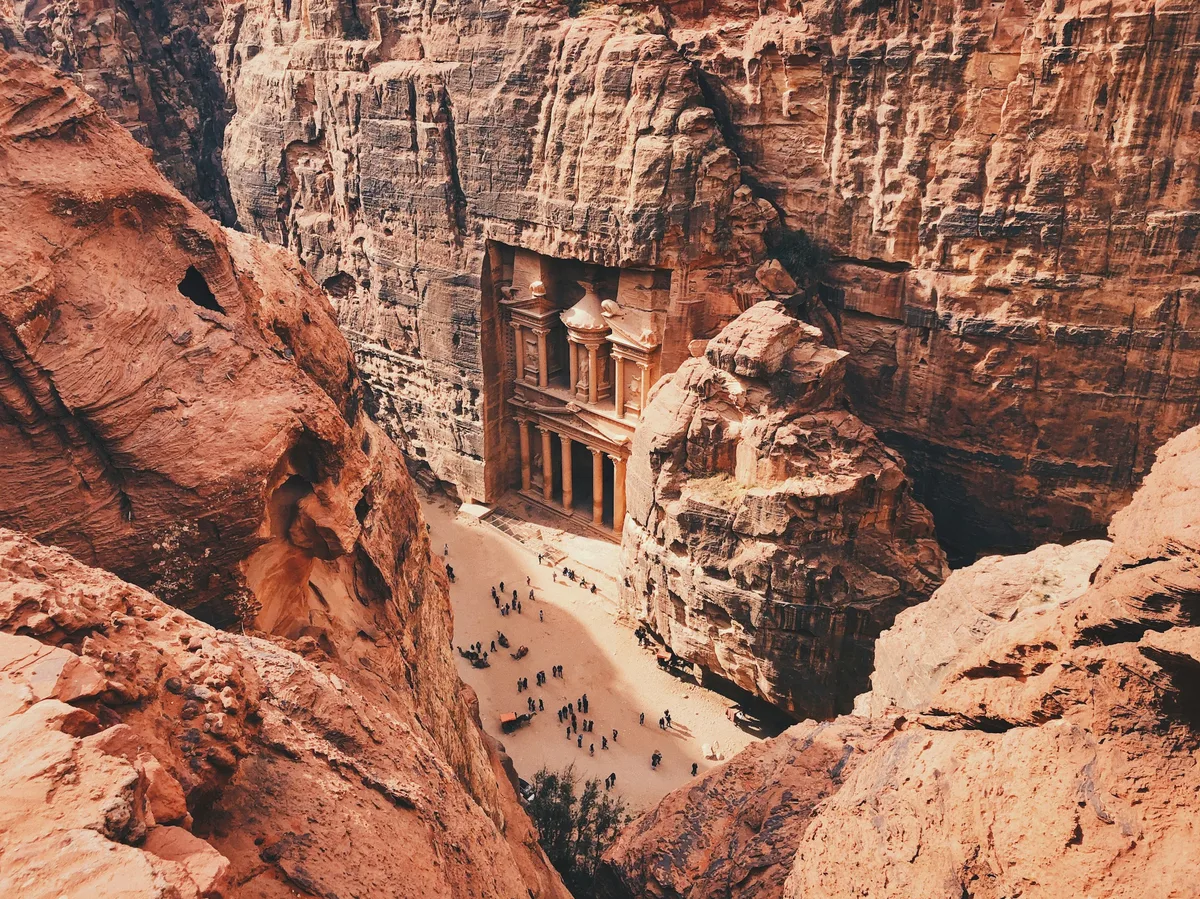
A two-country adventure that opens with Cairo, Luxor, and a Nile cruise to Aswan, then continues overland into Jordan to Petra, Wadi Rum, and the Dead Sea.
 Multi-Day Tours
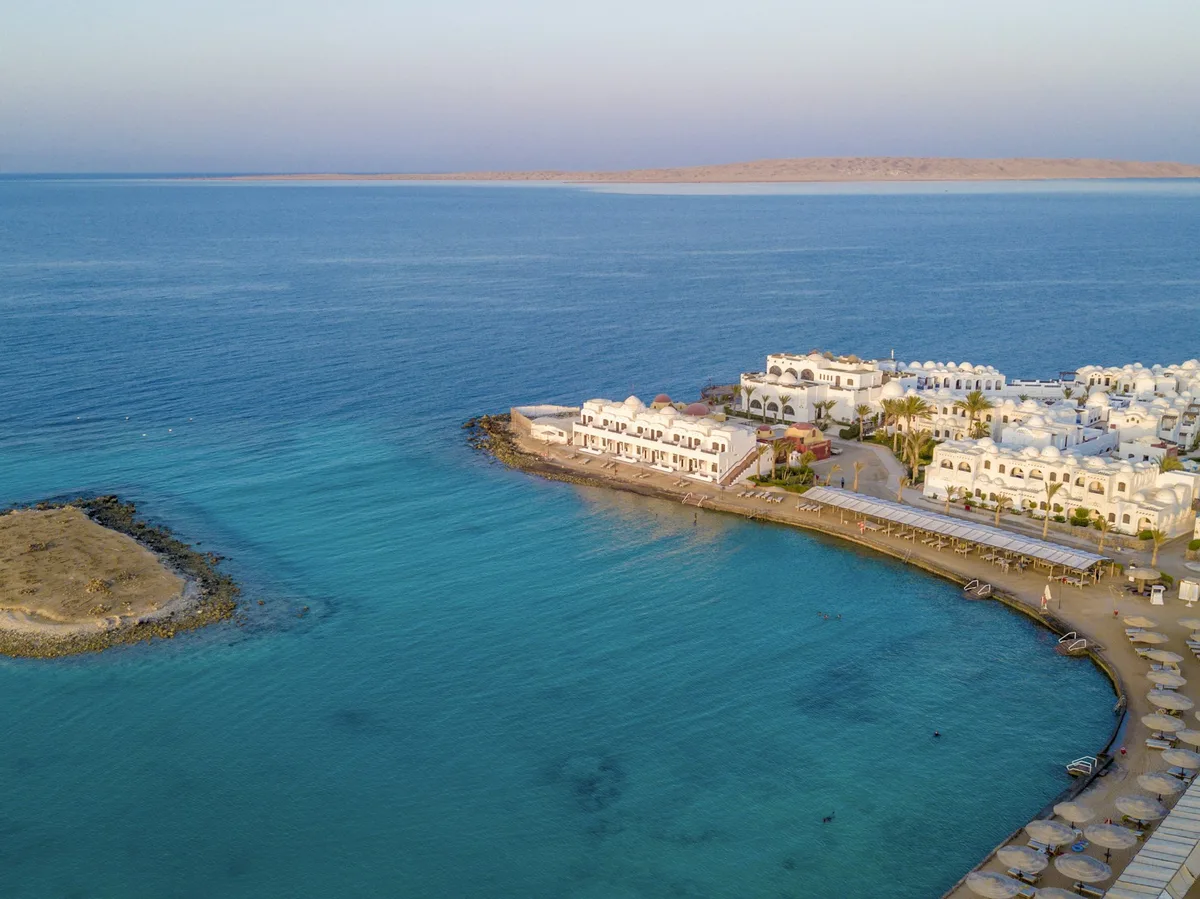
Two weeks combining Cairo's ancient sites, a Nile cruise from Aswan to Luxor, and four unhurried days on the Red Sea coast at Hurghada.
 Multi-Day Tours
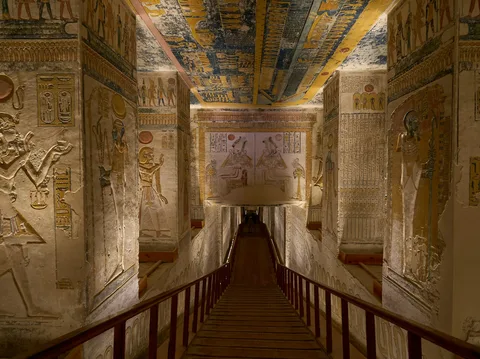
A compact five-day introduction to Egypt's essentials — the Giza Plateau, the Egyptian Museum, Islamic and Coptic Cairo, and Luxor's temples and tombs, with a short domestic flight between the two cities.
Visitor guide
Luxor Temple is a large ancient Egyptian temple complex on the east bank of the Nile in the city of Luxor, ancient Thebes. Built of sandstone around 1400 BC according to Wikipedia, it was known to the Egyptians as the southern sanctuary and is part of the Ancient Thebes with its Necropolis UNESCO World Heritage Site.
Unlike many Theban temples, Luxor Temple was not dedicated to a cult god or a deified pharaoh. Wikipedia describes it as devoted to the rejuvenation of kingship, and possibly a place where many pharaohs were crowned, in reality or conceptually. The Epigraphic Survey team offers a different reading, arguing that it was dedicated to the cult of the Royal Ka, the king's life force as embodied in cult statues. Built in the New Kingdom, it was linked to the Theban Triad of Amun, his consort Mut and their son Khonsu.
The sandstone came from Gebel el-Silsila. Amenhotep III built the rear chapels and much of the core, and Tutankhamun and Ramesses II also contributed parts of the temple. Alexander the Great is also credited with a sanctuary chapel. The layout includes a pylon, a colonnade, courts and a sanctuary, with colossal seated statues of Ramesses II before the pylon and at the entrance to the Grand Colonnade. The two obelisks that flanked the entrance were not the same height, though their placement made them look equal. The smaller western obelisk now stands at the Place de la Concorde in Paris.
The temple's main event was the annual Opet Festival, when a cult statue of Amun was carried by river from Karnak to stay at Luxor with Mut. The Avenue of Sphinxes, known anciently as the path of god, ran in a nearly straight line of about 2.7 km between Luxor Temple and Karnak. Six barque shrines along the route served as way stations for the gods' boats during processions.
In the Roman era the temple and its surroundings served as a legionary fortress and seat of local government. A chapel was converted into a Tetrarchy cult chapel and later a church; Wikipedia says part of the temple became a church in 395, and around 640 a mosque was founded there. The active Abu Haggag Mosque still stands inside the temple, built on the ancient columns. It gives the site a long record of continuous worship.
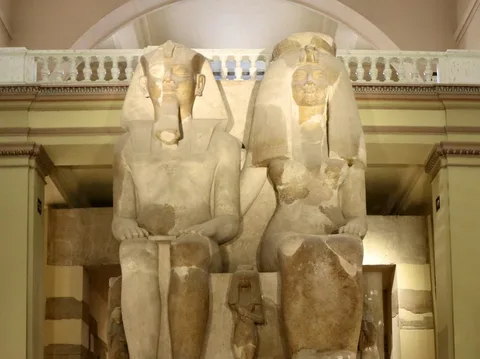
Over the centuries Luxor's population settled in and around the temple, and rubble built up into an artificial hill about 14.5 to 15 m high, burying three quarters of the temple. Gaston Maspero began excavating after 1884, but work was sporadic until 1960, and clearing the site required removing buildings. The mosque was never removed. Among the artifacts visitors can see is a double statue of Amun and Mut showing the features of Tutankhamun and his queen Ankhesenamun.
The temple sits in the middle of Luxor, and a private guided visit lets a guide link it to Karnak through the processional route.
See every tour and attraction we cover in Egypt.