TorontoOntario · 36 tours
 Niagara FallsOntario · 25 tours
 New York CityNew York · 30 tours
 Las VegasNevada · 8 tours
 San FranciscoCalifornia · 16 tours
 VancouverBritish Columbia · 17 tours
 DubaiUAE · 54 tours
 Abu DhabiUAE · 5 tours
 Buenos AiresArgentina · 23 tours
 AthensGreece · 31 tours
 AucklandNew Zealand · 38 tours
 CancunMexico · 54 tours
No destinations match “”. Try searching all tours instead — that search understands full questions, not just place names.
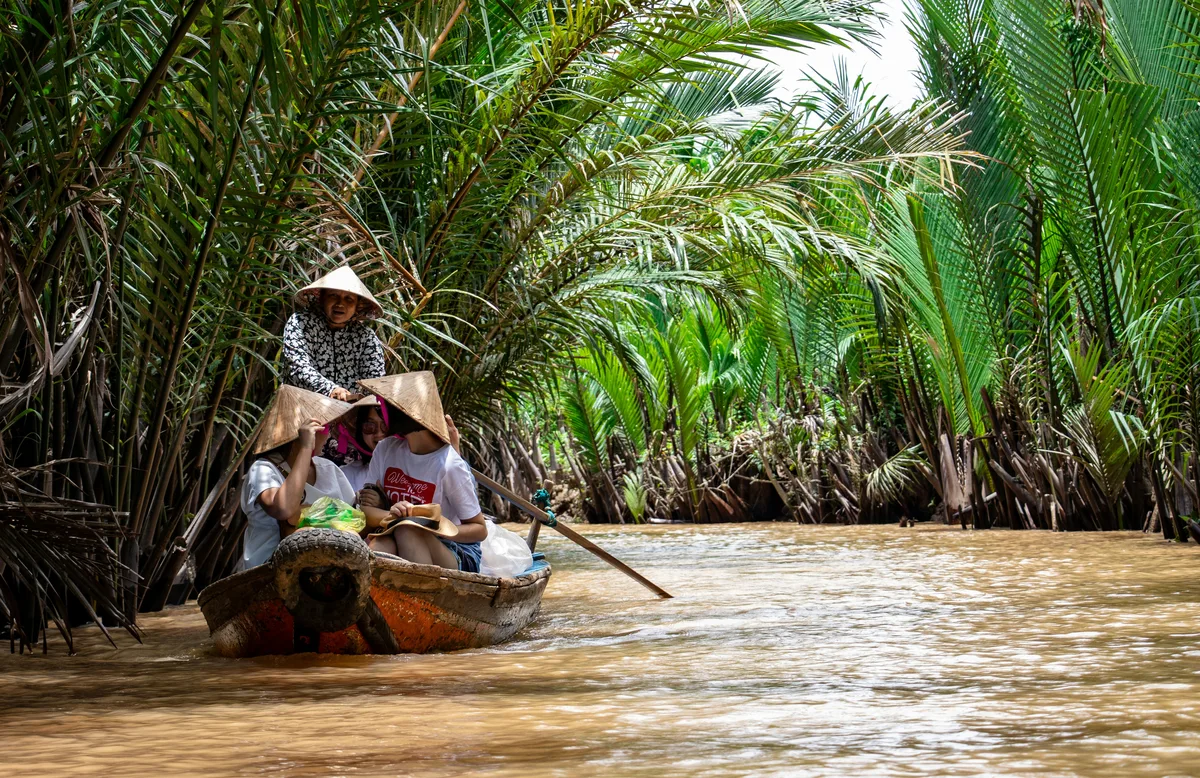
Vietnam's low-lying rice basket, a maze of rivers, floating markets, and canal-side villages south of Ho Chi Minh City, best explored by small boat.
 Multi-Day Tours
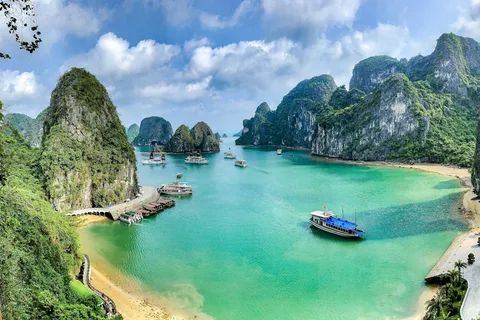
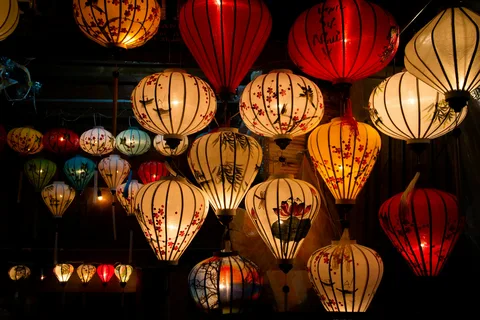
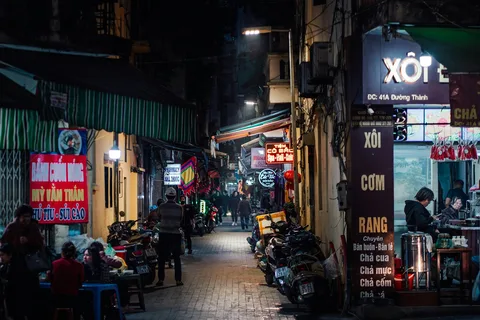
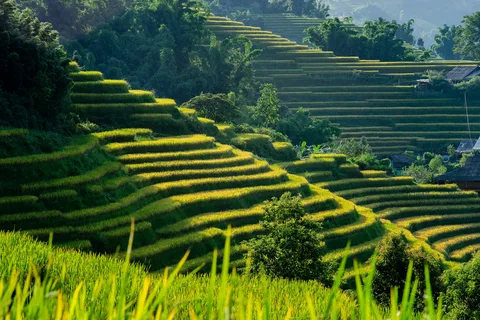
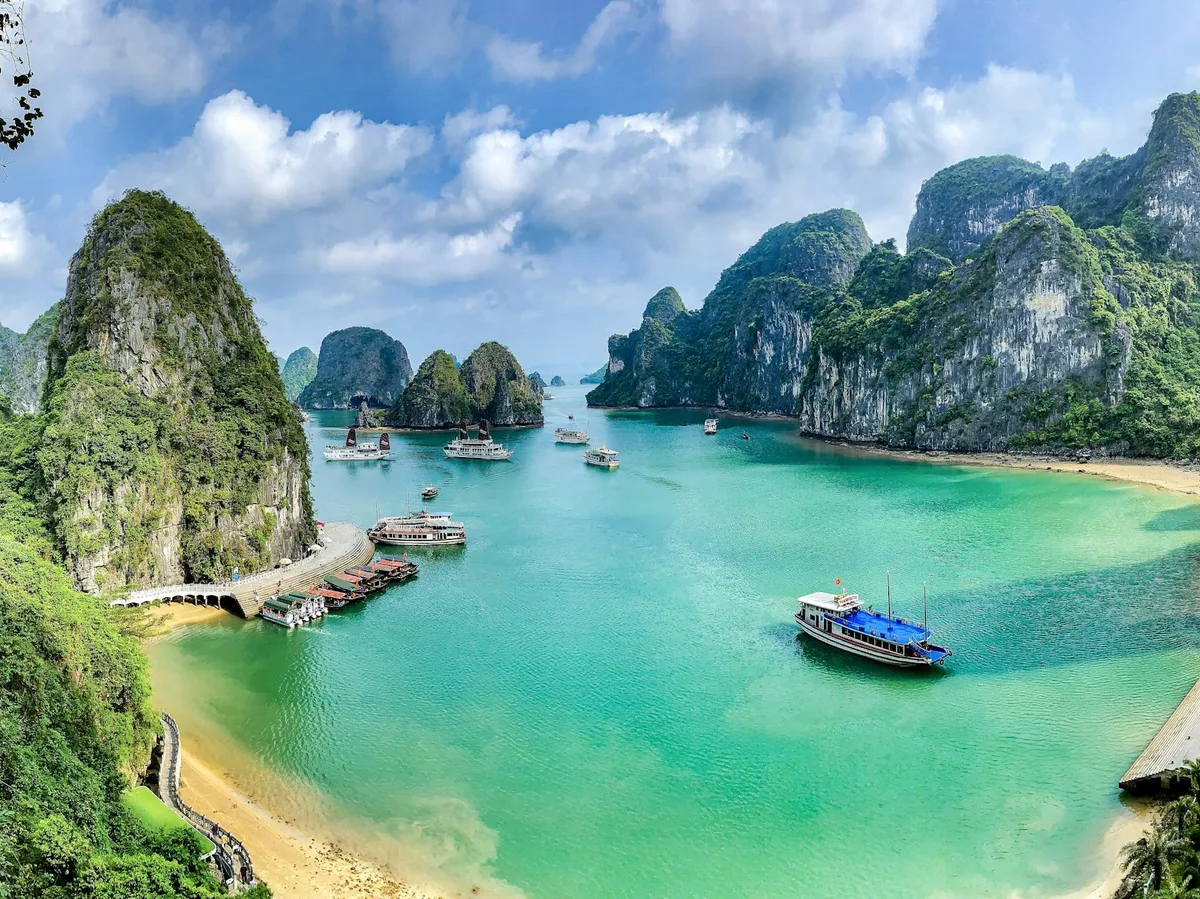
A 12-day private circuit from Hanoi's Old Quarter and Sapa's rice terraces to an overnight Ha Long Bay cruise, Hue's Imperial Citadel, Hoi An's Ancient Town, and the Mekong Delta from Ho Chi Minh City.
 Multi-Day Tours
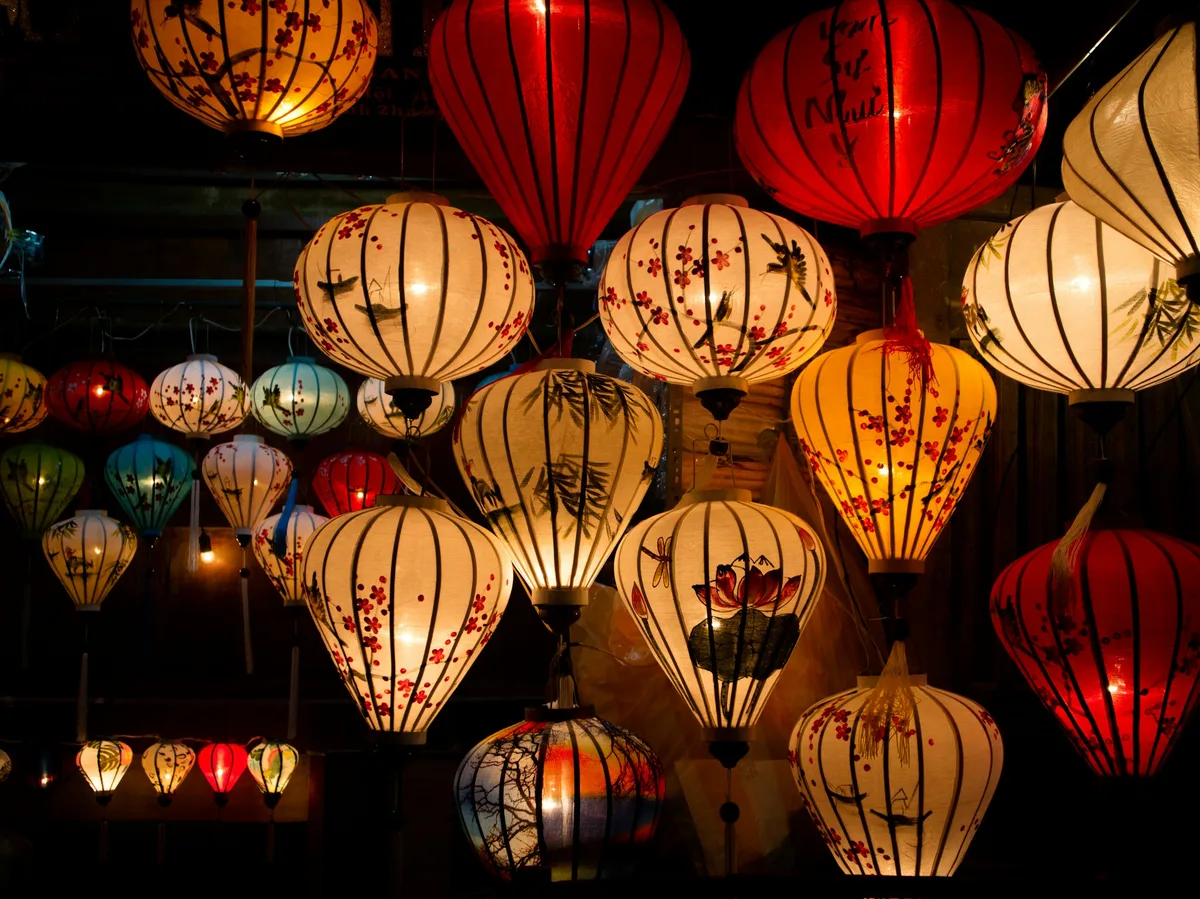
An 8-day, food-focused loop from Hanoi's Old Quarter street food and a Lan Ha Bay cruise, to a Vespa countryside tour and workshops in Hoi An, Ho Chi Minh City's French Quarter, and a cooking class and homestay in the Mekong Delta town of Bến Tre.
Visitor guide
The Mekong Delta is the low-lying region of southwestern Vietnam where the Mekong River splits into a network of distributaries before reaching the sea. Known in Vietnamese as Dong bang song Cuu Long, often rendered "Nine Dragon River Delta", it is one of the country's most productive farming and fishing regions and a landscape where much of daily life is organised around water.
According to Wikipedia, the region covers more than 40,500 square kilometres, though the area covered by water shifts with the seasons. Its soil is mostly sediment laid down by the Mekong and its tributaries over thousands of years, and Holocene records show about 200 kilometres of seaward growth over the last 6,000 years. The river carries well over 160 million tonnes of sediment a year, although upstream dams and sand mining have reduced the load, and the delta is reported to have shifted from net growth to net erosion around 2005.
The region includes provinces such as Dong Thap, An Giang, Vinh Long and Ca Mau, along with the municipality of Can Tho, its largest city and economic centre. My Tho lies in the east, Chau Doc and Ha Tien in the northwest, and Ca Mau at the southern tip. About 19 million people lived here in 2022, mostly ethnic Vietnamese, with significant Khmer, Cham Muslim and Hoa (ethnic Chinese) minorities. The delta has the largest Khmer population outside Cambodia, concentrated in Tra Vinh and Soc Trang, and early sites such as Oc Eo and Angkor Borei point to trading networks from the Funan era.
Rice dominates farming. Roughly 2.6 million hectares are cultivated, about a quarter of Vietnam's total, and the region produced about 55 percent of national rice output in 2011. It is also Vietnam's most productive fishing region, with about two-thirds of fishery output coming from aquaculture. River trade gave rise to floating markets such as the one at Cai Rang near Can Tho, which sources describe as a working wholesale market, best seen in the early morning, where boats advertise their goods with samples hung from tall poles. Travel guides note that trade there has become lighter than in the past.
Many villages are reached by water, and the delta is the home of cai luong, a folk opera that emerged in the early twentieth century. Cuisine leans on fresh seafood, palm sugar, basa fish and wild herbs. More than 1,000 animal species were recorded in the delta between 1997 and 2007, but forest covers only about 7.7 percent of the region, mainly in Ca Mau and An Giang.
The delta is highly vulnerable to climate change. A 2019 study cited by Wikipedia put the mean elevation at about 0.82 metres, with some 75 percent of land below one metre, and the region faces flooding, saline intrusion and subsidence of roughly 1.1 centimetres a year. Responses include mangrove restoration and coastal management programmes. Seeing the delta with a guide and a private driver for the road legs from Ho Chi Minh City lets visitors focus on the waterways, orchards and market towns themselves.
See every tour and attraction we cover in Vietnam.