TorontoOntario · 36 tours
 Niagara FallsOntario · 25 tours
 New York CityNew York · 30 tours
 Las VegasNevada · 8 tours
 San FranciscoCalifornia · 16 tours
 VancouverBritish Columbia · 17 tours
 DubaiUAE · 54 tours
 Abu DhabiUAE · 5 tours
 Buenos AiresArgentina · 23 tours
 AthensGreece · 31 tours
 AucklandNew Zealand · 38 tours
 CancunMexico · 54 tours
No destinations match “”. Try searching all tours instead — that search understands full questions, not just place names.
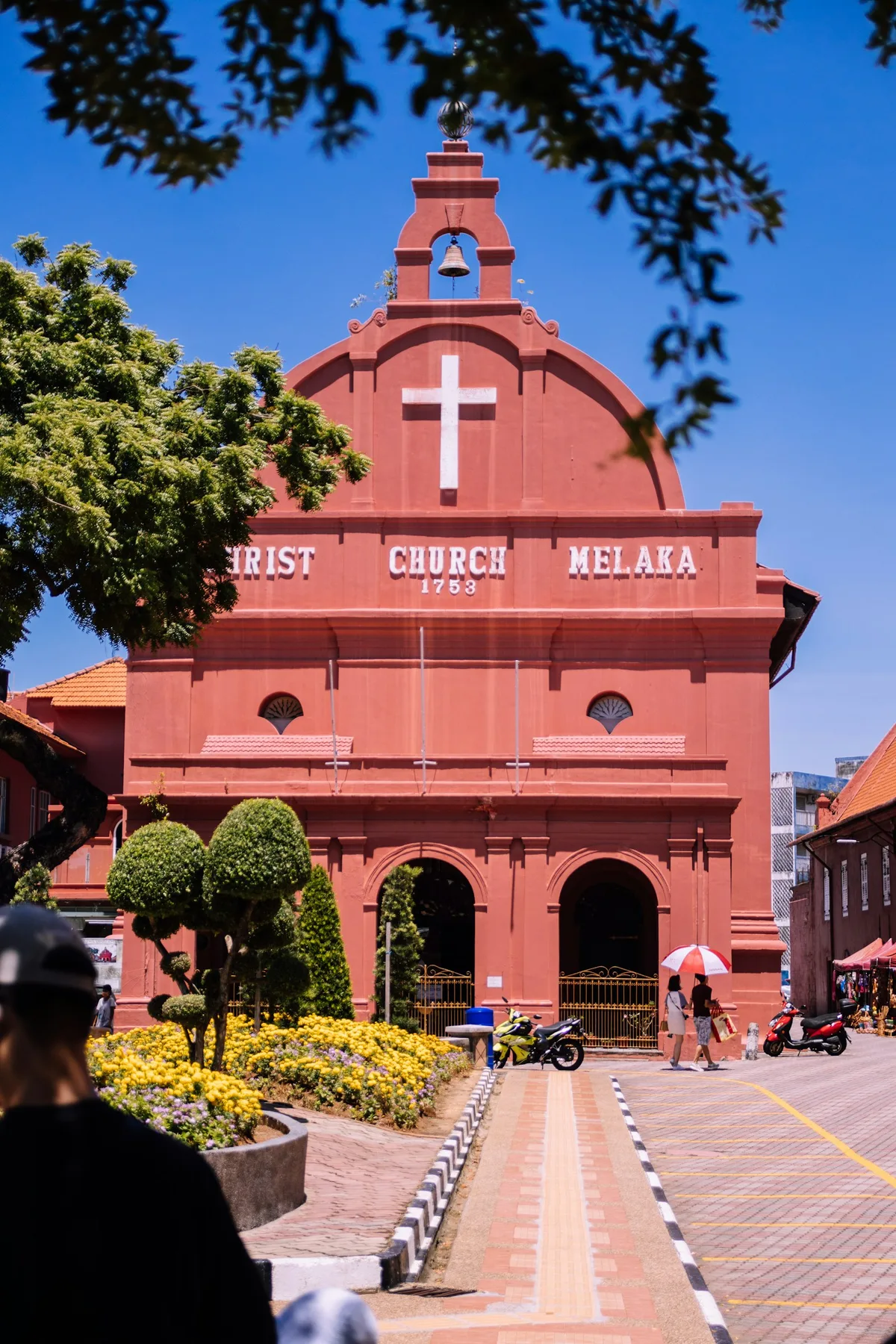
A UNESCO World Heritage port city shaped by roughly 500 years of trade and cultural exchange, from the Malay sultanate through the Portuguese, Dutch and British periods, centered on the red Stadthuys square and the lantern-lit shophouses of Jonker Street.
 Multi-Day Tours
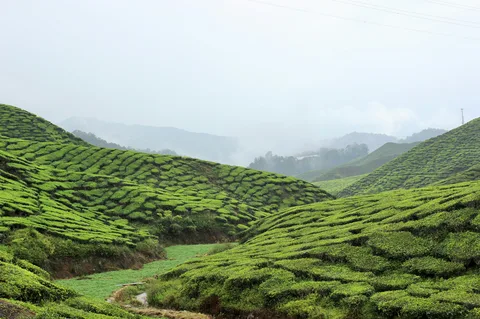
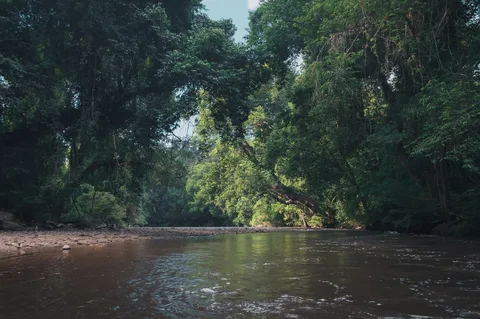
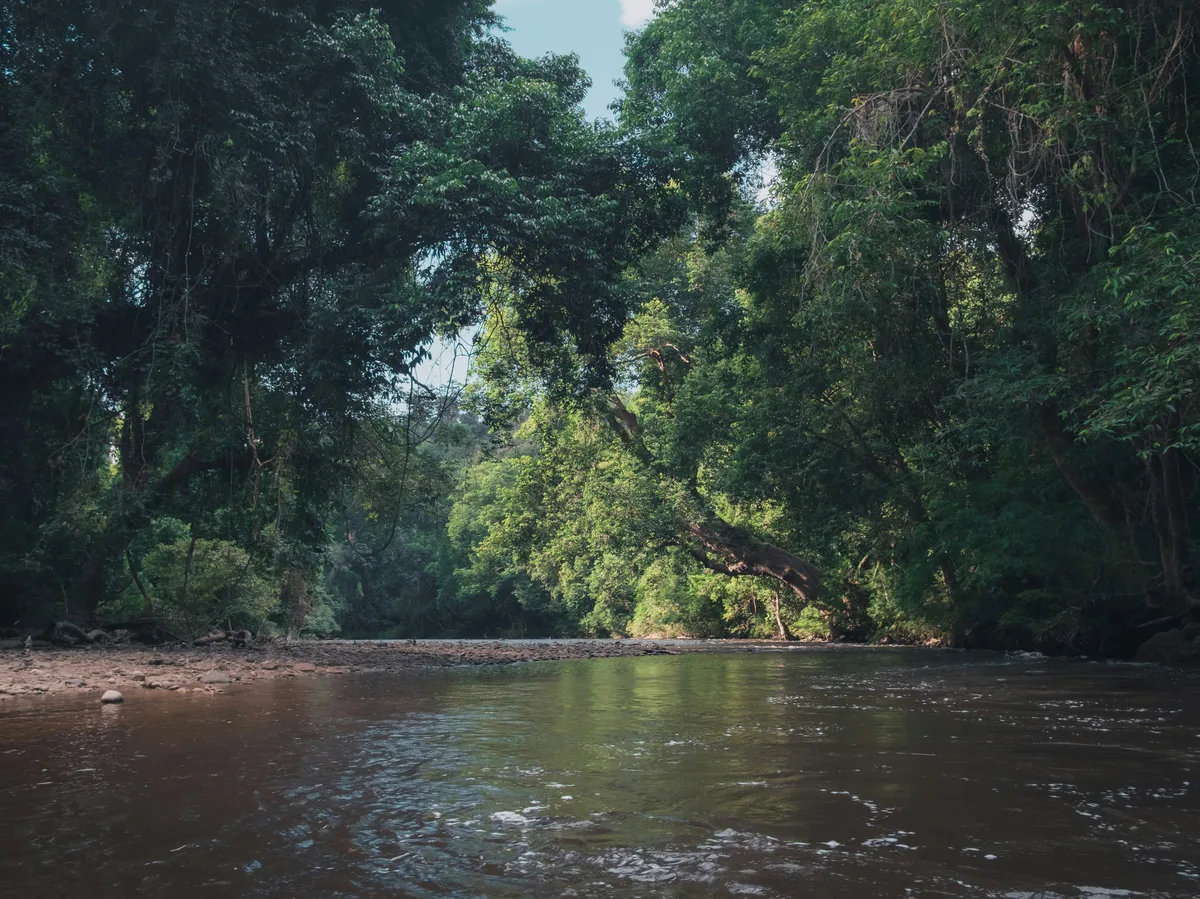
A 12-day classic route from historic Malacca and cosmopolitan Kuala Lumpur into Taman Negara, one of the world's oldest tropical rainforests, then up to the Cameron Highlands' tea country and Penang's heritage streets.
 Multi-Day Tours
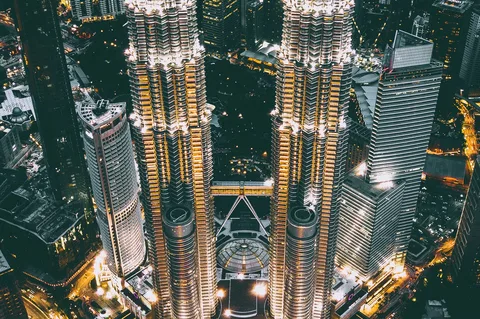
A 12-day deep dive along Malaysia's west coast — the trading-port heritage of Malacca, the skyline of Kuala Lumpur, jungle trekking in Taman Negara, tea country in the Cameron Highlands, Penang's heritage streets, and three nights unwinding in Langkawi.
 Multi-Day Tours
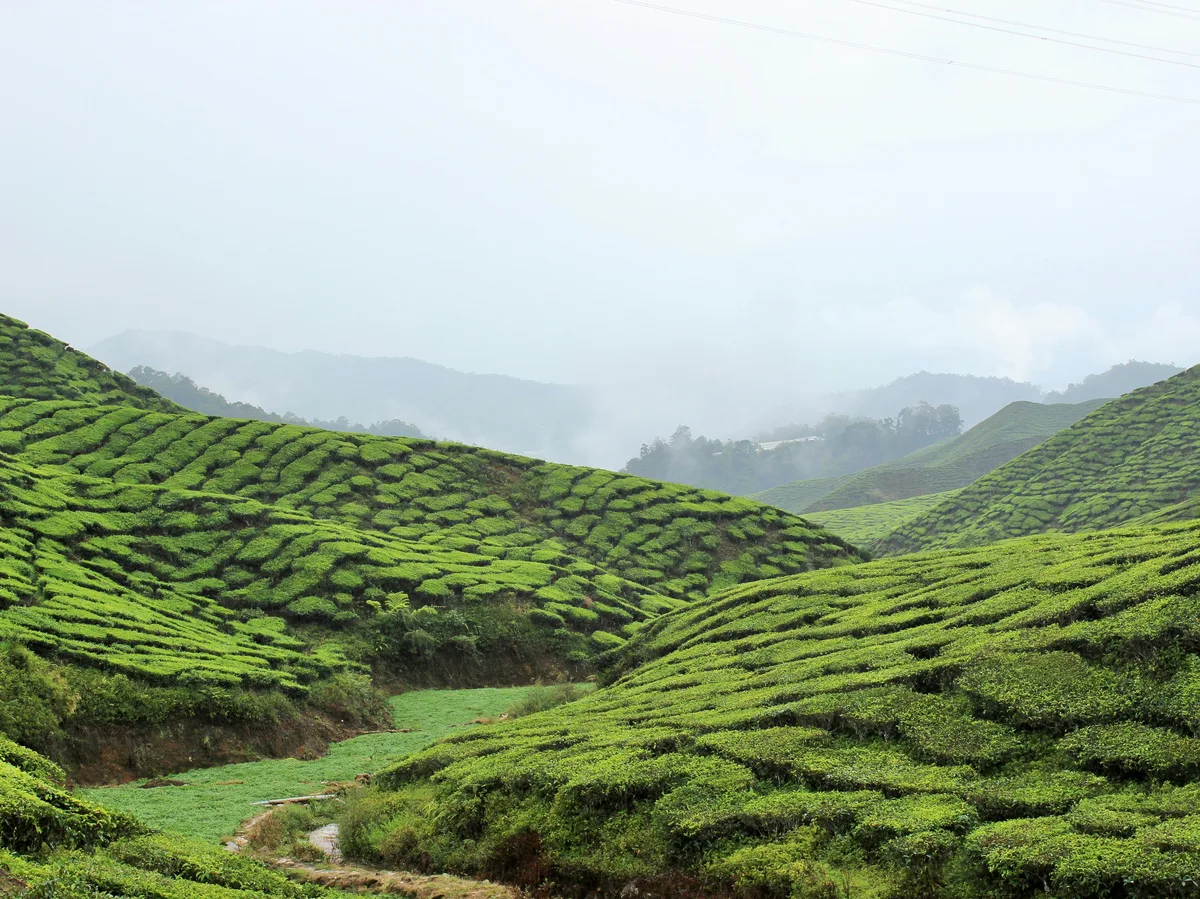
An 8-day cultural route up the length of Peninsular Malaysia — Malacca's UNESCO heritage streets, Kuala Lumpur's landmarks and food scene, the tea plantations of the Cameron Highlands, and Penang's heritage walking tours.
 Multi-Day Tours
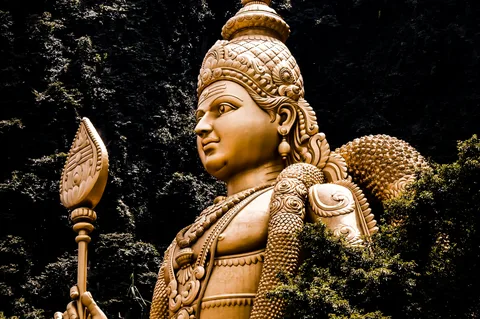
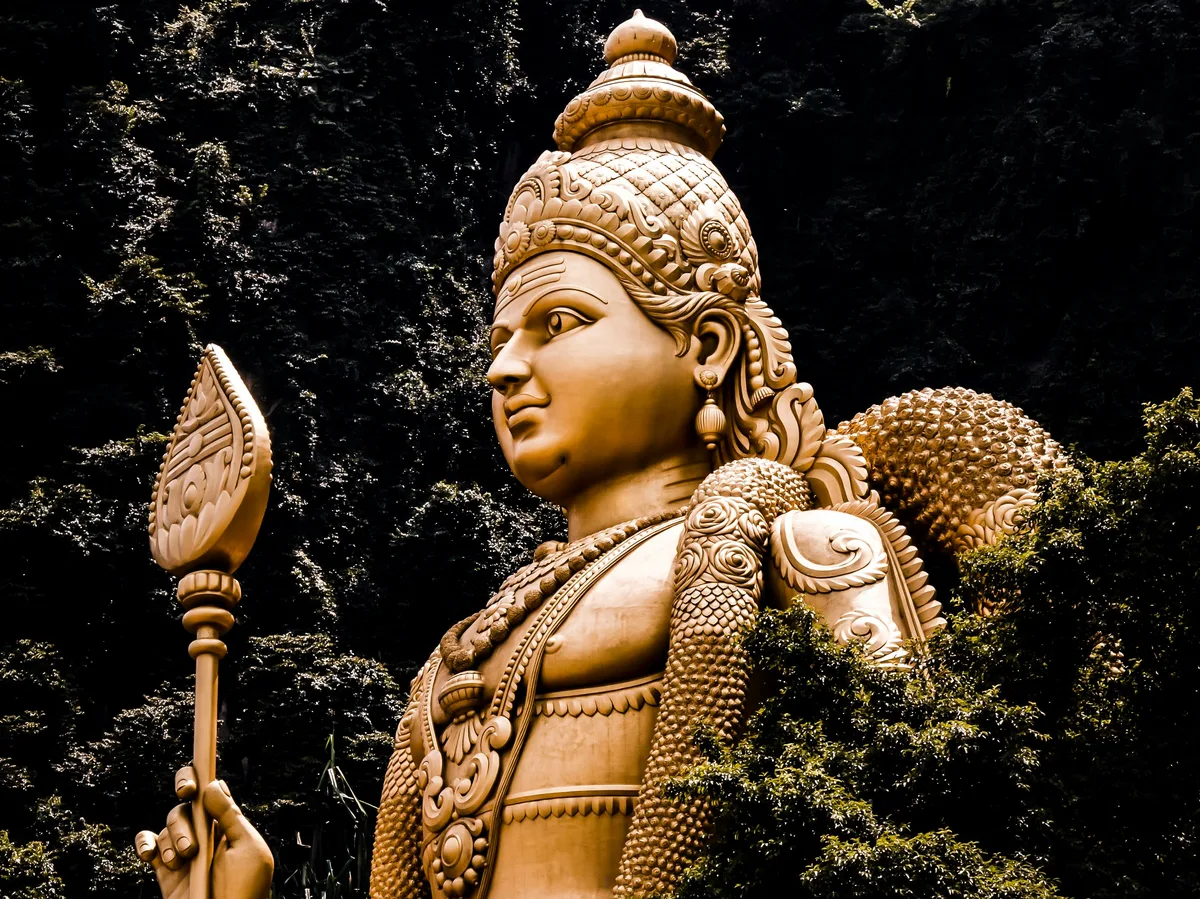
A 12-day journey through Peninsular Malaysia's full range of landscapes — Kuala Lumpur and Batu Caves, the Cameron Highlands' Mossy Forest, two nights deep in the 130-million-year-old Belum-Temenggor Rainforest, Penang, Langkawi's islands, and historic Melaka.
 Multi-Day Tours
A 12-day family-friendly circuit through Malaysia — Batu Caves and the Petronas Towers in Kuala Lumpur, the Mossy Forest and Mount Brinchang in the Cameron Highlands, Penang's Georgetown, beach time in Langkawi, family time in Johor Bahru, and historic Melaka.
Visitor guide
Melaka, also spelled Malacca, is a historic port city on the Strait of Malacca in Malaysia and the capital of the state of Malacca. It was listed as a UNESCO World Heritage Site in 2008, together with George Town in Penang. The city grew from a Malay sultanate into a Portuguese, Dutch and then British possession, and its red Dutch-era buildings, fort gateway and riverside streets reflect that layered past.
According to Wikipedia, Malacca City was founded in 1396 by Parameswara, a Sumatran prince who fled to the Malay Peninsula, and the Malacca Sultanate was established in 1400. It became a successful entrepot that drew traders from the Middle East, South Asia and East Asia. One legend, and it is only a legend, says Parameswara named the place after a Malacca tree under which he sat when he saw a tiny mouse deer challenge hunting dogs.
The Portuguese captured the city on 15 August 1511 under Afonso de Albuquerque and built the fortress A Famosa, meaning The Famous. The Dutch East India Company captured it in 1641 in cooperation with Johor. The Dutch then expanded the fort, and the British took over in 1825 under the Anglo-Dutch Treaty of 1824, integrating Malacca into the Straits Settlements. Japan occupied the city from 1942 to 1945.
A Famosa was a Portuguese fortress built around 1512, and its oldest part was a five-storey keep. The British destroyed most of the fortress in 1811. Today the Porta de Santiago gateway and the rebuilt Middelburg Bastion are the only parts that remain, and the name A Famosa now most often refers to the gate. St. Paul's Hill nearby is where the Governor's Museum, the Malacca Literature Museum and the Malacca Light are located.
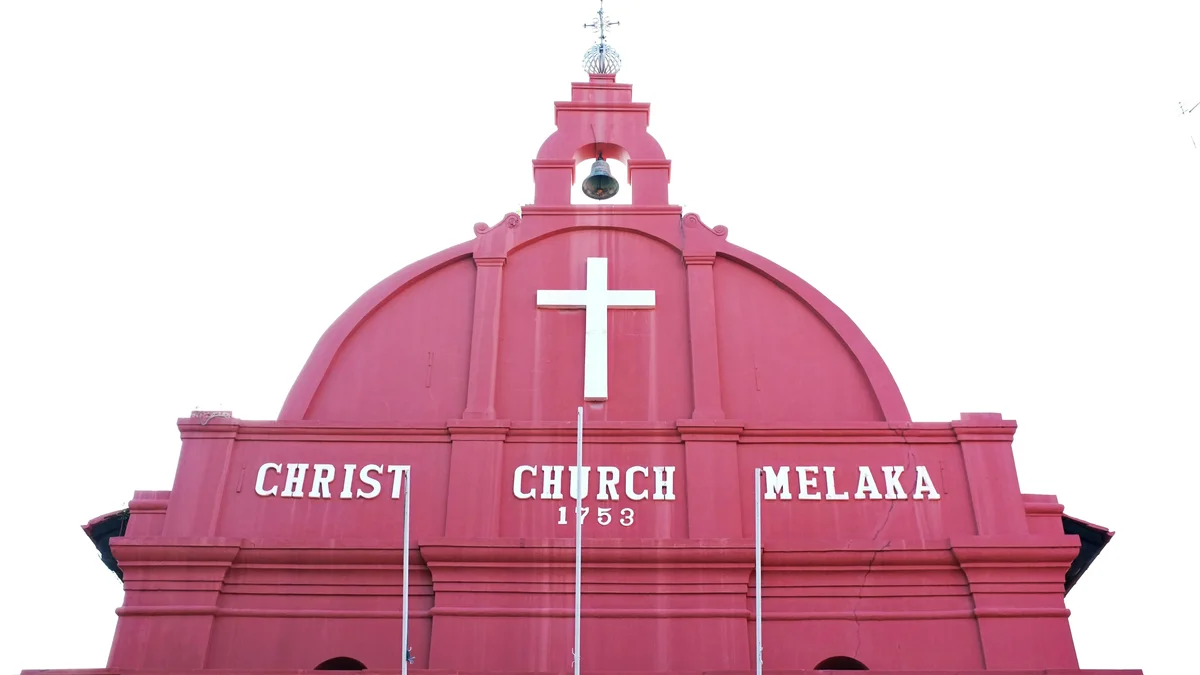
The Dutch Square, sometimes called the Red Square, is surrounded by Dutch-era buildings including the Stadthuys, Christ Church and the Queen Victoria Fountain. The Stadthuys, meaning city hall, was built by the Dutch in 1650 as the office of the governor and deputy governor and is now a history and ethnography museum. Wikipedia describes Christ Church, completed in 1753, as the oldest functioning Protestant church in Malaysia.
The distinctive red colour scheme dates from 1911, when the church and the Stadthuys were painted red, and it has become a hallmark of Malacca's Dutch-era buildings. Nearby stands the Tan Beng Swee Clock Tower, built in honour of a Chinese philanthropist, and the Padang Pahlawan, where Tunku Abdul Rahman made his first independence announcement.
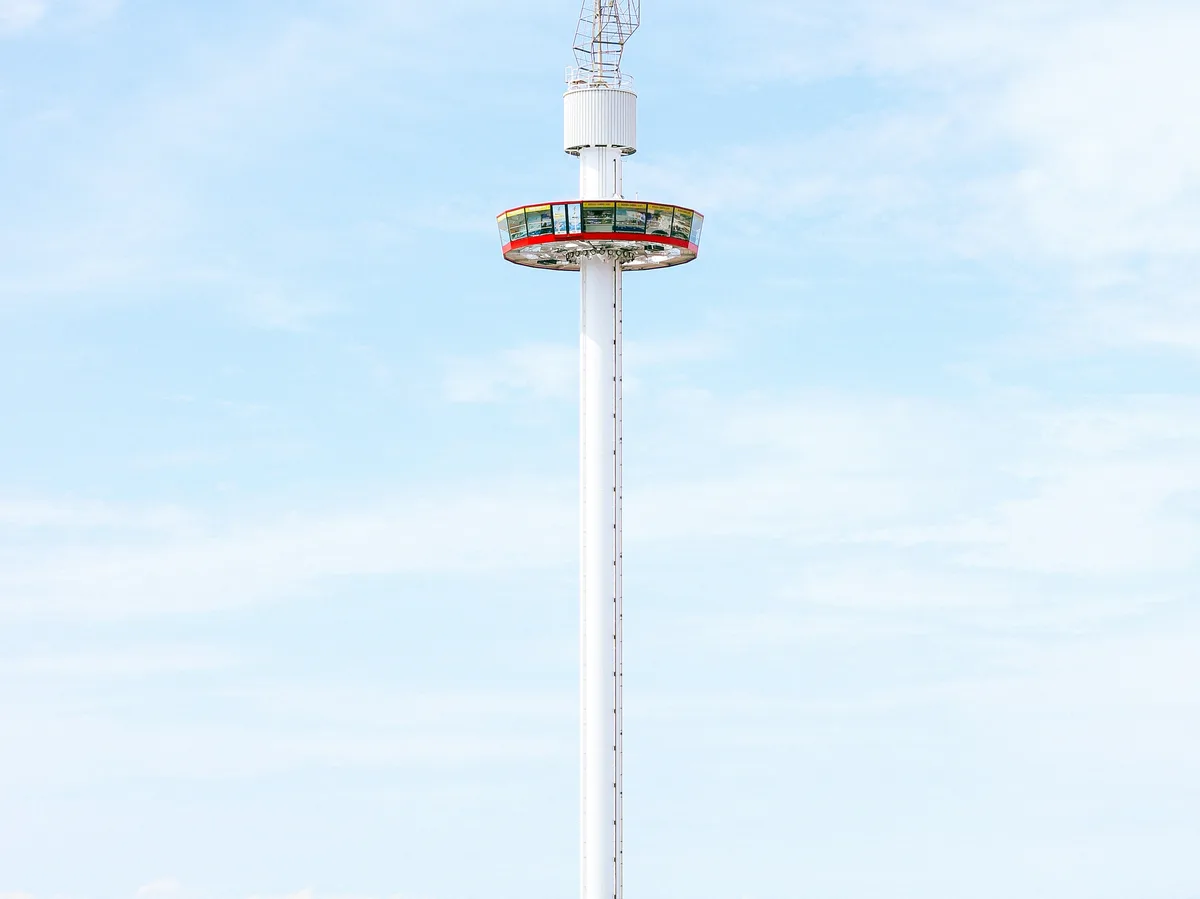
The old city's heritage includes Chinese temples, Malay mosques and Indian neighbourhoods. The Maritime Museum features a replica of the Portuguese ship Flor de la Mar and explains the city's trading history, and the Taming Sari Tower offers a view over the city centre. Other places listed as attractions include Jonker Walk, Little India and the Portuguese Settlement.
Melaka is compact, and many sights sit within a short walk of the river. It lies roughly between Kuala Lumpur and Singapore, making it a natural day trip or overnight stop on a private overland itinerary. A local guide can explain the interwoven Malay, Chinese, Indian, Portuguese and Dutch influences, and the city's weekend evening markets are best checked locally for current dates and times.
See every tour and attraction we cover in Malaysia.