TorontoOntario · 36 tours
 Niagara FallsOntario · 25 tours
 New York CityNew York · 30 tours
 Las VegasNevada · 8 tours
 San FranciscoCalifornia · 16 tours
 VancouverBritish Columbia · 17 tours
 DubaiUAE · 54 tours
 Abu DhabiUAE · 5 tours
 Buenos AiresArgentina · 23 tours
 AthensGreece · 31 tours
 AucklandNew Zealand · 38 tours
 CancunMexico · 54 tours
No destinations match “”. Try searching all tours instead — that search understands full questions, not just place names.
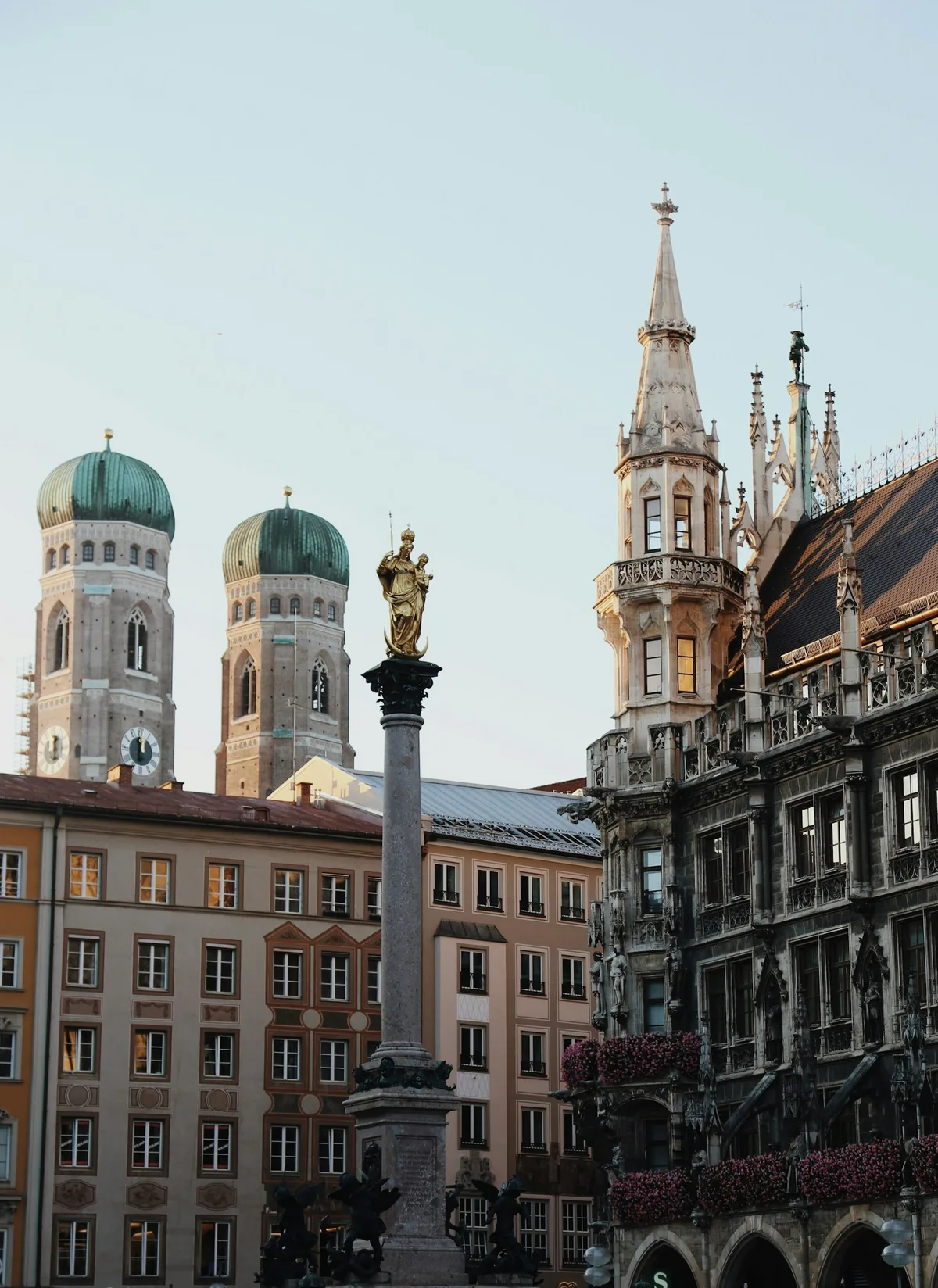
Munich's central square since 1158, home to the neo-Gothic Neues Rathaus and its Glockenspiel figures, which re-enact 16th-century scenes several times a day.
 Multi-Day Tours
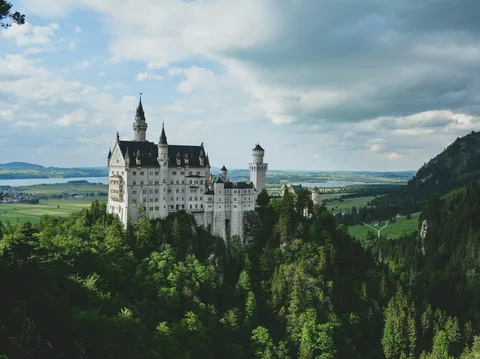
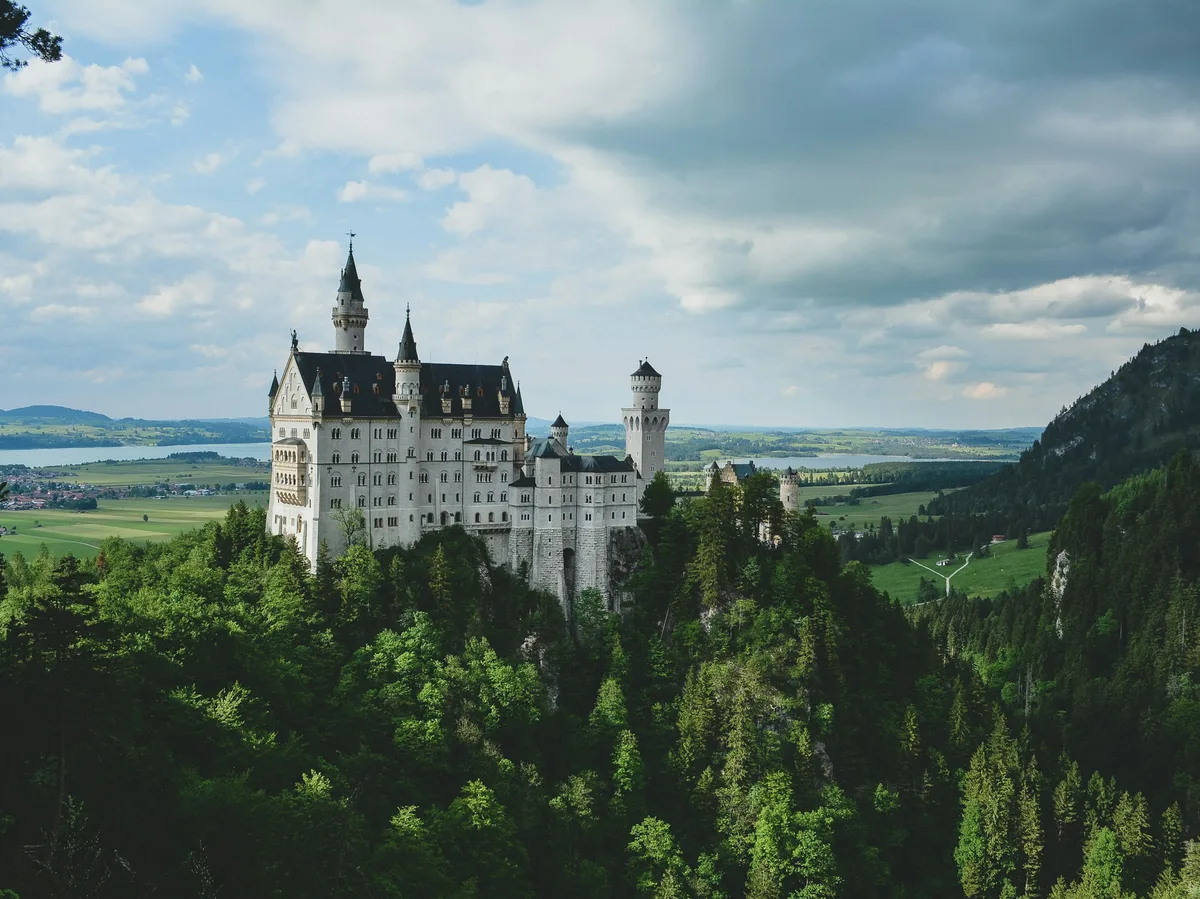
A 9-day private journey through three countries' iconic cities — Vienna and a Wachau Valley wine tasting, the Sound of Music charm of Salzburg, Munich and a day trip to Neuschwanstein Castle, finishing with Swiss chocolate and culture in Zürich.
 Multi-Day Tours
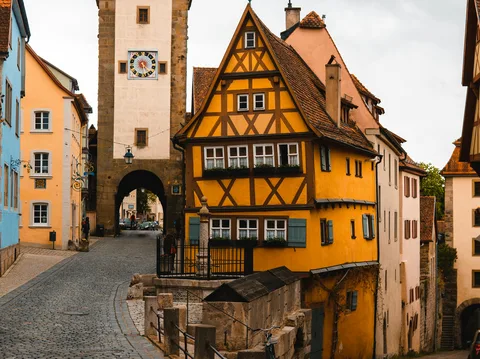
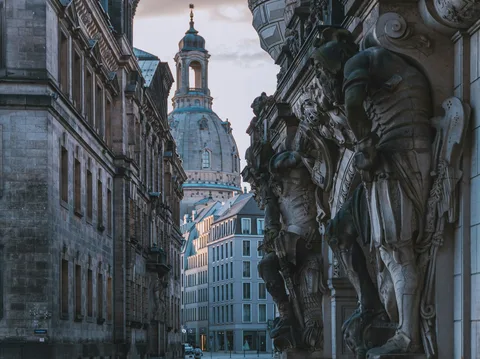
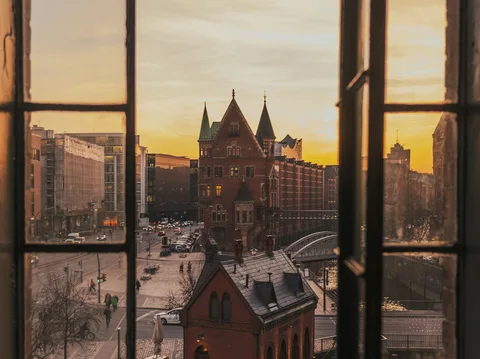
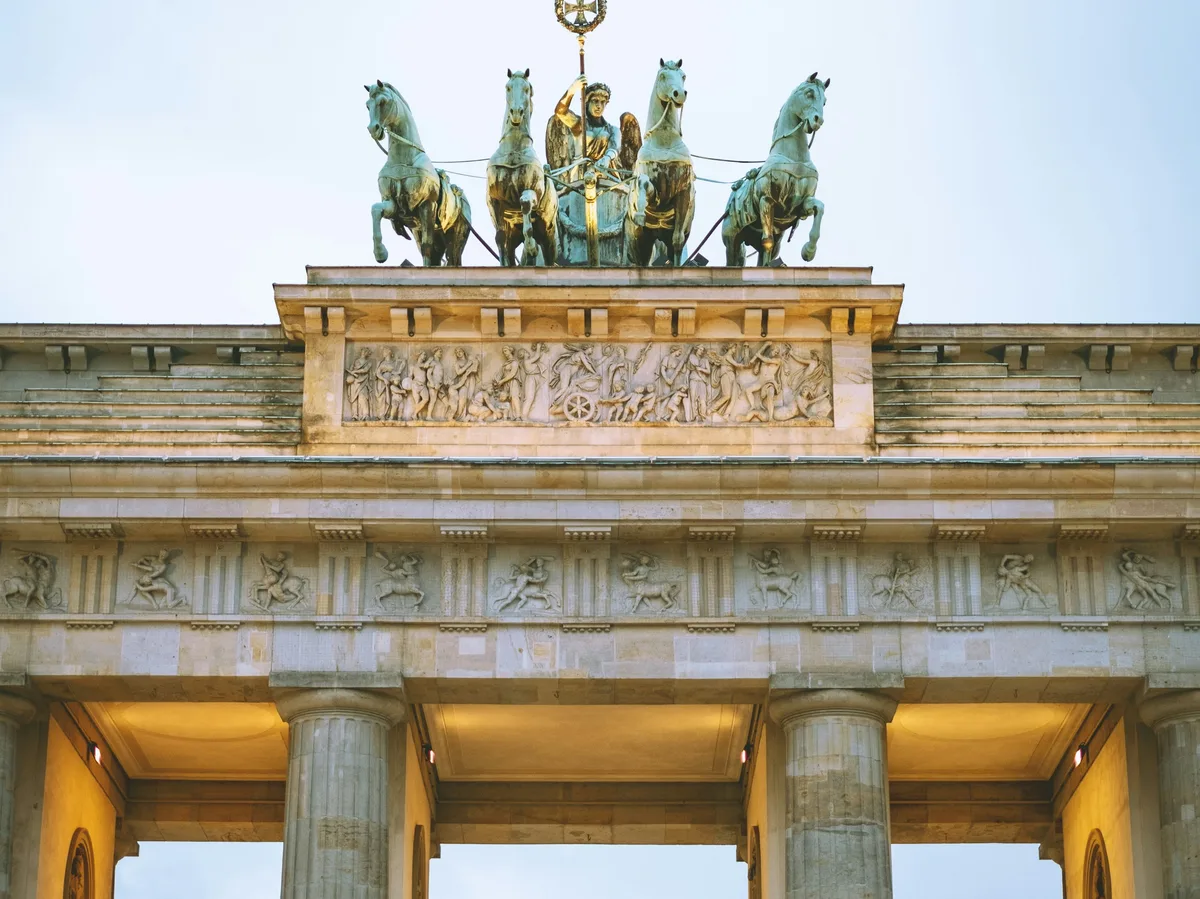
A 14-day private circuit across Germany — Munich's Old Town and Nymphenburg Palace, Neuschwanstein Castle, Nuremberg and fairy-tale Rothenburg ob der Tauber, a Frankfurt bike tour, Dresden and Saxon Switzerland, and a Berlin and Hamburg finale.
Visitor guide
Marienplatz is the central square of Munich, the capital of Bavaria in southern Germany, and has been the city's main square since 1158 according to Wikipedia. It is dominated by the neo-Gothic New Town Hall, whose Glockenspiel is one of the city's best-known attractions.
In the Middle Ages the square hosted markets and tournaments. It was first known simply as the Markt, then as the Schranne, or grain market, and later Schrannenplatz. In 1853 the grain trade moved to a new glass-and-iron hall near Blumenstrasse, and from 9 October 1854 the square took its present name, honouring the Virgin Mary.
At its centre stands the Mariensaule, or Mary's Column, erected in 1638 to mark the end of the Swedish occupation during the Thirty Years' War. Duke Elector Maximilian I had vowed to build it if Munich and Landshut were spared. A gilded statue of the Virgin created in 1590 stands on top, honouring Mary as Patrona Bavariae. At the pedestal corners four putti by Ferdinand Murmann fight beasts that stand for war, pestilence, famine and heresy.
The New Town Hall forms the northern side of the square. Georg von Hauberrisser won a competition for the first section, built between 1867 and 1874 in neo-Gothic style chosen to evoke the prosperity of Gothic-era townspeople. The complex was extended in later phases, with the tower begun in 1898 and its keystone set in December 1905. The main facade is nearly 100 metres long and the tower rises 85 metres, topped by the Munich Kindl figure. The facade carries what Wikipedia calls an extensive cycle of princely statues, including Henry the Lion and the Wittelsbach rulers of Bavaria.
The Glockenspiel in the tower has 43 bells and 32 figures acting out scenes from Munich's history. It was completed in 1908 and began operation on 18 February 1909. The upper scene recalls the tournament held in 1568 for the wedding of Duke William V and Renata of Lorraine. The lower scene, the Schaefflertanz or coopers' dance, recalls a dance said to lift spirits during the plague of 1515 to 1517. Performances are given at set times each day, and a lift takes visitors to a viewing gallery in the tower.
On the east side stands the Old Town Hall, a reconstructed Gothic council hall with a ballroom and tower. The pedestrian zone between Karlsplatz and Marienplatz is lined with shops and restaurants, and Marienplatz station serves both the U-Bahn and S-Bahn. A Christmas market, the Christkindlmarkt, opens about three weeks before Christmas.
In the basement of the New Town Hall the Ratskeller restaurant opened on 1 August 1874, and the Second World War caused only minor damage to the building, though many stained-glass windows were lost in the closing phase of the war. Marienplatz is the natural start for a private guided walk through Munich's old town.
See every tour and attraction we cover in Germany.