TorontoOntario · 36 tours
 Niagara FallsOntario · 25 tours
 New York CityNew York · 30 tours
 Las VegasNevada · 8 tours
 San FranciscoCalifornia · 16 tours
 VancouverBritish Columbia · 17 tours
 DubaiUAE · 54 tours
 Abu DhabiUAE · 5 tours
 Buenos AiresArgentina · 23 tours
 AthensGreece · 31 tours
 AucklandNew Zealand · 38 tours
 CancunMexico · 54 tours
No destinations match “”. Try searching all tours instead — that search understands full questions, not just place names.
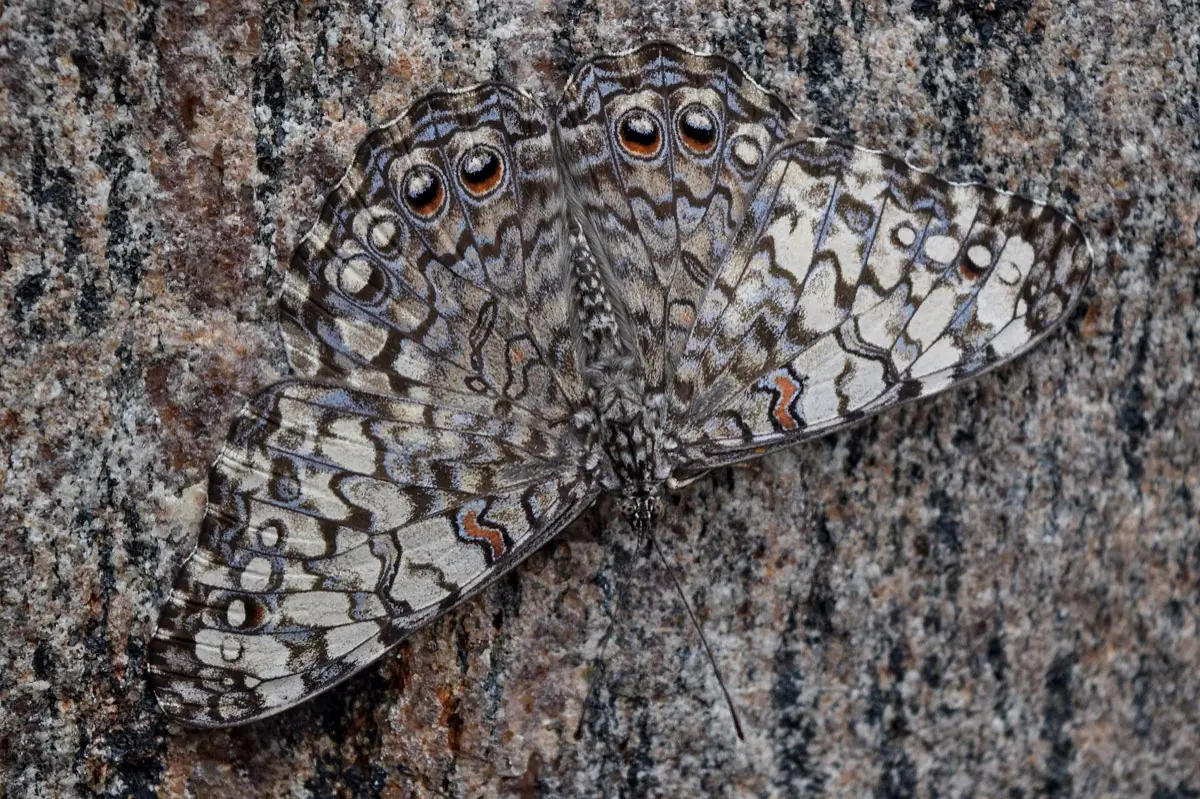
A tropical greenhouse conservatory home to thousands of free-flying butterflies.
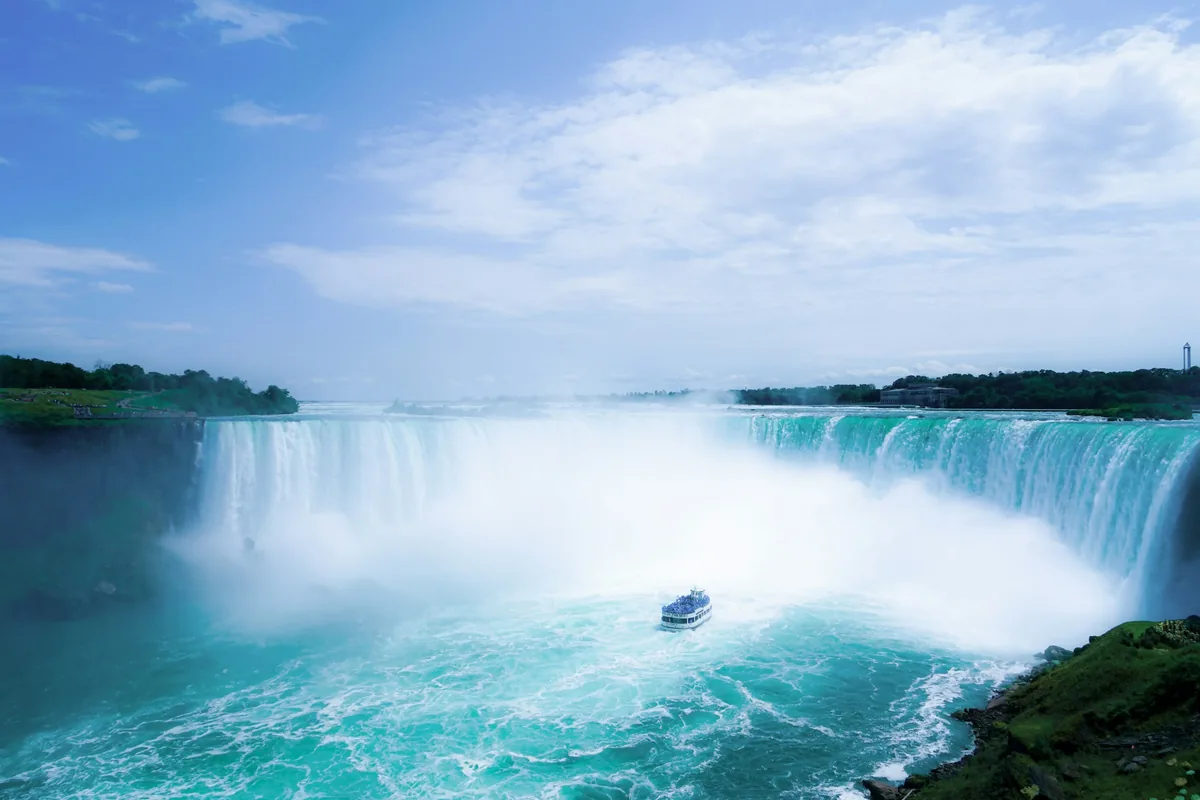 Private Tours Popular Pick30% off
A private Niagara Falls day trip for your group only, with a licensed, insured driver-guide and door-to-door pickup anywhere in the GTA.
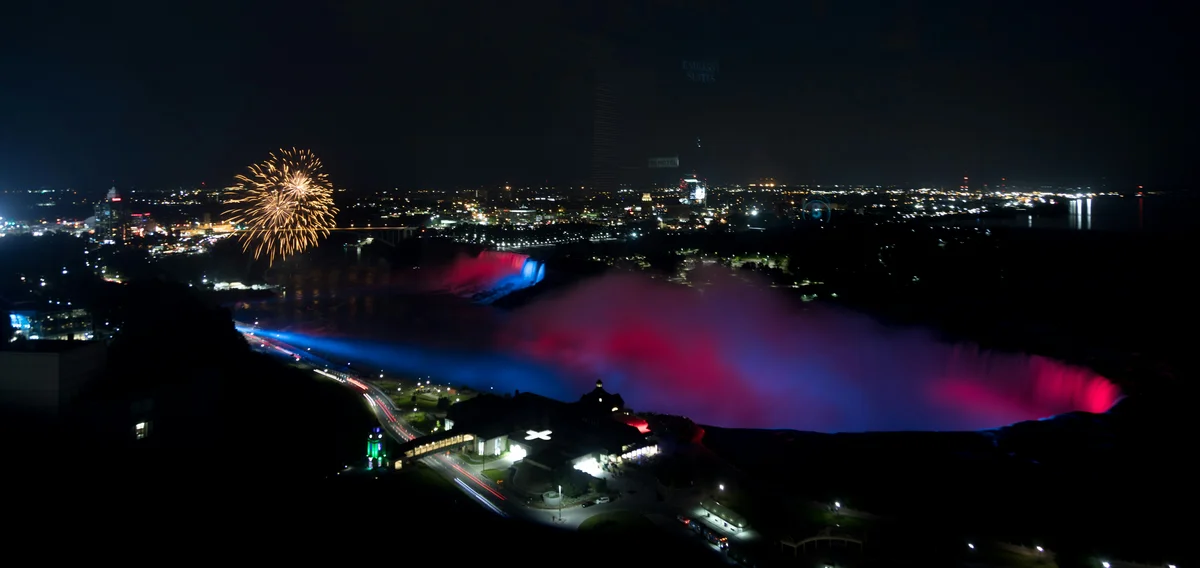 Private Tours Popular Pick30% off
A private evening trip from the GTA to see the Falls lit after dark, with a driver-guide and your choice of start time.
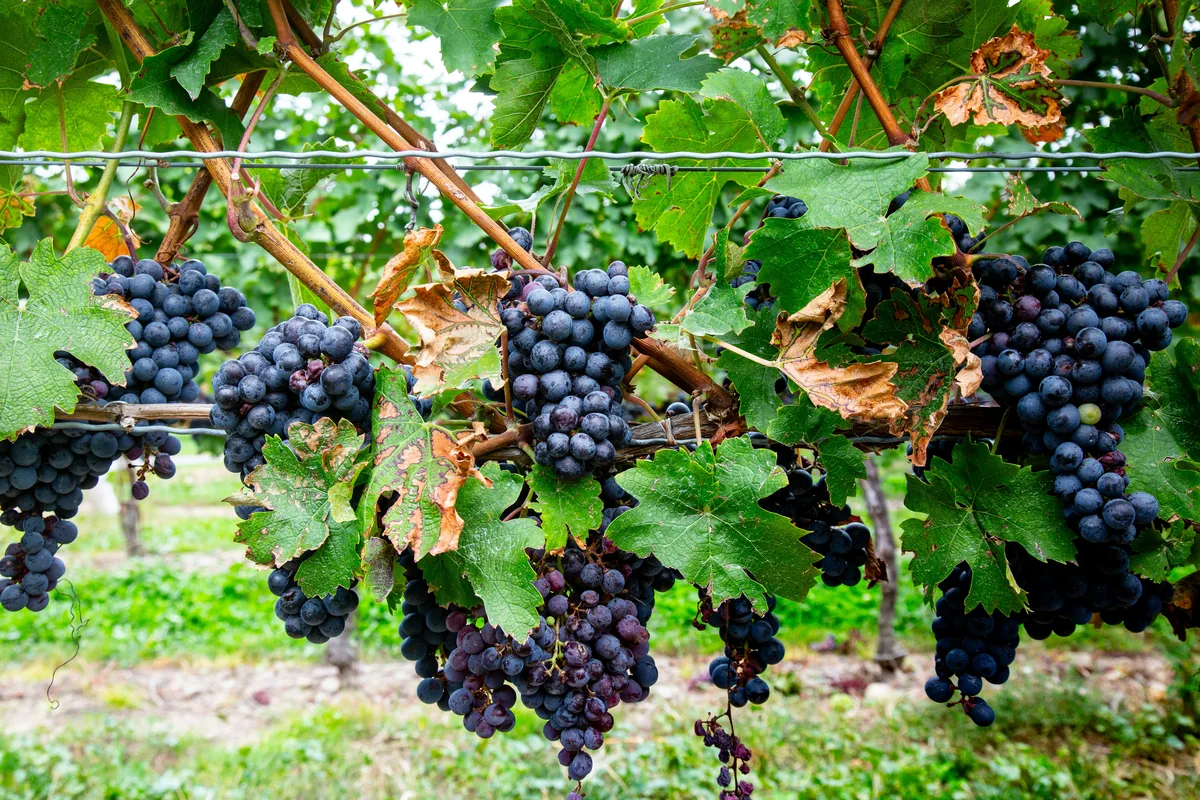 Private Tours30% off
A private 8 to 12 hour Niagara day from the GTA with your own driver-guide, built stop by stop around the places you choose.
Visitor guide
The Niagara Parks Butterfly Conservatory is a glass-enclosed tropical garden in Niagara Falls, Ontario, where more than 2,000 butterflies fly freely along winding paths. It is operated by the Niagara Parks Commission and sits on the grounds of the Niagara Parks Botanical Gardens and School of Horticulture along the Niagara River Parkway, a drive north of the Falls themselves.
The conservatory opened in 1996 (Wikipedia gives December) with a greenhouse, a gift shop and a theatre; Wikipedia describes the theatre as seating about 200. It is built beside the School of Horticulture, a Niagara Parks training garden of about 99 acres, which one tourism source says was modelled on England's Kew Gardens. The building is roughly 9 km north of Horseshoe Falls. The Niagara Parks site describes it as one of the largest glass-enclosed butterfly conservatories in North America; some sites drop the qualifier, which we avoid.
The School of Horticulture was founded in 1936 as the Training School for Apprentice Gardeners, to supply skilled staff for the growing parkland along the Niagara River Parkway. Its early training was designed by the Swedish landscape architect Knut Mattias Broman, the first superintendent, and was based on the apprenticeship programme at the Royal Botanic Gardens, Kew. It became the Niagara Parks Commission School of Horticulture in 1959 and took its present name in 1990. Students maintain and develop the Botanical Gardens, and the conservatory also serves as a teaching facility for the school.
The glass dome covers about 1,022 square metres (11,000 sq ft), with around 180 metres of paths running through tropical foliage, waterfalls and feeding stations. Netting is reported along the inside of the glass so butterflies do not collide with or rest against cold panes. The route is self-guided; check the operator for current accessibility details. The official site also notes the building received an architectural award of excellence in 2020 and houses video theatres, interactive displays and labs and greenhouses for raising butterflies and growing plants.
Adult butterflies in captivity live only a few weeks, so the collection must be constantly refreshed; Wikipedia gives a typical span of two to four weeks. It reports that pupae are imported from butterfly farms in places such as Costa Rica, El Salvador, the Philippines and Australia, and that an Emergence area shows the life cycle from chrysalis to wing. The same entry names species including blue morpho, monarch, Julia, Gulf fritillary, common Mormon, banded orange, owl and small postman, but reports the number of species inconsistently (45 or 60), and the official site says more than 40, so we do not give a firm figure. The official page cites over 2,000 butterflies.
In the Emergence window, the official site says visitors can see pupae hanging in an enclosed space and may watch a butterfly emerge and dry its wings before its first flight.
The plants are chosen with the butterflies in mind. Nectar plants such as lantana, zinnia and pentas, plus host plants for caterpillars, are replaced regularly because the caterpillars eat so heavily; Wikipedia gives a cycle of two to three weeks. A feeding area, with fruit and nectar, draws butterflies close, and a summer outdoor garden of native plants attracts Ontario species.
A newer Pollinator Playground exhibit, about daytime and nighttime pollinators including birds, bees, butterflies and bats, is described on the official site. It includes a Live Sketchbook, where a creature you draw appears moving through a digital forest, and a tabletop Puzzle Pond for designing your own insects. The official site also describes a free annual Majestic Monarchs programme with tagging demonstrations and releases of monarchs into the Botanical Gardens, teaching about the monarch's life cycle and migration; check the operator for current dates.
The conservatory sits on the Botanical Gardens grounds, so a visit can be paired with time in the gardens, and the Niagara River Parkway links it to the Falls. With a private vehicle and driver from Voyzo, the conservatory can be added to a Parkway drive without shuttling between stops.
See every tour and attraction we cover in Niagara Falls.