TorontoOntario · 36 tours
 Niagara FallsOntario · 25 tours
 New York CityNew York · 30 tours
 Las VegasNevada · 8 tours
 San FranciscoCalifornia · 16 tours
 VancouverBritish Columbia · 17 tours
 DubaiUAE · 54 tours
 Abu DhabiUAE · 5 tours
 Buenos AiresArgentina · 23 tours
 AthensGreece · 31 tours
 AucklandNew Zealand · 38 tours
 CancunMexico · 54 tours
No destinations match “”. Try searching all tours instead — that search understands full questions, not just place names.
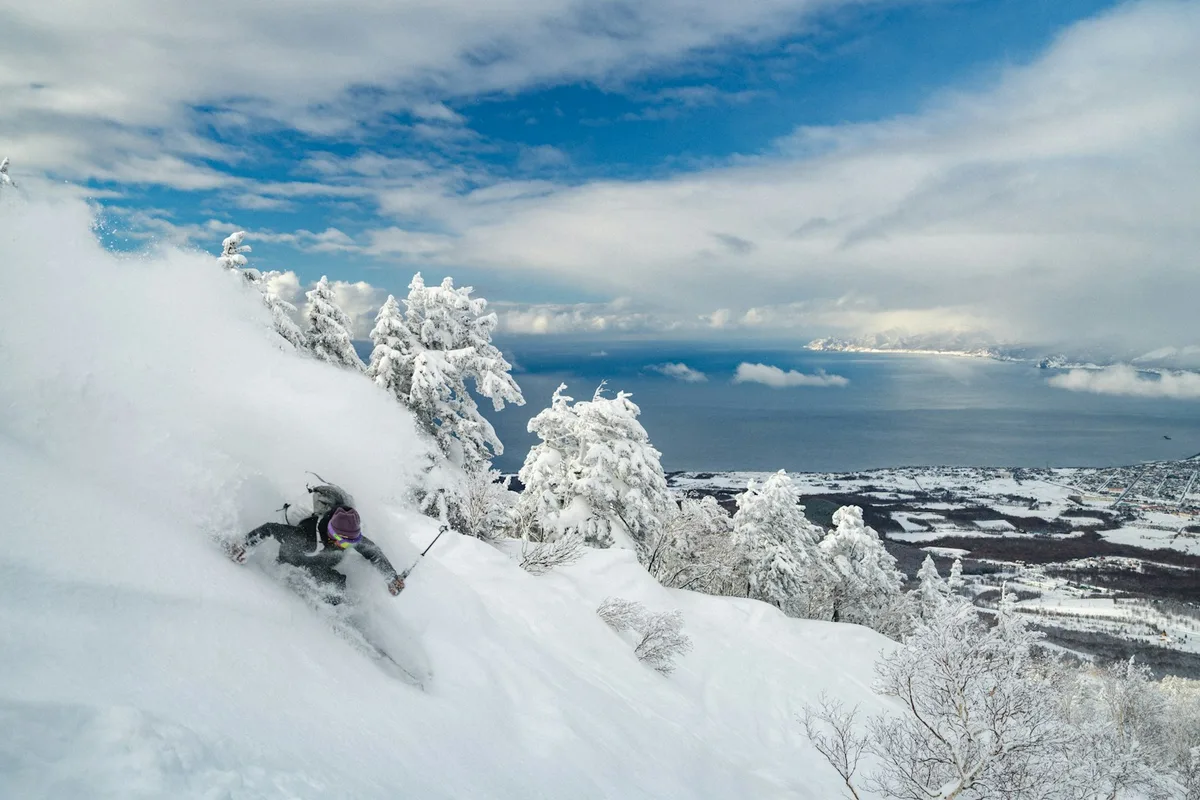
A resort town in Hokkaido renowned among skiers and snowboarders for its consistent, powdery snowfall, drawing visitors from around the world each winter.
Visitor guide
Niseko is a mountainous region and international resort area in Shiribeshi Subprefecture, Hokkaido, Japan, centred on the Niseko volcanic group and particularly on Niseko Annupuri. It is known for winter sports, heavy snowfall, hot springs and green-season outdoor recreation. The name Niseko can refer to a town, the mountain range or the broader tourism area, depending on context.
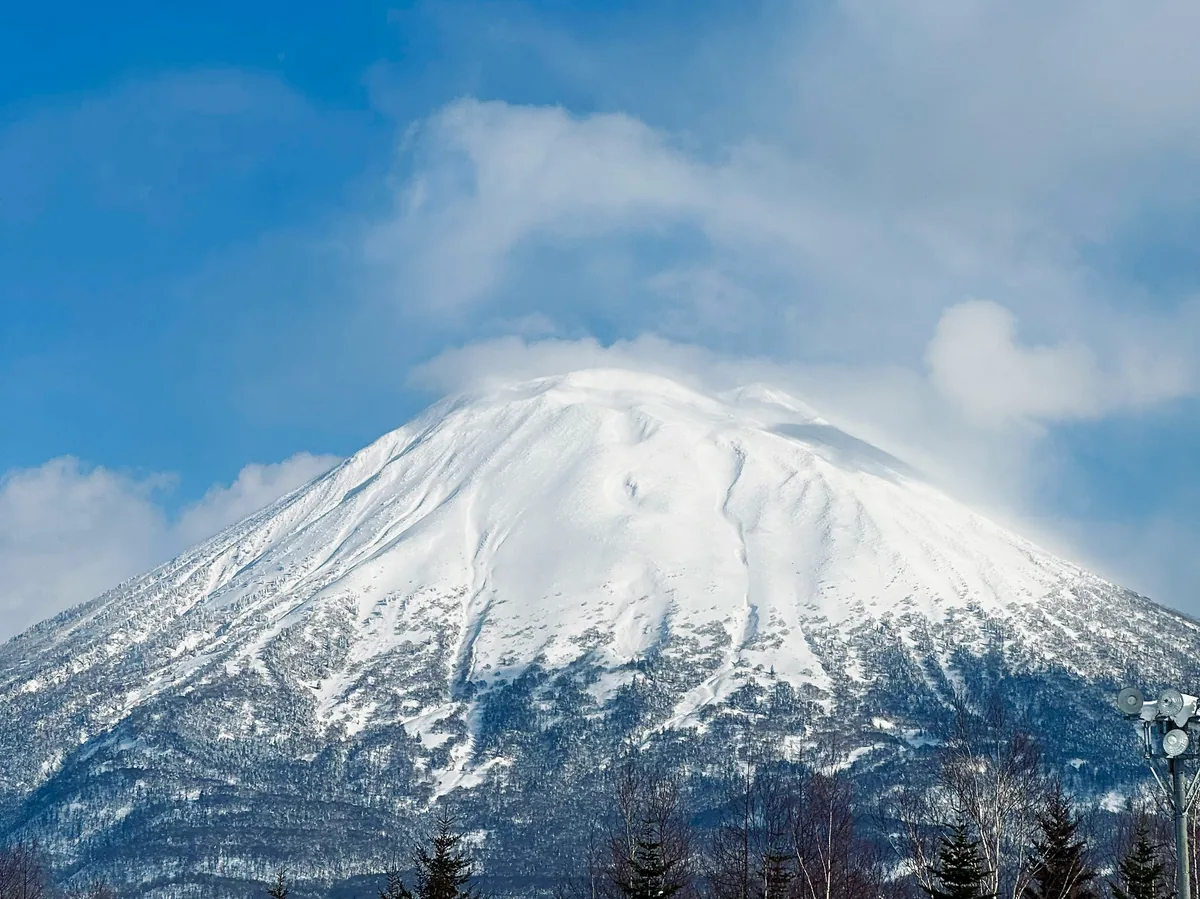
According to Wikipedia, the name derives from an Ainu place name linked to the Nisekoanbetsu River, and the word nupuri in Niseko Annupuri means mountain in Ainu. Niseko Annupuri rises to 1,308 metres and forms the eastern part of the volcanic group, much of which lies within the Niseko-Shakotan-Otaru Kaigan Quasi-National Park. The isolated stratovolcano Mount Yotei stands to the east of the main resort districts and is a prominent feature of the landscape.
Kutchan, Niseko and Rankoshi are all designated special heavy-snowfall areas under Japanese law. At Kutchan, the 1991 to 2020 climate normals record a mean annual snowfall of 921 centimetres. That snow climate is the foundation of the regional tourism economy, while the surrounding farmland grows rice, especially around Rankoshi, and potatoes and other field crops around Kutchan and Niseko.
Skiing has a long history here. On 16 April 1912, Theodor Edler von Lerch, an Austro-Hungarian Army officer who helped introduce modern skiing to Japan, gave a public demonstration in what is now Kutchan, and the next day his party attempted a ski ascent of Mount Yotei. Lift-served skiing at Hirafu began in 1961 with a ski area that had a single lift, and pensions, hotels and restaurants grew up around Hirafu from the late 1970s.
After domestic interest in skiing declined in the 1990s, Niseko attracted a growing international market. Australian visitors and entrepreneurs became prominent around Hirafu from about 2000, and foreign-operated accommodation, outdoor-activity and property businesses contributed to growth in both winter and summer tourism. Investment later broadened to include buyers from Hong Kong, Singapore, Malaysia, mainland China and other markets. Wikipedia notes this rapid growth has also created challenges involving land use, housing, seasonal employment, transport and municipal services.
Four ski areas on Niseko Annupuri are marketed together as Niseko United and share an all-mountain lift pass: Niseko Tokyu Grand Hirafu, Niseko Hanazono Resort, Niseko Village Ski Resort and Niseko Annupuri International Ski Area. Grand Hirafu and Hanazono are in Kutchan, while Niseko Village and Annupuri are in Niseko Town. The areas are operated separately.
Terrain beyond the controlled ski-area boundaries can be accessed only through designated gates under the Niseko Rules, which were adopted in 2001 as local rules and renamed in 2007. The rules prohibit crossing boundary ropes while the gates are closed, and gate openings are determined using avalanche information and observations from ski patrols and specialists. Backcountry skiing carries real avalanche risk, so guides and local advice matter.
Regional organisations have promoted Niseko as a year-round destination. Green-season activities include rafting, hiking, mountain biking, road cycling, fishing, golf and paddling, with the Shiribetsu River especially associated with rafting and fishing. Natural hot springs are spread around the range, particularly in Niseko Town and Rankoshi, and onsen accommodation and local food form part of the visitor offer.
The railway gateway to the Hirafu resort district is Kutchan Station, from which buses and taxis connect with the ski areas, and winter bus services link the region to New Chitose Airport and Sapporo. A private driver is a convenient way to cover the distance from Sapporo, and a guided approach suits visitors who want local context on the mountains, onsen and food.
See every tour and attraction we cover in Japan.