TorontoOntario · 36 tours
 Niagara FallsOntario · 25 tours
 New York CityNew York · 30 tours
 Las VegasNevada · 8 tours
 San FranciscoCalifornia · 16 tours
 VancouverBritish Columbia · 17 tours
 DubaiUAE · 54 tours
 Abu DhabiUAE · 5 tours
 Buenos AiresArgentina · 23 tours
 AthensGreece · 31 tours
 AucklandNew Zealand · 38 tours
 CancunMexico · 54 tours
No destinations match “”. Try searching all tours instead — that search understands full questions, not just place names.
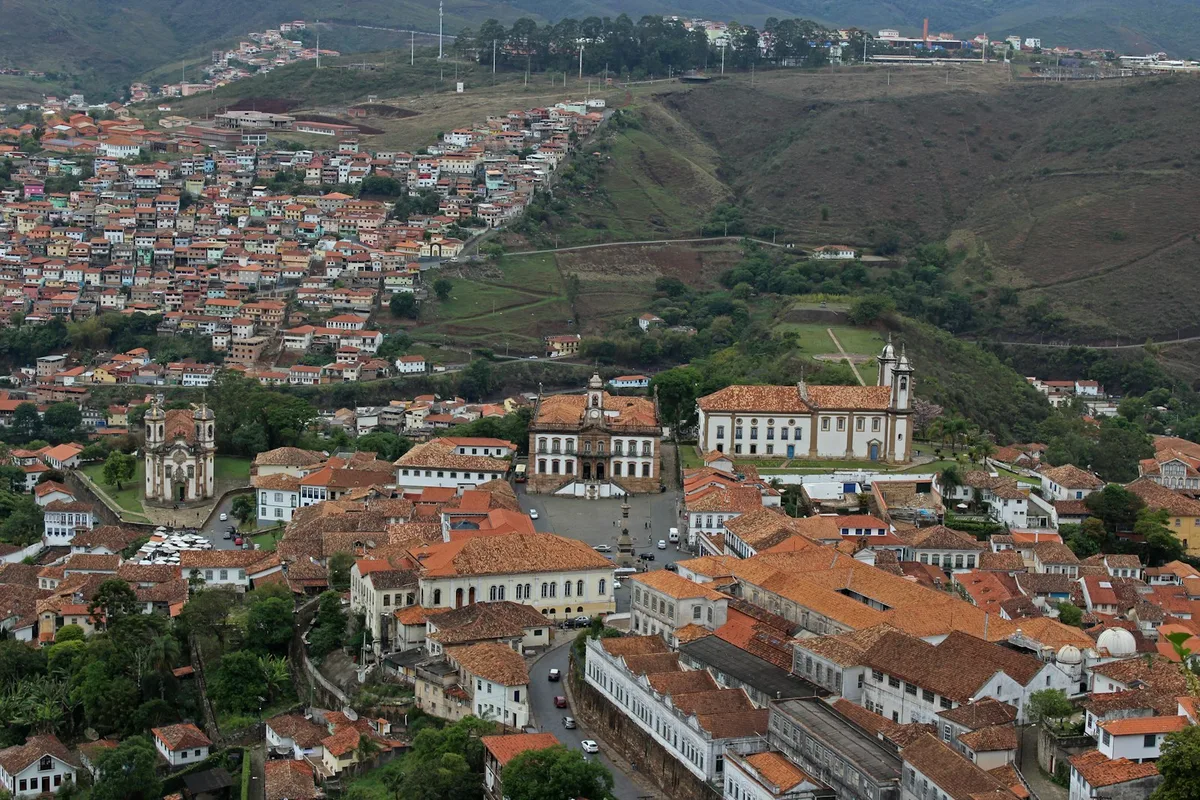
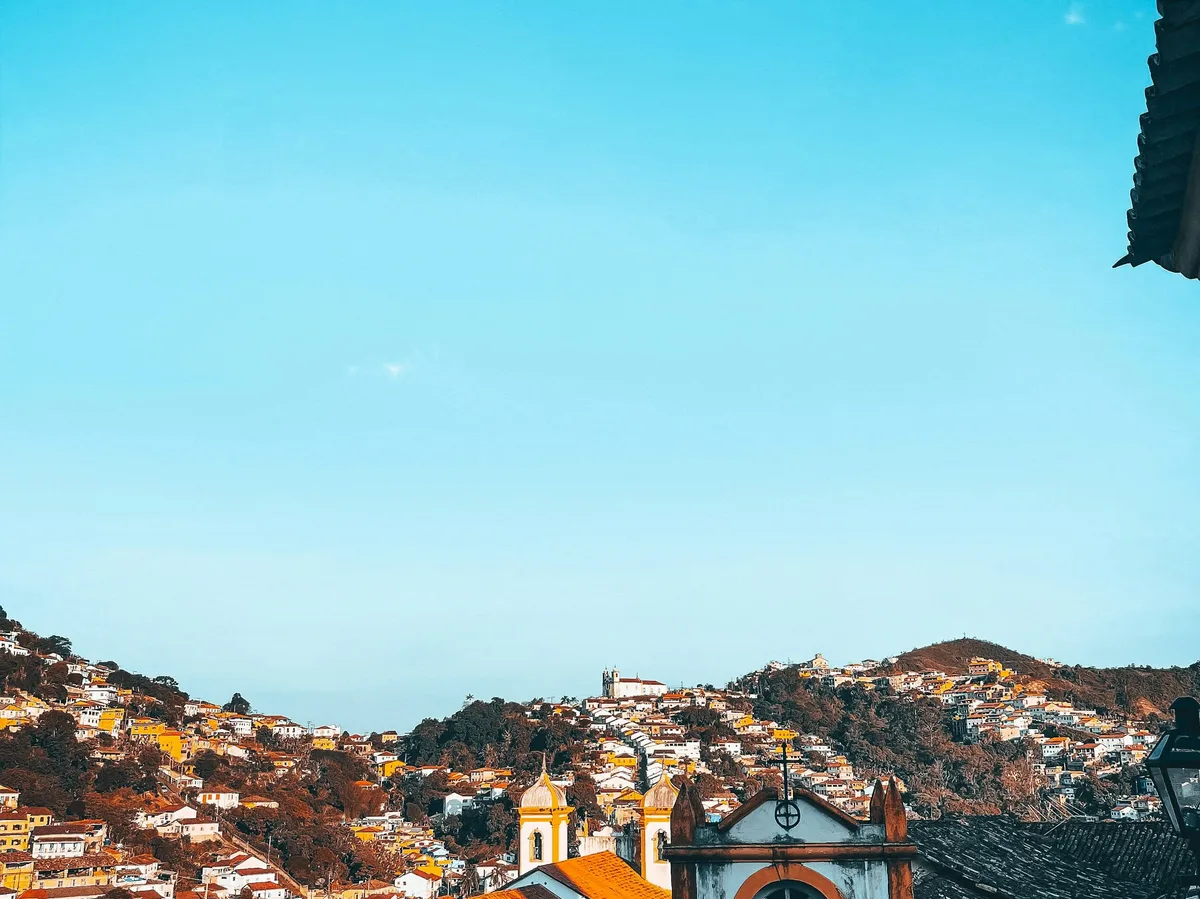
A former gold-mining town in the mountains of Minas Gerais, its steep cobbled streets lined with baroque churches, many featuring the carved work of the sculptor Aleijadinho.
Visitor guide
Ouro Preto is a historic town in the mountains of Minas Gerais, Brazil, formerly known as Vila Rica. Founded in the gold rush of the late seventeenth century, it is celebrated for its steep cobbled streets, Baroque churches and the sculpture of Aleijadinho, and it is a UNESCO World Heritage Site.
According to Wikipedia, gold was discovered by Manuel Borba Gato at Rio das Velhas in 1695, setting off the Brazilian Gold Rush. Vila Rica was established in 1698, and in 1711 several small settlements were united as the municipality of Villa Rica. The town served as the capital of Minas Gerais from 1720 until 1897, when the seat of government moved to Belo Horizonte. The name Ouro Preto, meaning black gold, was adopted on 20 May 1823.
The article reports that the population was about 40,000 in 1730 and 80,000 in 1750, and says Vila Rica was then reportedly the largest city in Brazil, a claim that should be read as a reported figure rather than a certainty.
The wealth of the gold era produced a regional style known as Barroco Mineiro. Churches built in the eighteenth and nineteenth centuries are richly decorated with gold, and the carved work of the sculptor Aleijadinho is a major draw. Wikipedia also names the painter Manoel da Costa Ataíde, the composer Lobo de Mesquita and the poet Tomás António Gonzaga among the figures of the period.
Notable churches include Nossa Senhora do Carmo, São Francisco de Assis, Nossa Senhora do Pilar and Nossa Senhora do Rosário. UNESCO inscribed the Historic Town of Ouro Preto in 1980, under criteria i and iii, recognising its Baroque colonial architecture.
Ouro Preto is closely tied to Brazilian history. In 1789 the town was the birthplace of the Inconfidência Mineira, a failed bid for independence from Portugal. Its leader, Joaquim José da Silva Xavier, known as Tiradentes, was hanged, and he has since become a national symbol of the independence movement.
Mining remains important to the area, which Wikipedia notes for gold, hematite and topaz, including imperial topaz said to be found only in Ouro Preto. Former gold mines such as the Mina do Chico Rei and the Mina da Passagem offer tours. The School of Mines was created in 1876, and today the Federal University of Ouro Preto has about 10,000 students in town, many living in traditional student houses called repúblicas.
Sources give differing altitudes for the town, from about 1,116 to 1,179 metres, with the highest point in the municipality at Pico de Itacolomi, at 1,722 metres.
The town is best explored on foot, with the steep hills making a private driver useful for reaching viewpoints and nearby sites. A local guide can place the churches and mines in the context of the gold economy.
See every tour and attraction we cover in Brazil.