TorontoOntario · 36 tours
 Niagara FallsOntario · 25 tours
 New York CityNew York · 30 tours
 Las VegasNevada · 8 tours
 San FranciscoCalifornia · 16 tours
 VancouverBritish Columbia · 17 tours
 DubaiUAE · 54 tours
 Abu DhabiUAE · 5 tours
 Buenos AiresArgentina · 23 tours
 AthensGreece · 31 tours
 AucklandNew Zealand · 38 tours
 CancunMexico · 54 tours
No destinations match “”. Try searching all tours instead — that search understands full questions, not just place names.
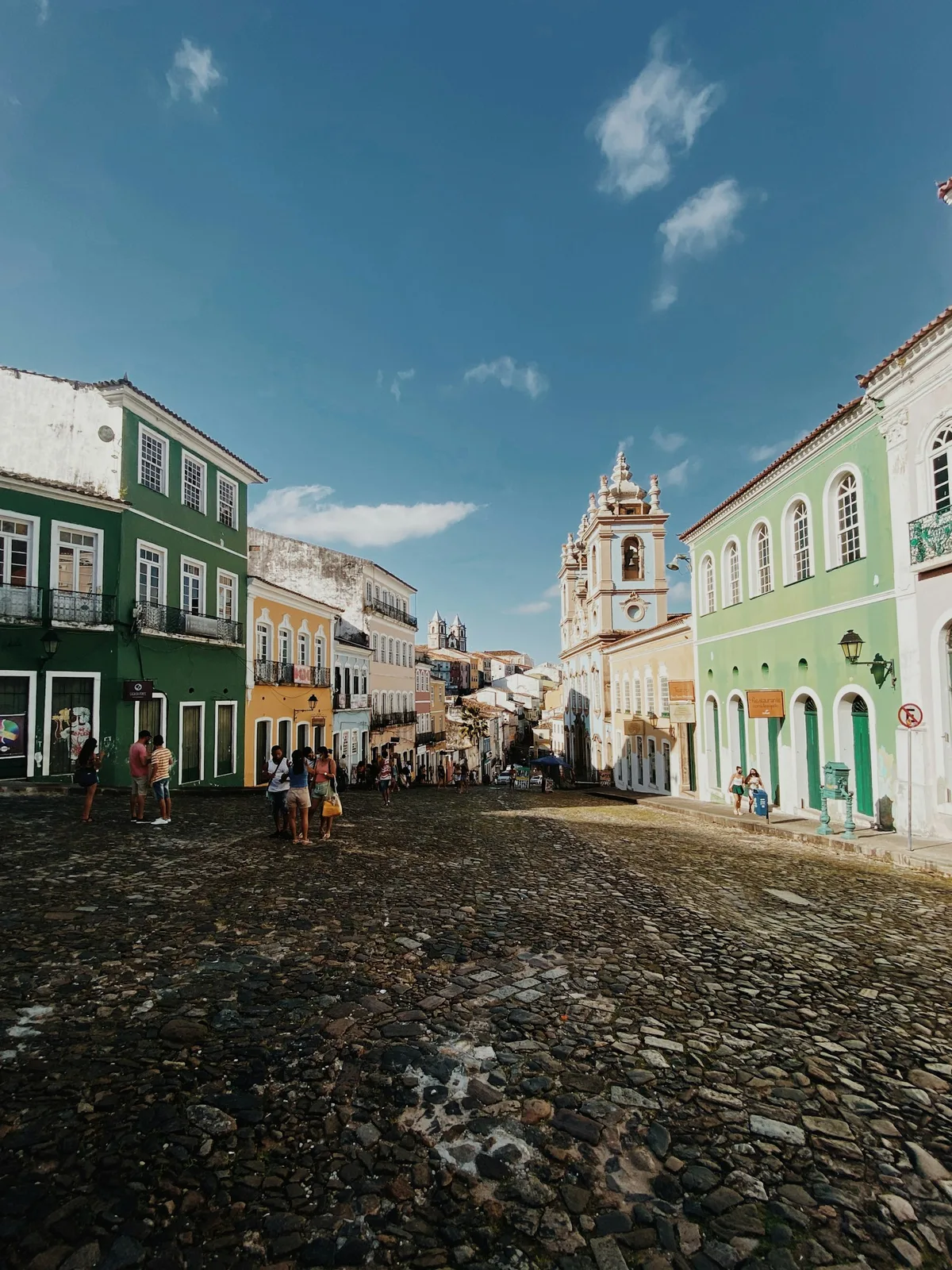
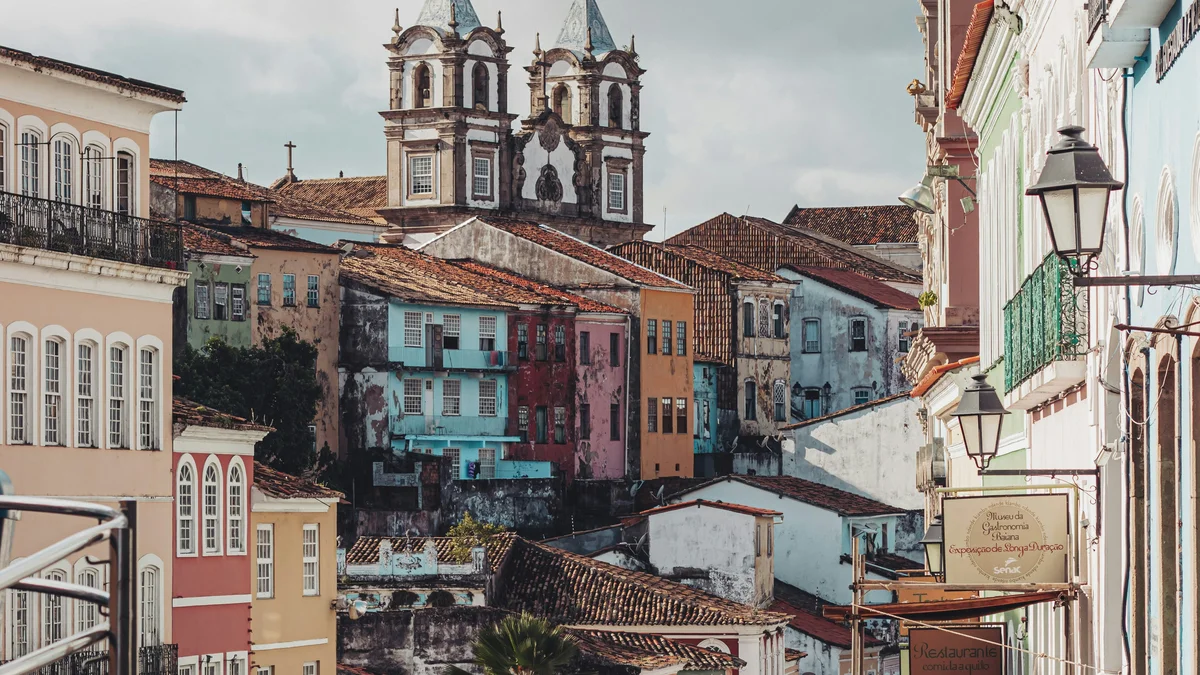
The UNESCO-listed colonial core of Salvador da Bahia, a hillside grid of cobblestone streets and brightly painted colonial buildings that is the historic centre of Afro-Brazilian culture.
 Multi-Day Tours
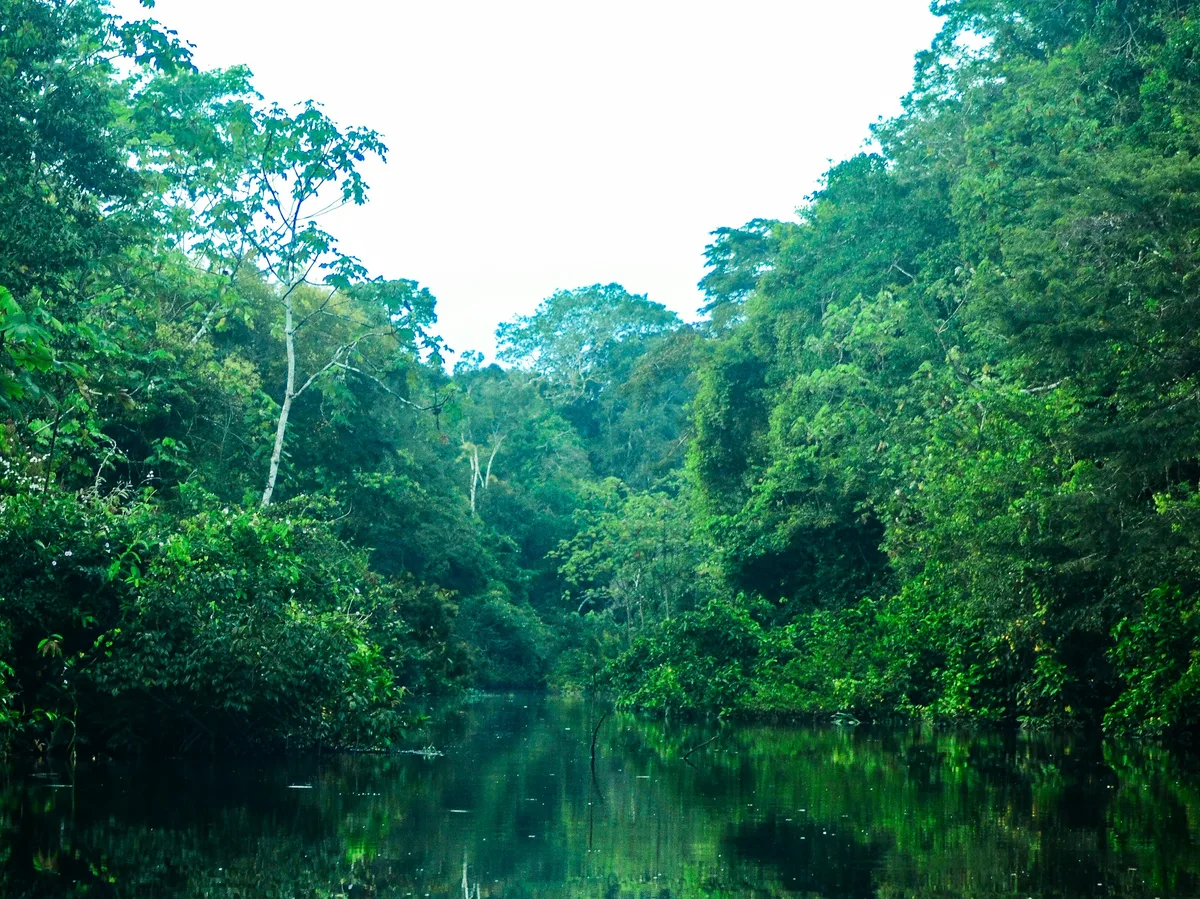
A sweeping family itinerary from the Bahia coast to the Amazon jungle, Iguazu Falls, and Rio de Janeiro — a genuine tour of Brazil's four faces.
 Multi-Day Tours
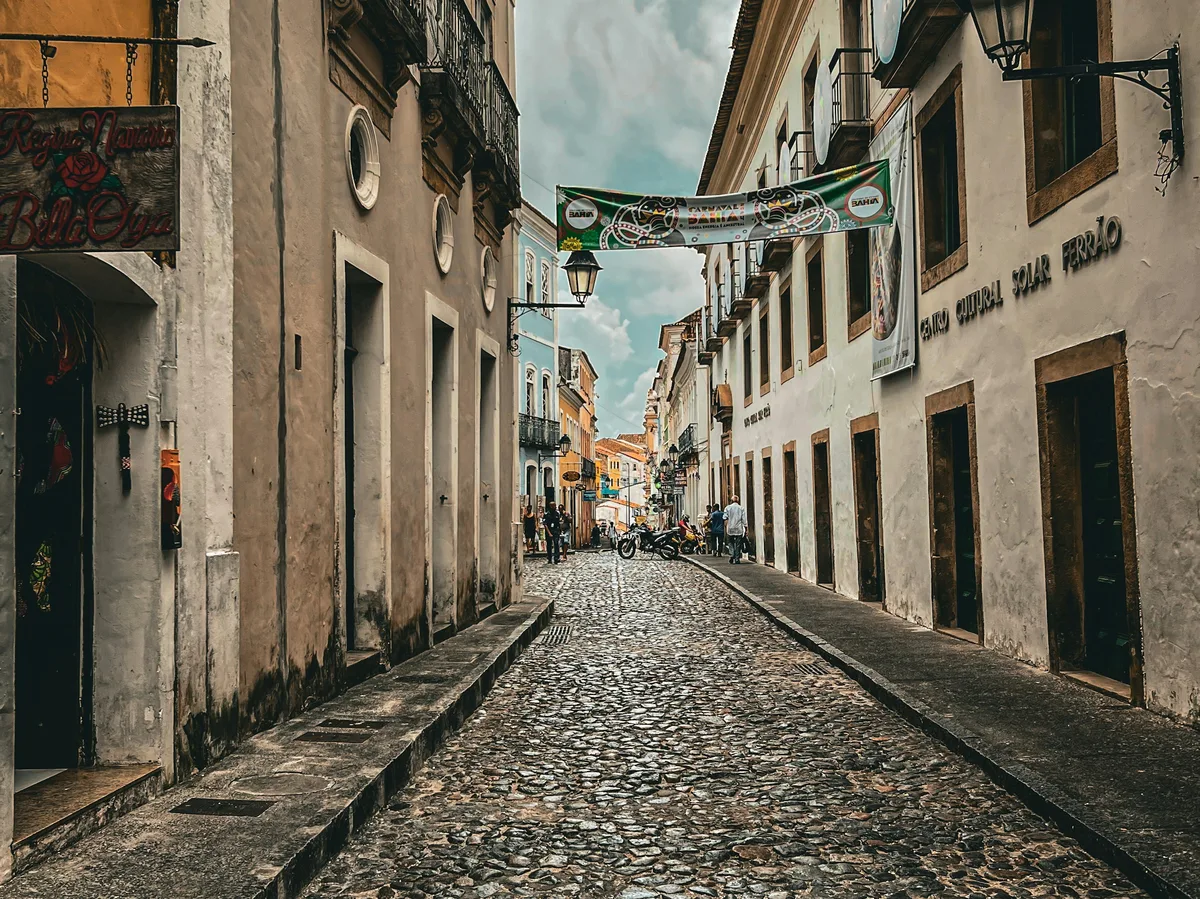
A food-and-culture deep dive across four regions — Rio, Salvador, the Amazon delta, and São Paulo — with cooking classes and market tours throughout.
 Multi-Day Tours
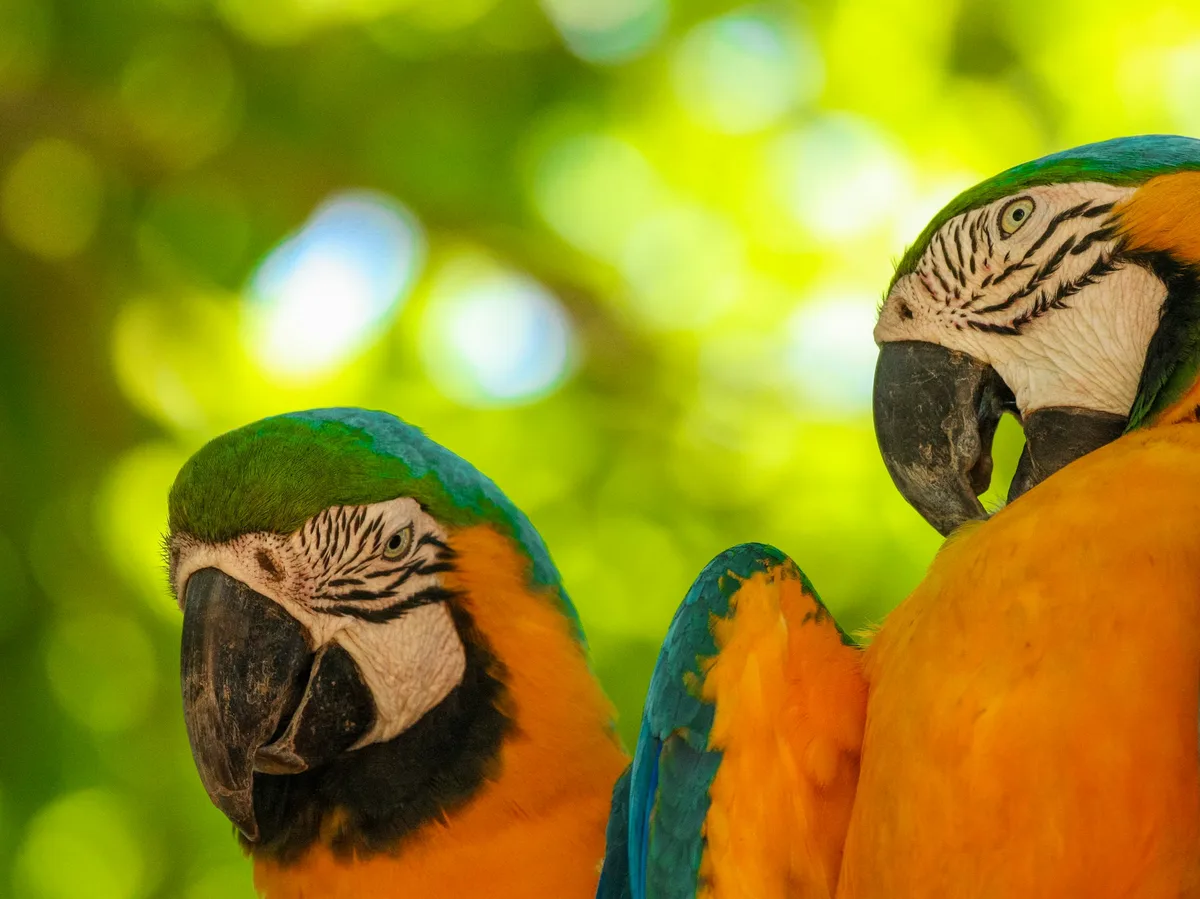
Salvador's colonial streets and Afro-Brazilian heritage, then the waterfalls, caves, and table-top mountains of the Chapada Diamantina.
 Multi-Day Tours
A 20-day route built around women-led cooperatives, artisans, and community projects across the Amazon delta, Bahia, and the Minas Gerais artisan valley.
 Multi-Day Tours
A heritage-focused route tracing Afro-Brazilian history from Rio's Little Africa circuit to the quilombola communities of the Recôncavo Baiano and Salvador.
Visitor guide
The Pelourinho, also called the Historic Center of Salvador or simply Pelô, is the colonial heart of Salvador in the Brazilian state of Bahia. A hillside district of squares, churches and restored colonial houses, it is a UNESCO World Heritage Site and remains a cultural centre for Afro-Brazilian life.
Pelourinho is the Portuguese word for pillory. According to Wikipedia, the district takes its name from the whipping post in its central plaza, where enslaved Africans were publicly punished. The name is a reminder that the grandeur of the colonial city rested on slavery, and that history shapes how the neighbourhood is understood today.
During the Portuguese colonial period the area served as the centre of the city, and its monuments date from the seventeenth to the nineteenth centuries. The district was listed as a national heritage site by IPHAN in 1984 and inscribed by UNESCO as a World Heritage Site in 1985.
The historic centre is organised around a chain of squares. Terreiro de Jesus, with its central fountain, is lined with churches including those of São Domingos and São Pedro dos Clérigos, and it is dominated by the Cathedral Basilica of Salvador, a former Jesuit church with Mannerist decoration. Largo do Cruzeiro de São Francisco, practically an extension of the square, centres on an old cross and holds the Church and Convent of São Francisco, noted for the intricacy of its Baroque interior, next to the church of the Third Order of Saint Francis.
Another notable monument is the Church of Our Lady of the Rosary of the Black People, associated with the city's Black brotherhoods. Largo do Pelourinho is the district's central plaza, and other landmarks mentioned by Wikipedia include the House of the Seven Lamps, now a museum, and the Palace of Saldanha.
In 1933 the Church of the Sé was demolished along with four other blocks of colonial and imperial buildings. Wikipedia notes that the debate over this loss contributed to federal protection of historic assets and to the creation of the national heritage institute, IPHAN.
A large restoration programme began in the early 1990s. More than 800 buildings have restored façades and interiors, and many now function as small museums or cultural centres. The same article observes that the work also displaced Afro-Brazilian residents and contributed to gentrification, a topic that continues to be debated in Bahia.
The Pelourinho remains a hub for Afro-Brazilian cuisine, architecture, religion and music, and its colourful façades, cobbled slopes and open squares make it best explored on foot. A private guide can explain the layers of colonial, religious and Afro-Brazilian history that are not obvious from the street, while a private vehicle and driver handle the steep approach from other parts of Salvador.
See every tour and attraction we cover in Brazil.