TorontoOntario · 36 tours
 Niagara FallsOntario · 25 tours
 New York CityNew York · 30 tours
 Las VegasNevada · 8 tours
 San FranciscoCalifornia · 16 tours
 VancouverBritish Columbia · 17 tours
 DubaiUAE · 54 tours
 Abu DhabiUAE · 5 tours
 Buenos AiresArgentina · 23 tours
 AthensGreece · 31 tours
 AucklandNew Zealand · 38 tours
 CancunMexico · 54 tours
No destinations match “”. Try searching all tours instead — that search understands full questions, not just place names.
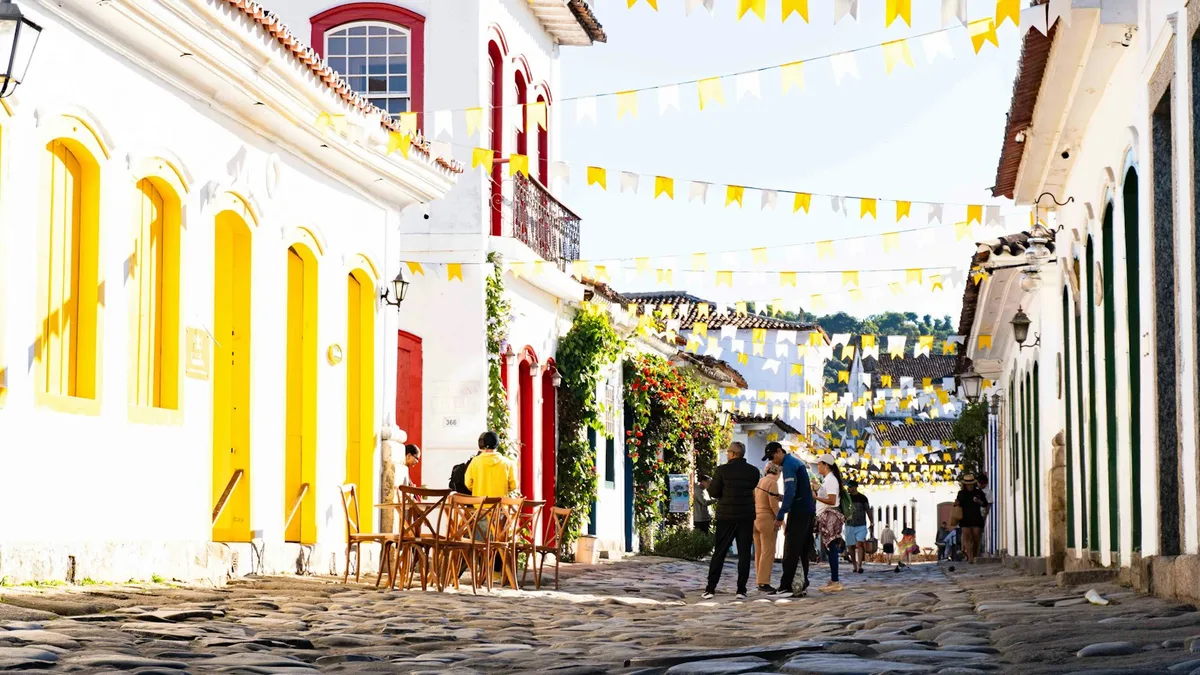
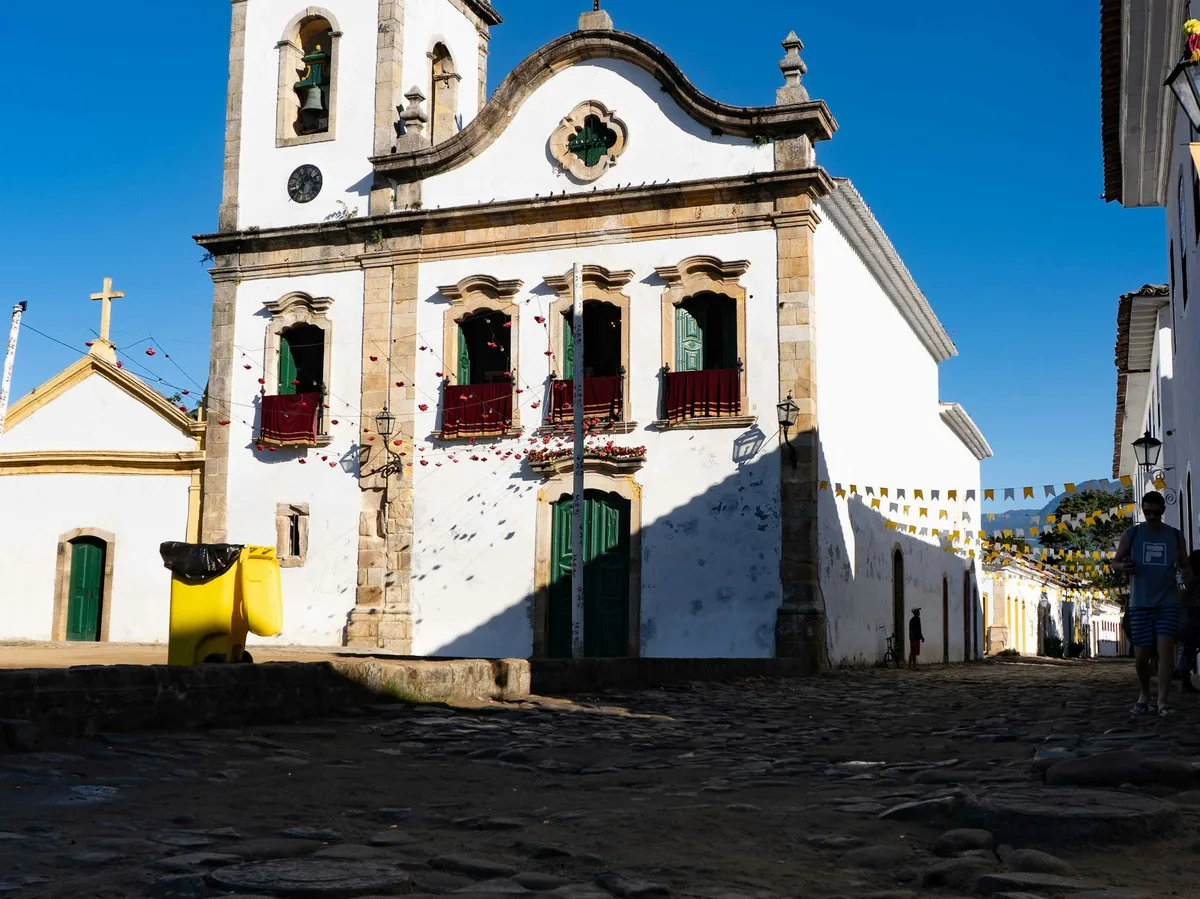
A preserved Portuguese colonial port town between Rio and São Paulo, its whitewashed, cobblestoned centre closed to cars and set against a backdrop of rainforest-covered mountains and a calm bay.
 Multi-Day Tours
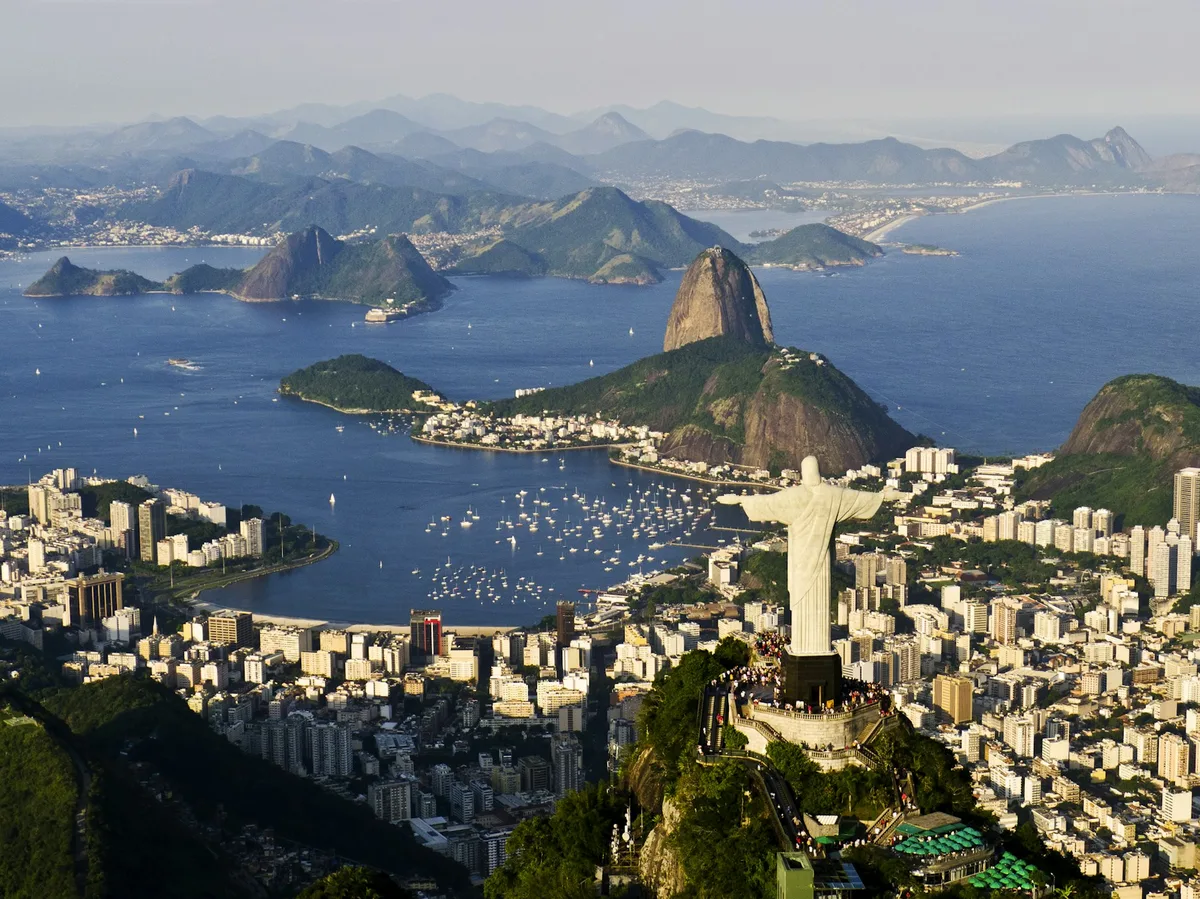
A private-residence family trip pairing Rio's beaches and food culture with the slower, colonial charm of Paraty — space to relax between the sightseeing.
 Multi-Day Tours Popular Pick
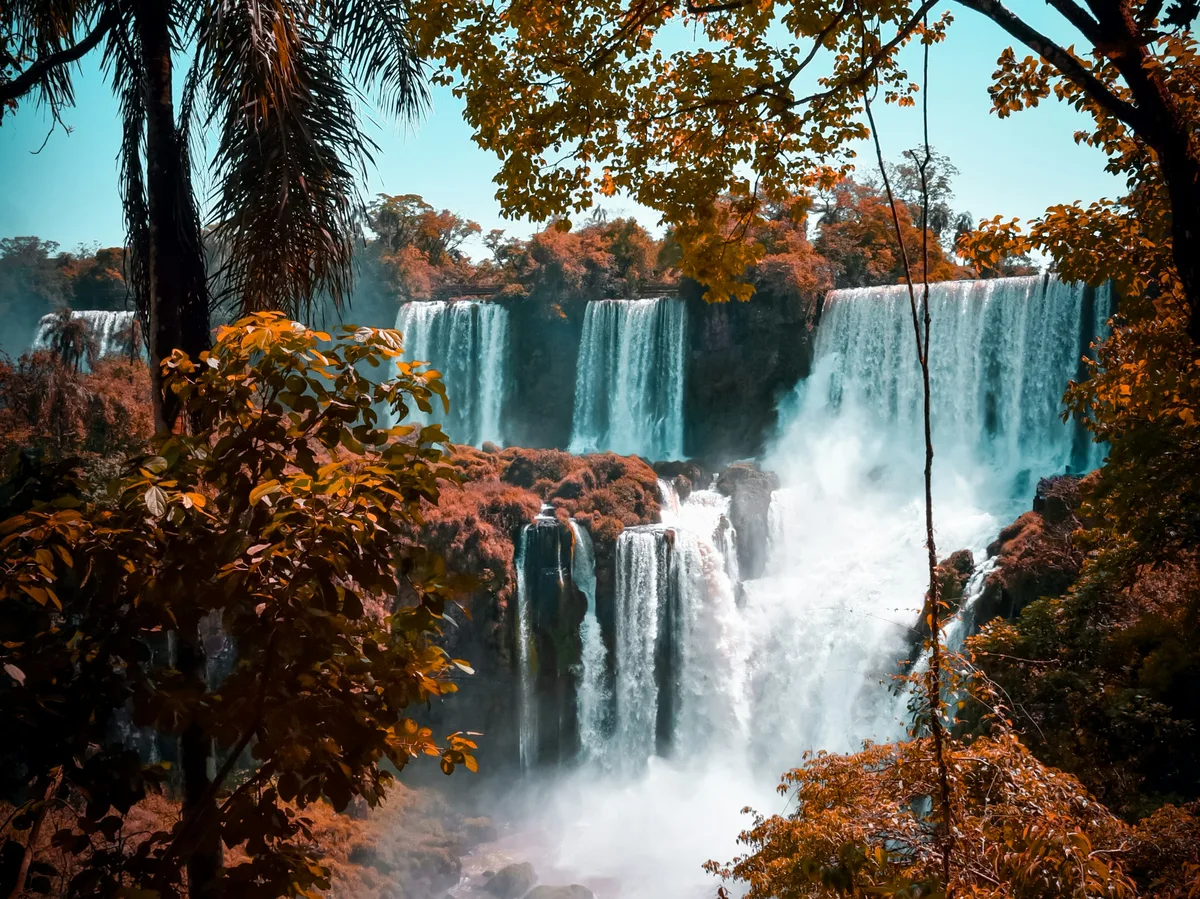
Our best all-around introduction to Brazil — São Paulo, Iguazu Falls, Rio de Janeiro, and the coast at Paraty and Ilha Grande, all in a realistic ten days.
 Multi-Day Tours
Beyond the capital — the mountain trails of Serra dos Órgãos and the colonial coast at Paraty, alongside Rio's own city highlights.
 Multi-Day Tours
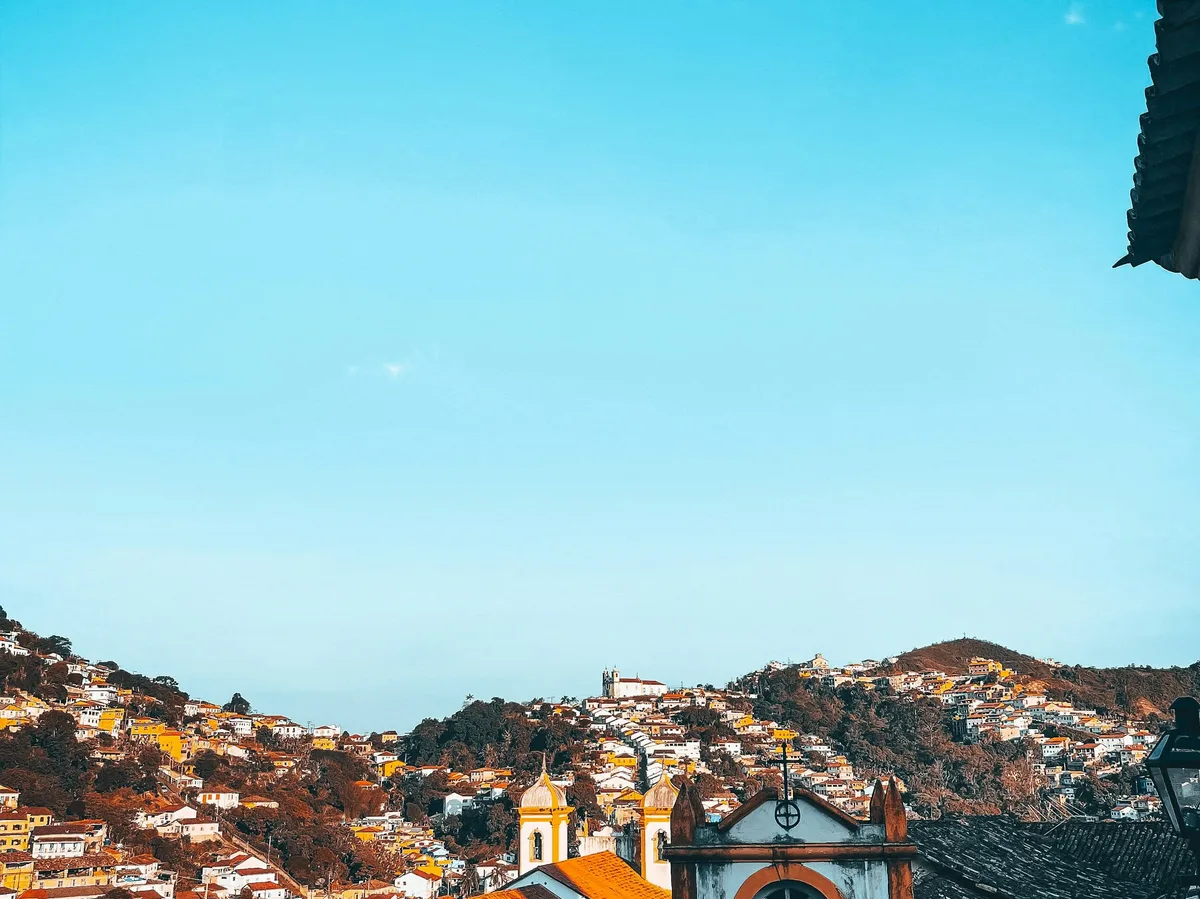
The colonial gold-rush towns of Ouro Preto and Tiradentes, then Rio and the coast at Paraty, on a route originally built for a rental car — run instead with your own private driver.
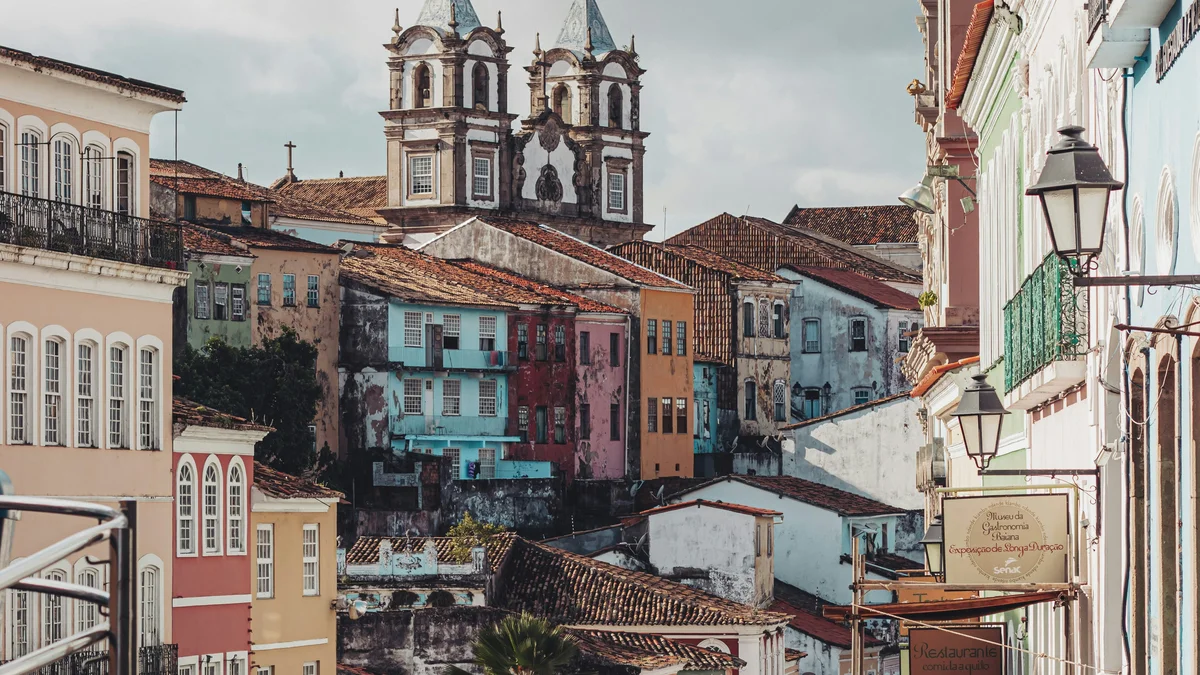 Multi-Day Tours
A heritage-focused route tracing Afro-Brazilian history from Rio's Little Africa circuit to the quilombola communities of the Recôncavo Baiano and Salvador.
Visitor guide
Paraty is a preserved colonial port town on the southern coast of Rio de Janeiro state, Brazil, between Rio and São Paulo. Its cobblestoned historic centre, baroque churches and setting on Ilha Grande Bay led UNESCO to inscribe it in 2019 as Paraty and Ilha Grande, Culture and Biodiversity.
A village was founded around 1597 and the Portuguese formally established the town in 1667, on land settled by the Guaianás people. After gold was found in Minas Gerais in 1696, Paraty became a port from which gold was shipped to Rio de Janeiro and onward to Portugal. The Caminho do Ouro, or Gold Trail, linked the town inland to Minas Gerais, and two sections near Paraty are now hiking sites.
Pirate attacks, the opening of an overland route and the exhaustion of the gold in the late eighteenth century led to decline. A coffee boom revived the port in the early 1800s, but a railway later ended that trade, and the town was largely abandoned until a paved road to Santos in the 1970s helped turn it into a tourist destination.
The historic centre is a grid of cobblestone streets, and Wikipedia notes that cars and trucks are banned there apart from deliveries on one day a week. Much of the architecture has survived for 250 years or more. Four churches stand out: Santa Rita Chapel, completed in 1722; Nossa Senhora do Rosário e São Benedito, from 1725 and built by enslaved Africans; Nossa Senhora das Dores, from about 1800; and Nossa Senhora dos Remédios, begun in 1646 and completed in 1873.
The town is also known for its tides. At full moon and high tide, seawater flows through openings in the seawalls and floods the historic streets, usually a few inches deep, before receding quickly.
Paraty was once a centre of cachaça production, and by 1820 more than 150 stills operated in the region. Cachaça of Paraty received a Protected Indication of Provenance in 2007. The town also hosts the FLIP international literary festival and the Paraty Bourbon Jazz Festival in May, and it stood in for Ilhéus in the 1983 film Gabriela, Cravo e Canela.
Behind the town rise tropical forests, mountains and waterfalls, while the bay is dotted with islands and around 50 beaches, many reachable only by boat. More than 80 percent of the territory is protected, including Serra da Bocaina National Park. The climate is tropical, with January the wettest month.
Because the old town is largely closed to vehicles, a private guide is a natural way to see it, with a driver handling the approach by road from Rio or São Paulo.
See every tour and attraction we cover in Brazil.