TorontoOntario · 36 tours
 Niagara FallsOntario · 25 tours
 New York CityNew York · 30 tours
 Las VegasNevada · 8 tours
 San FranciscoCalifornia · 16 tours
 VancouverBritish Columbia · 17 tours
 DubaiUAE · 54 tours
 Abu DhabiUAE · 5 tours
 Buenos AiresArgentina · 23 tours
 AthensGreece · 31 tours
 AucklandNew Zealand · 38 tours
 CancunMexico · 54 tours
No destinations match “”. Try searching all tours instead — that search understands full questions, not just place names.
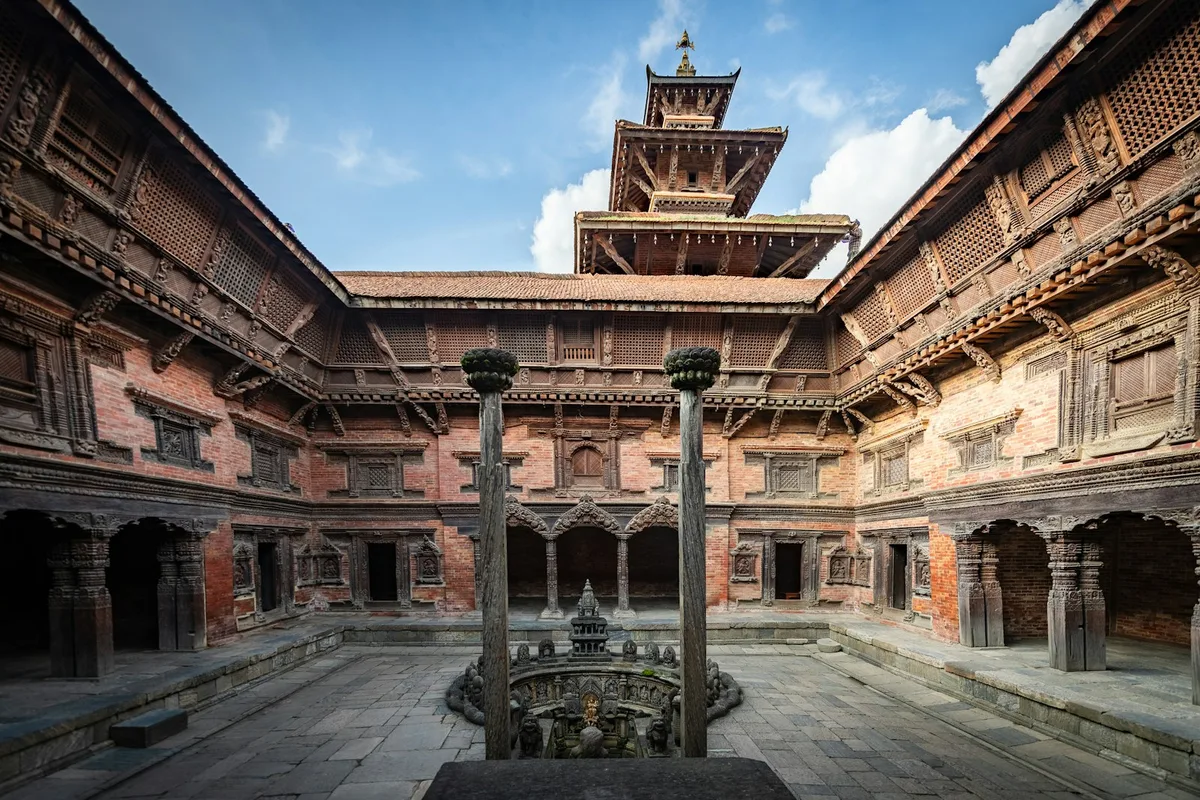
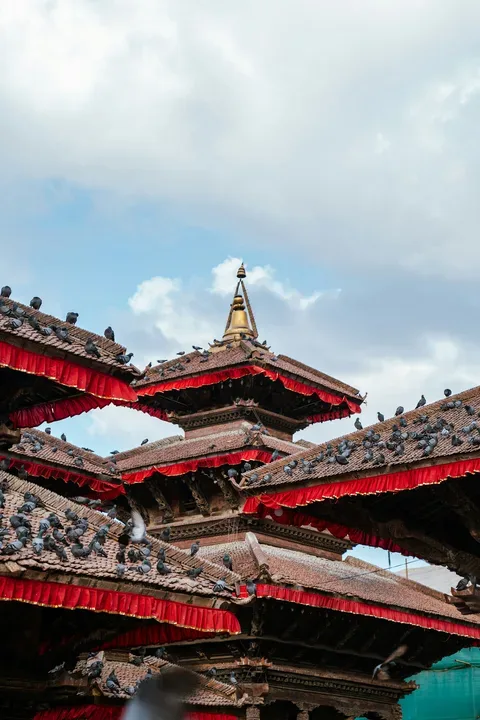
One of three UNESCO-listed Durbar Squares in the Kathmandu Valley, in the city of Lalitpur, packed with Newar temple architecture, the former royal palace, and the Patan Museum of bronze and metal arts.
 Multi-Day Tours
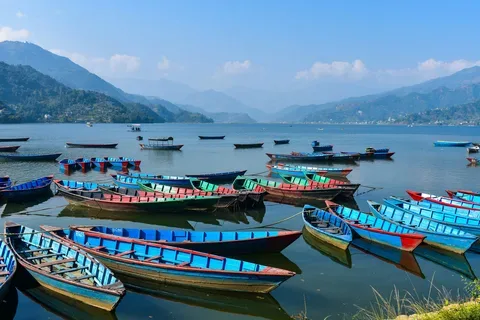
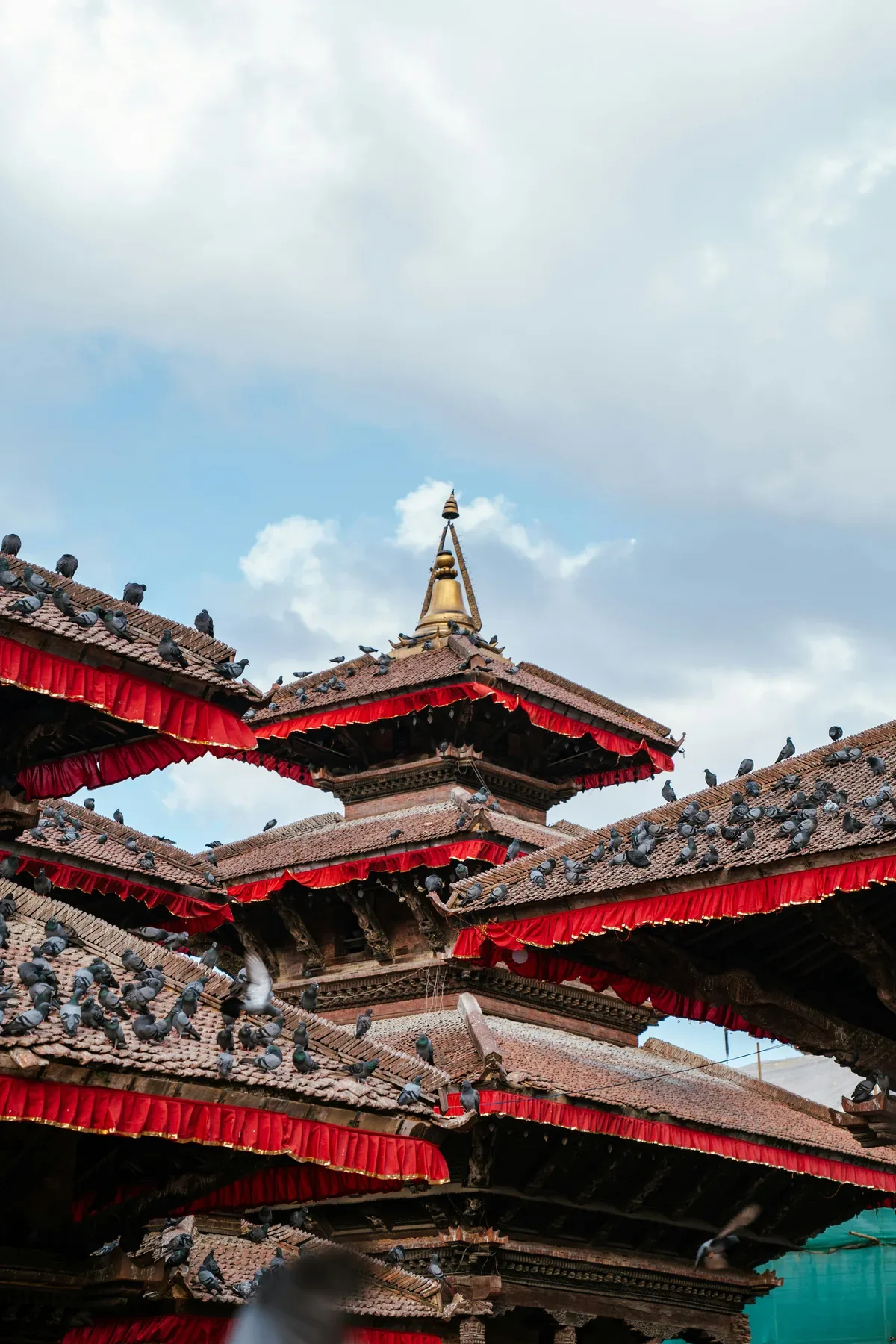
A 12-day circuit through the Kathmandu Valley's Durbar Squares and stupas, south into Chitwan National Park's jungle and wildlife, and west to the lakeside city of Pokhara beneath the Annapurna range.
 Multi-Day Tours
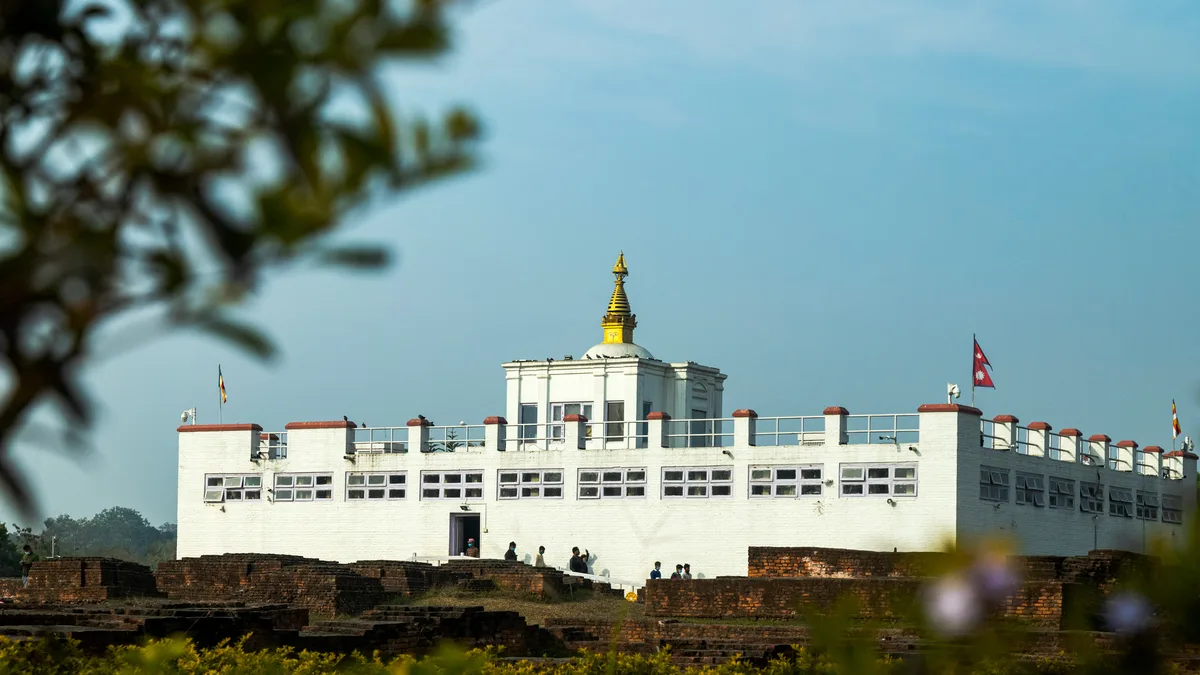
A 10-day route through Kathmandu's four UNESCO World Heritage Sites, Chitwan National Park's jungle, Buddha's birthplace at Lumbini, and Pokhara's lakeside beneath the Annapurna range.
 Multi-Day Tours
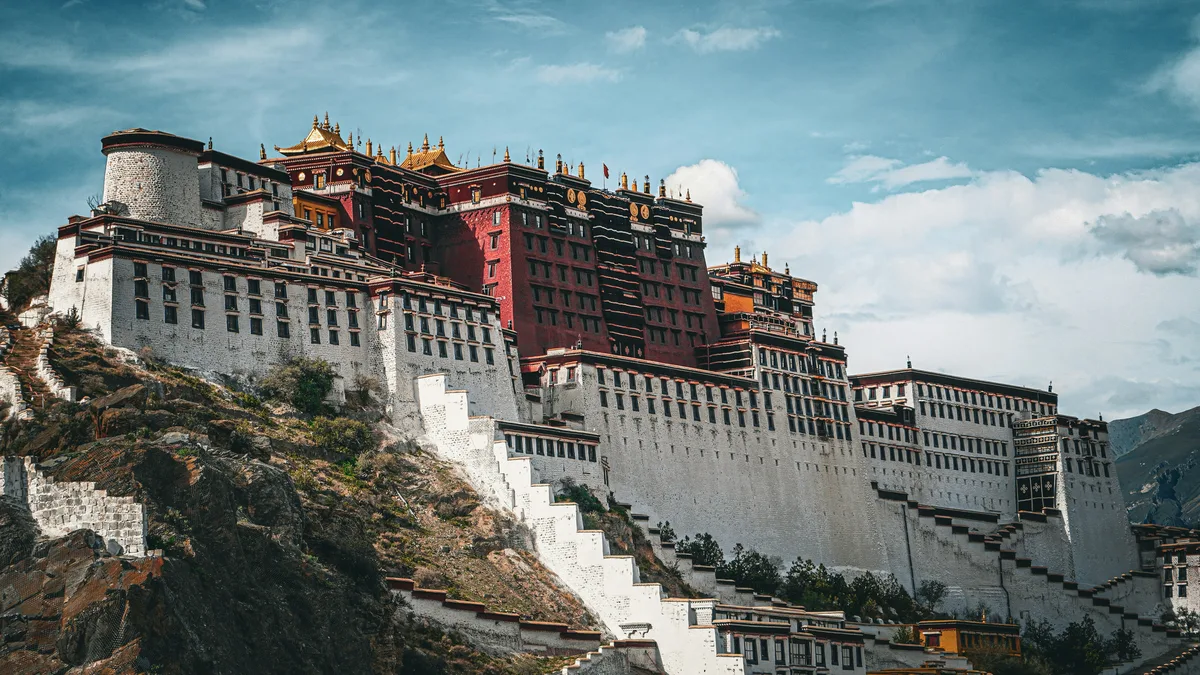
A 22-day journey across three Himalayan nations — nine nights in Nepal's Kathmandu, Chitwan and Pokhara, seven nights in Tibet including Everest Base Camp, and five nights in Bhutan's Thimphu, Punakha and Paro.
 Multi-Day Tours
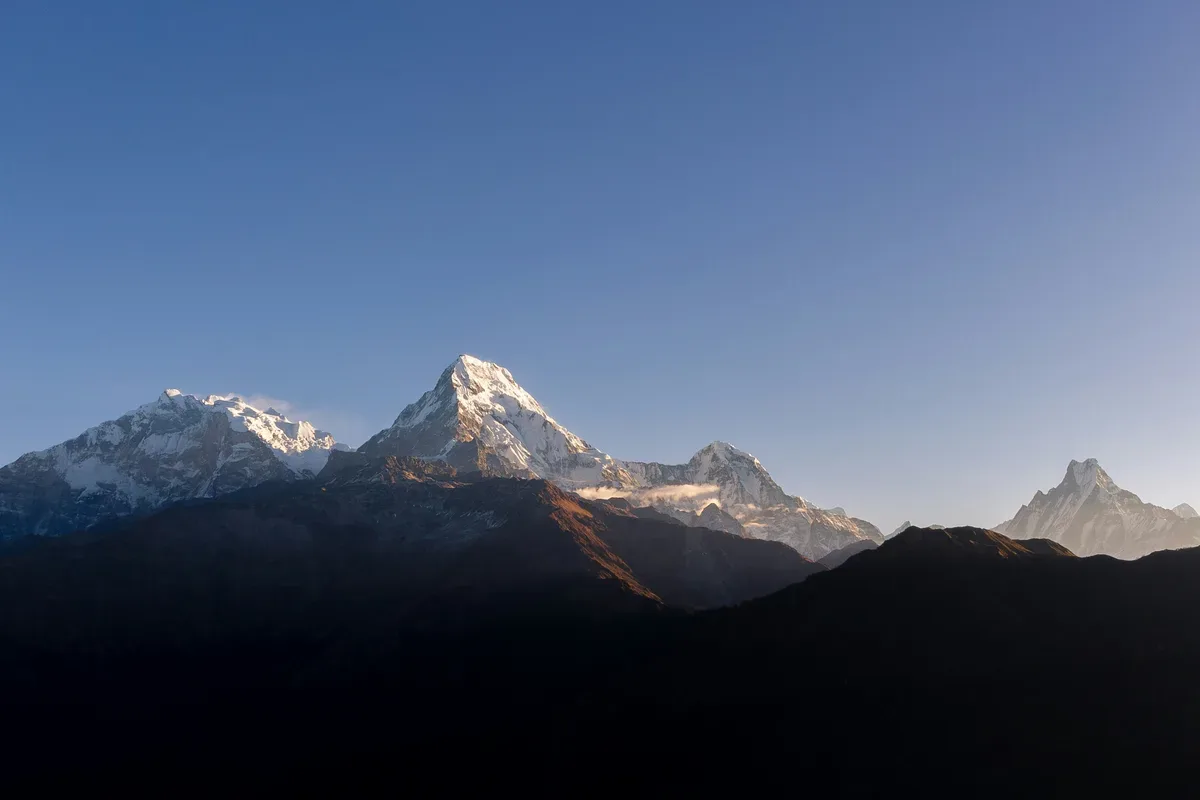
A gentler introduction to Himalayan trekking — Kathmandu and Pokhara sightseeing followed by a five-day trek through Gurung villages in the Annapurna foothills, overnighting at comfort lodges below the Annapurna Massif.
 Multi-Day Tours
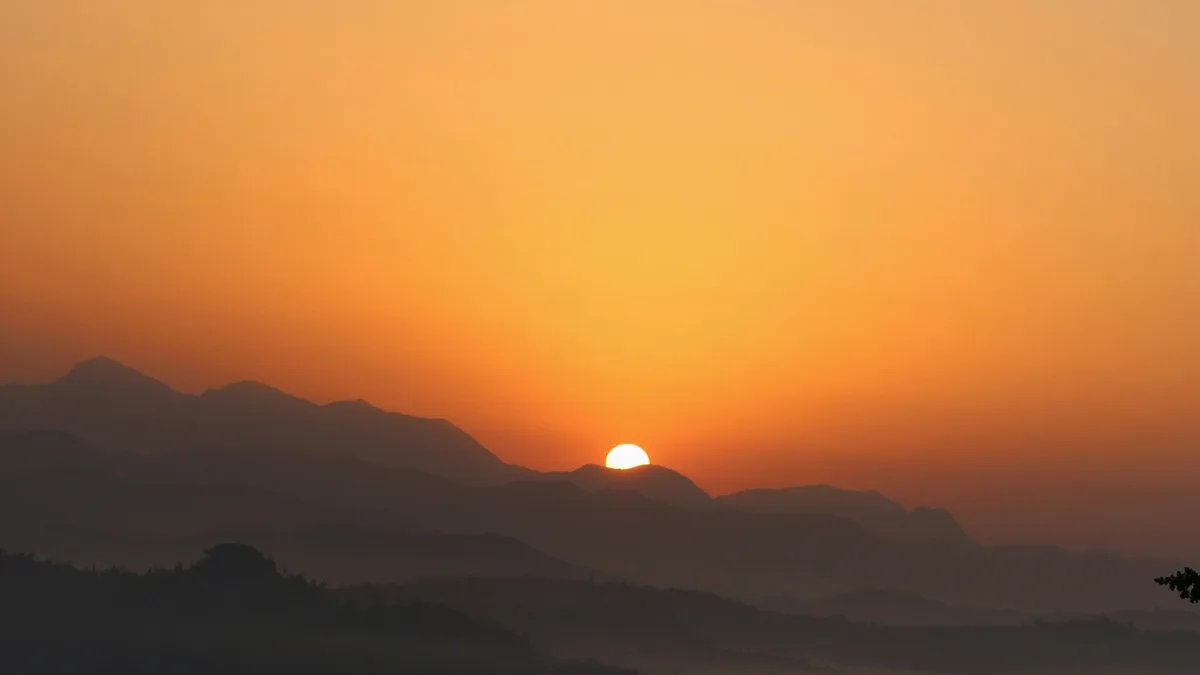
A 7-day route through Kathmandu Valley's temples and UNESCO squares, the hilltop views of Nagarkot, and Pokhara's lakeside beneath the Annapurna range, with sunrise from Sarangkot.
 Multi-Day Tours
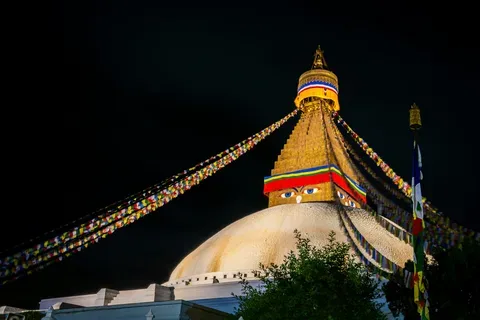
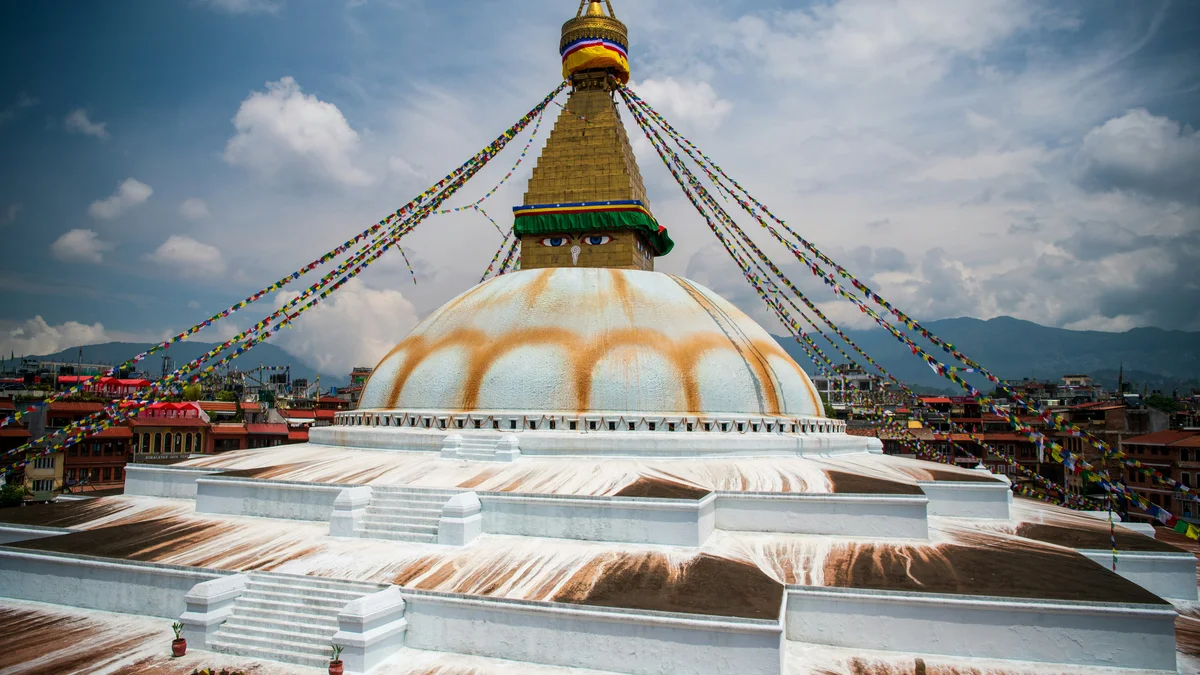
A 9-day pilgrimage tracing Nepal's Buddhist sites — the meditation caves of Patan, Boudhanath and Swayambhunath stupas, Lumbini where Buddha was born, and the sacred hill of Namobuddha.
 Multi-Day Tours
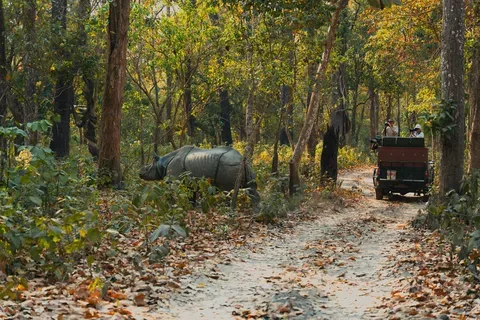
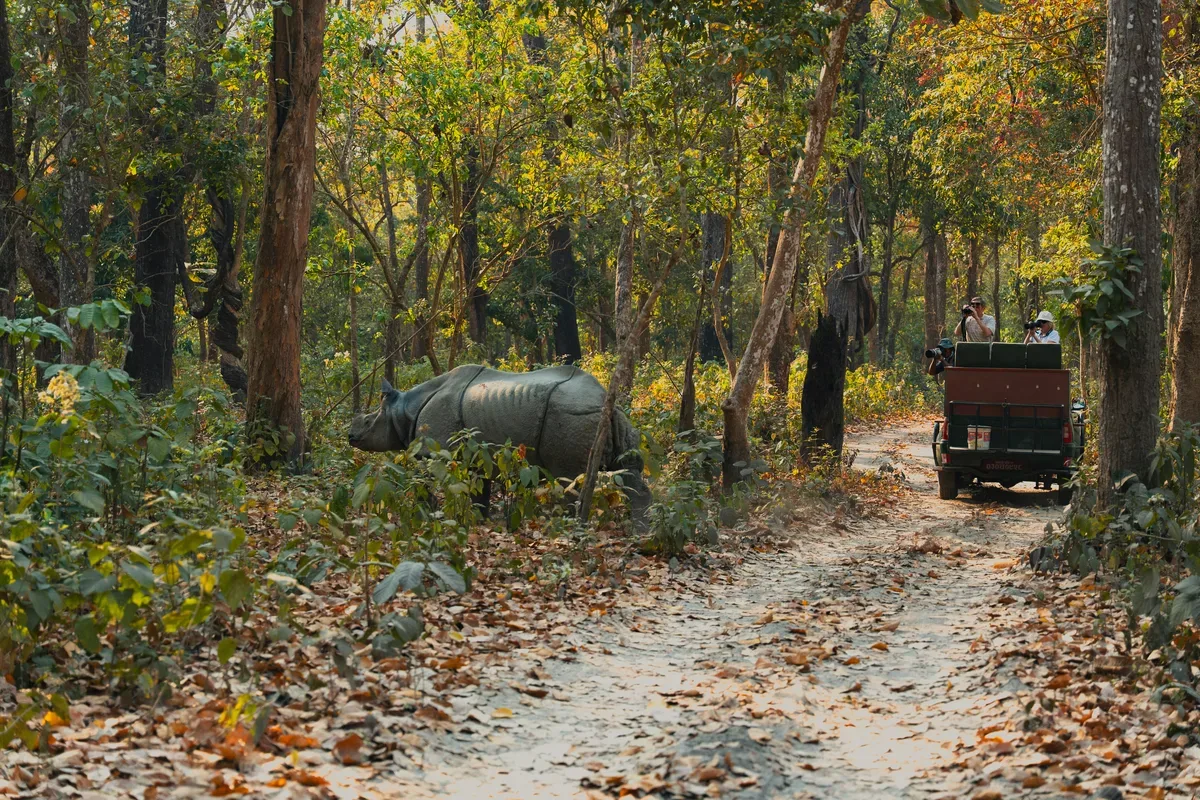
An 8-day route from Kathmandu's temples and markets through Chitwan National Park's rhino and tiger safaris, to Pokhara's mountain-ringed lake and Sarangkot's sunrise views.
 Multi-Day Tours
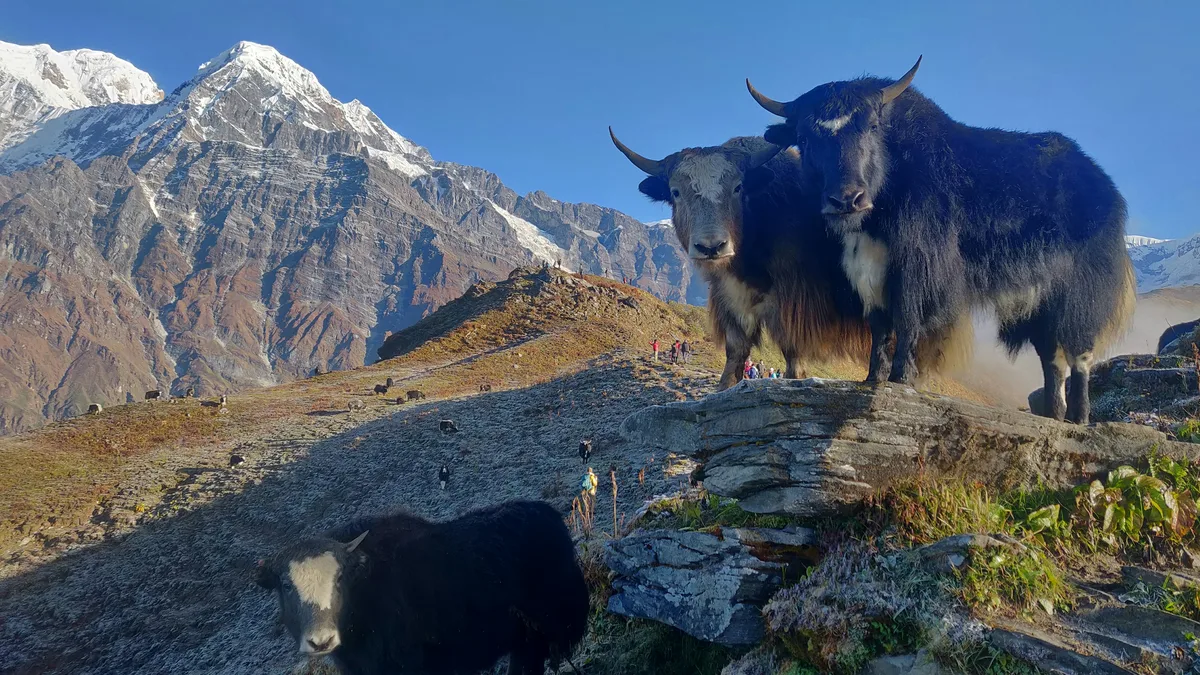
A 17-day journey combining Kathmandu sightseeing with a 12-day trek through Langtang National Park — yak pastures, a yak-cheese factory, the sacred lake of Gosainkunda, and the Yolmo (Hyolmo) heartland of Helambu.
 Multi-Day Tours
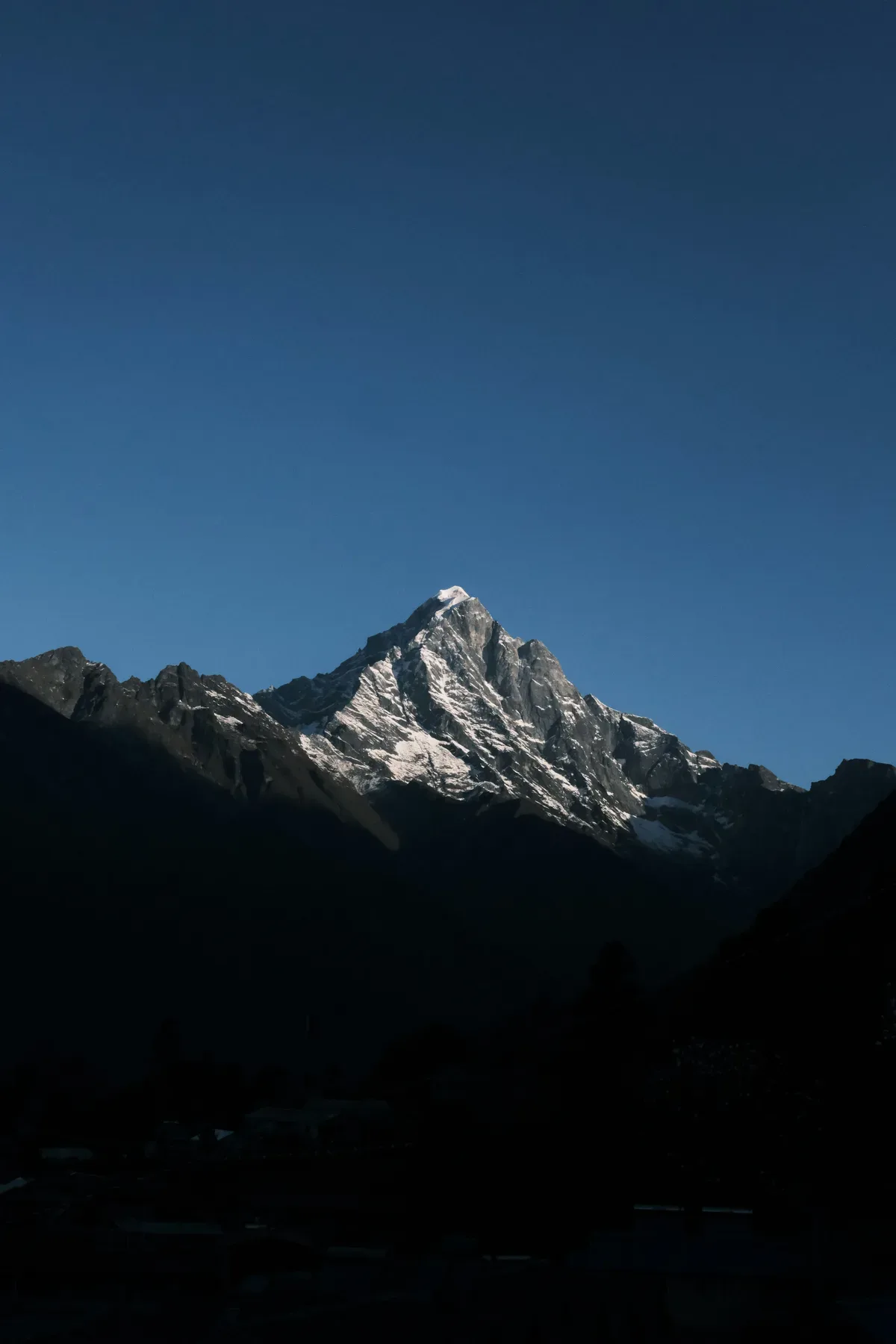
A 14-day journey to the foot of Everest — a flight into Lukla, Sherpa villages of Namche Bazaar and Tengboche, a sunrise ascent of Kalapatthar, and the trek to Everest Base Camp itself.
 Multi-Day Tours
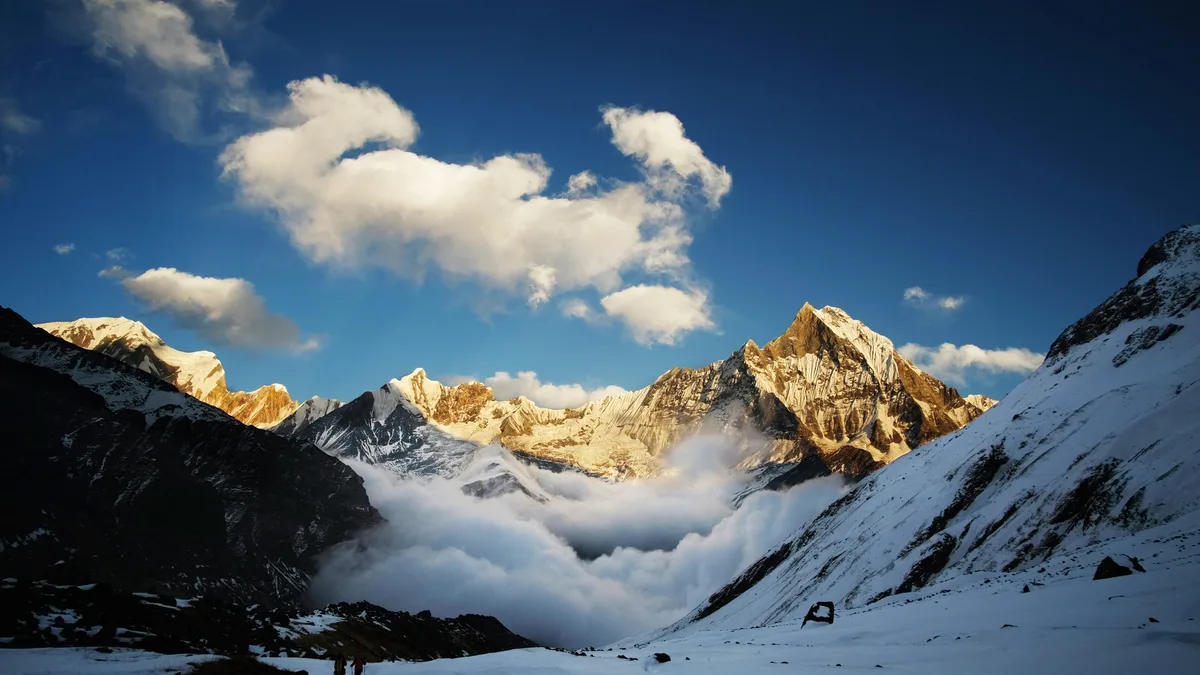
A 12-day trek from Kathmandu and Pokhara into the Annapurna Sanctuary, through Gurung villages to Annapurna Base Camp itself at 4,130m, with 360-degree views of Annapurna and Machhapuchhre.
Visitor guide
Patan Durbar Square lies at the centre of the city of Lalitpur in Nepal and is one of the three Durbar Squares in the Kathmandu Valley that are UNESCO World Heritage Sites. It contains the former royal palace of the Malla kings of Lalitpur and a dense concentration of temples, shrines, courtyards and traditional Newar buildings. Wikipedia describes it as a marvel of Newar architecture, paved with red bricks bordered by stone.
The early history of the square is not clear. The Malla kings of Lalitpur are credited with establishing the royal square, but the site was an ancient crossroads. Archaeological and epigraphic evidence shows the palace area mattered before the Mallas: the Patan Museum records a stone inscription dated 643 AD in Keshav Narayan Chowk, and another dated 560 AD in the nearby Manidhara area. Most of the architecture visible today dates from the 1600s, during the reign of Siddhi Narsingh Malla and his son Srinivasa Sukriti, with improvements by kings such as Purandarasimha, Sivasimha Malla and Yoganarendra Malla. Patan is described as one of the oldest Buddhist cities and a centre of both Hinduism and Buddhism, with 136 bahals, or courtyards, and 55 major temples, most near the square. The square was heavily damaged by the April 2015 earthquake.
The principal temples face the western side of the palace, with entrances looking east towards it. Krishna Mandir, built in 1667 by Siddhi Narsingh Malla, is a three-storey stone temple in a local variant of the shikhara style, with 21 golden pinnacles. Carvings on the first floor narrate the Mahabharata and those on the second show scenes from the Ramayana. According to legend, the king saw Krishna and his consort Radha standing in front of the palace one night and ordered the temple built on the spot.
The Bhimsen Temple, built by Srinivasa Malla in 1680, is known for its three interconnected golden windows. Newar communities associate Bhimsen with strength and with business and trade. The Vishwanath Temple, dedicated to Shiva and built in 1627, is guarded by two stone elephants. The Taleju Bhawani Temple, the personal deity of the Malla kings, is a five-storey, triple-roofed temple built in 1640 and rebuilt in 1667 after a fire, and it is not open to the public. Other monuments include the Char Narayan Temple, traditionally dated to 1566, the octagonal Chyasing Deval, the small Narsingha Temple of 1589 and a gilded Garuda statue on a stone pillar.
The palace has three main courtyards: Mul Chowk, Sundari Chowk and Keshav Narayan Chowk. Mul Chowk was established by King Srinivasa Malla in 1666 and is the largest and most famous, with the Vidya Temple at its centre and Taleju temples around it. Keshav Narayan Chowk now houses the Patan Museum, whose collections of Nepalese religious art and artefacts form part of the long-term conservation of the royal palace. The museum is known for displaying the bronze and metal arts of the valley.
Patan is just across the Bagmati River from Kathmandu and is often visited alongside the other two Durbar Squares. Some temples are under repair or closed to visitors, and photography is not allowed inside certain shrines. A private guided visit with a driver and local guide helps explain the Hindu and Buddhist traditions that share the square and the stories behind its carvings.
See every tour and attraction we cover in Nepal.