TorontoOntario · 36 tours
 Niagara FallsOntario · 25 tours
 New York CityNew York · 30 tours
 Las VegasNevada · 8 tours
 San FranciscoCalifornia · 16 tours
 VancouverBritish Columbia · 17 tours
 DubaiUAE · 54 tours
 Abu DhabiUAE · 5 tours
 Buenos AiresArgentina · 23 tours
 AthensGreece · 31 tours
 AucklandNew Zealand · 38 tours
 CancunMexico · 54 tours
No destinations match “”. Try searching all tours instead — that search understands full questions, not just place names.
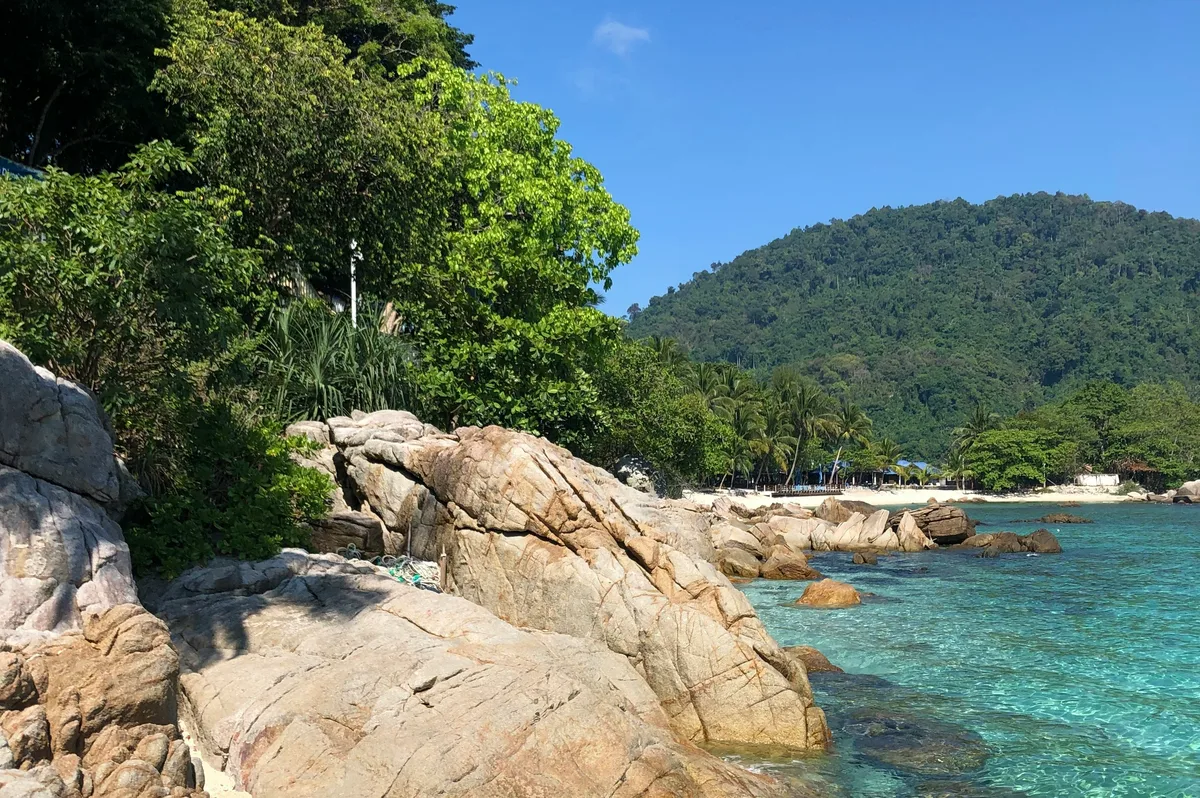
A pair of small, reef-fringed islands off Malaysia's northeast coast, known for clear water, snorkeling, and diving.
 Multi-Day Tours
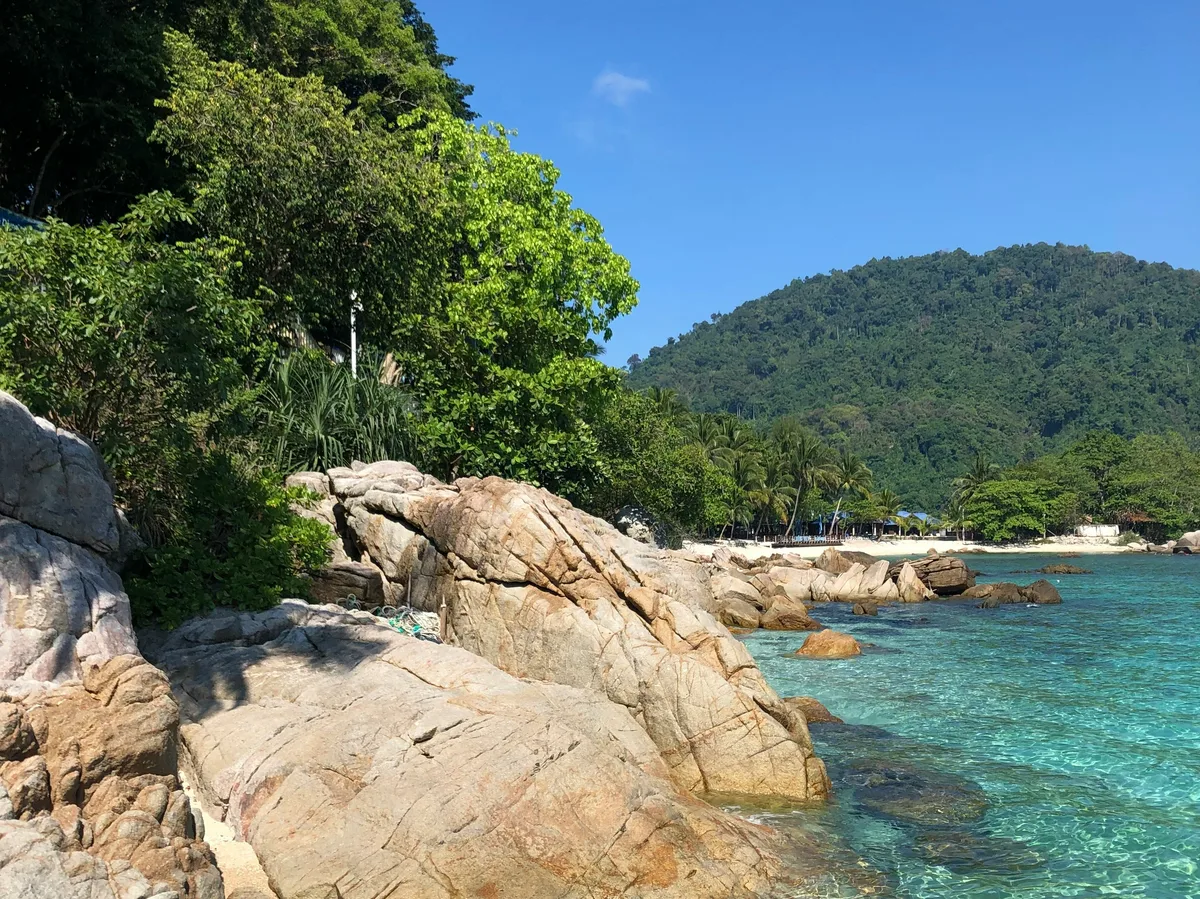
An 8-day island-hopping trip along Malaysia's best coastlines — Langkawi's beaches and cable car, a stop in Kuala Lumpur, and three nights on the Perhentian Islands for snorkeling and diving.
 Multi-Day Tours
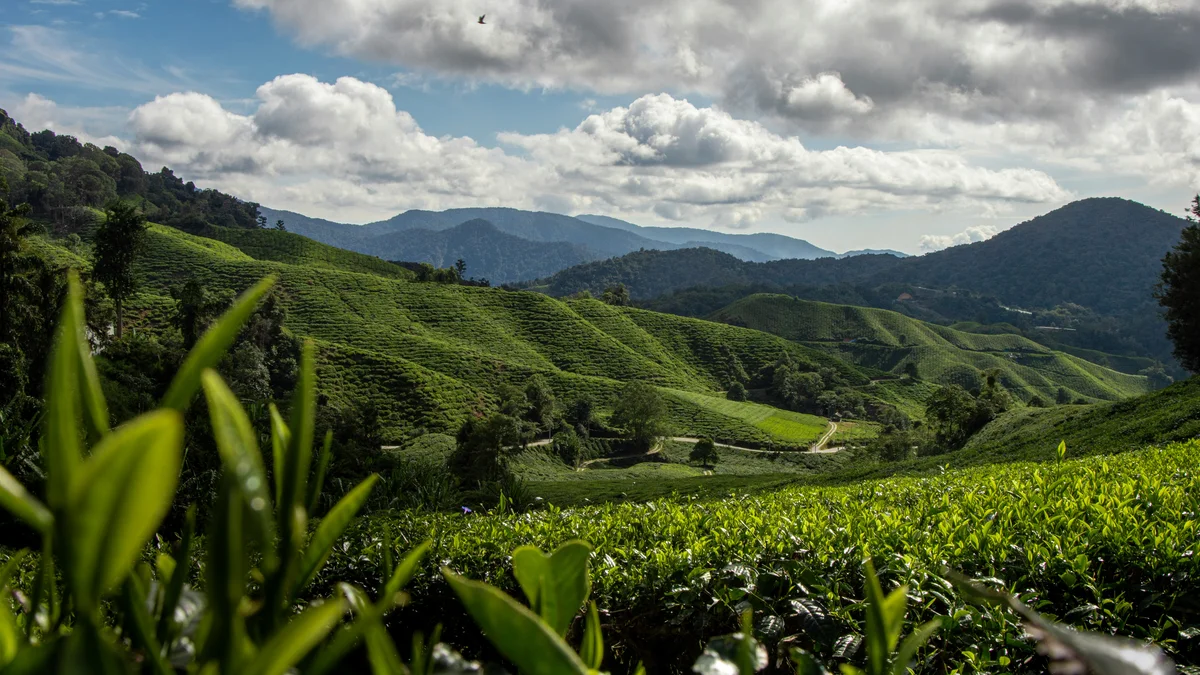
A 12-day sweep across Peninsular Malaysia's diversity — Kuala Lumpur, the Cameron Highlands' Mossy Forest and Mount Brinchang sunrise, three nights in the world's oldest rainforest at Taman Negara, and three nights snorkeling and diving on the Perhentian Islands.
Visitor guide
The Perhentian Islands are a group of islands off the coast of Besut District, Terengganu, in northeastern Malaysia. The two main islands are Perhentian Besar, meaning greater, and Perhentian Kecil, meaning lesser, and both are known for white coral-sand beaches, clear water and snorkelling. The group lies within a marine park.
The name Perhentian means stopping point in Malay and refers to the islands' traditional role as a waypoint for traders travelling between Bangkok and Malaysia. According to Wikipedia, British-era maps often labelled them the Station Islands. For centuries the islands were sparsely inhabited by fishers, and tourism now accounts for most economic activity. Vietnamese refugees landed on the islands in the 1970s, and the islands were gazetted as a marine park in 1994, which prohibits fishing within two nautical miles of shore.
Besides the two main islands there are seven smaller, uninhabited islands that are reached by boat and sometimes used as snorkelling and diving sites. Wikivoyage describes the group as lying roughly 19 kilometres off the northeast coast, with uninhabited Susu Dara, Seringgi and Rawa off Kecil. Kampung Pasir Hantu, a fishing village on the south-east corner of Kecil, is the only local settlement. Dense jungle covers much of the interior and walking trails connect the beaches. Long Beach on the east coast of Kecil is the main backpacker area, while Coral Bay faces west.
There are no paved roads or airstrips, so transport to and between the islands is mainly by speedboat from the jetty at Kuala Besut on the mainland. Utilities have not kept pace with tourism, with diesel generators supplying most electricity and, as of 2022, no sewerage system, which has led to wastewater discharge from some resorts into the sea.
Both islands have white coral-sand beaches and clear seas, and popular activities include scuba diving, snorkelling and swimming. Wikipedia lists sea turtles, clownfish, cuttlefish, blue-spotted rays and blacktip sharks among the marine life, plus monitor lizards and geckos on land. There are dozens of dive sites around the two main islands, and Wikivoyage names the Pinnacle and the Sugar Wreck among them. Visibility is typically 10 to 20 metres but drops after storms, and the sources note reef decline and plastic pollution as ongoing problems.
The islands support a significant nesting population of green and hawksbill sea turtles. The Department of Fisheries operates a turtle hatchery to help address declining numbers, though egg poaching from the beaches is a continuing problem. Visitors can help by following marine park rules, not touching turtles or coral and taking litter away.
The islands have a tropical climate with temperatures steadily around 30 degrees Celsius and frequent brief thunderstorms. A heavy monsoon season runs from roughly November to February, when seas are rough, most resorts and ferry services stop and the islands are essentially closed to tourists. The calmer window, roughly March to October, is the main season for diving. Because boat services depend on the sea state, travel plans should be flexible, and a private transfer to Kuala Besut helps with the mainland leg of the journey.
See every tour and attraction we cover in Malaysia.